






China saw a surge in cross-border travel during the Mid-Autumn Festival holiday, with major ports experiencing peak passenger flows. According to a forecast by the National Immigration Administration, the average daily number of inbound and outbound travelers during the holiday was expected to reach 2.25 million.
Since the introduction of the 240-hour visa-free transit policy, eligible transit travelers have been allowed to stay and travel across various regions within the permitted areas for up to 240 hours, or 10 days, making it possible to explore multiple cities during an in-depth trip to China.
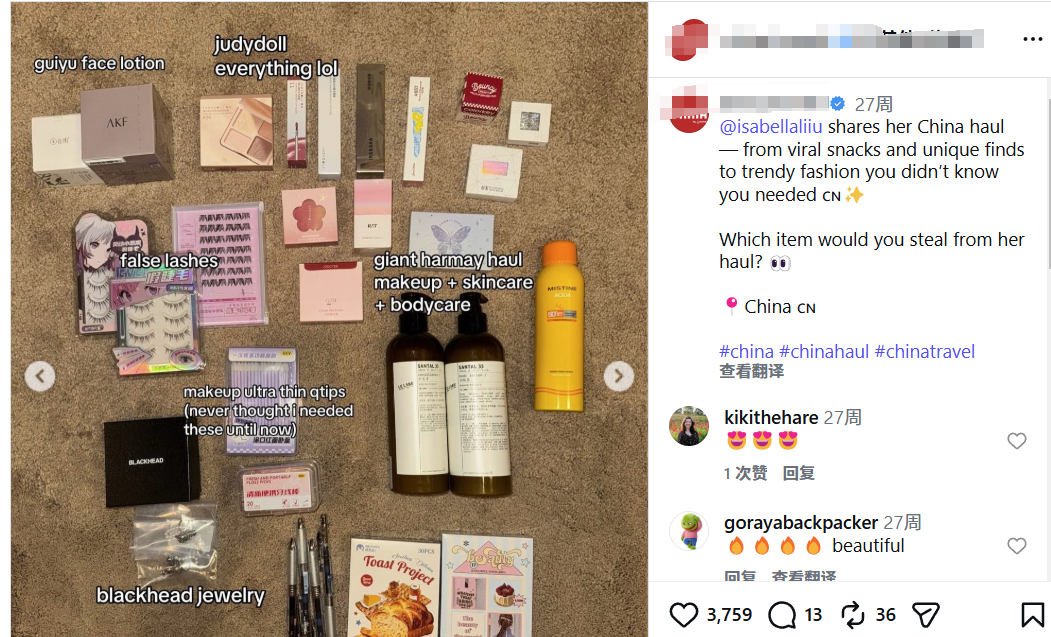
The trend toward more immersive inbound tourism has become increasingly evident recently, with "China Haul"—a term referring to shopping hauls from China—gaining popularity on overseas social media platforms. Foreign tourists are increasingly discovering China with empty suitcases, with some arriving with three suitcases per person to stock up on Chinese products.
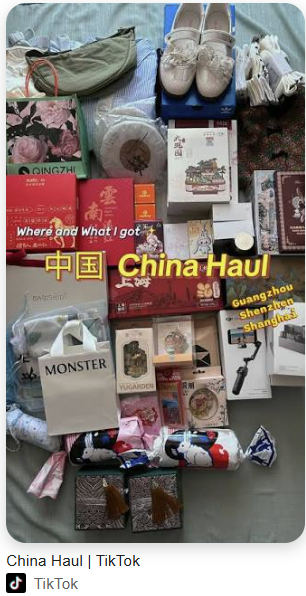
Overseas influencers have been recommending a wide range of Chinese products, while one highly liked comment summed up the trend: "When traveling to China, try to bring an empty suitcase, because you'll shop until you're exhausted."
Shopping in China has become a major topic on overseas social media. From tech products such as drones, action cameras and foldable smartphones to locally made "fashion specialties" including luggage, clothing and fragrances, foreign tourists are increasingly bringing empty suitcases to China to shop.
To make their shopping trips more efficient, some have also learned to use Chinese e-commerce platforms to place online orders and have their purchases delivered to hotels in China, allowing them to pack everything up and take it home when they leave.
At the same time, traditional Chinese wellness culture and related products are also making their way onto the shopping lists of foreign tourists. Products such as traditional Chinese medicine soaps, moxibustion products and Chinese medicinal cuisine are gaining popularity, while a cross-border consumption model combining "healthcare+tourism+shopping" is becoming increasingly specialized.
Moving beyond traditional sightseeing and shopping, visits to smart factories have also emerged as a new trend in inbound tourism as China continues to advance its technological capabilities. At an automobile factory operated by a smart manufacturing company, cutting-edge intelligent manufacturing scenes have impressed overseas visitors.
In the past, Chinese consumers traveled overseas to purchase foreign goods. Now, some foreign consumers are coming to China in search of Chinese brands and products that are less available, more expensive or not yet launched in their home countries.
This trend of "reverse overseas shopping" is, in essence, not simply about the appeal of low-priced goods. Rather, consumers around the world are using their purchasing power to demonstrate their trust in the growing value of Chinese brands.
Related News:
Watch This | Mid-Autumn Festival in HK meets the world
First day of the Mid-Autumn Holiday: Guangdong expressways see 8.2077 million vehicle trips




Comment