





The "International Forum on Mutual Learning among Civilizations 2026" is inaugurated on today (Nov. 9) in Macao. Under the core theme "Mutual Learning among Civilizations, Inheritance and Development", the two-day Forum (Nov. 9 and Nov. 10) will feature nearly 40 thematic sessions and academic exchange sessions conducted by nearly 300 representatives from government departments, international organizations, leading experts and scholars from over 20 countries worldwide.
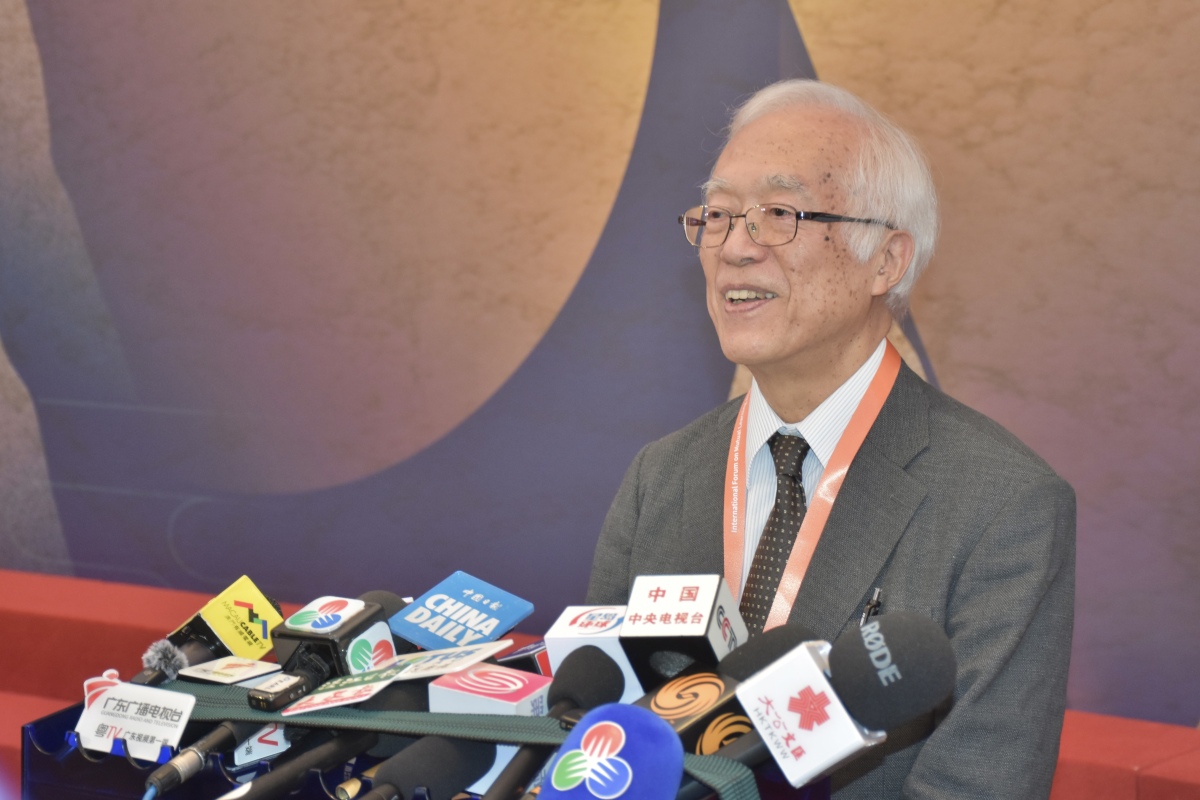
In an interview, Hamashita Takeshi, the Director of the Research Department of the Toyo Bunko and Senior Research Fellow of the Institute for Advanced Studies in Humanities of the Sun Yat-sen University noted that advancing mutual learning among civilizations requires respect for ancient civilizations and historical roots, alongside recognition of the diversity of modern societies. Amid today's complex geopolitical landscape and clashing values, he said the forum's hosting in Macao carries great significance. It brings together participants with varied standpoints, delivers valuable dialogue opportunities, creates inclusive communication spaces, and fosters mutual learning and cooperation between civilizations worldwide.
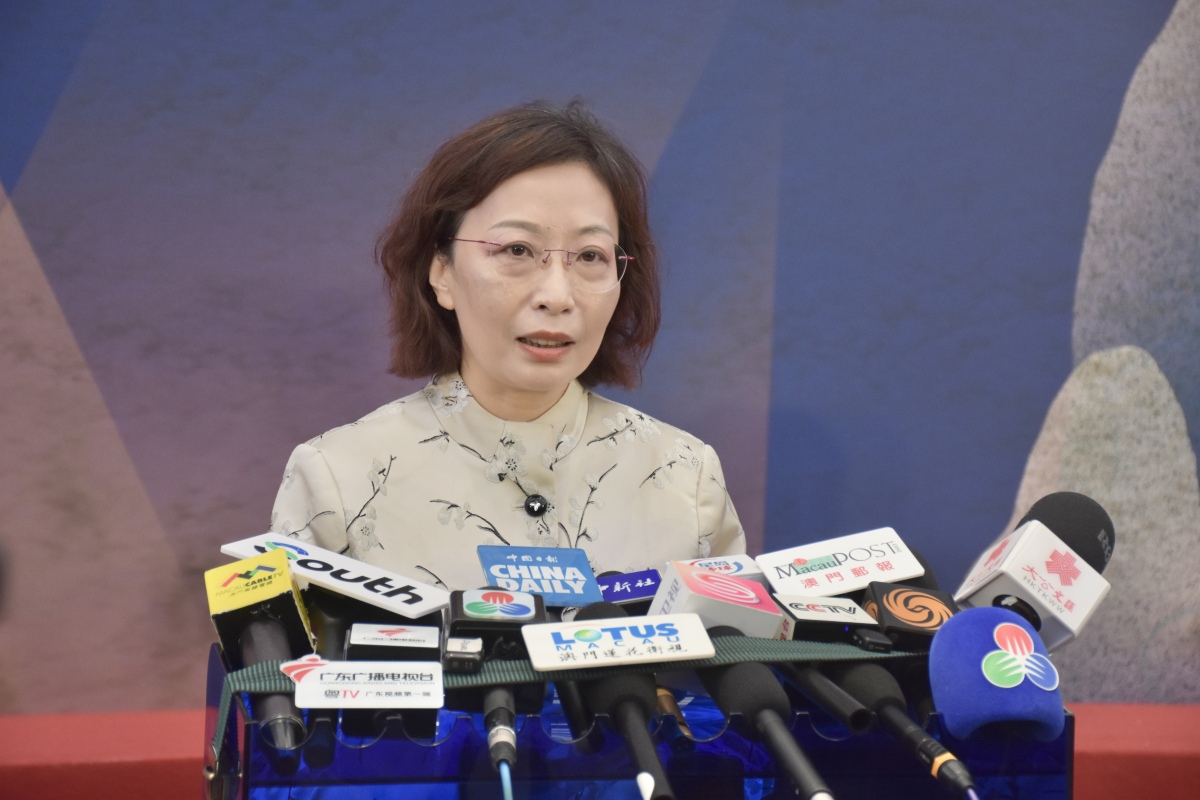
Mok Ian Ian, the Executive Vice President of the Federation of Associations of Cultural Sectors of Macau, remarked that Macao has long maintained a relatively peaceful and secure environment throughout history. With Chinese culture as the mainstream, Macao embraces the inclusive ethos of "cherishing our roots while absorbing outside influences", reserving space for foreign cultures to thrive. She explained that East-West cultural integration has seeped into local residents' daily life: Macao people drink coffee in the morning, use both chopsticks and cutlery with ease, and celebrate both Chinese and Western festivals as public holidays — tangible proof of cultural fusion.
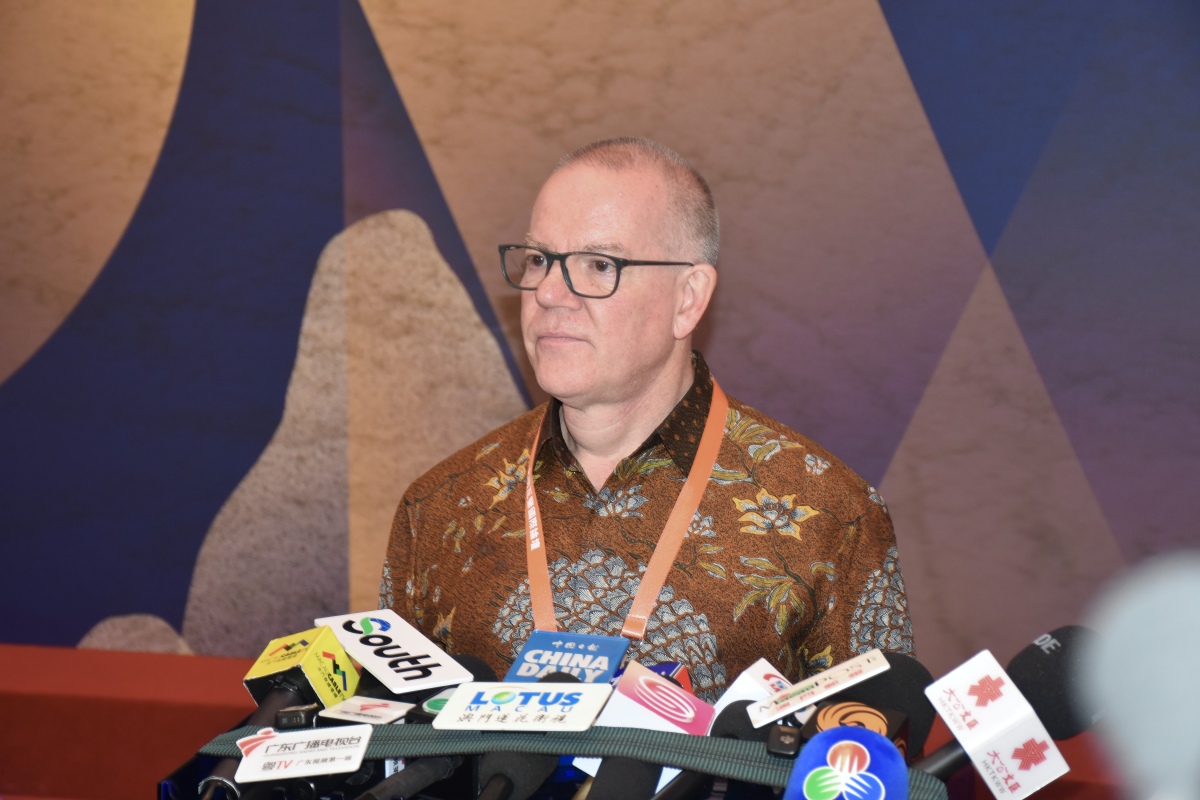
Hugh Bowden, the Professor of Ancient History of the Department of Classics of the Faculty of Arts and Humanities of King's College London, United Kingdom, in the interview, shared his perspectives on civilizational exchange, artificial intelligence and Macao's cultural features. He acknowledged AI's immense potential in healthcare, data processing and especially translation, where real-time AI translation breaks down language barriers and enables free academic exchanges across linguistic divides. Still, he argued that art is emotional communication between human beings, and machine-generated works cannot replace the value of human creation. He proposed expanding people-to-people exchanges between China and the West through student mobility and reciprocal cultural relic exhibitions, combining in-person exchanges with digital sharing of cultural heritage to realise mutual learning between diverse civilizations.
(Reporter: Liu Yu)
Related News:
2026 HK International Talent Festival held, attracting over 8,000 jobseekers




Comment