






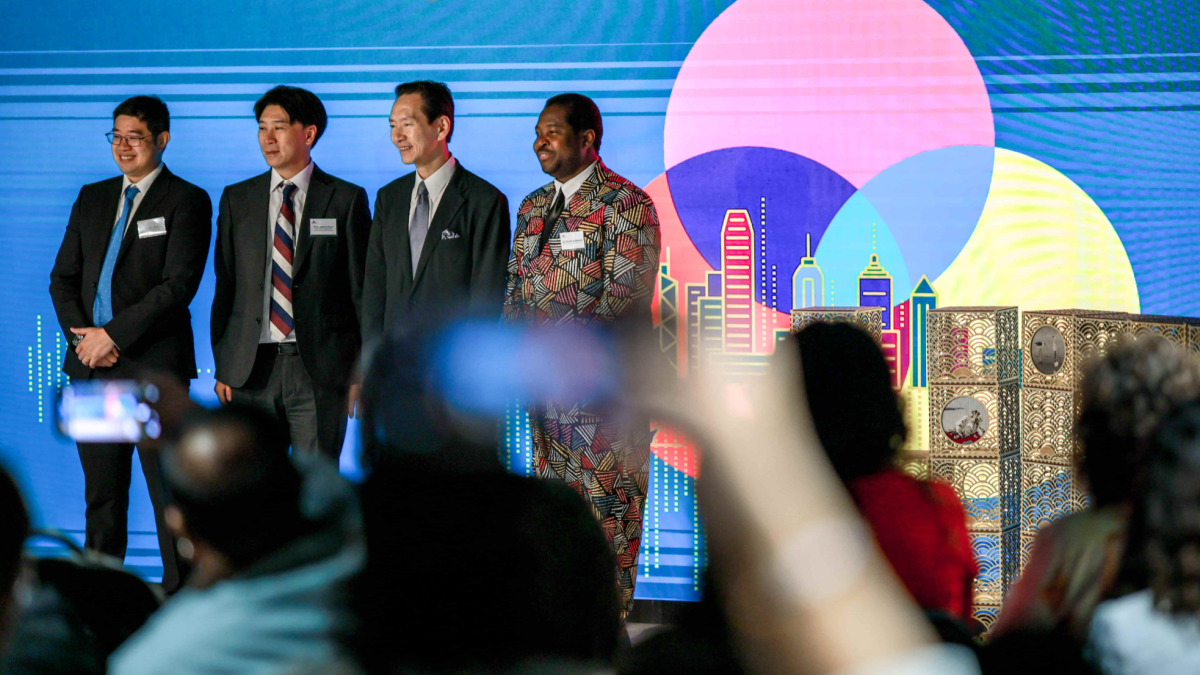
A five-day global symposium in Hong Kong is promoting the idea that creative and cultural activities can support public health, with experts arguing that arts-based interventions could complement conventional treatment and help relieve pressure on overburdened public hospitals.
The Hong Kong Global Arts and Health Festival 2026 opened on Nov 3 at Hong Kong Baptist University (HKBU) and will run through Saturday. The event brings together representatives from the World Health Organization (WHO) and the United Nations Educational, Scientific and Cultural Organization (UNESCO), along with epidemiologists, doctors, interdisciplinary artists, and community leaders.
A central theme of the festival is "arts on prescription," a social prescribing model in which medical professionals refer patients to take part in structured creative or cultural activities to support the treatment of mental and physical health conditions.
Kunle Adewale, global development lead of the Global South Arts & Health Initiative (GSAH) and a co-chair of the festival, said the gathering reflects a broader push to treat creativity and culture as essential components of well-being and community resilience.
Organizers said the festival is the fourth international conference under the GSAH framework and the first edition in Asia. GSAH, which promotes education, research and interdisciplinary practice in arts and health, has reached more than 500,000 people across 45 cities worldwide since 2023, according to the initiative.
Karen Mak Hei-wan, a senior research fellow in epidemiology and statistics at University College London and a global population health fellow with the WHO's Jameel Arts and Health Lab, said broader adoption of "arts on prescription" could improve overall health and well-being while easing healthcare system strain. She cited a 2019 WHO report drawing on more than 3,000 studies, which found evidence that the arts can play a significant role in health and well-being across the lifespan.
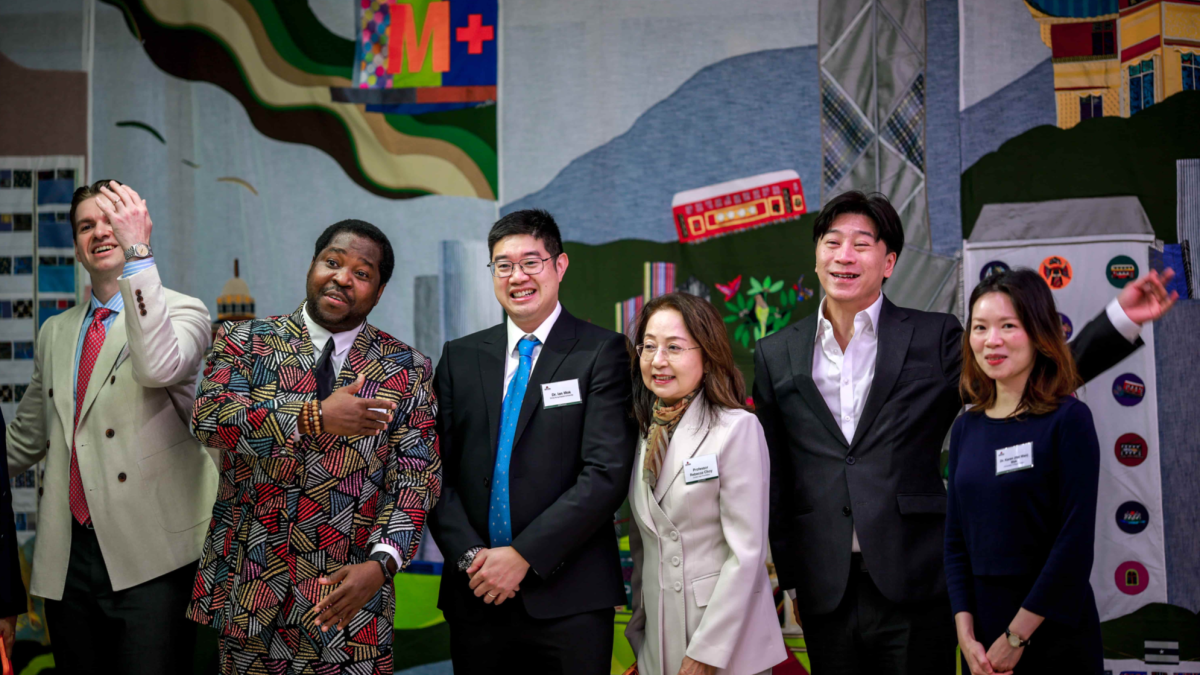
Mak added that public awareness of arts-based social prescribing remains limited and said practical considerations—such as accessible community facilities and affordable participation—will be important for scaling up. She also noted that Hong Kong's museums and cultural resources, as well as district health centers, could help support implementation, though a broader shift in mindset may be needed for people who feel "art is not for them."
On the first day, a session focused on translating international research into practices across Asia and discussed how to build an ecosystem linking the arts with healthcare. Ian Mok, a co-chair of the festival and a lecturer at HKBU, presented local research on intergenerational community music, saying empirical findings suggest such interventions can enhance subjective well-being, reduce loneliness, and foster harmony among different age groups within families.
In the coming days, the festival will feature thematic speeches, workshops, and case studies, as well as exchange sessions at cultural venues including M+, the Hong Kong Museum of Art, and the Hong Kong Palace Museum.


Comment