






Her birth name is Tshegofatso Kgomotso Mhlongo, and she was born in Pretoria, South Africa—one of the country's three capital cities. But in Hong Kong, many people know her by another name: Eli Zaelo. She adopted it after moving to the city, looking for a stage name, yet the bigger story is not only about a name change—it's about belonging. Eli often says, "Coming to Hong Kong was destiny. I can't say I chose Hong Kong; I believe Hong Kong chose me."
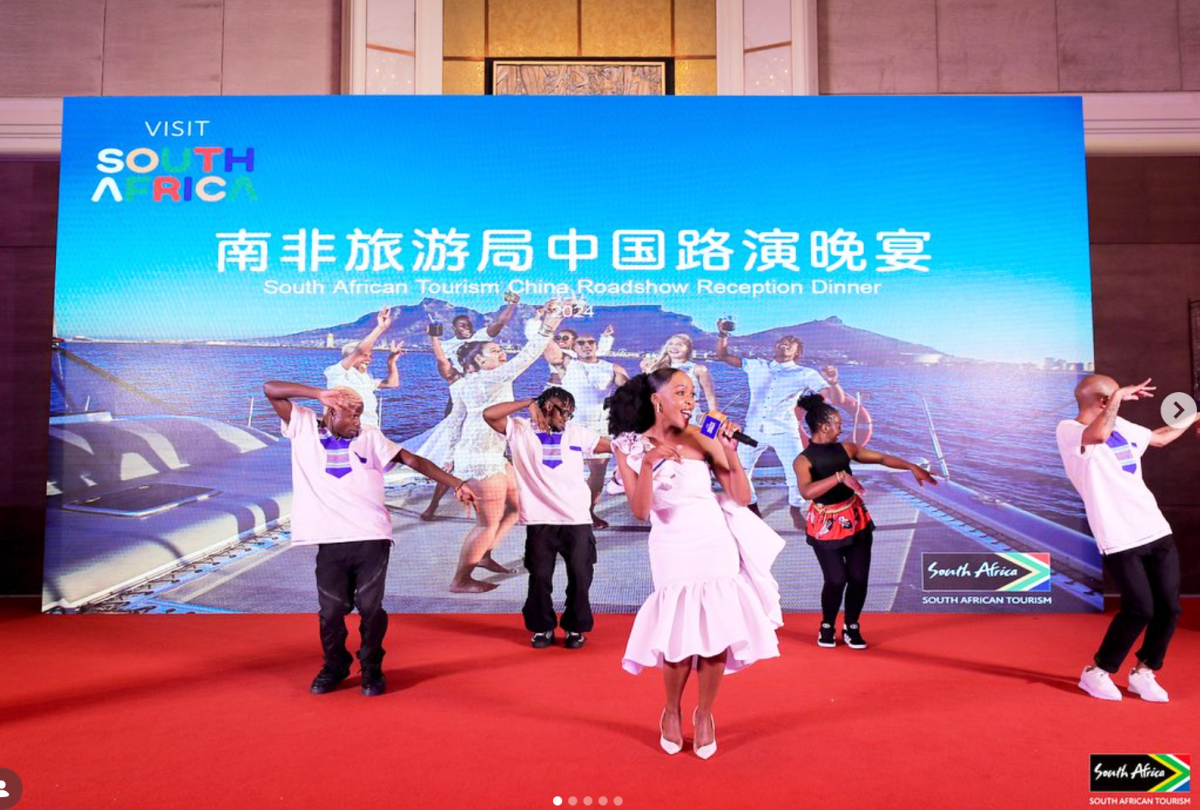
To Eli, Hong Kong is more than a fast-paced, international metropolis. It is a bridge—between Asia and the world. And in many ways, she has become a bridge herself, connecting Hong Kong with African culture and creating spaces where people can meet beyond stereotypes and headlines. A truly multilingual artist, Eli sings in English, Mandarin, and Cantonese, as well as in her mother tongue, Setswana, and her father's tongue, Zulu. For her, languages are not just tools; they are a form of respect—for the culture, for the audience, and for the craft of being an artist.
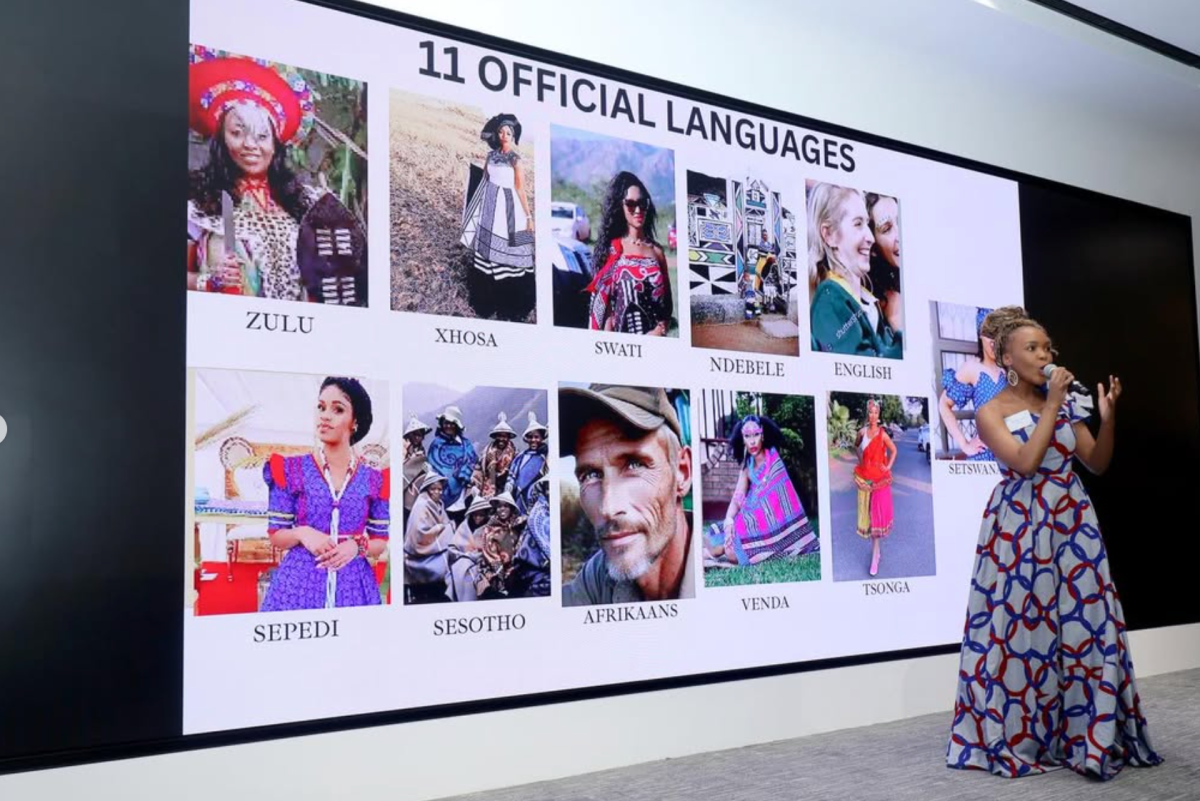
Her life in Hong Kong is not limited to performance. Eli is also a performers' arts teacher, teaching drama, musical theatre, and vocal lessons. She coordinates events and describes herself as a bridge builder—someone who uses art to create understanding. In her view, Africa–China relations may be growing stronger day by day, but real people-to-people understanding does not happen automatically. Many still "don't know much about each other." Standing in a unique position—knowing both Chinese and African communities—Eli asks a simple question: If I understand both worlds, why can't I share what I've learned and help break down stereotypes?
Music became the key. After an early contract in Hong Kong ended, she returned to South Africa and took her very first Chinese lessons in Pretoria. Her teacher soon realized she was a singer and suggested learning Chinese songs together. On day one, the teacher sang "Tian Mi Mi" and invited Eli to try. Eli remembers feeling, even then, that this experience could be part of what she was born to do—using music to step into another culture, not as a gimmick, but as something meaningful.
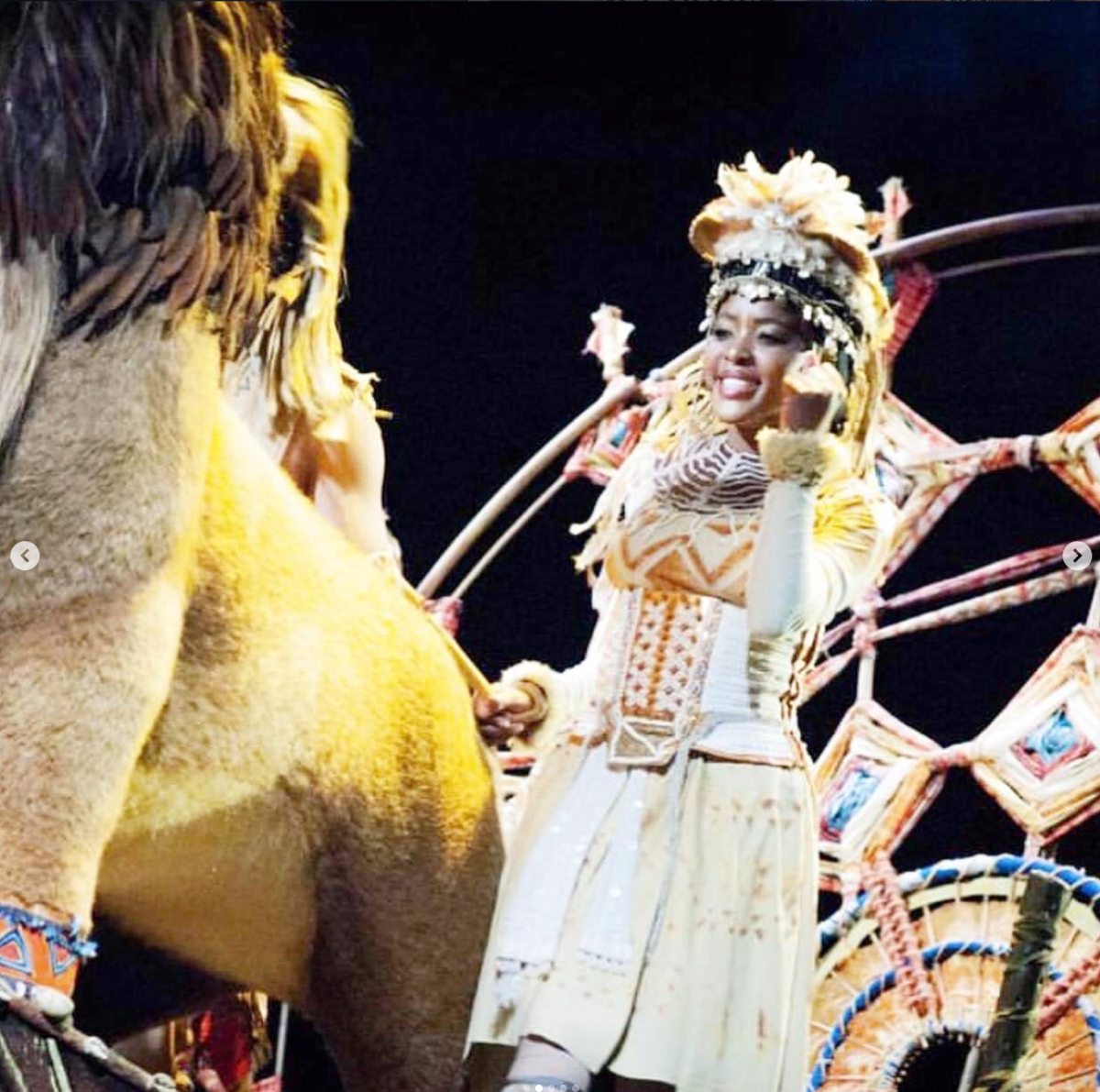
In 2014, after graduating from the Los Angeles College of Music, Hong Kong called again when Eli landed the role of Nala in The Lion King musical at the city's Disneyland theme park. At the time, she knew little about Hong Kong beyond the "Rush Hour" movies. Only when she received the call telling her to move did it truly sink in: she was about to build a new life here. The first time she came, she came to Hong Kong to be a singer. The second time, she came to be a bridge between cultures.
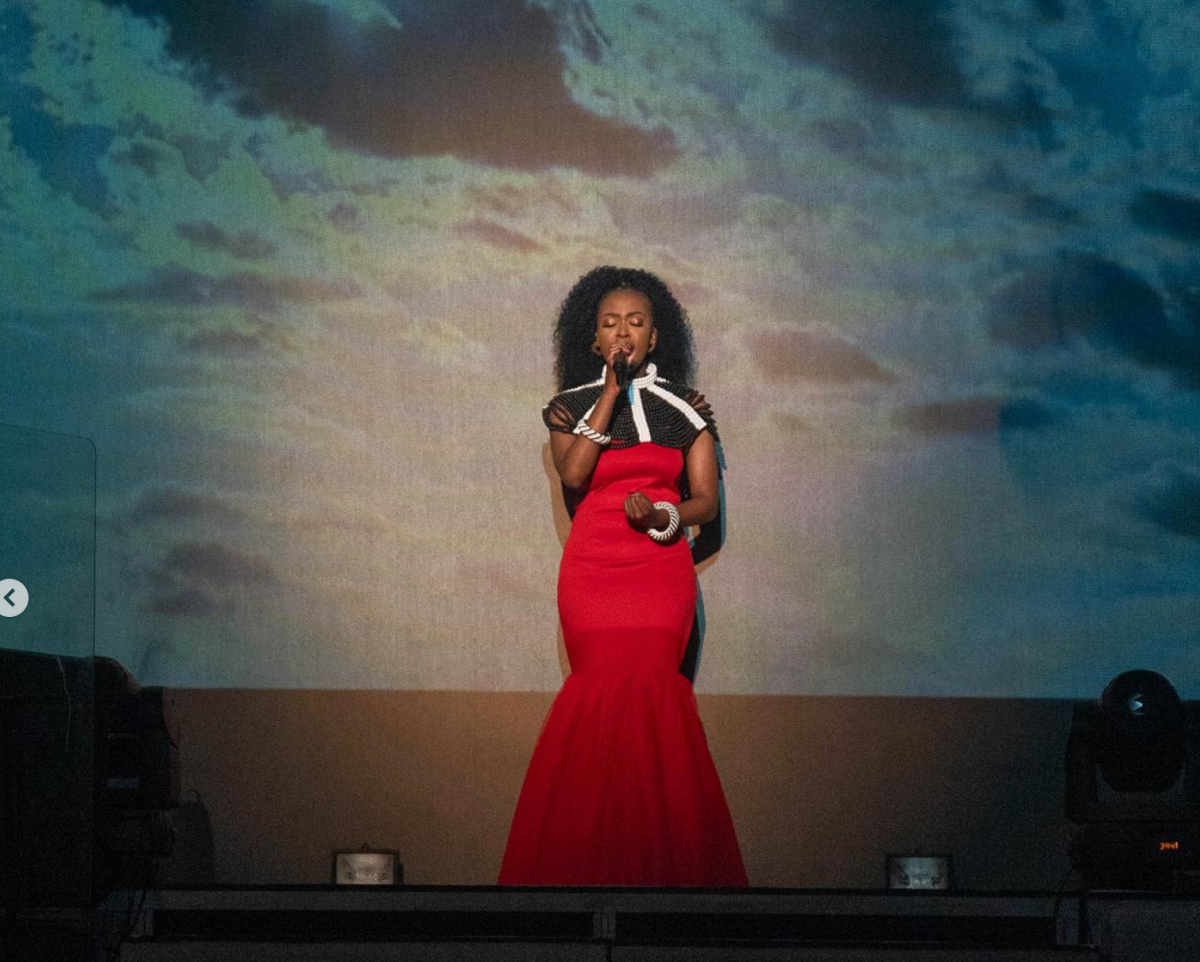
Towards the end of 2017, she returned to Hong Kong after being invited to represent South Africa at Viva Africa, an event hosted by the Hong Kong Leisure and Cultural Services Department. What she thought would be a single performance turned into much more. By 2018, she began teaching and working in drama—and Hong Kong became home again, this time for the long haul.
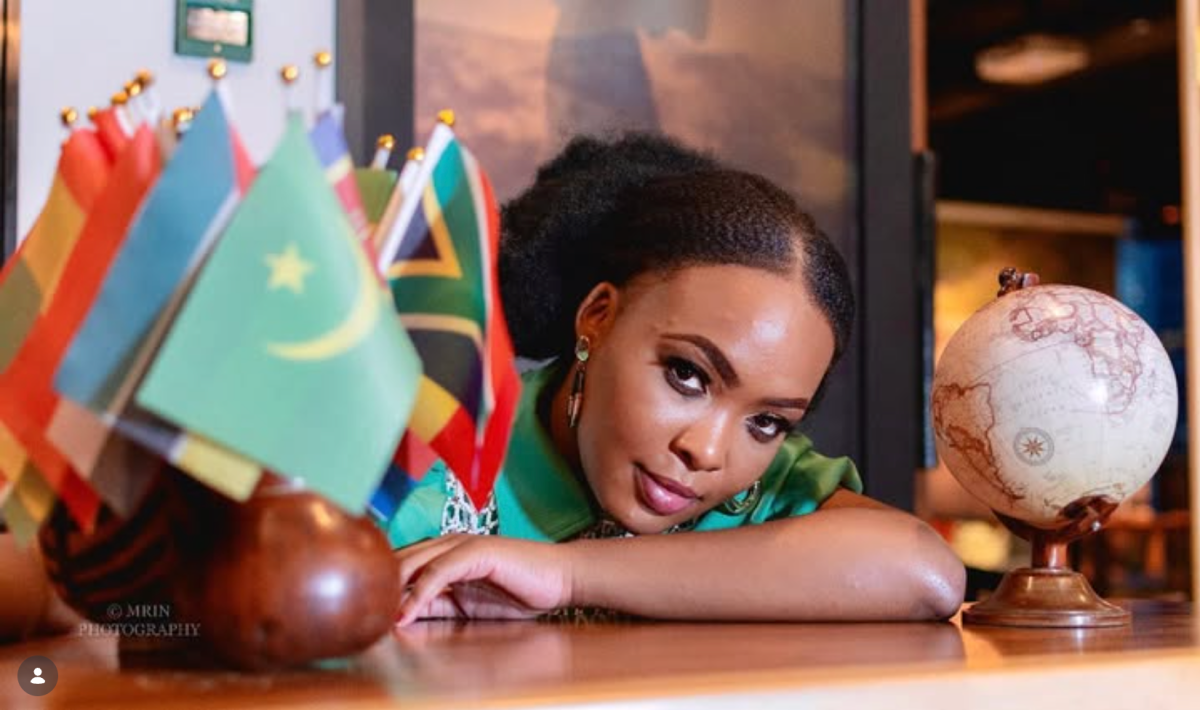
Eli has now lived in Hong Kong for 11 years and is a permanent resident. She describes that milestone as a moment when her hard work finally "paid off": even through homesickness, she stayed, made a home, and built something to show for it. She also notices how international Hong Kong has become—so much so that some people can live here without learning Cantonese. Eli doesn't see that as a positive. For her, learning at least the basics is a sign of respect and a way to truly connect with the city.
That same desire to connect led her to create cultural experience events—because people kept asking what it was like to live in Hong Kong and live among Chinese communities. And there was always a deeper question: Can you still maintain your Africanness? Eli's answer is yes. She can sing a Chinese song at an event—and then sing in Zulu. Identity doesn't have to be a choice between one and the other; cultures can stand side by side and illuminate each other.
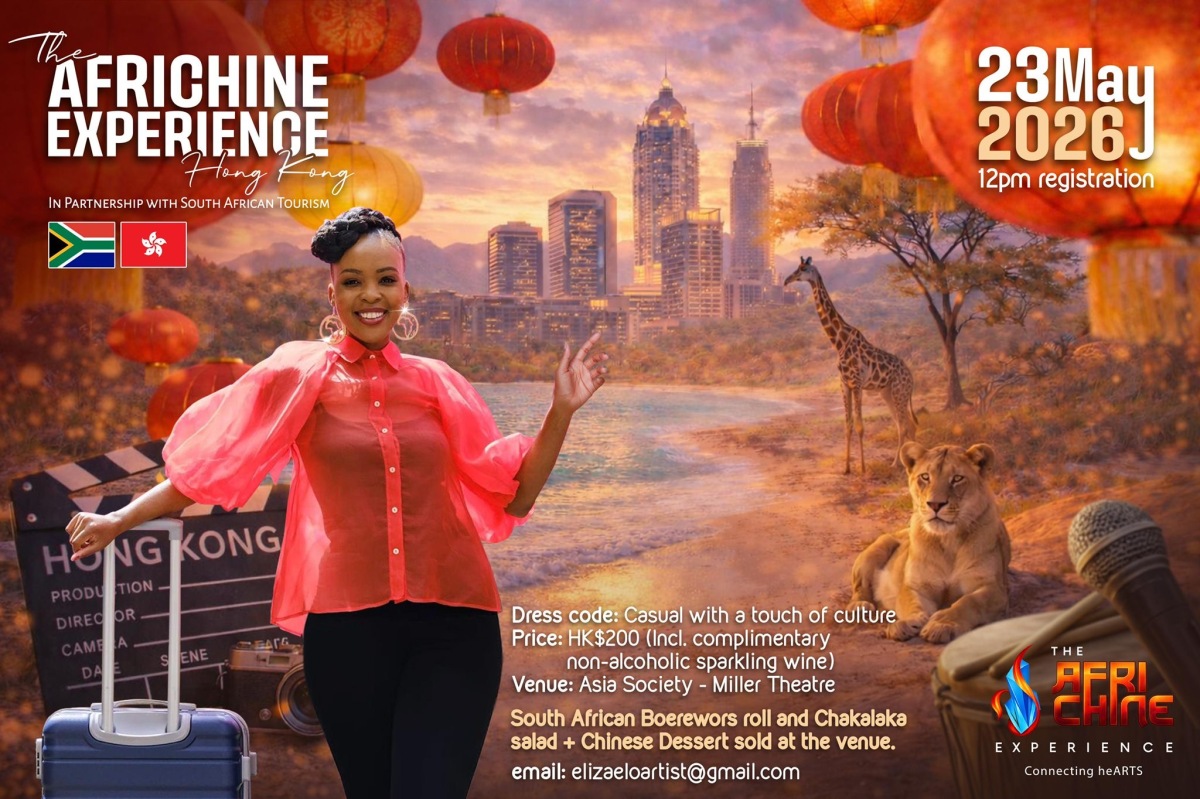
Most importantly, Eli wants her work to have meaning. She would rather not be reduced to a mere "cool trick"—a Black girl singing in Chinese. She wants people to see the respect, the seriousness, and the craft behind it. When audiences describe her events, "The African Experience," as "impactful" and "meaningful," it confirms that the bridge she's building is needed—and that it's working.
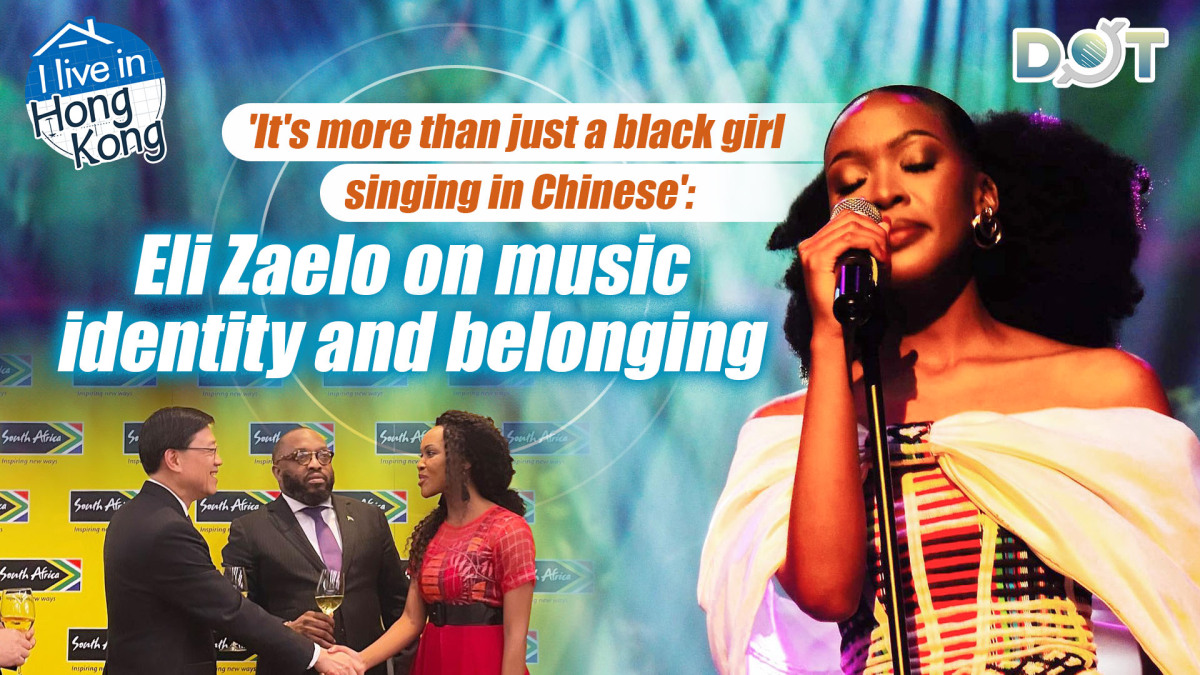
In this episode of I Live in HK, we meet Eli Zaelo—a South African singer, arts teacher, and cultural promoter who has made Hong Kong her home. Through multiple languages, multiple stages, and one city that she believes chose her, Eli shows what it means to live on a bridge—and to bring worlds closer, one song at a time.
(Journalist: Zoey Sun | Cameraman: Jack Wang & Felicia Li | Video Editing: Felicia Li | Producer: Felicia Li & Zoey Sun | Copywriter: Felicia Li)
Related News:
I Live in HK EP13 | Welcome to Irfan's caravanserai: Where the Silk Road still lives on—in Hong Kong
I Live in HK EP12 | How one Dutch photographer preserved fading neighborhoods, one cat at a time




Comment