






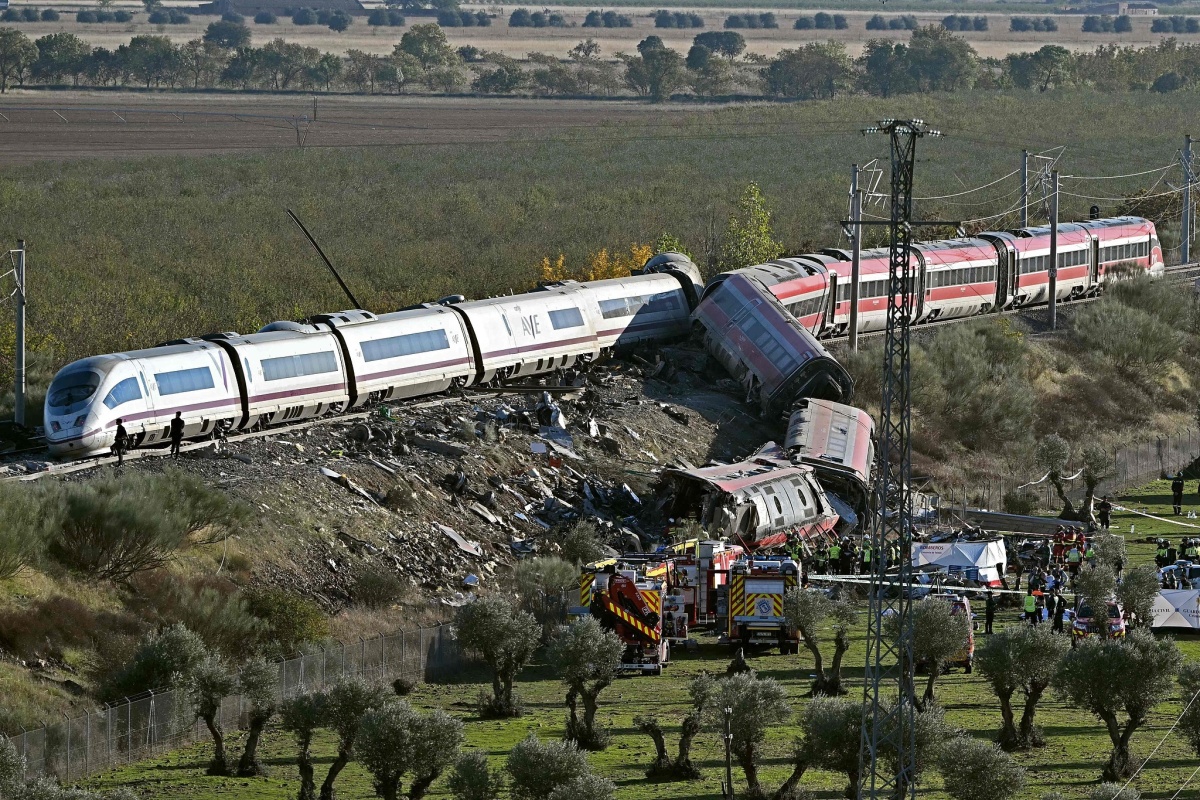
A high-speed railway between the Spanish capital Madrid and Andalusia saw a collision between two trains on Oct. 28. The incident occurred near Toledo, south of Madrid. The government of the Castilla-La Mancha region, where Toledo is located, reported that at least 68 people have died and dozens have been injured so far. Rescue operations continue, and local reports suggest the casualty toll may rise further.
68 dead – Spain declares three days of national mourning
Emiliano García-Page, president of the Castilla-La Mancha region, said on Oct. 28 that the death toll has risen to 68, with dozens injured, and the number could increase. According to the Chinese Embassy in Spain, there were four Chinese citizens on the trains, one of whom suffered a minor leg injury.
It is understood that both trains departed from Madrid for Seville and were carrying about 540 passengers in total.
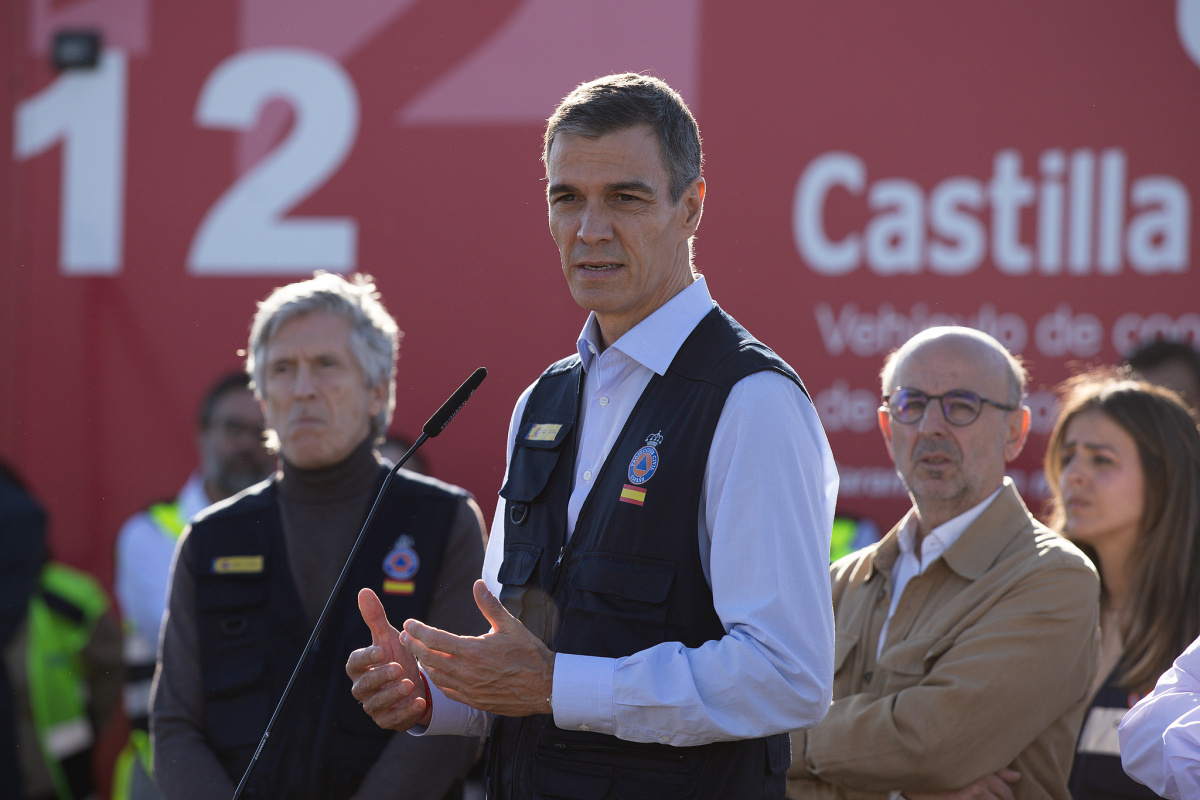
Spanish Prime Minister Pedro Sánchez said at an emergency command centre near the collision site on Oct. 28 that three days of national mourning will begin on Oct. 29 to honour the victims. Sánchez said all of Spain is in mourning, and the government's top priority is to assist the victims and their families, make every effort to search for survivors, and provide material and psychological support to the injured. The Spanish government said it will thoroughly investigate the cause of the accident.
Key recordings emerge – Fatal timeline reconstructed
On Oct. 28 local time, Spanish authorities disclosed the core cause of the major high-speed rail rear-end collision in Toledo province.
Spanish Transport Minister Óscar Puente, at a press conference that afternoon, characterised the incident as a computer communication failure compounded by human command errors. Meanwhile, the release of three key dispatch call recordings further reconstructed the fatal details.
According to Puente, at around 8:30 am, communication failures in three computers paralysed the relevant control system at Urda station in Toledo province, leaving a 63-kilometre railway section without safety protection, and all trains in the section were automatically braked to a halt.
Subsequently, the 24-hour dispatch control centre in Madrid's Atocha took over command. The three newly released call recordings confirm the fatal operation that followed: an operator at the control centre instructed a Renfe (Spanish national railway) train about 25 kilometres from the halted Iryo train to disconnect, reconnect, and resume normal speed.
The instruction directly violated safety regulations, which require trains in a system-failure section to proceed by sight or at a restricted speed of 40 km/h. In addition, the dispatcher allowed the rear train to proceed at full speed without confirming that the train ahead had safely left the section.
According to the official timeline, from 8:36 am to 8:52 am, the Renfe train travelled 25 kilometres at about 200 km/h under a red signal, before violently crashing into the stationary Iryo train, resulting in the tragedy.
Reporter's on-site report – Rescue operations continue
Spain's Civil Guard released aerial video of the accident site on Oct. 28. According to emergency rescue services, three carriages from the two trains derailed and fell down an embankment.
Recalling the moment of the crash, one passenger said the train suddenly hit from behind, then they saw the train appear on the left, and everything overturned. Some people were thrown into the air and seriously injured.
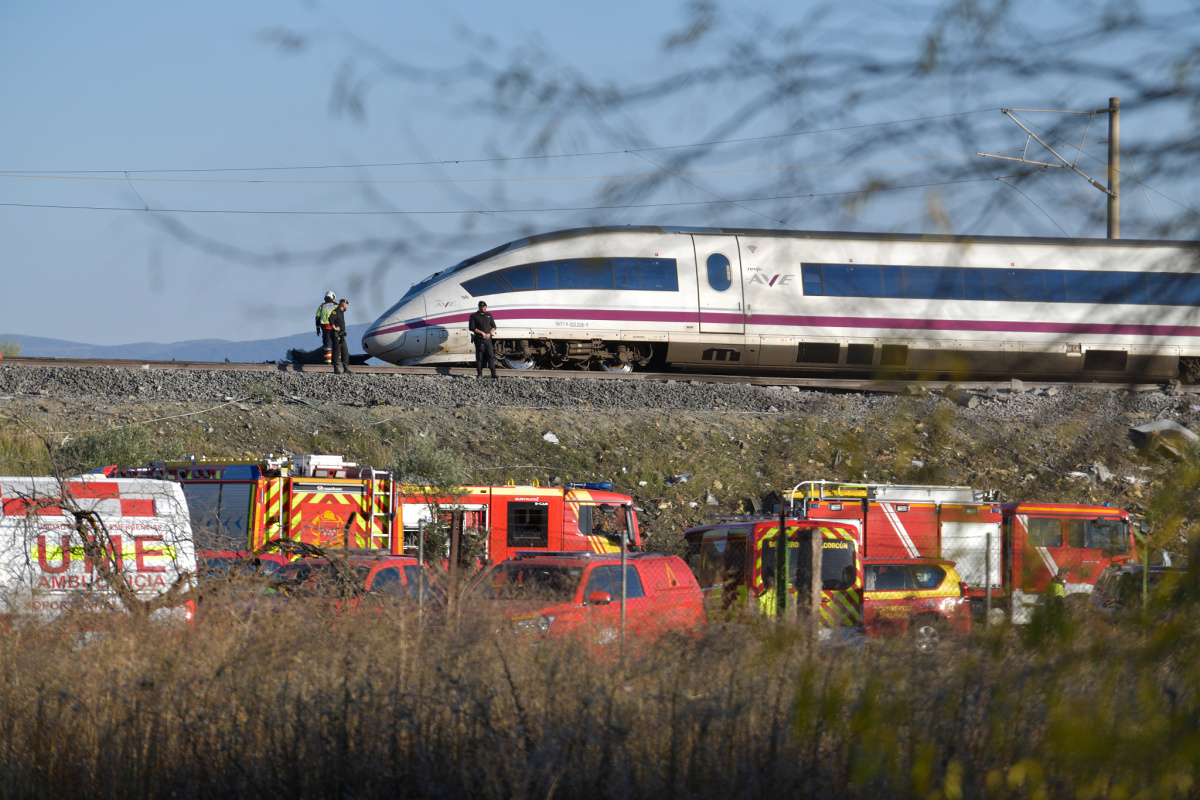
A CCTV reporter at the scene observed that about five hours after the accident, rescue operations were still ongoing and roads had been closed. At a temporary shelter, staff from relevant Spanish authorities were coordinating passenger transfers, dispatching multiple buses to pick up stranded travellers in batches.
Authorities conduct in-depth investigation – High-speed rail ticket sales suspended
Currently, Spain's Ministry of Transport and the technical investigation committee are combining dispatch data and system logs to conduct an in-depth investigation into this major accident involving technical failures and human command lapses.
It is understood that due to the accident, Renfe has suspended ticket sales for high-speed trains between Madrid and Andalusia until December this year. However, if the Spanish railway infrastructure manager reopens the line earlier, Renfe will resume operations. The railway authority has not yet announced the specific duration of the service suspension.
(Source: CCTV News)
Related News:
Watch This | Spanish bus plunges down hillside, over 80 injured
La Liga chief meets Chinese ambassador after Mbappe controversy, vows to protect ties with China


Comment