






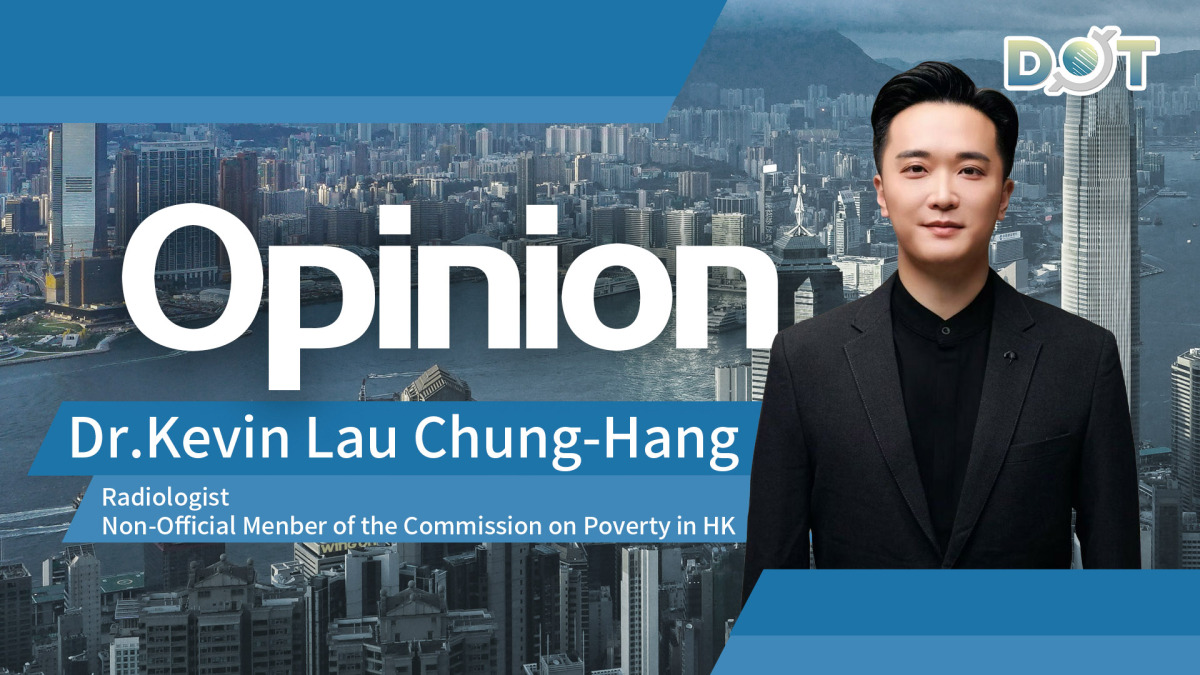
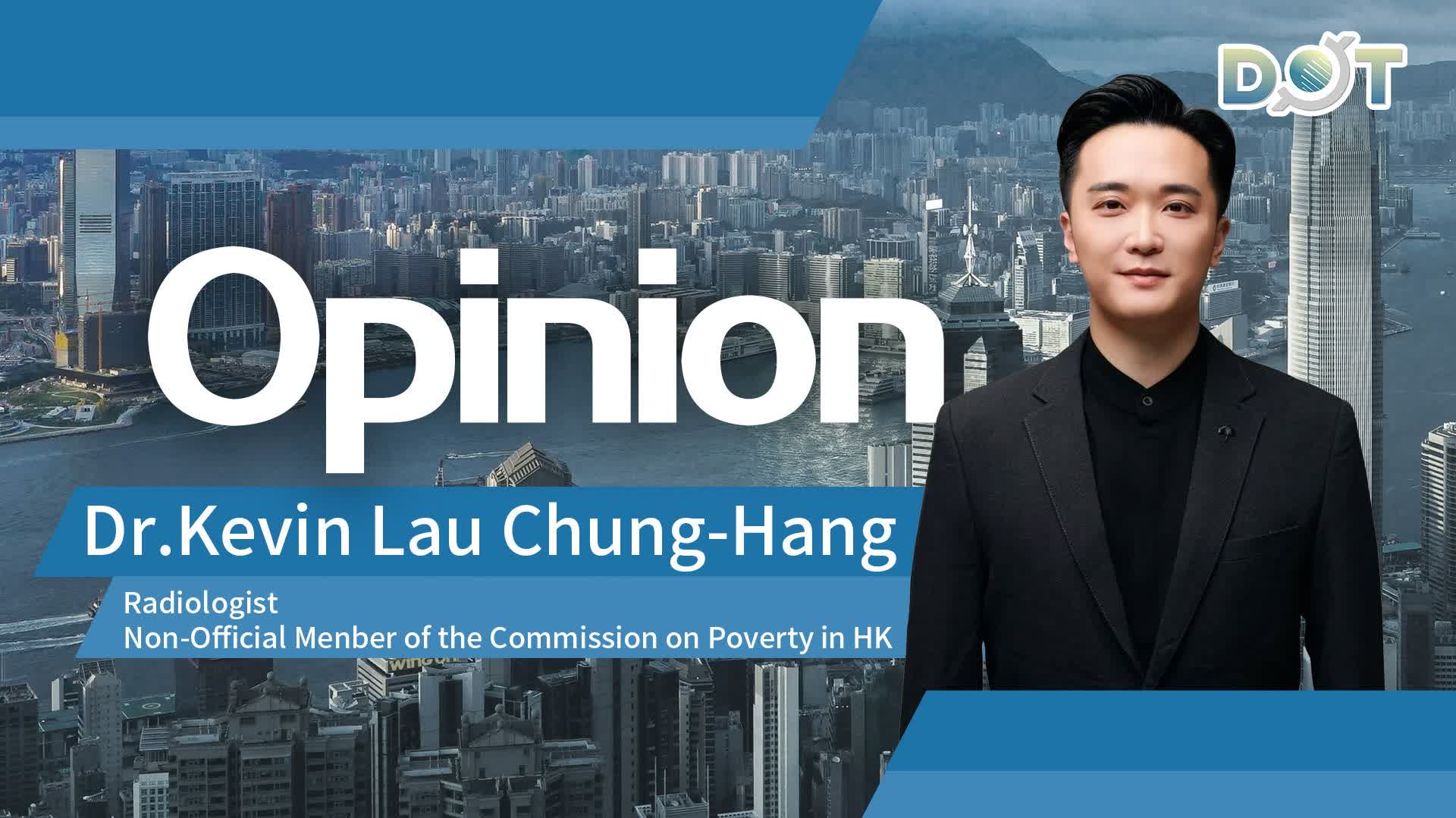
By Dr. Kevin Lau
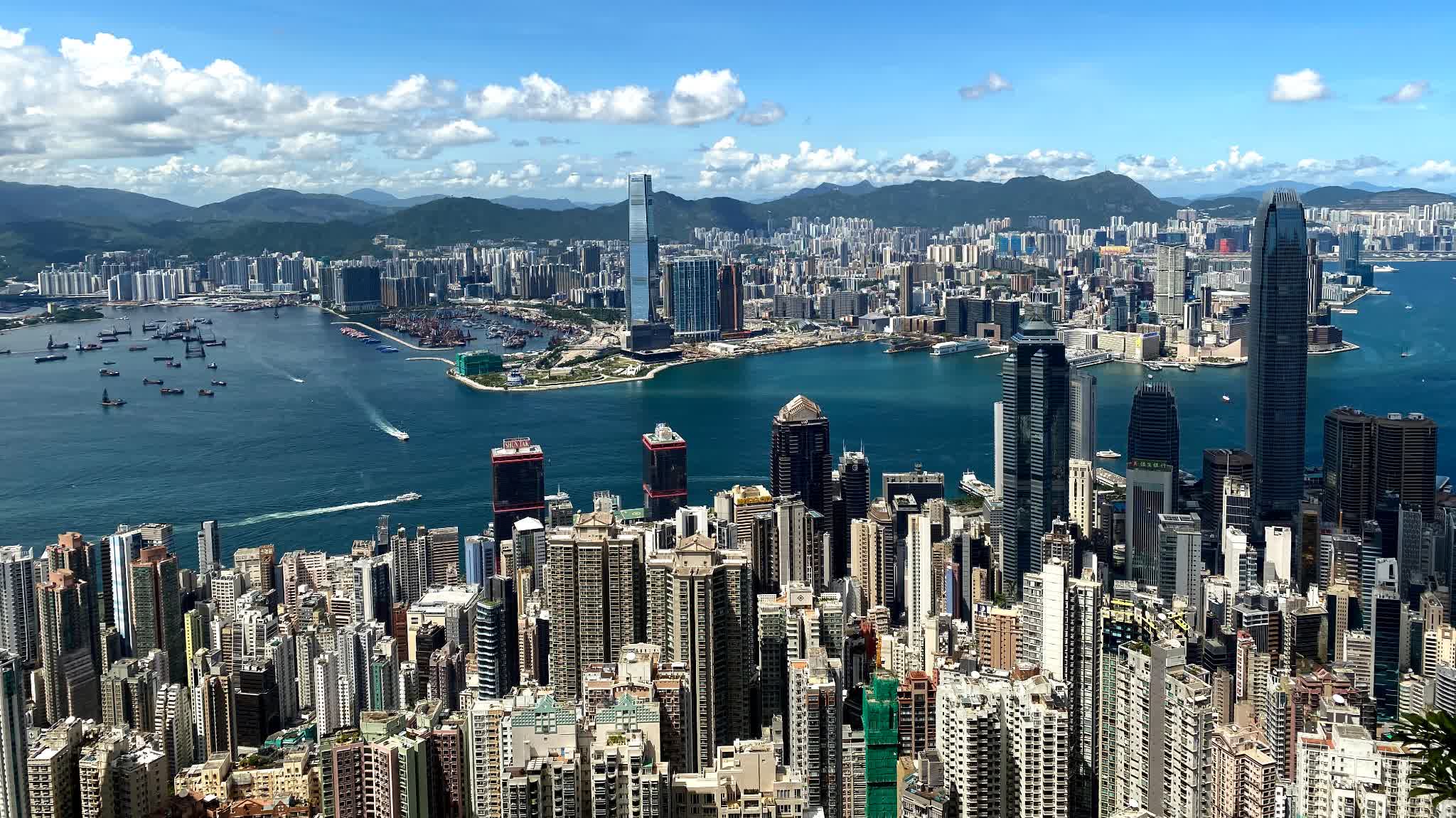
The Fraser Institute of Canada released its Economic Freedom of the World 2026 Annual Report on 6 October 2026. Hong Kong has once again been named the world's freest economy among 165 economies, with an overall score of 8.53. Since the Report was first published in 1996, Hong Kong has consistently ranked first—clear evidence that, whatever changes the external environment may bring, the core competitiveness of Hong Kong as a free economy continues to stand the test of time and of international assessment.
Across the five major areas of assessment, Hong Kong's performance is particularly notable: "Freedom to trade internationally" remains first in the world, "Regulation" ranks second globally, and "Sound money" ranks eighth. What deserves even greater attention is that, among the twenty-five component areas, Hong Kong ranks first in the world in six—"Top marginal tax rate," "Freedom to own foreign currency bank accounts," "Tariffs," "Regulatory trade barriers," "Black-market exchange rates," and "Freedom to compete"—while "Controls on the movement of capital and people" (2nd) and "Labour market regulation" (3rd) also place within the global top three. These concrete figures are not abstract political assertions; they are well-founded findings of an international evaluation, reflecting the substance of Hong Kong's free-port status, its simple and low-tax regime, and its open markets.
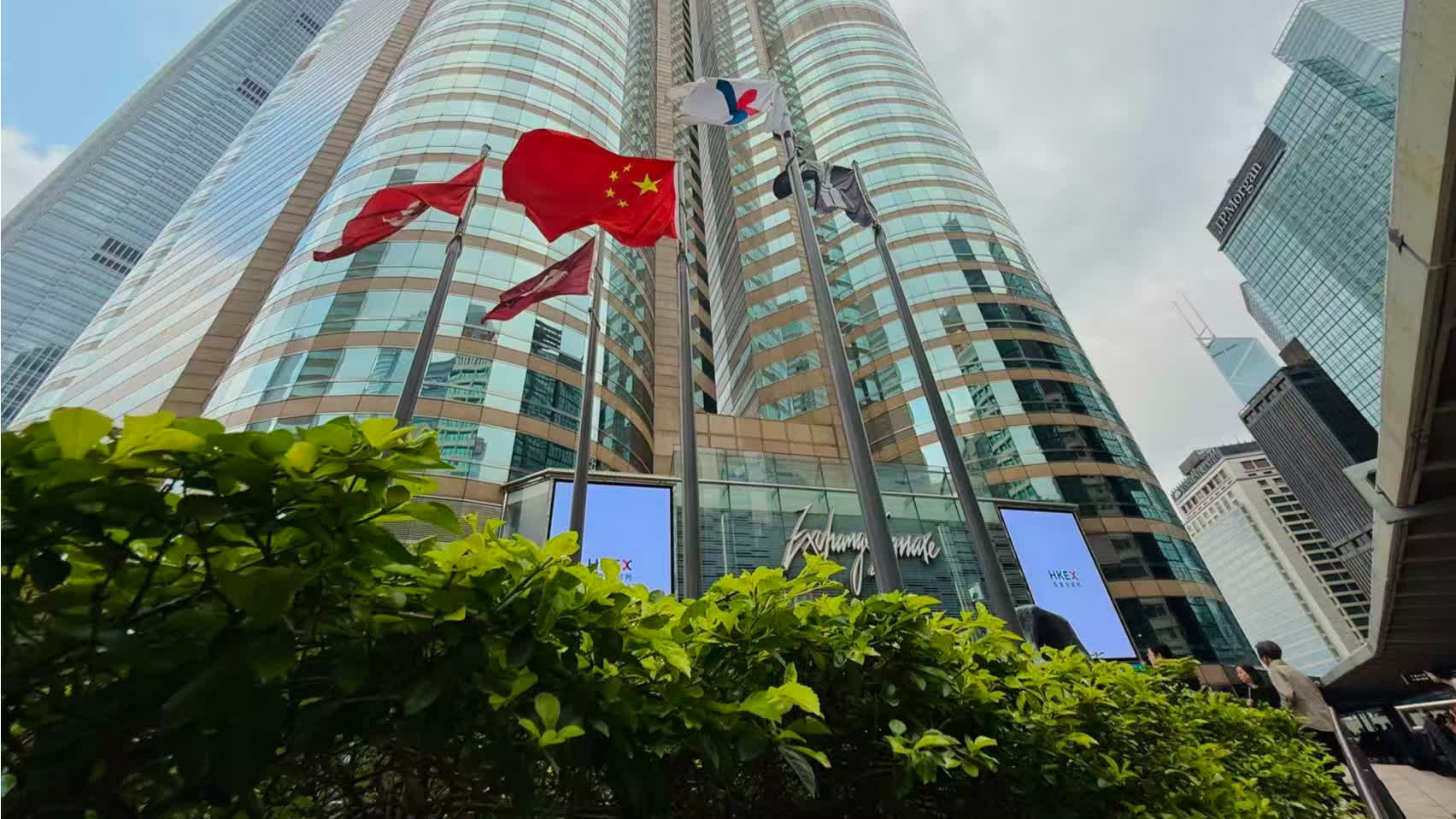
Behind the numbers lies the vote of confidence cast by capital and enterprises through concrete action. According to the Hong Kong SAR Government, more than 11,000 overseas and Mainland parent companies maintained regional headquarters or offices in Hong Kong last year—a record high. The Office for Attracting Strategic Enterprises has so far drawn over 120 key enterprises to set up operations in Hong Kong, many of them global industry leaders with a market capitalisation or valuation exceeding HK$100 billion, expected to bring in approximately HK$73 billion of investment and create some 25,000 jobs in the coming years. In the first eight months of this year alone, Invest Hong Kong assisted around 520 Mainland and overseas companies in establishing or expanding their businesses in Hong Kong, involving over HK$68 billion in direct investment. The continued inflow of foreign capital attests to the strong appeal of Hong Kong's business environment and reflects positive international expectations for the city's development prospects.
Hong Kong's openness is not built on sand; its foundation lies in the unique institutional arrangements under "One Country, Two Systems." The common law system, a transparent and robust regulatory regime aligned with international best practices, and the free flow of capital and information together constitute Hong Kong's irreplaceable institutional strengths. Its top ranking in "Freedom to own foreign currency bank accounts," for example, highlights Hong Kong's position as a leading international financial centre—in the Global Financial Centres Indexpublished by the China (Shenzhen) Comprehensive Development Research Institute and Z/Yen Group, Hong Kong ranks third in the world and first in Asia, with its open and transparent market and world-class regulatory framework providing investors with a safe and stable environment.
That said, the report also warrants careful review. It shows that the ranking in "Sound money" slipped from fourth to eighth, while the rankings in "Size of government" and "Legal system and property rights" also declined. These changes remind us that economic freedom is not a title earned once and kept forever. The SAR Government must continually review its policies and strike a careful balance between social needs and market freedom—as, for example, in addressing population ageing, where the Government has strengthened labour importation mechanisms on the premise of safeguarding local workers' priority in employment, demonstrating a commitment to balancing livelihood protection with competitiveness.
In conclusion, Hong Kong's renewed position as the world's freest economy demonstrates that the SAR Government's policy direction is sound and that its measures have achieved recognised results. Looking ahead, as the only city in the world that combines the advantages of China with those of the international community, Hong Kong should continue to serve as a "super connector" and "super value-adder" between the Mainland and the rest of the world, consolidate its status as a free port and international financial centre, and convert this hard-won international recognition into lasting momentum for high-quality economic development.
The author is the Founding Convenor of the Hong Kong Global Youth Professional Advocacy Action, a specialist in radiology, Master of Public Administration, Master of Public Health of the University of Hong Kong, and an adviser of the Our Hong Kong Foundation.
The views do not necessarily reflect those of DotDotNews.
Read more articles by Kevin Lau:
Opinion | The grand chess game behind a JoyYou card
Opinion | When policy is within reach, people-centered governance becomes real













Comment