






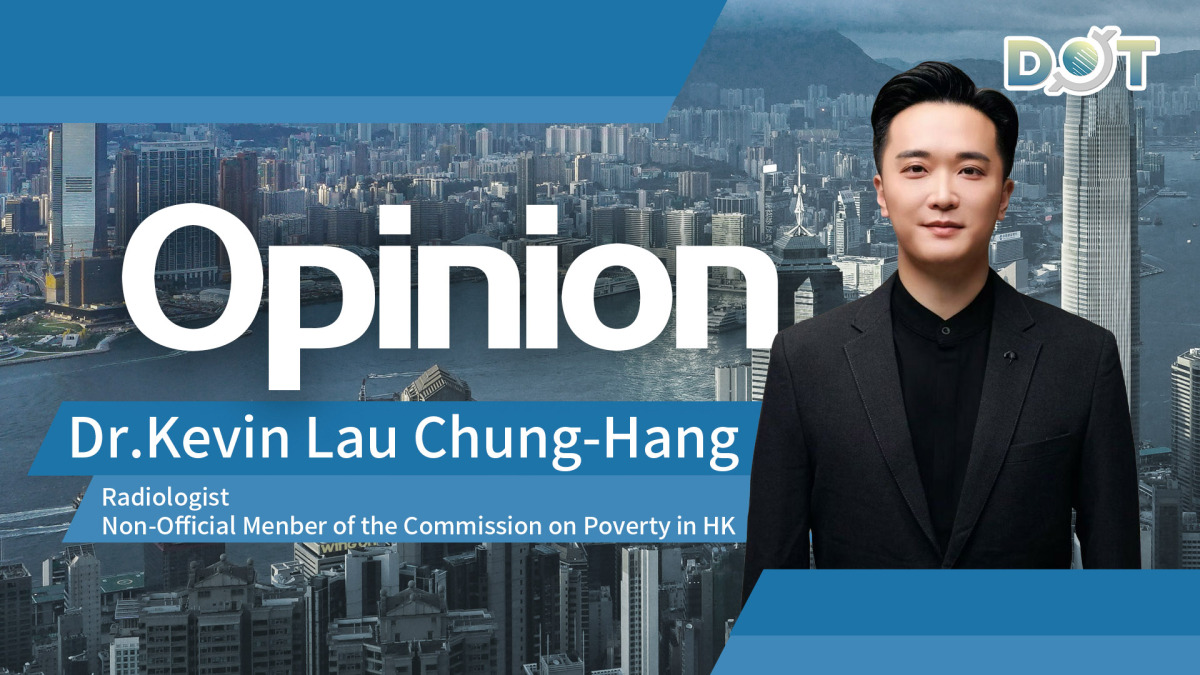
By Dr. Kevin Lau
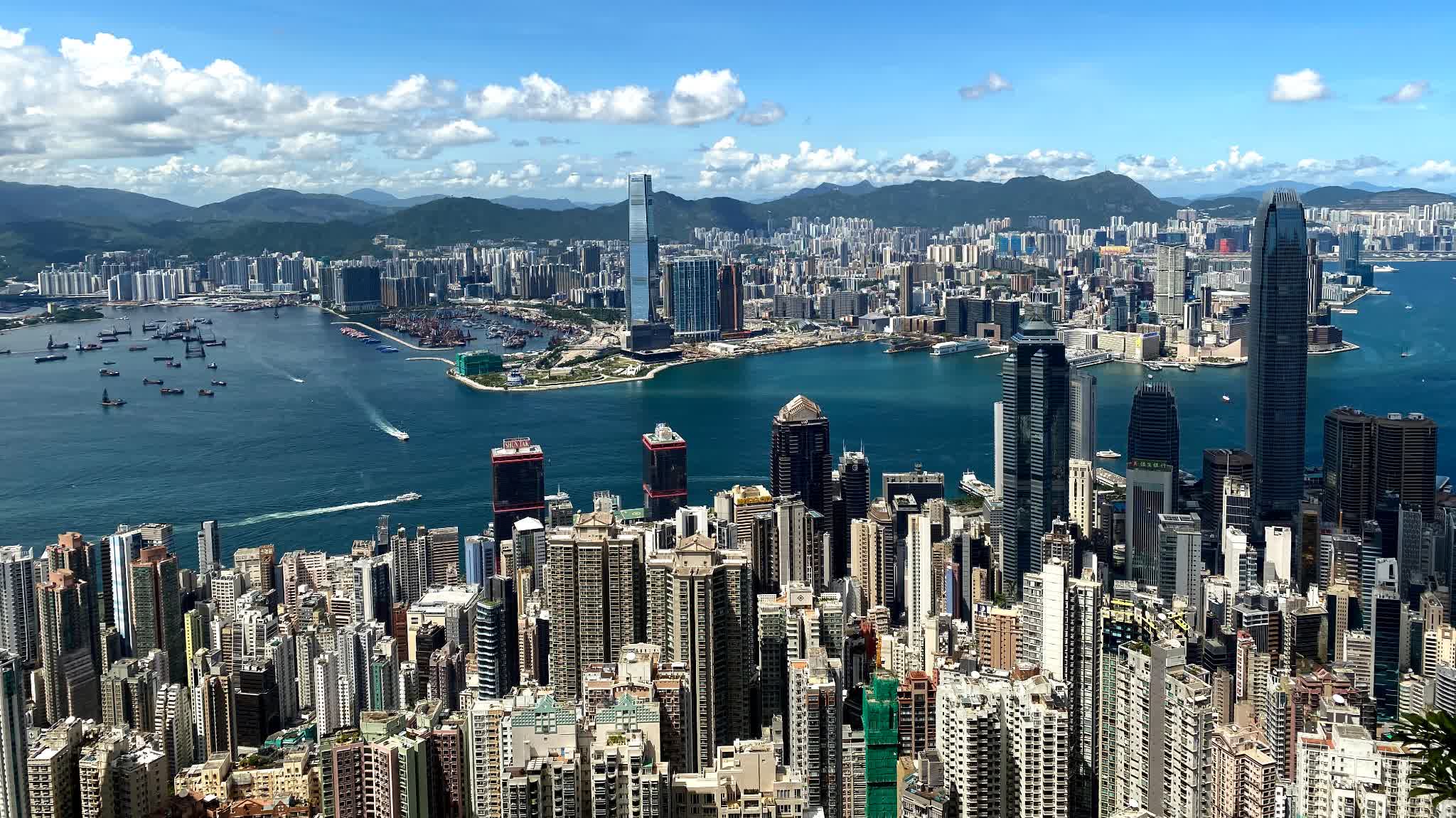
On Oct. 7, as the World's 50 Best Bars 2026 list was unveiled in Milan, Bar Leone in Central, Hong Kong, was crowned the world's best bar for the second consecutive year. Barely three weeks earlier, when the World's 50 Best Hotels list was announced in Paris, Rosewood Hong Kong likewise retained its No. 1 ranking, becoming the only hotel to successfully defend the title since the list was founded. Bars and hotels are two mirrors of the hospitality industry. That both "world's best" titles have fallen to Hong Kong in the same year is no coincidence—it is an objective affirmation by international professional juries of the city's service standards and business environment.
A closer look at the rankings shows that Hong Kong's triumph is collective. Among bars, besides Bar Leone, Argo ranks 25th, while new entries Montana and Gokan rank 36th and 41st respectively—four Hong Kong bars in the global top 50, a tally matched only by Paris and New York, and comfortably the best in Asia. Gokan's founder, Shingo Gokan, also received the Industry Icon Award. Among hotels, The Upper House ranks eighth and The Peninsula Hong Kong 46th; together with Mandarin Oriental Hong Kong at 59th and Four Seasons Hotel Hong Kong at 86th, Hong Kong claims five places among the world's top 100 hotels. Notably, these rankings are voted by an academy of more than 800 industry experts worldwide and independently adjudicated by Deloitte—their credibility is beyond question.
World-class achievements stem from the convergence of world-class talent. Bar Leone was founded in Hong Kong by Italian bartender Lorenzo Antinori and rose to global dominance within three years. The Managing Director of Rosewood Hong Kong has candidly remarked that the accolade "put Hong Kong back on the map after the pandemic." This speaks volumes: Hong Kong's institutional strengths—openness, the blending of East and West, and the rule of law—remain the preferred stage on which international talent and brands can excel. The SAR Government's proactive efforts in recent years to attract businesses and talent and to bring in premier international events—including last year's World's 50 Best Bars awards ceremony, held for the first time in Hong Kong at the Kai Tak Cruise Terminal—are the fruits of positive interaction between policy and market.
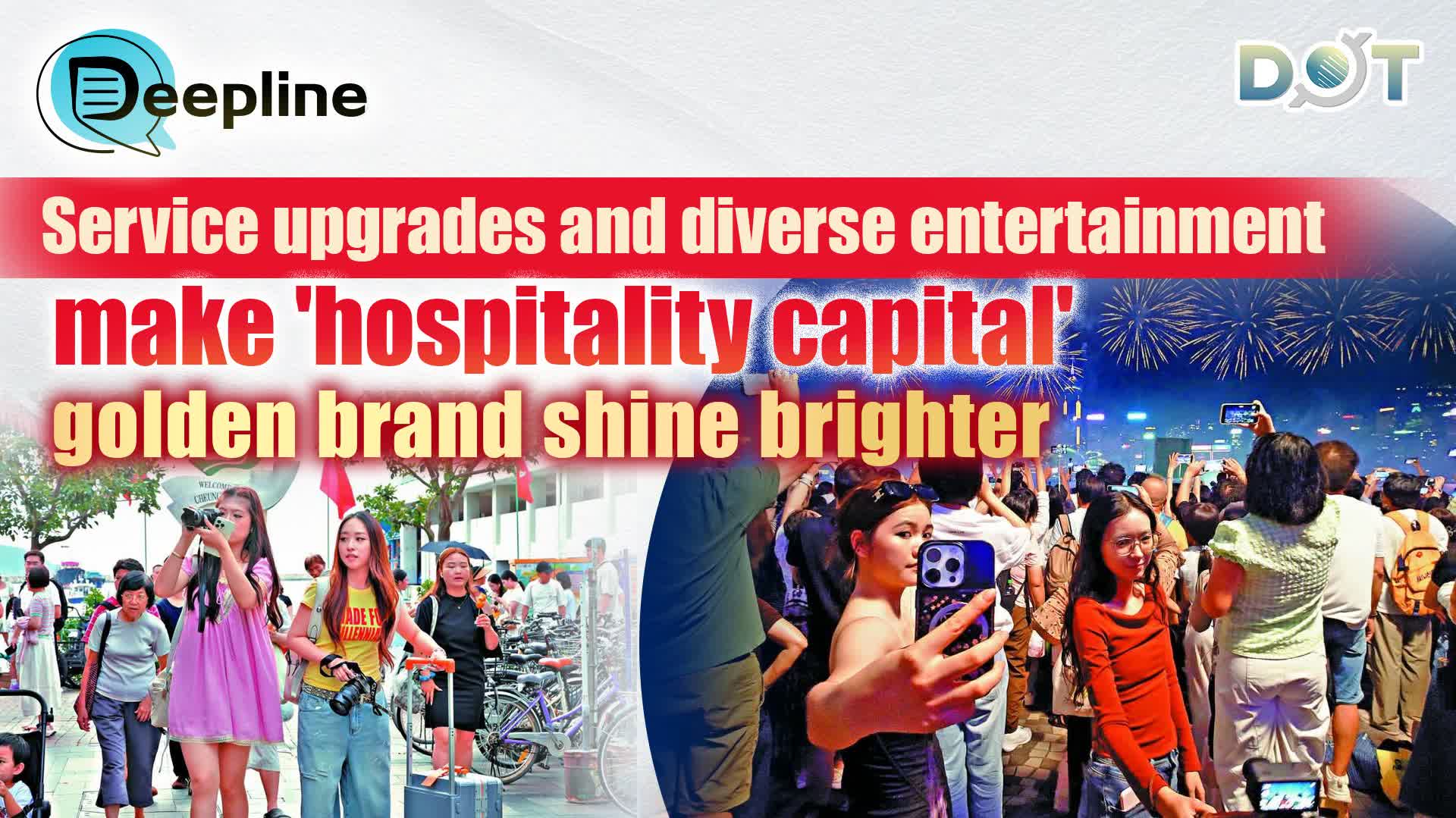
International recognition is translating into tangible economic momentum. According to the Hong Kong Tourism Board, visitor arrivals in the first half of this year reached approximately 26.71 million, up 13 percent year on year, with long-haul markets such as France, Canada and Australia all recording growth of over 20 percent. The Government projects full-year arrivals of 53.8 million, with total expenditure associated with inbound tourism rising to HK$238.1 billion—an increase of 9.5 percent. The Financial Secretary has further noted that arrivals may exceed the original estimate, driving related spending beyond HK$240 billion. World-class brands attract high-spending visitors, who in turn buoy hotels, restaurants and retail, creating investment and jobs—this high value-added industry chain is a vital fulcrum for Hong Kong's economic transformation.
Yet we must remain clear-eyed: hospitality is at its core a people-centric industry, and technology can never replace the human touch. The Global Youth Powerhouse Summit 2026, concluded earlier this month, brought together over 600 young professionals from more than 60 countries and regions, and connected 15 start-ups with venture funds managing US$10 billion. As Founding Convenor of Hong Kong Youth Professional Global Advocacy, I emphasised at the summit that while AI assists technology and healthcare, human care remains irreplaceable. Bar Leone's "Cocktail Popolari" philosophy—unpretentious craftsmanship centred on the guest—is the finest footnote to this truth. To consolidate its "world's best" standing, Hong Kong must continue to nurture and attract young talent with global vision and a genuine understanding of the art of service.
Looking back, Hong Kong has weathered storms; looking ahead, the double "world's No. 1", four top-50 bars and five top-100 hotels together mark a tourism industry that has moved from recovery to leadership. The SAR Government should ride this momentum—making full use of the "Only in Hong Kong" global campaign and deepening its mega-event economy and high-end tourism strategies—while the industry must cherish its reputation and strive for excellence. When world-class talent builds world-class brands, and world-class brands drive a high value-added economy, Hong Kong's golden international nameplate will shine ever brighter, writing a more glorious new chapter on the global tourism map.
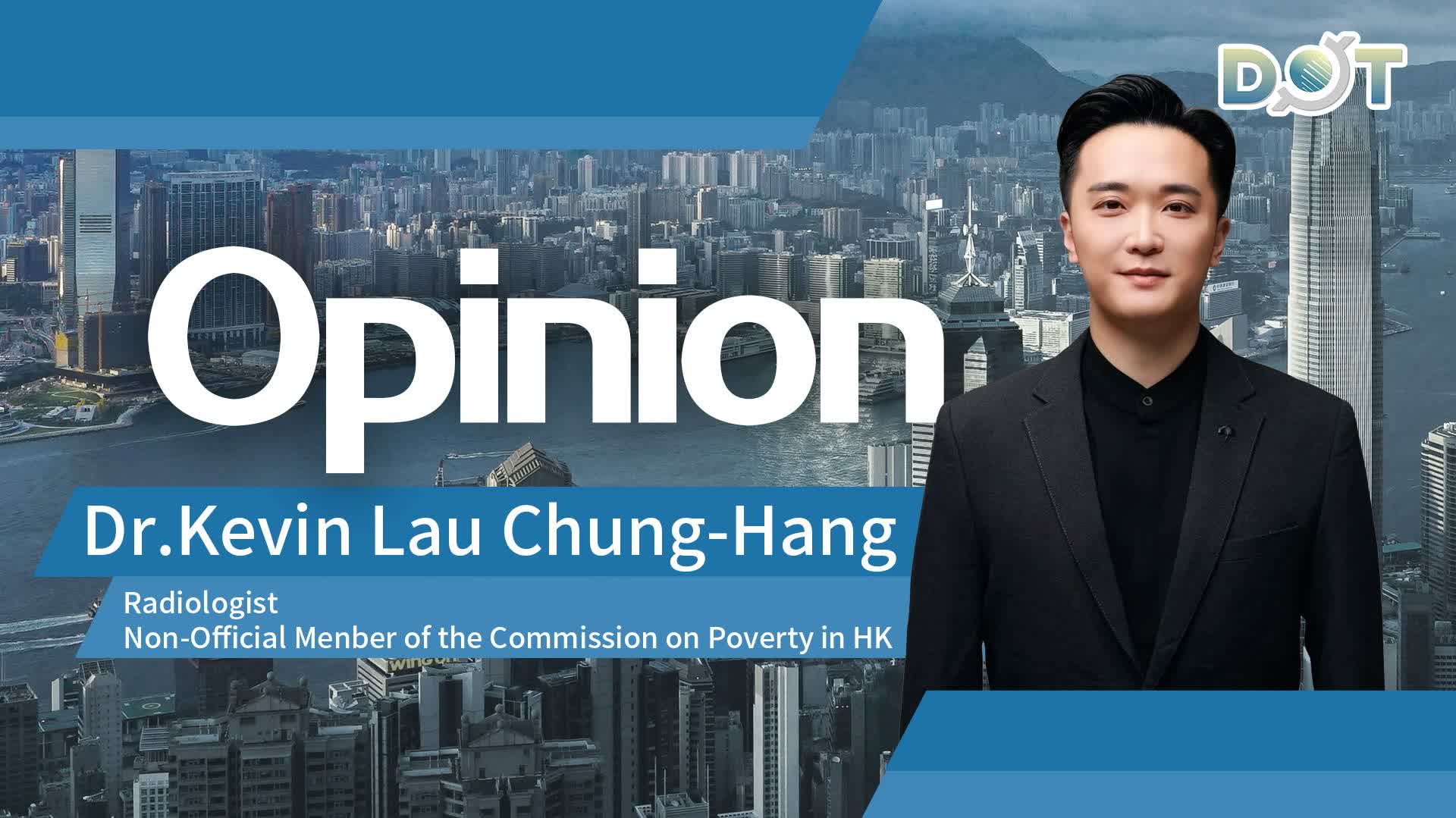
The author is the Founding Convenor of the Hong Kong Global Youth Professional Advocacy Action, a specialist in radiology, Master of Public Administration, Master of Public Health of the University of Hong Kong, and an adviser of the Our Hong Kong Foundation.
The views do not necessarily reflect those of DotDotNews.
Read more articles by Kevin Lau:
Opinion | The grand chess game behind a JoyYou card
Opinion | When policy is within reach, people-centered governance becomes real
Opinion | Building a family-friendly HK: Child welfare at the heart of the five-year plan
















Comment