







By Philip Yeung
Frictions may still bedevil the China-US relationship. But the friendship between President Xi and President Trump may keep them at a safe and manageable level. The American leader went to the airport to personally greet his Chinese counterpart, the first time he has done so in either of his two terms, and the first time in over 60 years that a US president has done so. This friendship may yet pay peace dividends.
Already, President Trump's outstretched hand of friendship is having an impact on his team, softening up the hardened attitude of his Secretary of State, Marco Rubio, a famous China hawk who now declares that the US-China relationship will define the 21stcentury. This is a remarkable U-turn for the top US diplomat notorious for his gut-level anti-China hostility.
Trump is leaving no stone unturned to impress his Chinese visitor, receiving him and Madame Peng with pomp and circumstance, plus a high degree of decorum and deference. Trump has gone to considerable lengths to make the distinguished Chinese couple feel honored and welcome--down to the smallest touching details, including a US military band playing popular Chinese folk tunes.
Trump's exceptional hospitality comes despite the approaching mid-term elections. Uncharacteristically, to his credit, he has the guts to abandon the customary US anti-China habit for reaping opportunistic political benefits. Instead, he is waving an outsized olive branch.
The warmth between the two leaders is real. President Xi, for his part, movingly told the story of friendship between a former US teacher in China and a poor female farmer who used the 5000 dollars donated by the generous teacher to turn a stretch of desert into lush green fields--a selfless act that is bearing fruit in utterly barren land.
Whatever Trump's other diplomatic shortcomings, the fond feelings between the two leaders are dissolving US-China mistrust and hostility. Trump might have wielded his tariff indiscriminately as a weapon, but he has shown more than a modicum of respect for his Chinese counterpart, accompanied by well-considered restraint.
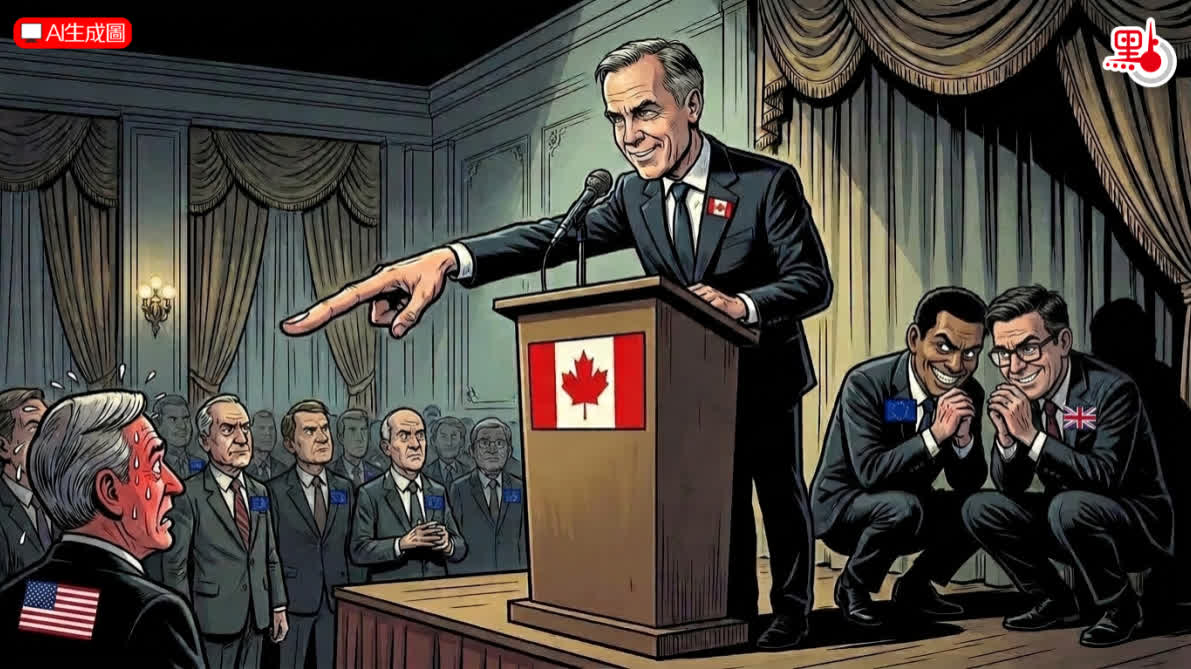
In recent months, Trump has been brutal in his treatment of his northern neighbor, with the Canadian prime minister bearing the brunt of his fury. No Canadian leader has ever been accorded the honor extended to the visiting Chinese President. In the current atmosphere, even the previous US-Canadian amicability is now a virtual impossibility.
Trump has stepped on many diplomatic toes in his second term. Virtually no foreign leader has been spared the rough and fearsome Trump treatment. But he has shown a deep respect for the Chinese leader, a respect no doubt resting on China's economic and military might. To Trump, weakness is inviting. China plays it just right--neither provocative nor submissive, with its response to Trump's tariff provocations measured and proportionate.
Almost all foreign leaders have come as favor-seekers who must kiss Trump's ring, feeling jittery about rubbing him the wrong way. Not so the Chinese leader. Behind that respect lies leverage--as China holds certain aces up its sleeve, including rare earths and Chinese goods that keep the cost of living low in the US.
The Trump-Xi friendship is tellingly good for defusing tensions over Taiwan, as the US president has made known his reluctance to get sucked into the ticklish Taiwan issue, calling it a domestic matter for China to settle. Taiwan separatists can no longer count on US involvement in case of military conflict. The so-called US strategic ambiguity over the island is becoming less ambiguous, leaning more towards non-interference. This dovish attitude is good news for peace over the Taiwan Strait.
All considered, China has got "Trump management" down to an art form. Both sides exhibit respect and restraint in bilateral relations. President Xi's exceptional treatment in Washington is sending a loud signal to Taiwanese separatists not to delude themselves into thinking of US intervention if conflict flares up. This alone is no small achievement of President Xi's current reciprocal visit to America.
The views do not necessarily reflect those of DotDotNews.
Read more articles by Philip Yeung:





























Comment