






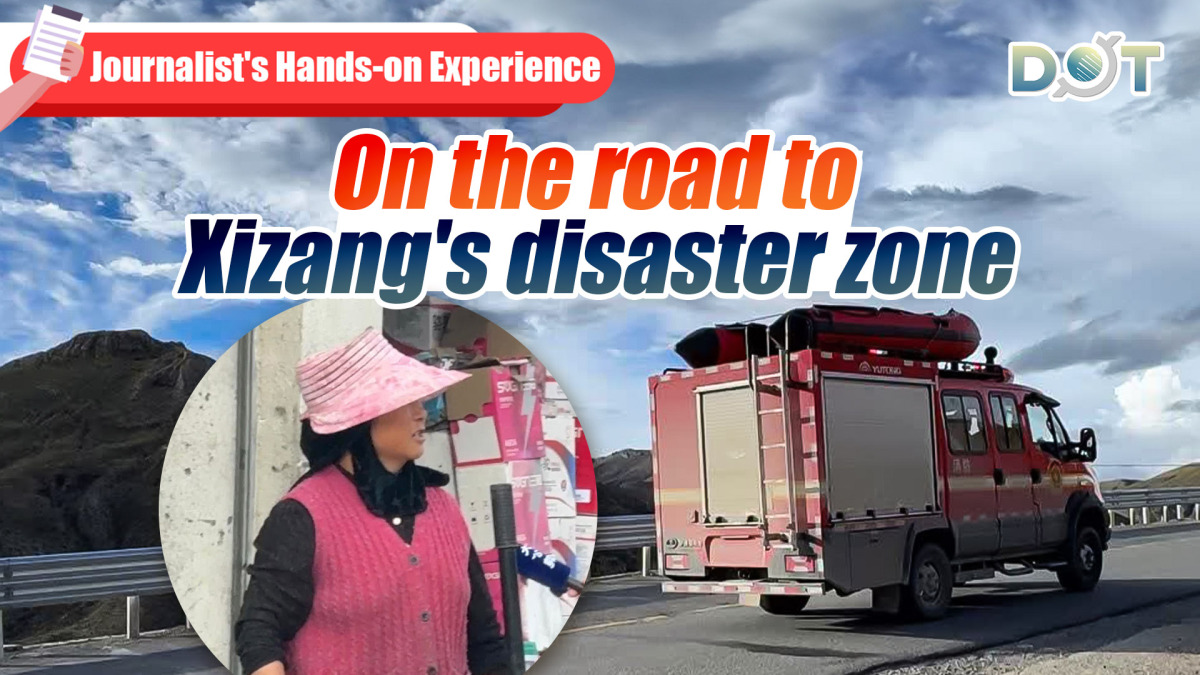
A major breakthrough has been made in rescue and disaster relief efforts after a landslide devastated Gyirong Port in Gyirong County, Xigaze City, in southwest China's Xizang Autonomous Region.
At 10 a.m. on Sept. 2, National Highway 216, the land rescue route connecting Gyirong Town with Gyirong Port, was largely reopened.
As soon as I received the news, I set off from Dingri County that morning, heading toward National Highway 216 in the hope of bringing readers first-hand information from the front line.
Along the way, countless rescue vehicles sped past my car. At a supply station, staff told me that the weather in Gyirong County had been poor in recent days, with rain and fog making it difficult for helicopters to provide support.
The weather improved somewhat today, however, allowing the rescue route to be opened and making rescue operations more efficient.
As I watched the rescue vehicles race past, some local people by the roadside could not contain their excitement and shouted words of encouragement to the rescue workers.
I set off from Dingri County early this morning and once again headed toward Gyirong County. It is the rainy season, and the weather has been poor in recent days, with almost continuous rain and fog lingering across the area. The temperature was only 9 degrees Celsius.
I had to set off early to allow plenty of time for the journey.
According to reports from Xinhua News Agency and China Central Television, National Highway 216, described as a "lifeline" for land-based rescue operations, was largely reopened at 10 a.m. on Sept. 2.
Repair crews had worked continuously for more than 40 hours, overcoming the extreme challenges posed by high mountains, deep valleys and completely destroyed sections of road, before finally clearing the last kilometer.
Heavy trucks, large excavators and mud-clearing machinery have now entered the core disaster zone. At key areas buried under debris, including the port's joint inspection building, they are working alongside rescue personnel to carry out in-depth, grid-based search and rescue operations.
When I saw the news, I could not help but cheer. The reopening of the road finally offered hope that I could reach the front line and bring back first-hand information.
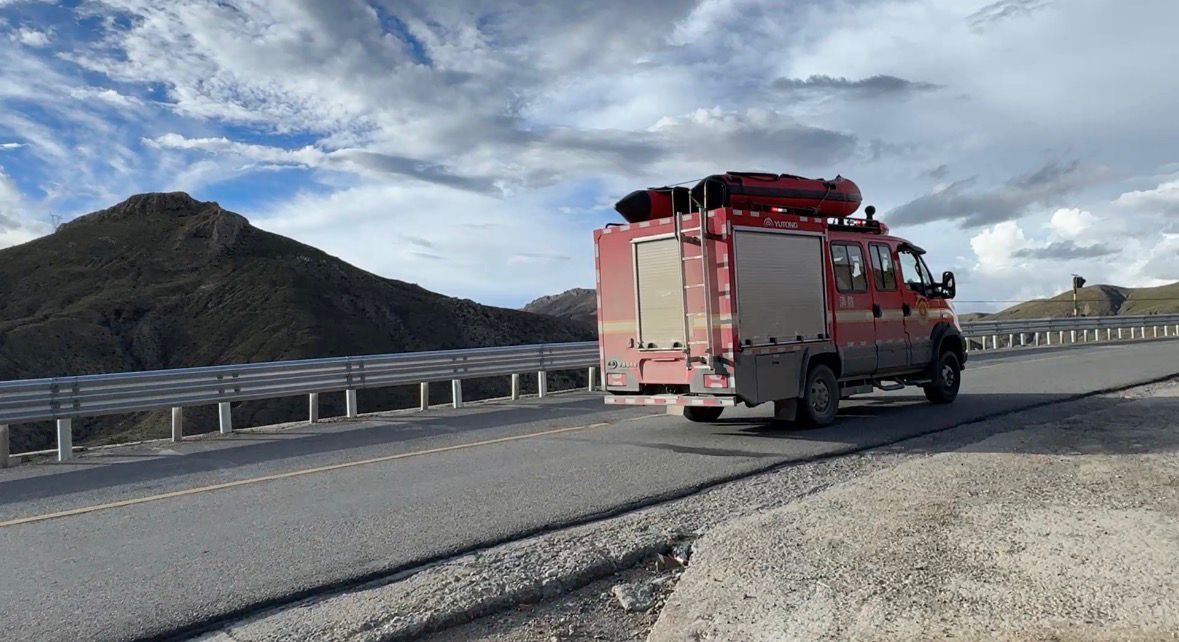
After leaving Dingri County, I turned onto National Highway 318. Along the way, I repeatedly saw rescue vehicles and trucks carrying relief supplies speeding past me.
Their warning lights flashed as they approached, and I pulled over to let the rescue and supply vehicles pass first.
As the taillights of one disaster relief vehicle after another gradually disappeared from view, I continued driving while planning the rest of my journey.
I headed west along National Highway 318, passing through Gangga Town before continuing toward the junction of National Highways 318 and 216.
With the front line getting closer, I was so excited that I almost forgot how sleepy I had been since waking up early that morning.

Along the way, I stopped to rest at a supply station in Luobu Village. An elderly woman was standing by the roadside, watching the traffic.
"The road is open! There are so many rescue vehicles today. I've seen them since early morning. They are heroes who are saving people," she told me.
She said the scale of the landslide was truly horrifying. She watches the news every day, she told me, and felt deeply saddened seeing the anxiety of the families of those who had died and those waiting for their loved ones to return.
"I hope the rescue can move faster, so the families of those who have been separated from their loved ones can return home as soon as possible," she said.
"The weather is much better today, and helicopters can fly again. The rescue operation should become faster. The country is making every effort in disaster relief and is using everything available," a staff member at the rescue station told me.
The staff member said that rain and fog over the previous few days had made it difficult for helicopters transporting supplies to operate.
But with the weather noticeably better today, helicopters were able to resume operations, and the rescue effort was expected to proceed more smoothly.
After saying goodbye to everyone at the station, I continued driving.
The journey was about 260 kilometers in total. Under normal circumstances, it would take around five hours by car.
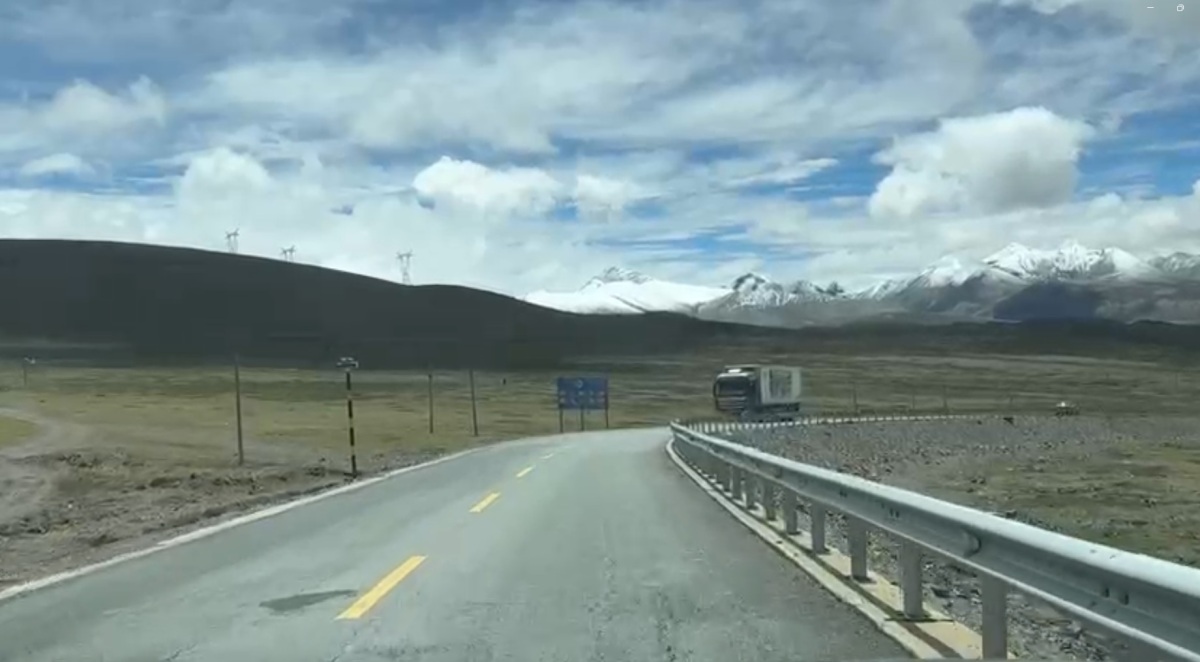
But with light rain continuing and the roads becoming increasingly treacherous, I had to drive slowly as I was not familiar with the local road conditions.
Bare rock mountains stretched along the route, with mountains on one side and cliffs on the other.
As my symptoms of altitude sickness gradually eased, I knew I was getting closer to Gyirong.
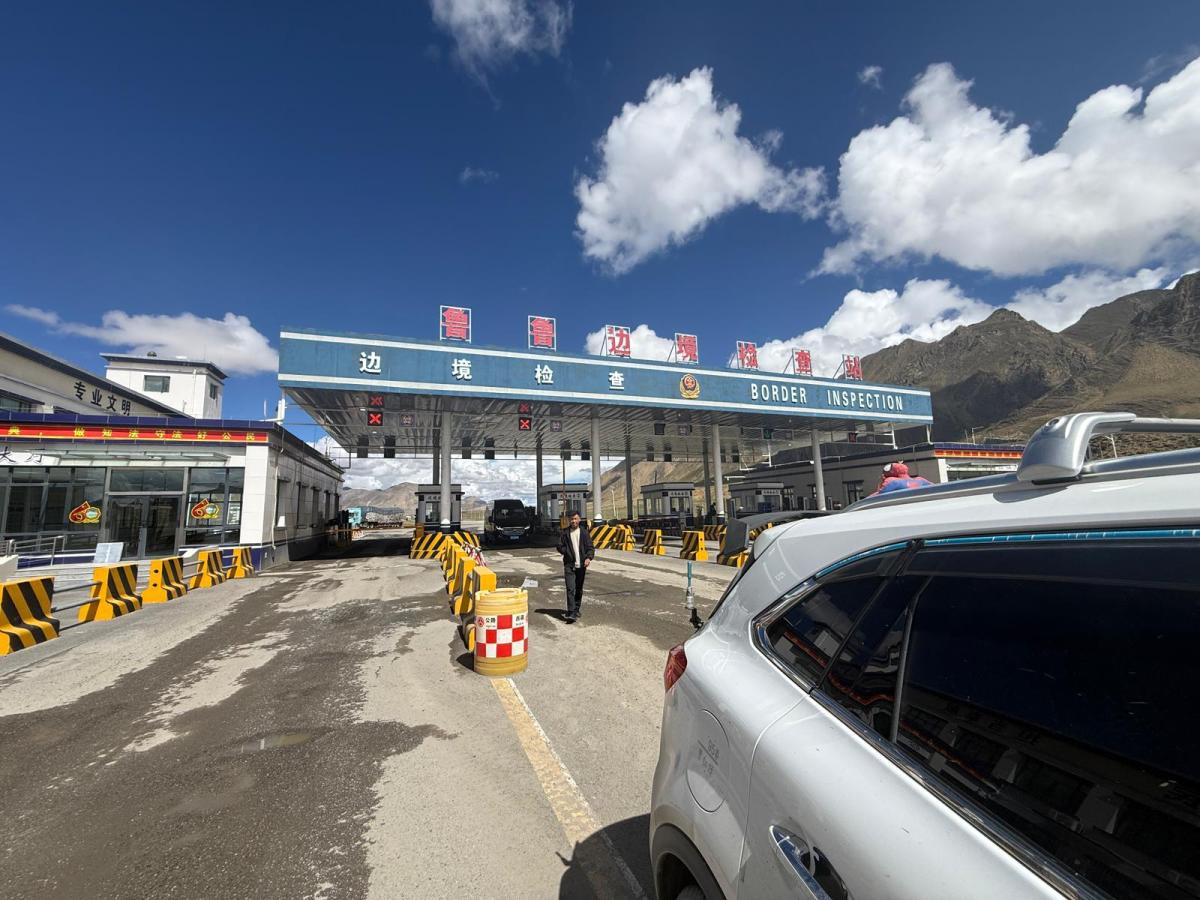
It was not until 5 p.m. that I finally reached the junction with National Highway 216.
Security was tight. Large numbers of personnel were stopping passing vehicles, and my car was also pulled over.
Although the road had been reopened, only vehicles involved in rescue operations were currently allowed to enter.
After seven hours of driving, I could see the first-hand information I had been looking for just ahead. But with the rescue operation taking priority, I had no choice but to turn back once again.
On my way back, a vehicle marked "emergency vehicle repair support team" passed my car in the opposite direction.
I could not enter the disaster zone, but as I watched the vehicle continue toward the front line, I could only say silently to myself:
"Stay strong. Bring everyone home."
(Reporter: Lu Gangchang; English Editor: Zoey SUN)
Related News:
On the ground in Xigaze: Xizang resident says HK's concern brings warmth after deadly mudslides




Comment