






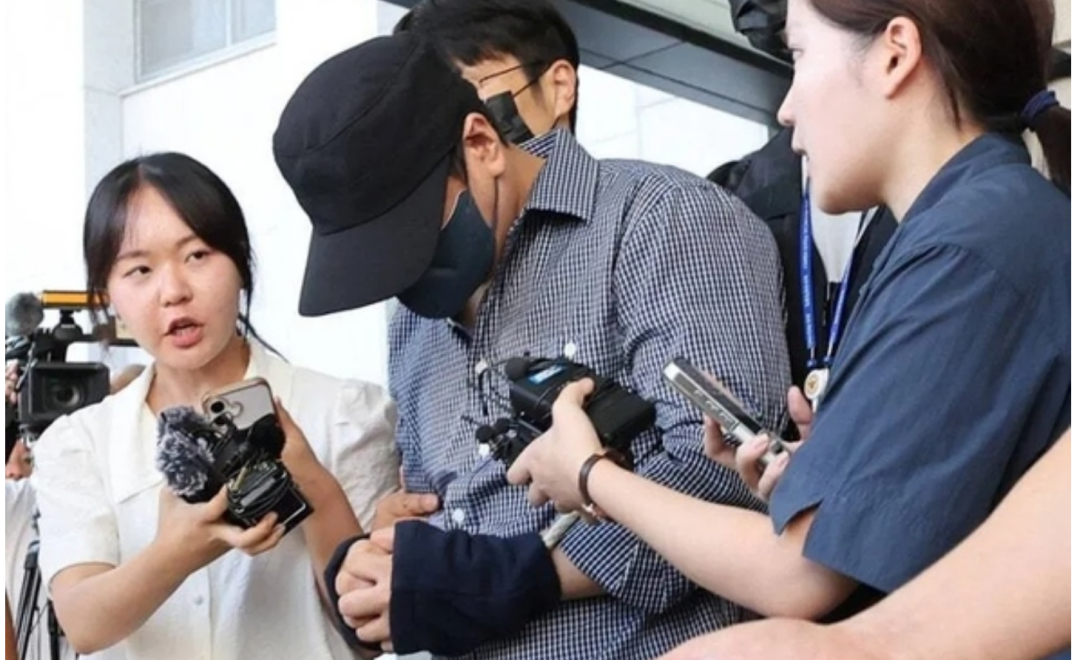
A 34-year-old police officer on South Korea's Jeju Island has admitted to falsely closing missing person cases without verifying the whereabouts or safety of the missing individuals, according to multiple Korean media outlets including Yonhap News and Kyunghyang Shinmun on Sep. 1. The officer also fabricated system records to cover up his actions. Following an expanded investigation, police have identified 25 additional similar cases beyond the two initially exposed. The officer has been referred to prosecutors on charges including dereliction of duty, falsification and use of public electronic records, and obstructing official duties by deceptive means.
The scandal originated from two missing person cases. In May, a 37-year-old woman surnamed Jang went missing. The officer allegedly lied to the reporting party, claiming he had contacted her, and promptly closed the case. To conceal the truth, he registered Jang as "deceased due to a traffic accident" in the system and deleted relevant records. In July, after a man in his 60s went missing, the same officer again falsely claimed to have contacted him and closed the case citing "location confirmed." The police later resumed searches, and the two missing individuals were found dead on Aug. 22 and 24 respectively.
Police cross-referenced call records from personal and work mobile phones as well as office landlines, and reviewed the emergency reporting system and missing persons database, confirming that the officer had never spoken to either of the two missing individuals. Police said the officer initially denied the allegations but confessed to falsifying closures after evidence was presented. A review of 298 cases handled by the officer from March 2025 to July this year uncovered 25 problematic cases. Among them, 10 were closed without confirming the missing persons' whereabouts, and the remaining 15 were improperly logged with codes such as "deceased," with related records deleted from the system. All 25 missing individuals have since been confirmed safe.
The officer argued in his defence that he had assumed the missing individuals were "ordinary adults" and thus acted negligently. He claimed that if cases were not closed, he would have been required to continue follow-up work and would face additional workload during handovers. Psychological analysts involved in the investigation suggested that accumulated workload and fatigue from increasing responsibilities were key factors behind the officer's actions, while an attitude of evading issues and lacking accountability enabled the misconduct.
The National Police Agency announced on Aug. 26 that it would re-examine approximately 310,000 closed missing person cases from the past three years to confirm the safety of the individuals involved and ensure that investigation and closure procedures complied with regulations.
The scandal comes as South Korea pushes forward with criminal justice reforms. President Lee Jae-myung earlier warned that police could become the "most powerful" organisation within state agencies, and stressed that greater power must come with greater responsibility. He emphasized that accountability should not be limited to front-line officers and that the command structure should also bear responsibility, ordering the Prime Minister's Office to study the establishment of a police reform body. On Sep. 1, Lee further stated that a few bad apples had tarnished the reputation of the majority of hardworking officers, while acknowledging that understaffing and excessive workloads are real issues.
Police data showed that from 2022 to 2025, more than 70,000 adults were reported missing each year in South Korea. Among the 70,591 adult missing cases closed in 2025, approximately 89.4% were resolved within one day and 99% within one month, though 931 cases were ultimately found to have resulted in death.
Related News:
S. Korea police release photos, identity of suspect in killing of Chinese female student




Comment