






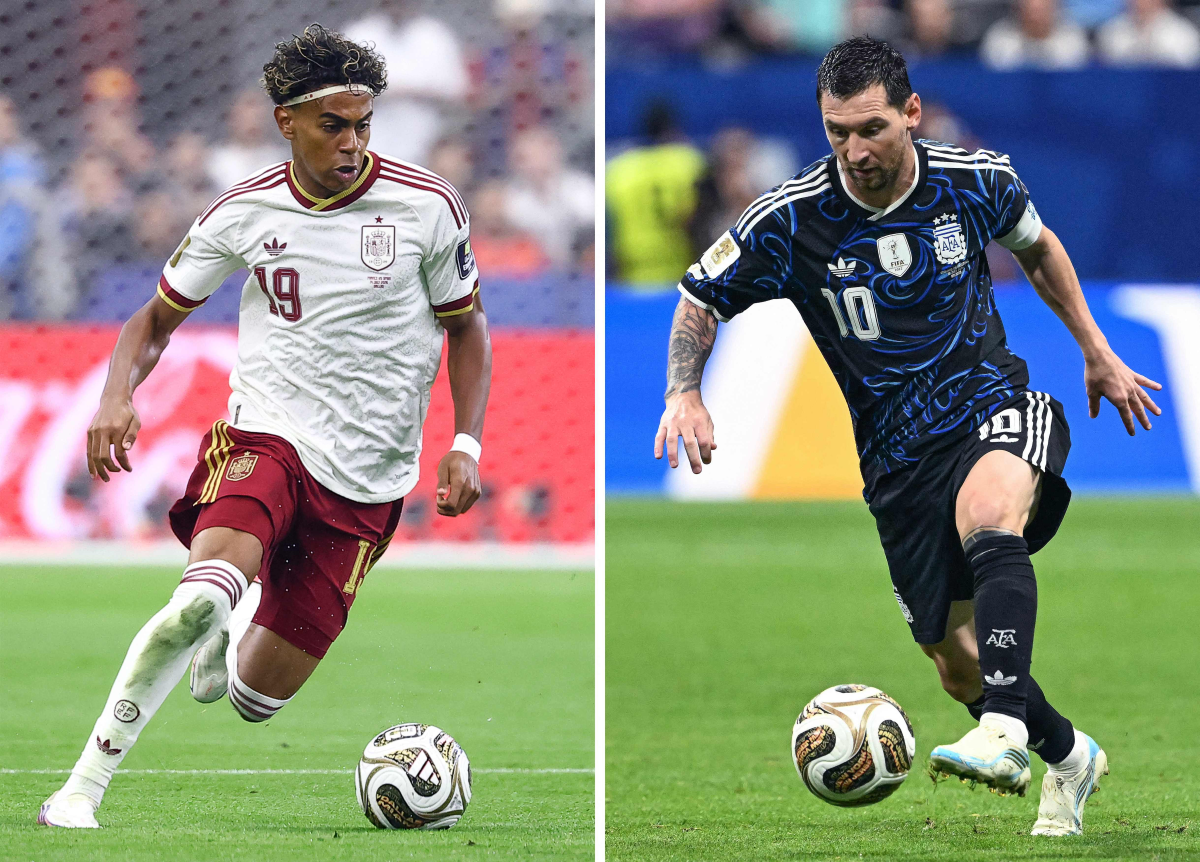
After a month of fierce competition, the 2026 FIFA World Cup reaches its climax as Spain and defending champions Argentina prepare to battle for football's biggest prize.
Spain will face Argentina at 3 a.m. on July 20 (local time) at MetLife Stadium in New Jersey, US, with the coveted FIFA World Cup Trophy at stake. Spain is seeking its first world title since 2010, while Argentina is aiming to become the first nation since Brazil in 1962 to successfully defend the World Cup.
Beyond a clash between European and South American football philosophies, the final has also been described as a symbolic passing of the torch between generations. Seventeen-year-old sensation Lamine Yamal will make his first World Cup final appearance against Lionel Messi, 39, who is chasing what could be the final World Cup title of his career.
Spain's evolving possession game powered by fearless youth
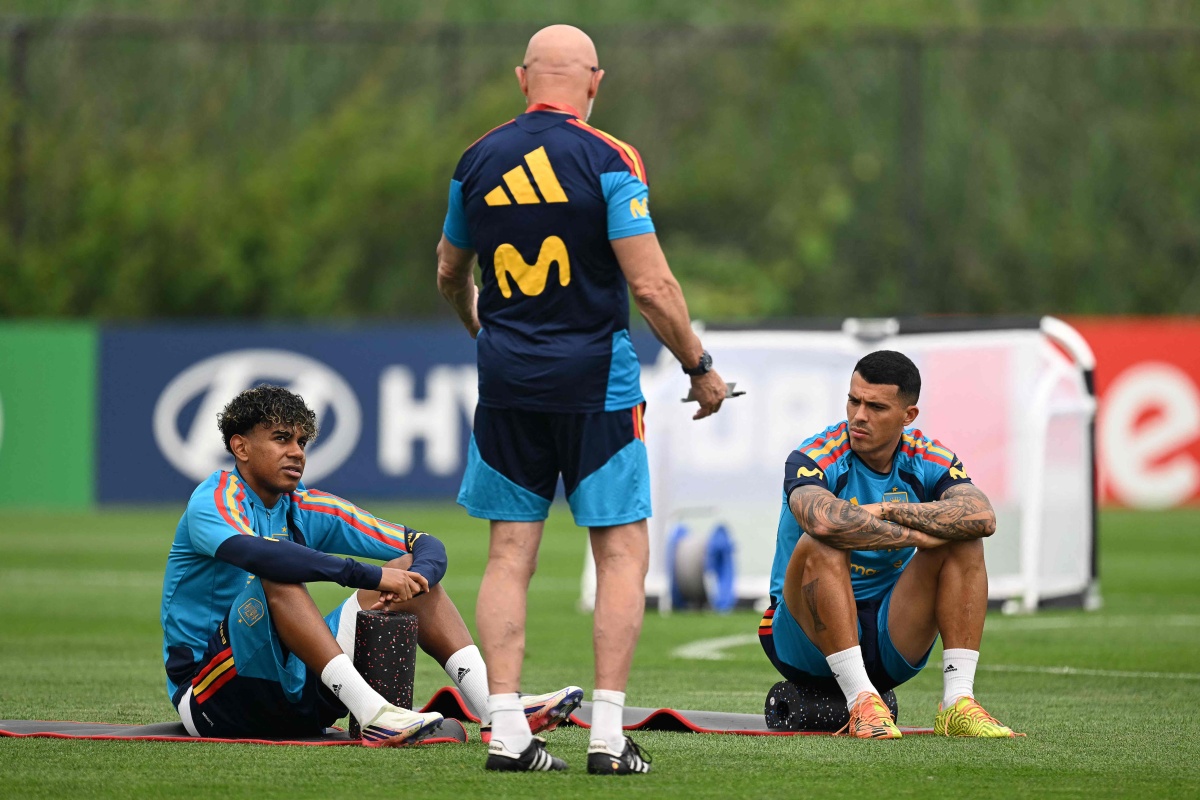
Compared with their round-of-16 exit four years ago, Spain has returned with a more mature and attack-minded style under head coach Luis de la Fuente. While maintaining the team's traditional possession-based philosophy, De la Fuente has significantly increased the pace of Spain's forward play, making La Roja a far more dangerous attacking side.
Spain booked its place in the final by defeating France in the semifinals, with rapid transitions led by young stars including Lamine Yamal, Nico Williams and Pedri.
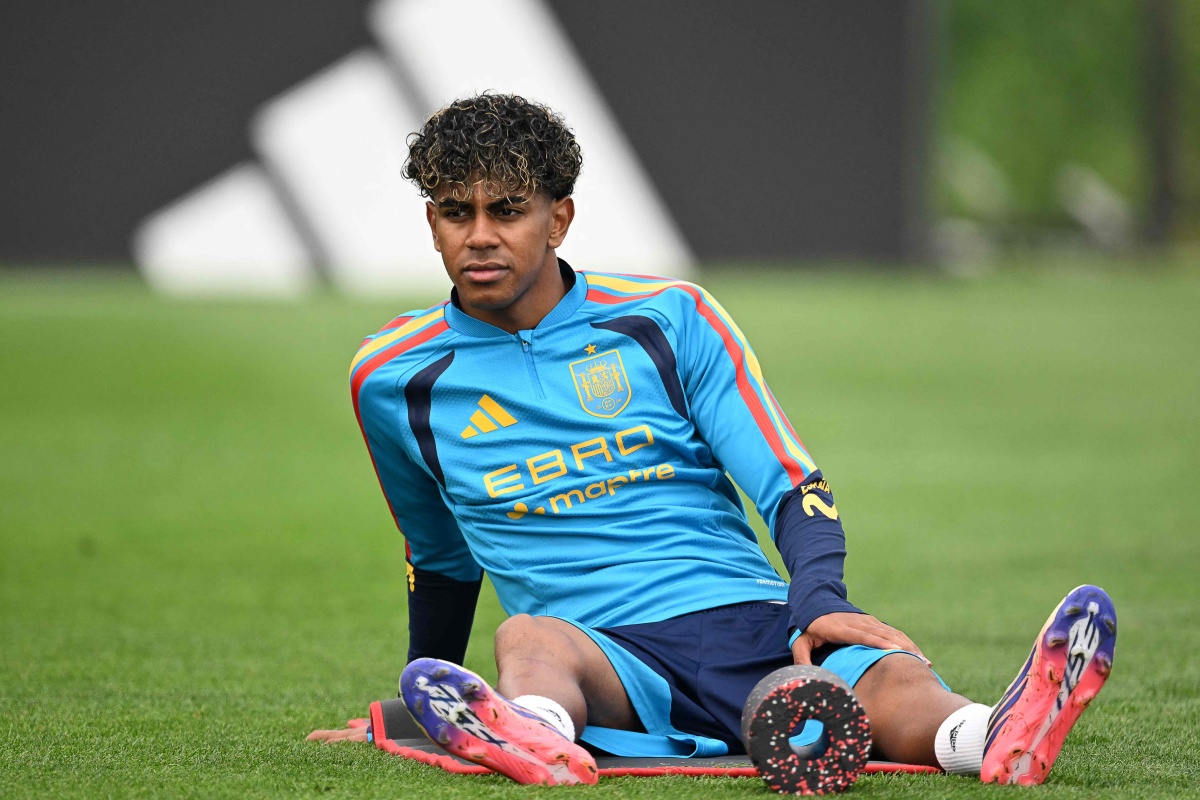
At just 17, Yamal has emerged as one of the tournament's brightest stars, displaying remarkable maturity through his dribbling, creativity and decisive passing. On the left flank, Nico Williams has consistently stretched opposing defences with his pace and explosive acceleration.
In midfield, Pedri and Fabian Ruiz dictate the tempo, while Rodri remains the team's key figure in linking defence and attack. Spain's greatest strength lies in its collective approach. Rather than relying on a single star, the team breaks opponents down through sustained possession and relentless high pressing.
Messi leads defending champions to the brink of history
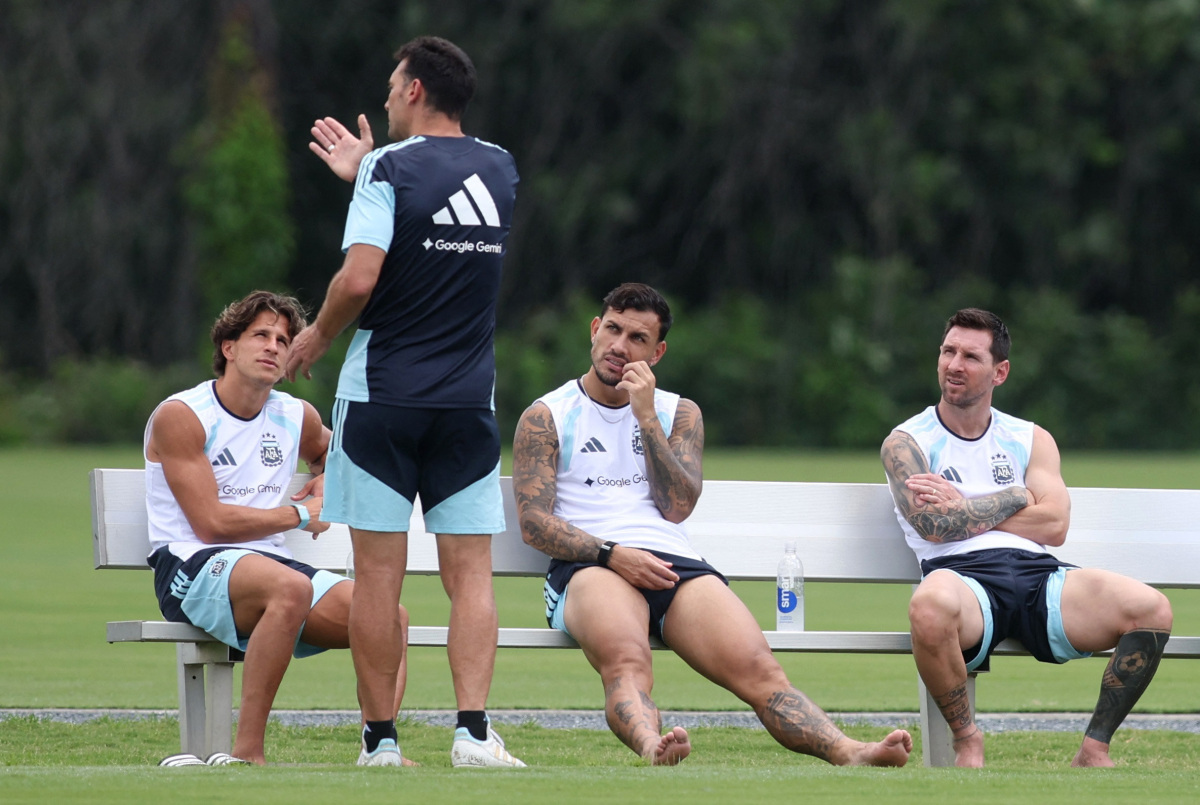
Argentina has once again demonstrated the resilience of a champion.
Coached by Lionel Scaloni, La Albiceleste has overcome a series of difficult knockout matches, including a dramatic semifinal comeback against England after scoring twice late in the match to reach a second consecutive World Cup final.
Argentina has scored 18 goals so far, the highest total in the tournament, with half of them coming after the 75th minute, highlighting the team's ability to adapt under pressure and its strong mentality.
At 39, Messi remains the tactical focal point of the team. Although no longer possessing the pace of his prime, he continues to dictate matches through his vision, intelligent movement, playmaking and decisive passing.
Julian Alvarez, Lautaro Martinez, Rodrigo De Paul, Enzo Fernandez and Alexis Mac Allister have formed a well-established attacking system around Messi. Argentina's greatest weapon is not simply individual brilliance, but the chemistry built over years of playing together and the champion's mentality that has repeatedly emerged in decisive moments.
Midfield battle expected to decide the final
Tactically, the final presents a direct confrontation between two distinct football philosophies.
Spain is expected to dominate possession and dictate the tempo, using the pace of Yamal and Nico Williams on the wings to stretch Argentina's defence before creating chances through Pedri and Fabian Ruiz.
Argentina, meanwhile, is likely to embrace quick transitions. Messi is expected to drop deeper to receive possession and exploit space behind Spain's high defensive line before releasing Alvarez or Lautaro Martinez into scoring positions.
Control of midfield could ultimately determine the outcome. If Rodri can successfully limit Messi's influence, Spain may be able to dominate possession for extended periods. However, if De Paul and Enzo Fernandez can establish control through aggressive pressing, Messi is likely to find more opportunities to create chances in dangerous areas.
Spain's youthful squad enjoys an advantage in energy and physical intensity but lacks experience on football's biggest stage. Argentina, by contrast, carries the psychological advantage of reaching back-to-back World Cup finals, with the composure and confidence that often define championship teams.
Evenly matched final with Argentina holding a slight edge
Both teams possess the quality and form to lift the trophy. Spain represents the new generation of world football, combining pace, possession and collective teamwork.
Argentina, meanwhile, brings unmatched tournament experience and continues to rely on Messi's ability to decide matches at the highest level.
Spain is expected to enjoy more possession, but Argentina may hold the advantage in counterattacking efficiency and in-game adaptability.
World Cup finals are often decided as much by mentality and the ability to seize key moments as by technical quality. Should the match remain deadlocked, Argentina's experience in major finals and Messi's creativity could prove decisive.
(Reporter: Lin Yitong; English Editor: Zoey)
Related News:
England beat France 6-4 to secure best World Cup finish since 1966
World Cup | Winning team to receive first-ever 'championship rings'




Comment