






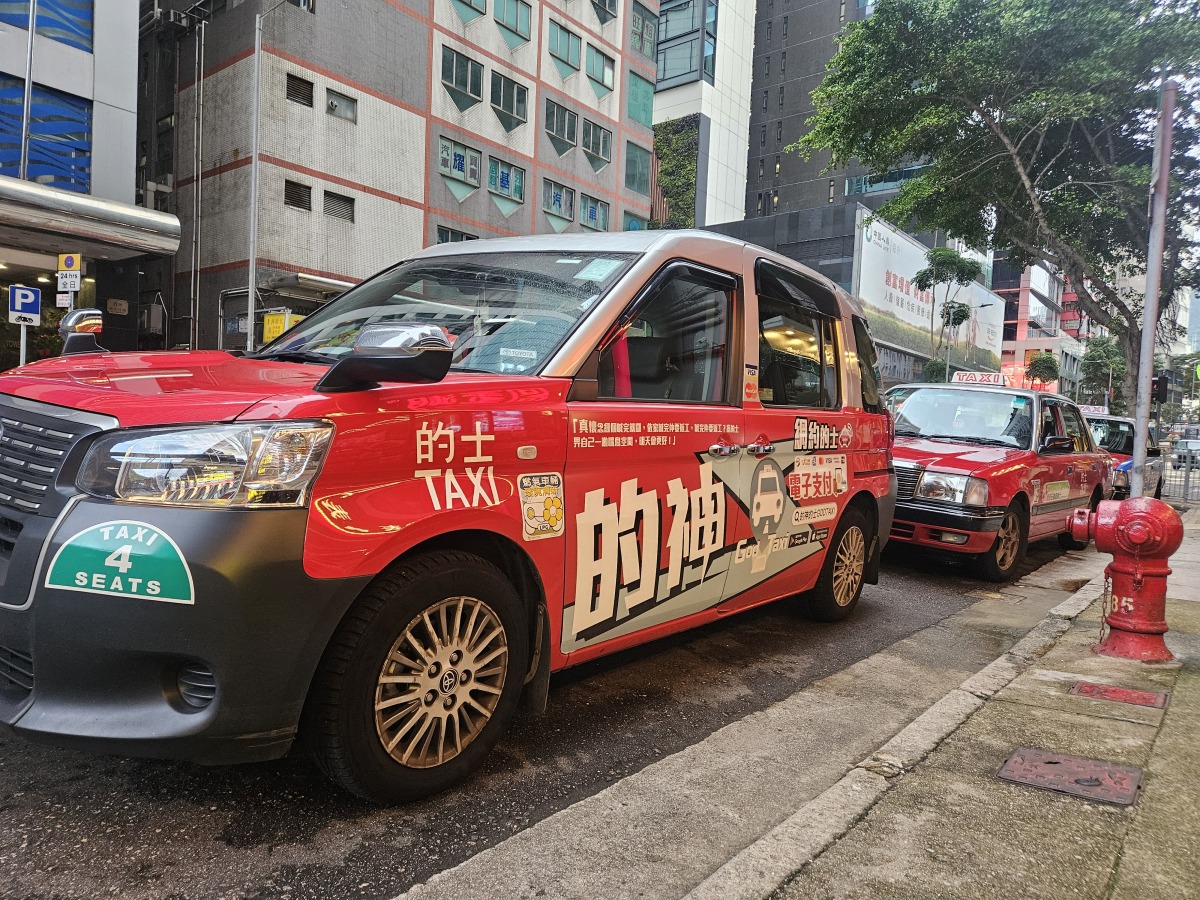
The Legislative Council continued its debate on the regulation of ride-hailing services on July 16, with multiple lawmakers expressing concern that the proposed cap of 10,000 vehicle licenses would be insufficient to meet peak-hour demand. They urged the government to establish a scientific dynamic adjustment mechanism with a clear review timetable and proposed introducing temporary replacement permits to address the "vehicle-driver binding" restriction in the event of vehicle breakdowns.
Sunny Tan said that 10,000 ride-hailing licenses fall short of public demand. Even if all licensed vehicles were in operation, drivers would need to work at least six hours per day to meet demand. He called on the authorities to promptly calculate transport capacity needs after the first batch of licenses is issued, flexibly adjusting the number of licenses to ensure passengers have access to vehicles when needed.
Jonathan Lamport argued that the 10,000-license cap would fail to meet peak-hour ride-hailing demand and could even drive up fares. He noted that the government has not yet outlined the review timeline for the dynamic assessment mechanism or specified the data it would reference. He urged the authorities to introduce science-based monitoring benchmarks as review criteria. He also pointed out that the vehicle-driver binding clause means that in the event of a breakdown, the driver would be unable to use a replacement vehicle, and suggested introducing a temporary substitute permit mechanism.
The debate continues as the government prepares for the implementation of the regulatory framework, with transport authorities having indicated that the cap is not set in stone and will be subject to ongoing assessment based on operational data.
Related News:
AlipayHK integrates Grab ride-hailing service across 8 Southeast Asian countries




Comment