






Currently, China's astronauts are divided into three categories: spacecraft pilots, flight engineers, and payload specialists. What are their respective characteristics?
Spacecraft pilots: The core role for spacecraft maneuvering and control
Among the three categories, spacecraft pilots are the ones we know best. They typically serve as the core role for spacecraft maneuvering and control. Their in-orbit responsibilities cover multiple dimensions, including flight control, system maintenance, emergency support, and crew coordination. In previous missions, spacecraft pilots usually also served as mission commanders, providing a key force for ensuring safe and successful mission implementation.
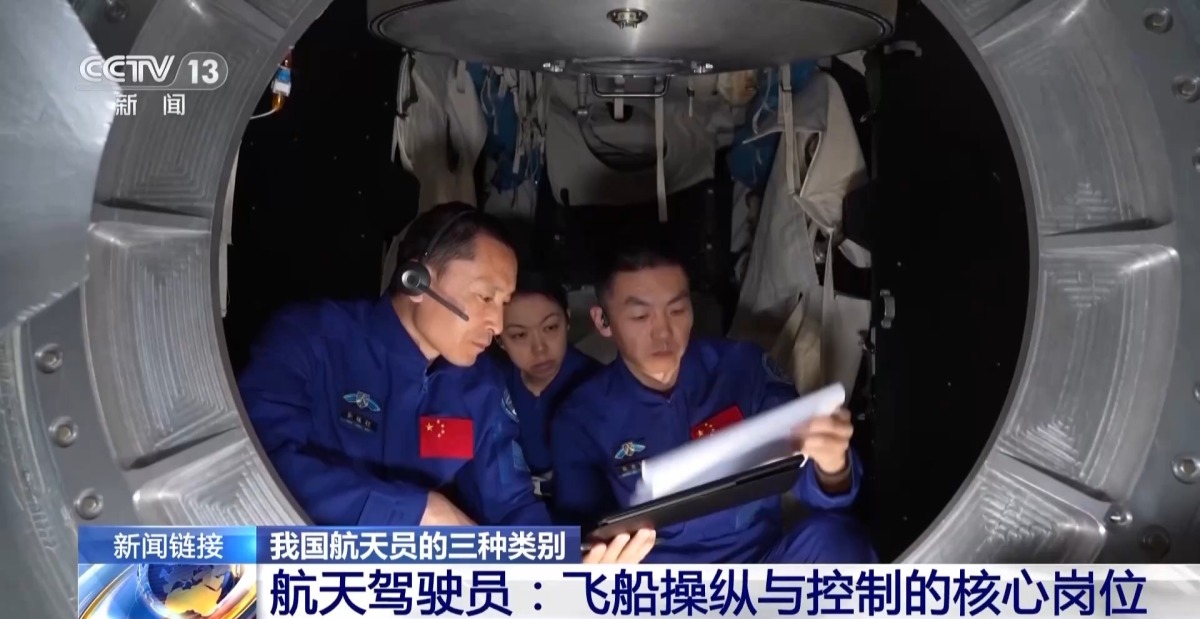
The selection criteria for spacecraft pilots are extremely strict. They are primarily selected from active-duty pilots, requiring exceptional physical fitness, psychological resilience, flight experience, and emergency response capabilities. Previously, multiple spacecraft pilots including Yang Liwei, Fei Junlong, and Nie Haisheng have participated in flight missions.
Payload specialists: Responsible for payload operations and management aboard the space station
Payload specialists are primarily responsible for the operation, management, maintenance, and repair of payloads aboard the space station, as well as conducting over 100 space science experiments and tests across fields such as space microgravity physics, space medicine, space life sciences, and new space technologies and applications. Their duties also include collecting, organizing, and analyzing experimental data and results.
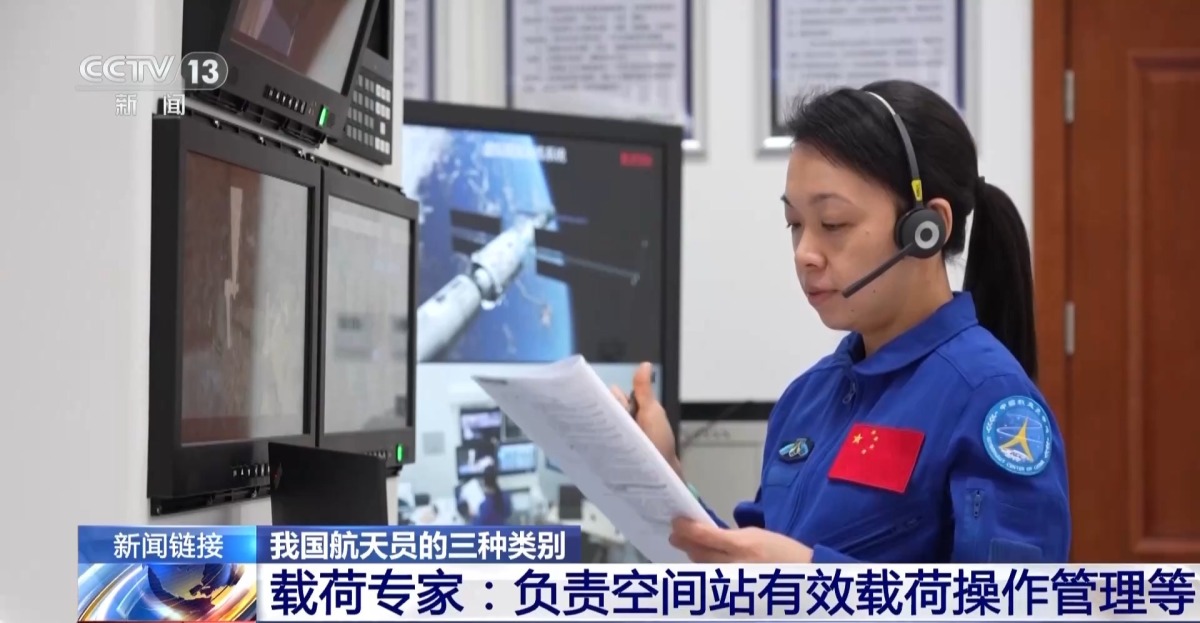
They possess highly specialized technical expertise. As astronauts, their selection and training processes impose very demanding physical requirements. Previously, two individuals, Gui Haichao and Zhang Hongzhang, have participated in flight missions as payload specialists. In the current Shenzhou-23 mission, the crew also includes, for the first time, a payload specialist from Hong Kong, fully demonstrating the nation's support and emphasis on the technological development of Hong Kong and Macao.
Flight engineers: Responsible for spacecraft operation and management
The primary tasks of flight engineers involve directly operating and managing spacecraft, as well as conducting related technical experiments. These tasks include maneuvering crew spacecraft for docking with the space station, operating robotic arms for extravehicular activities, and performing space station platform maintenance, management, and repair of related equipment and facilities. Currently, flight engineers are selected mainly from engineering and technical personnel with backgrounds in aerospace and related fields.
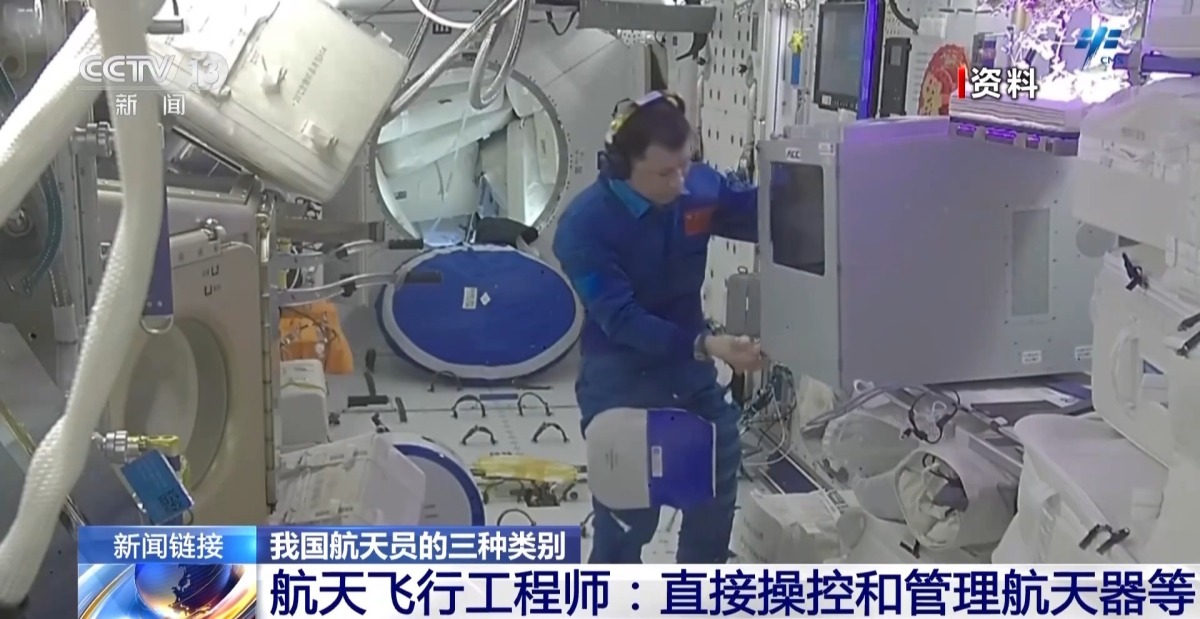
Previously, astronauts Zhu Yangzhu and Wang Haoze were China's first selected flight engineer and first female flight engineer, respectively. Astronauts Wang Jie and Wu Fei have participated in missions as flight engineers on the Shenzhou-20 and Shenzhou-21 crews, respectively.
Although crew members have clearly defined responsibilities, during mission preparation, all three astronauts undergo comprehensive training in spacecraft piloting, platform maintenance, and scientific experiments. This ensures they can serve as backups for each other during operations.
(Source: CCTV News)
Related News:
Photos | Lai Ka-ying and two other astronauts take part in aerospace-related training




Comment