






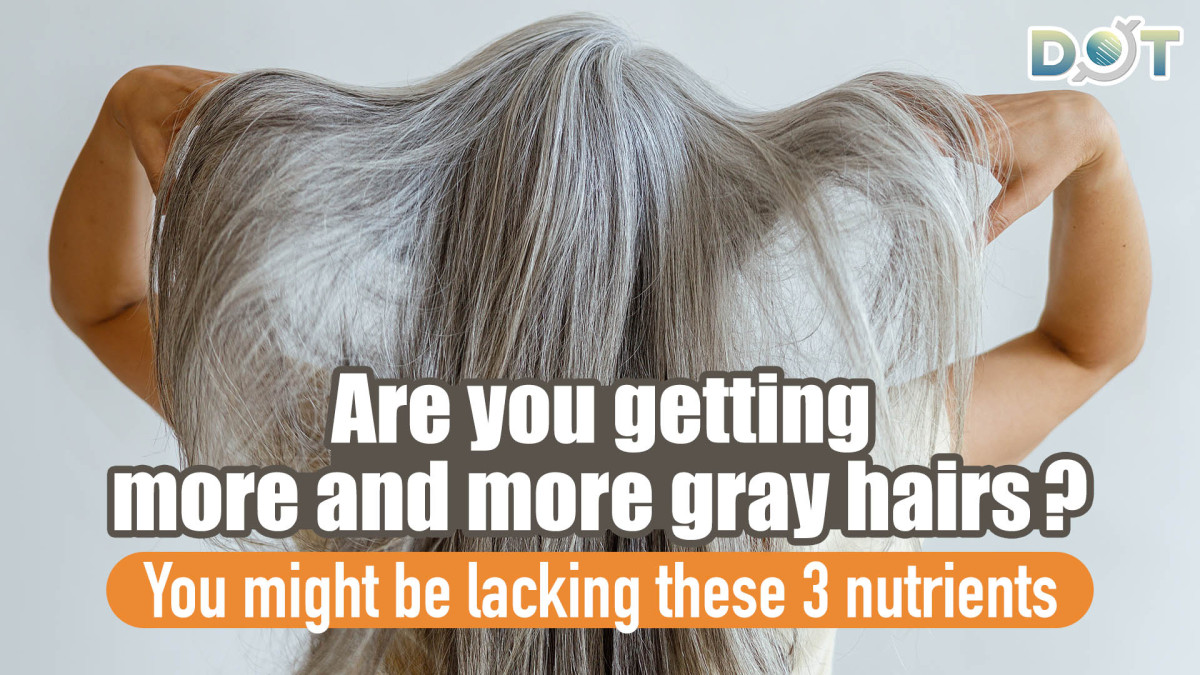
Gray hair is a problem that troubles many people. Aside from aging, another factor that many people tend to overlook is a lack of nutrients.
Gray hair may be caused by a deficiency in three nutrients
Generally speaking, these three nutrients have a significant impact on hair:
Protein
Protein is an essential building block for hair growth. A long-term deficiency in protein intake can lead to sudden graying of the hair. Furthermore, poor hair quality, roughness, and yellowing are all linked to insufficient protein intake.
Trace Elements
If proteins are the building blocks of hair, trace elements such as copper and iron act as catalysts for melanin production. Melanin is formed through a series of steps in which tyrosine is converted by tyrosinase; therefore, the activity of tyrosinase directly affects the efficiency and outcome of this process. Trace elements such as copper and zinc influence the activity of tyrosinase. If there is an insufficient supply of these trace elements, the activity of tyrosinase decreases, thereby affecting melanin synthesis.
B Vitamins
B vitamins play a role in the body's metabolism and are essential for the growth of hair and nails; they also help ensure the normal functioning of melanocytes. A deficiency in B vitamins can lead to hair loss, prematurely graying, and dry, brittle hair.
Of course, in addition to a lack of nutrients, there are many other factors that can contribute to the appearance of gray hair, such as stress, genetics, and physical illnesses.
What causes premature graying?
The term "prematurely graying" refers to hair turning gray at an unusually early age—often during adolescence or in one's twenties. What causes this condition?
Genetic factors: Many people with prematurely graying have a family history of the condition.
Some adolescents suffer from gastrointestinal dysfunction, which impairs the absorption of certain nutrients. Poor dietary habits can also lead to nutritional imbalances.
Certain systemic conditions, such as pernicious anemia, as well as cardiovascular disease and thyroid disorders, can all trigger the onset of premature graying.
People engaged in intellectual work who frequently use their brains are often subjected to prolonged mental strain and excessive stress, which can lead to endocrine disorders.
Lack of sleep. Irregular sleep patterns can lead to reduced growth hormone secretion and slower blood circulation throughout the body, which can cause gray hair.
Lack of exercise. Reduced physical activity can lead to poor blood circulation, depriving the scalp of an adequate blood supply and preventing melanocytes from functioning properly.
Does plucking gray hairs cause more gray hairs to grow?
Gray hair has nothing to do with whether you pull it out or not.
The growth of gray hair depends on the hair follicles. If only one or two gray hairs appear and their number doesn't increase for a long time, it's not a major concern. Typically, these hair follicles do not affect the others.
However, there is another possibility: those one or two gray hairs might be the first sign of going gray, and whether you pluck them or not won't stop the process.
In comparison, external factors such as nutritional deficiencies and mental stress are what actually cause you to develop more gray hair, and these can be alleviated by making lifestyle changes.
How can we reduce gray hair?
In your daily life, try to follow these guidelines:
Ensure your diet is varied and nutritionally balanced to provide the nutrients necessary for hair growth. We recommend eating more foods rich in copper, such as animal liver, mushrooms, nuts, apricots, and oats;
Try to stay up late less often and maintain a regular sleep schedule as much as possible;
Try to avoid exposing your hair to excessive UV rays;
Relieve stress and manage your emotions effectively.
(Source: People's Daily)
Related News:
HK Cinema Day 2026 draws over 200,000 moviegoers, shatters attendance record
Is it true? Napping over 1 hour raises mortality risk by 30%




Comment