






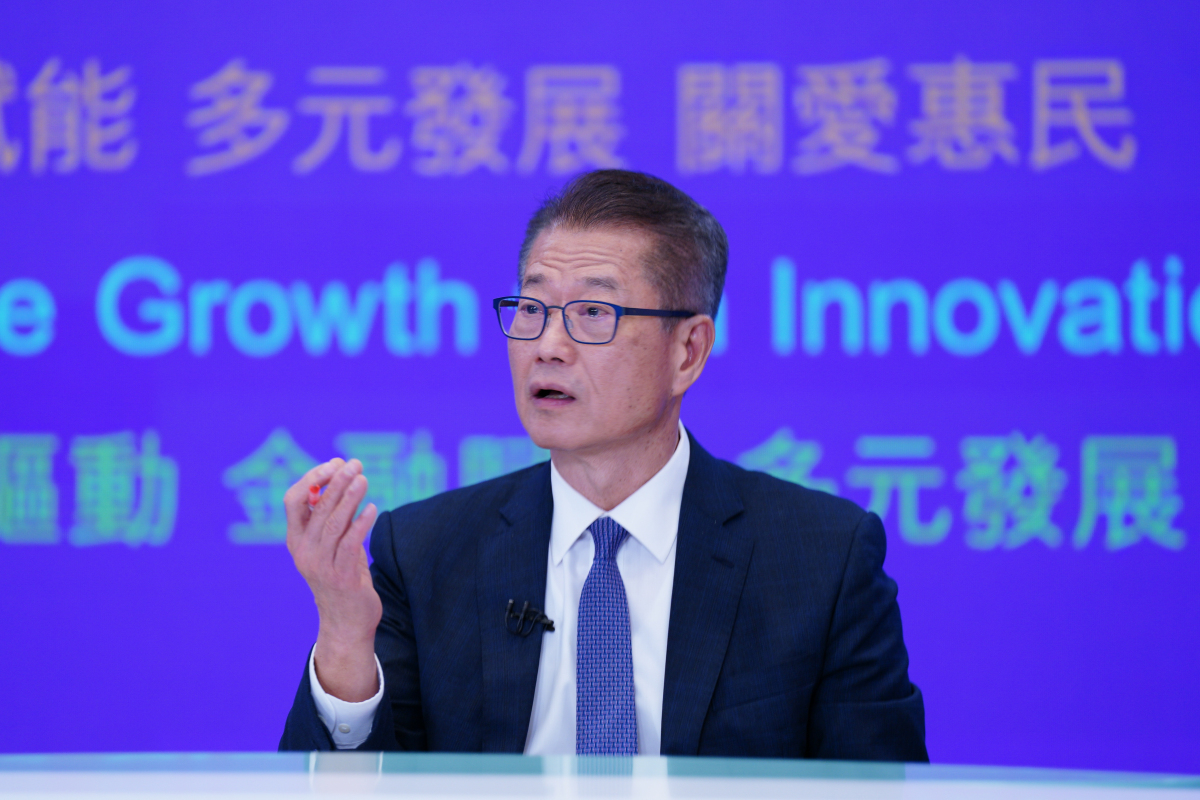
On Feb. 28, the US and Israel launched military actions against Iran, resulting in the death of Iran’s Supreme Leader Khamenei. Financial Secretary Paul Chan stated today (March 1) in a television program that the conflict has created significant uncertainty globally, and financial market volatility is expected to be substantial, with capital flows shifting more rapidly and unpredictably. The HKSAR government has prepared adequate contingency plans to address related financial risks and fluctuations, handling them with caution.
Chan noted that although there is not much direct trade and investment activity between Hong Kong and Iran, local funds may seek a "safe haven" in Hong Kong, and the government will be prepared while handling this cautiously. Additionally, the conflict may impact oil and gold prices in the short term, affecting international trade transportation costs and timing, and the government will continuously assess the situation.
The new financial budget was released last week, marking the first time in 42 years that the government has utilized the Exchange Fund to transfer 150 billion to the Capital Works Reserve Fund to support investments in the Northern Metropolis and other infrastructure projects. Chan stated that the development of the Northern Metropolis will span "over a decade," and focusing on infrastructure and attracting businesses to develop industries will increase tax revenue, create jobs, and drive economic growth. He anticipates that the tax returns from the Northern Metropolis development will start to materialize in about three to four years, but he emphasized that it is important not to focus solely on short-term financial returns but to consider comprehensive factors like economic growth, job opportunities, and social benefits.
Related News:
Budget 2026-27 | HK$20 bn in relief: Paul Chan details sweeteners




Comment