






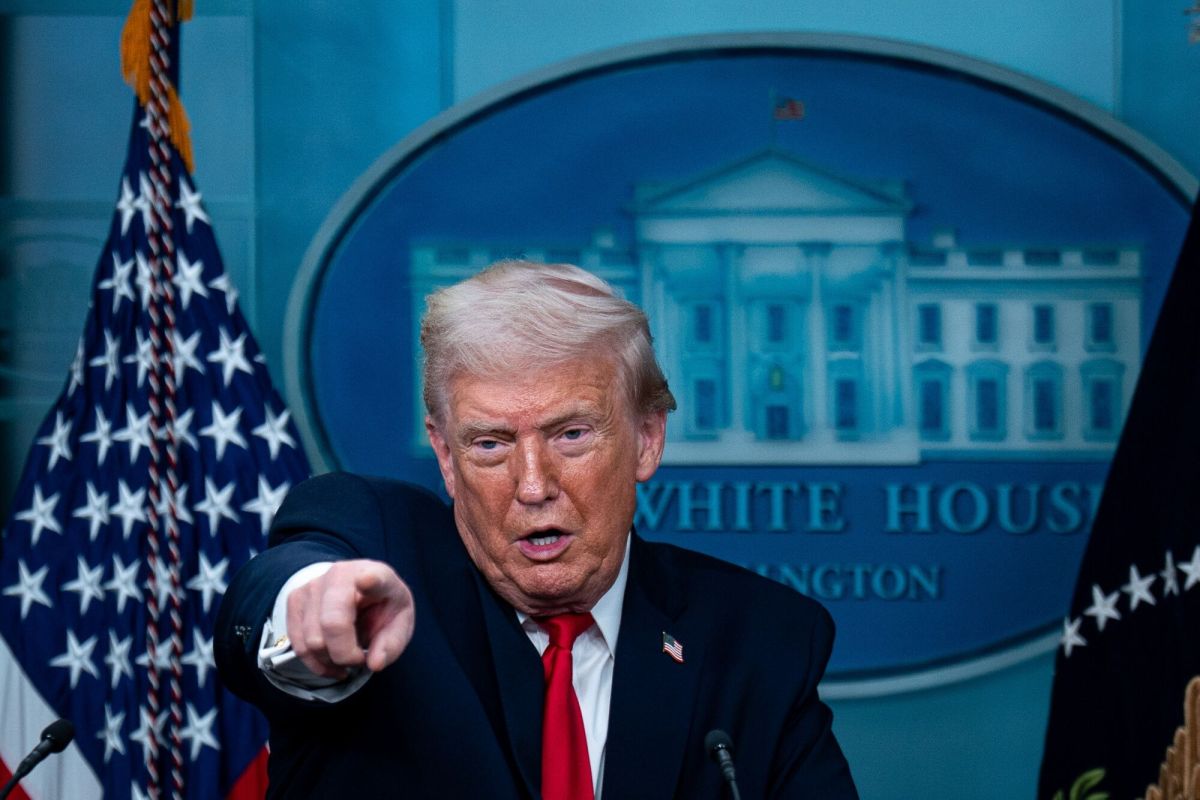
After the Supreme Court of the US overturned global tariffs, the determined Trump administration is attempting to impose new tariffs through alternative methods. According to a report by The Wall Street Journal on Feb. 23, the government plans to impose so-called "national security tariffs" on six industries, in addition to the new global tariffs.
The report cites informed sources indicating that the national security tariffs under consideration by Trump may cover industries such as large batteries, cast iron and iron fittings, plastic pipes, industrial chemicals, as well as electrical grid and telecommunications equipment. These tariffs would be imposed under Section 232 of the Trade Expansion Act of 1962, granting the US president the authority to levy tariffs based on so-called "national security risks."
Furthermore, in addition to the six industries mentioned by informants, the Trump administration is also considering imposing tariffs on an additional nine industries based on existing "232 investigations," including semiconductors, pharmaceuticals, drones, industrial robots, and polysilicon used for solar panels. Many of these investigations were initiated nearly a year ago, and the Trump administration may speed up their progress following the Supreme Court's ruling last week. Section 232 requires lengthy investigations before tariffs can be imposed, but once implemented, the US president has the unilateral authority to adjust them.
It is worth noting that during his second term, Trump significantly expanded the scope of tariffs imposed under Section 232, including steel, automobiles, and parts on the tariff list, and has refused to grant exemptions. These tariffs have not been affected by last week's Supreme Court ruling.
Related News:
Yoon Suk-yeol appeals life sentence for sedition
GD's Chinese New Year greeting sparks backlash as some Chinese fans call it 'anti‑China'




Comment