






Since 1971, when kung fu superstar Bruce Lee returned to Hong Kong to film his first kung fu movie, The Big Boss, followed by later films such as Police Story and Project A, a wave of kung fu fever from the East has crossed the ocean to the West, changing the life trajectories of many kung fu enthusiasts.
In the 1970s, Belgian Ronald Galland (Chinese name: Kong Han-lei) was introduced to a master in a local Chinatown by a friend and began his martial arts journey. At a time when Chinese people would not openly teach kung fu, let alone to Westerners, Galland became one of the rare foreign faces learning it.
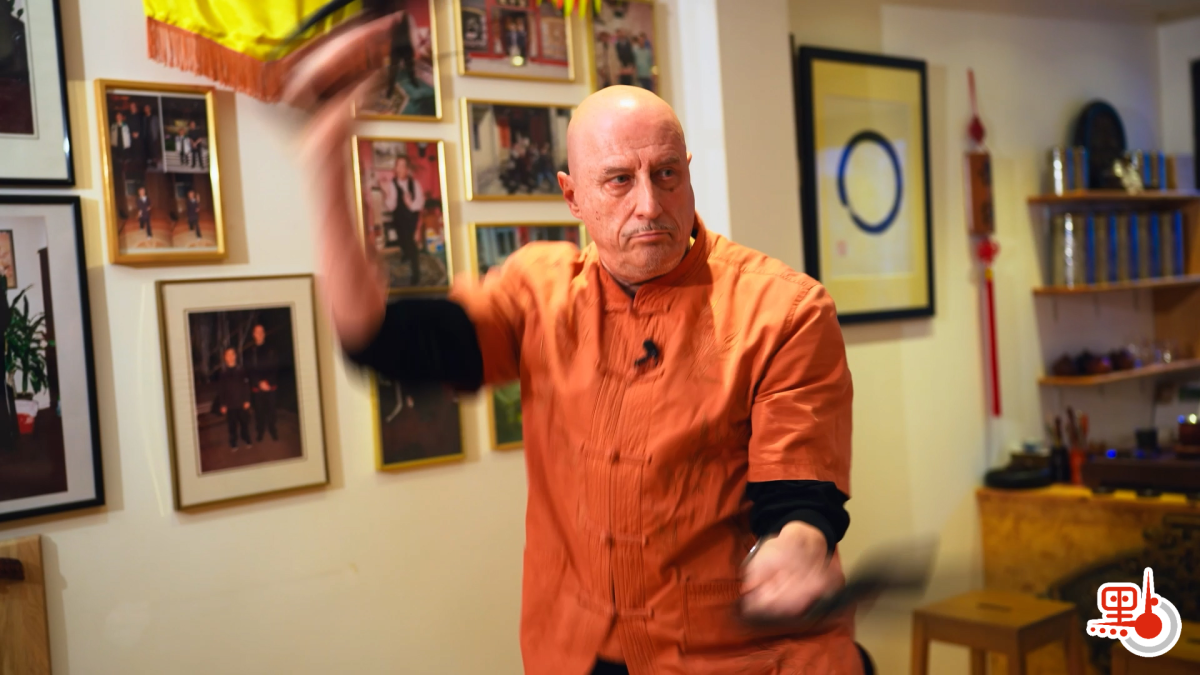
Today, entrusted by his master, Galland has become the inheritor of the Tith Ngaw Pai Hakka Kung Fu style in Belgium. At his martial arts school in Antwerp, more than a dozen disciples regularly come to learn kung fu, many of whom have been training under him for over 20 years.
In Galland's view, the essence of Chinese kung fu has never been about "one side dominating the other." "Fighting is easy, but knowing how to stop a fight is more important," he says.
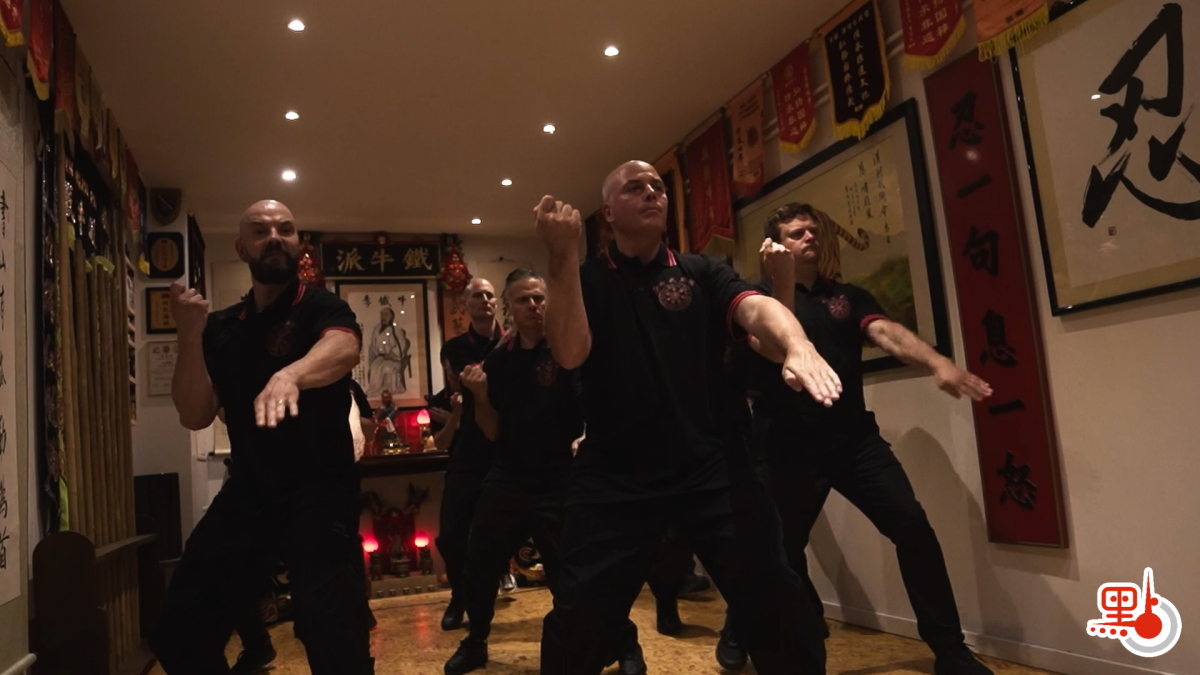
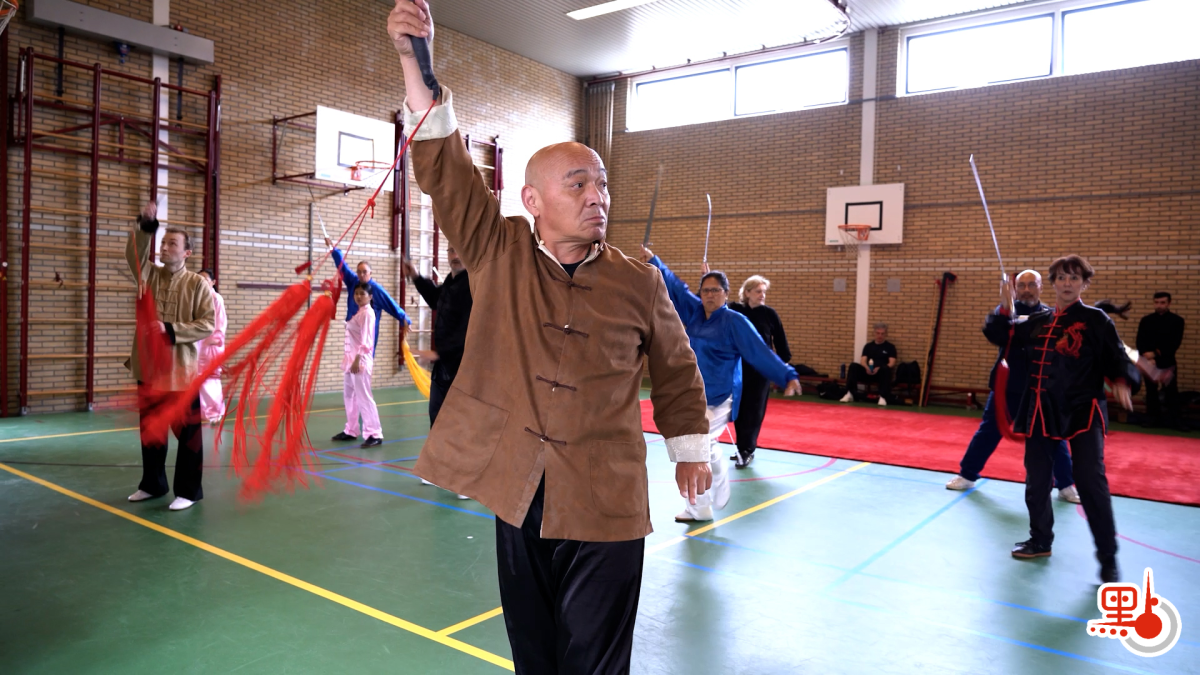
Unlike Galland, Fei Yuliang, known as "Master Fei," who runs a martial arts school in the Netherlands, was born into a martial arts family in Jiangsu, China. From age six, he trained under his father and explored other Chinese arts, such as dance and Peking opera. In the 1980s, Fei and his father led a martial arts troupe that frequently performed across regions like Jiangsu, Zhejiang, Shanghai, and Anhui, drawing large crowds to sold-out shows.
In 1985, at the age of 32, he decided to move to Europe to open a martial arts school, bringing the essence of Chinese martial arts to the Netherlands. In the first three to four years, most of his students were Chinese, but gradually, more non-Chinese students joined. "The Dutch are very serious once they start learning martial arts. I've been teaching for over 30 years, and some students who started in their teens are still learning with me in their 50s," Fei said.
Dutchman Niek op't Ende (Niek) began learning Chinese martial arts from Master Fei at the age of 14 and has now been training for over 20 years. Niek has also traveled to China multiple times for training, mastering fluent Mandarin and studying under An Jianqiu, the fifth-generation heir of An Family kungfu and a national champion in both Bajiquan and Xingyiquan. He learned Baguazhang, Bajiquan, and Sanda. His extensive training laid the foundation for establishing his own martial arts school.
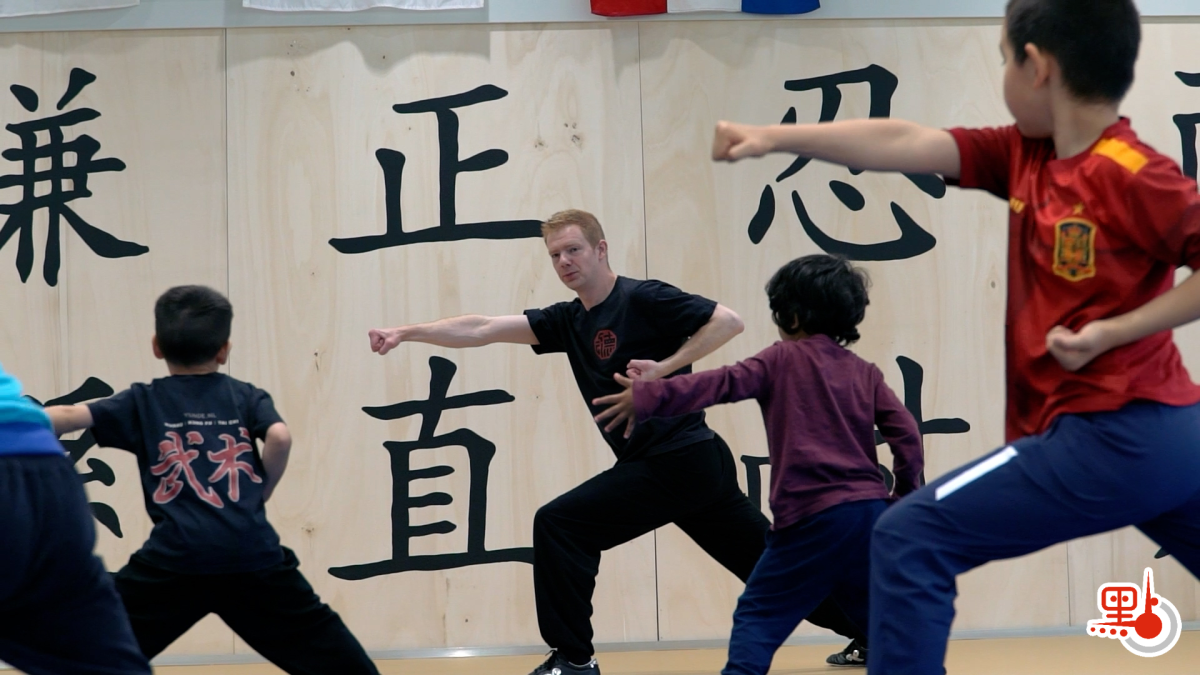
When asked why he returned to the Netherlands to open a martial arts school, Niek explained that he was influenced by Master Fei, who told him a few years ago that they should "do something for the next generation of martial artists." Starting with only four students, the school now has around forty. The students include not only Chinese living in the Netherlands but also locals interested in martial arts, and even people from Hong Kong can be seen training there.
Digi, a Hongkonger on a working holiday in the Netherlands, previously coached at a martial arts cultural center in Hong Kong. He expressed his desire to maintain his interest in martial arts and came to Yunde Wushu to continue training and serve as an assistant instructor. Practicing martial arts in a foreign environment has given him a unique perspective, saying, "I can feel their enthusiasm and respect for Wushu."
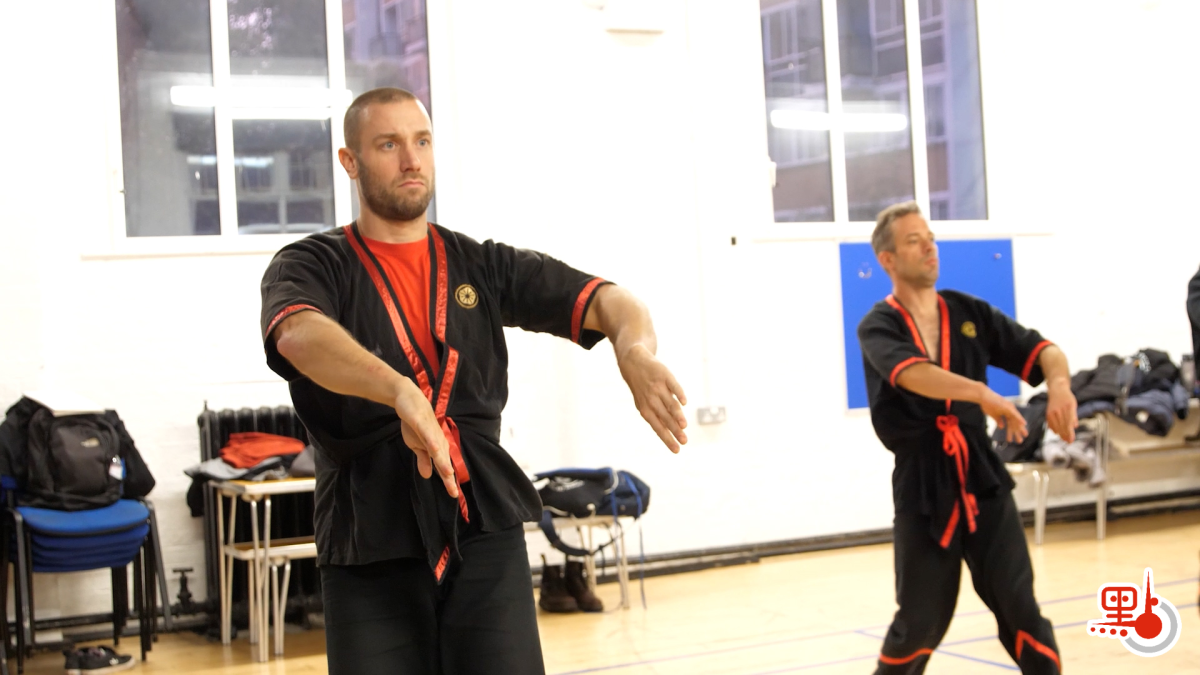
Galland said, "Suppose Chinese culture is 100%, kung fu might only account for 3%." Hungarian Gabor Spenger, who lives in the UK, has been teaching Wing Chun there for over a decade. According to him, learning Chinese is very helpful for understanding the terminology of movements in Wing Chun. For example, the horse stance "Two Goat Riding Stance" is perfectly explained by the Chinese characters. "The Chinese character for 'two' (二) has one long stroke and one short stroke. When you do this movement, you can imagine that you are putting your toes onto the short one and your heels onto the long one." As for "Goat Riding Stance", one can imagine riding a goat, gripping it with both knees. Interpreting Chinese characters not only makes it easier to understand the key points of the movements, but also helps students to understand the ingenious way of thinking of the Chinese people.
To better pass on the cultural connotations of Wing Chun, Gabor also learned Cantonese and, following tradition, attempted to teach in Cantonese. Gabor recalled that once, a parent from Hong Kong sent their child to learn Wing Chun. After the first lesson, the child's father came over, bowed to him, and shook his hand. "He said, 'It's incredible to see a white person using Cantonese words to teach Chinese martial arts.' That was one of my proudest moments," Gabor said.
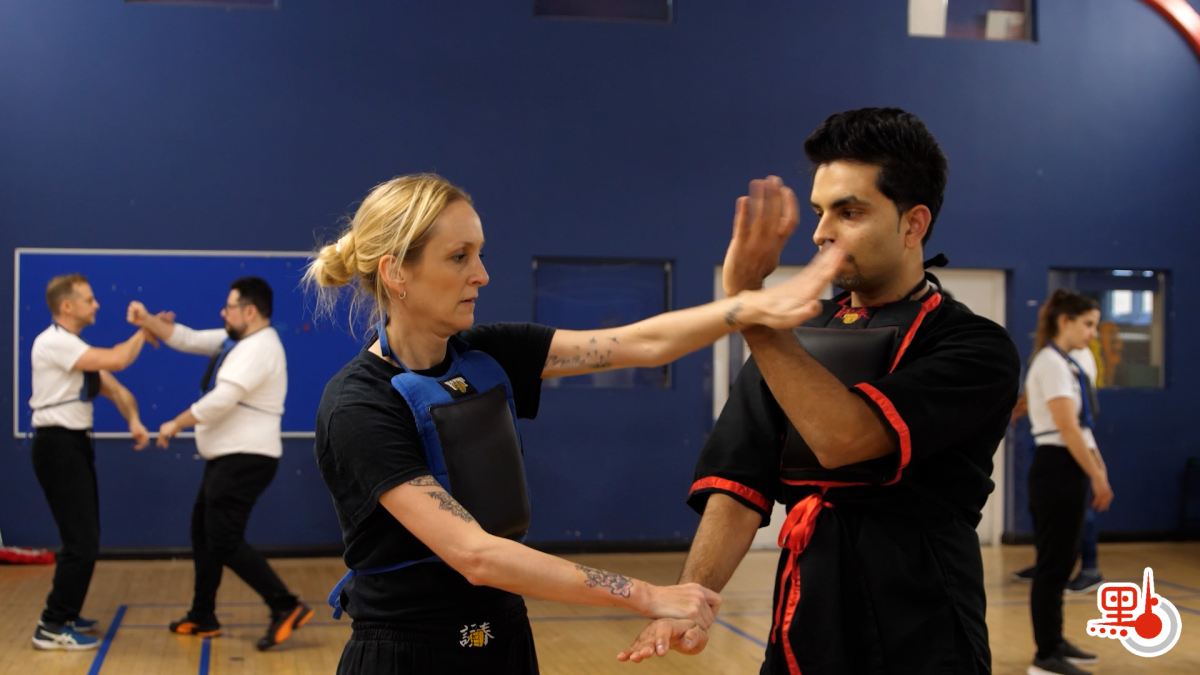
The essence of martial arts lies not in geographical distance but in spiritual connection. From Antwerp in Belgium to The Hague in the Netherlands, and to London in the UK, Chinese kung fu has spread like a seed across language, skin color, and nationality barriers to the distant European continent. What it shows is an understanding and love for Chinese kung fu and the exchange and mutual learning between cultures.
Related News:
C'est la Chine · France | Culinary crossover in Lyon: Baozi meets macaron in Chinese restaurant




Comment