






In recent years, Traditional Chinese Medicine (TCM) has been increasingly embraced on the global stage and has gained growing popularity across Europe and North America. For many foreign patients, Western medical clinics are no longer their first choice when illness strikes.
Nowadays, TCM medical institutions have been established in more than 160 countries and regions worldwide. In Germany alone, there is approximately one TCM or acupuncture clinic for every 15,000 people, reflecting the steadily rising acceptance and demand for TCM among the local population.
ABZ MITTE: Sowing the seeds of TCM in Germany
Located in Offenbach near Frankfurt, Germany, ABZ MITTE represents Chinese culture abroad. Established over three decades ago, it has become the largest and leading TCM training center in the Rhine-Main region of central Germany.
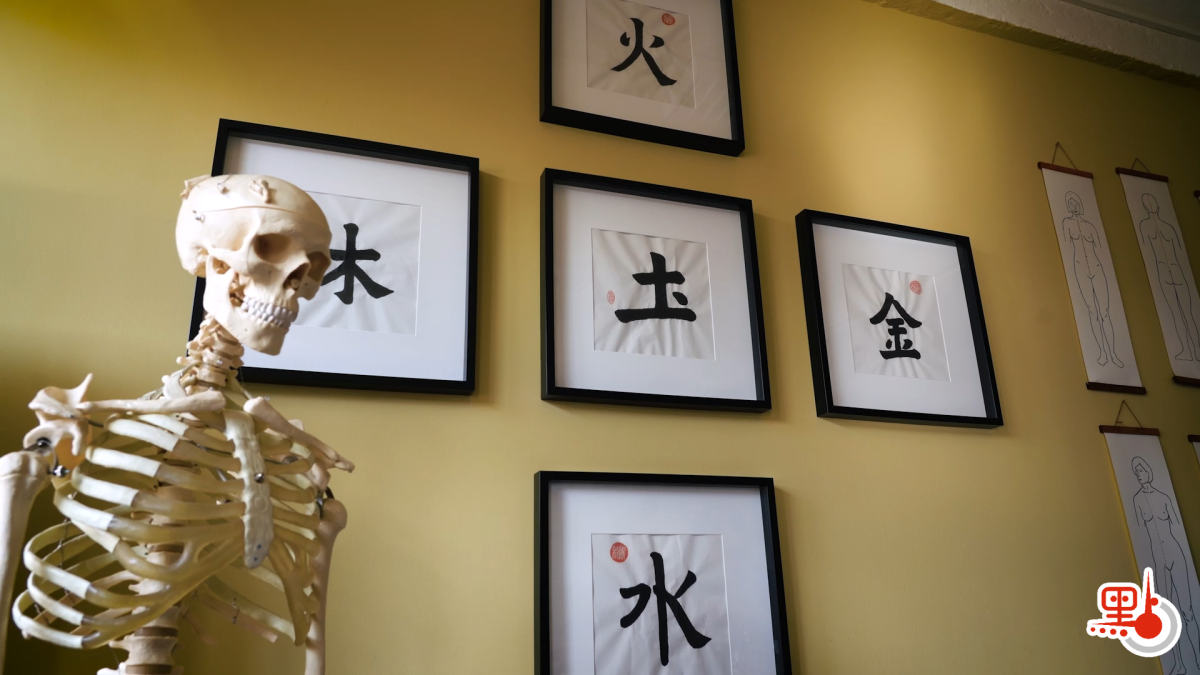
ABZ MITTE offers a three-year TCM teaching system. According to its principal, Silke Burkart, the school has 16 lecturers in the basics of Chinese medicine and acupuncture courses, and more instructors teaching advanced courses and refresher courses.
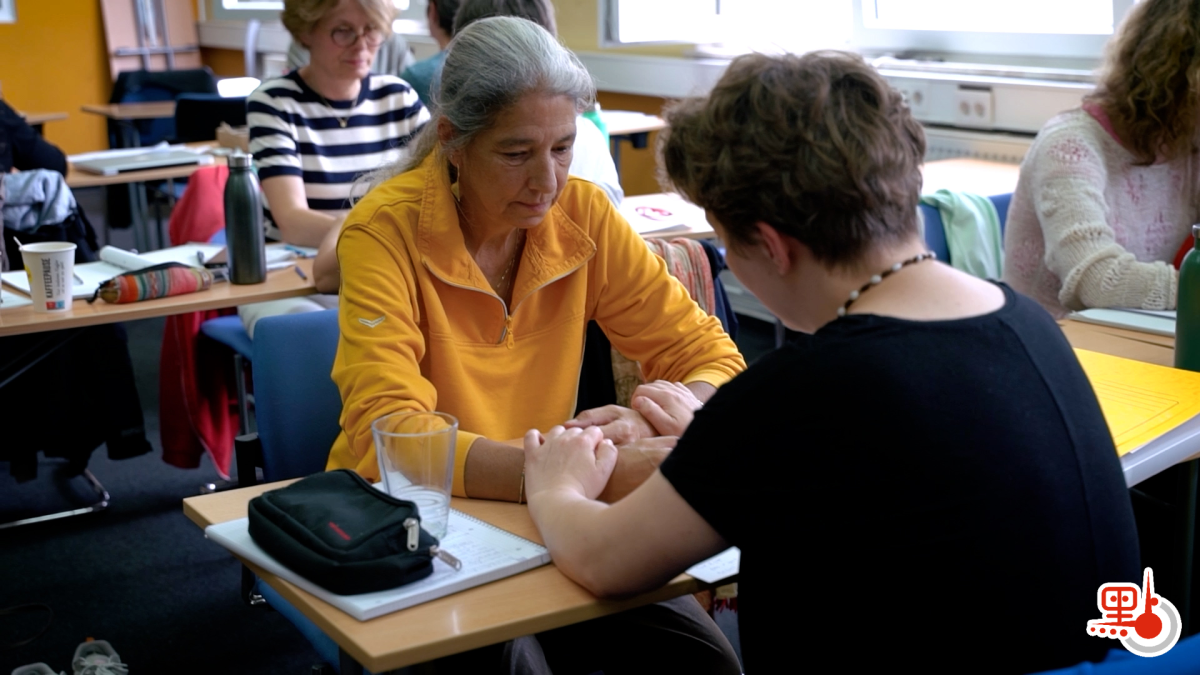
Students at the school come from a wide range of professional backgrounds. After completing more than 1,000 hours of coursework, those holding licenses in Western medicine or qualifications in natural hemotherapy are eligible to provide TCM treatments in their own clinics, or to establish dedicated TCM practices focusing on therapies such as acupuncture and Tuina (Chinese therapeutic massage).
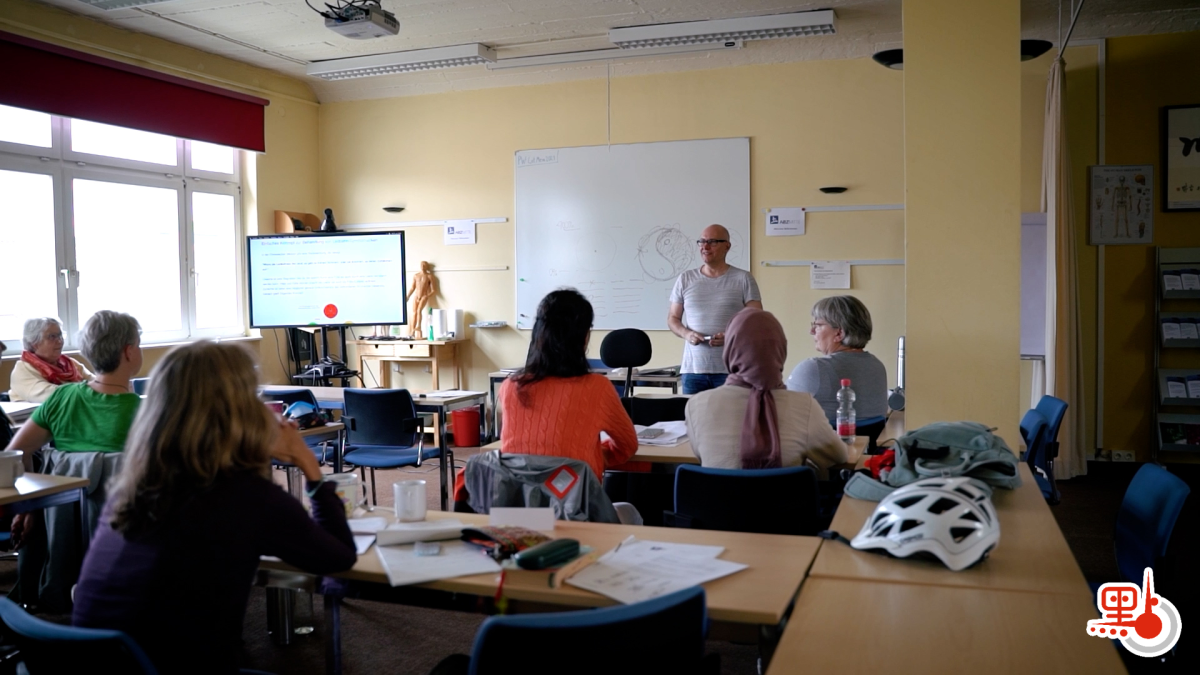
Sigrid Klain, one of the co-founders of ABZ MITTE and the first to introduce the Five-Element Acupuncture theory to Germany. She recalled, "When we founded the school in 1993, we did almost no advertising, yet people still came to us and filled the classrooms."
"In ancient China, an era without MRI or X-ray technology, people learned to perceive changes in the human body simply by observing, listening, smelling, and sensing."
In Burkart's view, TCM is a form of world cultural heritage. She added, "We should be grateful to Chinese ancestors and predecessors, who were smart enough to document it all and preserve it for thousands of years as both knowledge and an art of living."
From journalist to TCM practitioner: Anne Hardy's journey from the pen to the pulse
Dr Anne Hardy has operated a TCM clinic in Frankfurt for nearly a decade. She worked as a journalist before becoming a Chinese medicine practitioner, primarily covering physics, with some involvement in medical reporting.
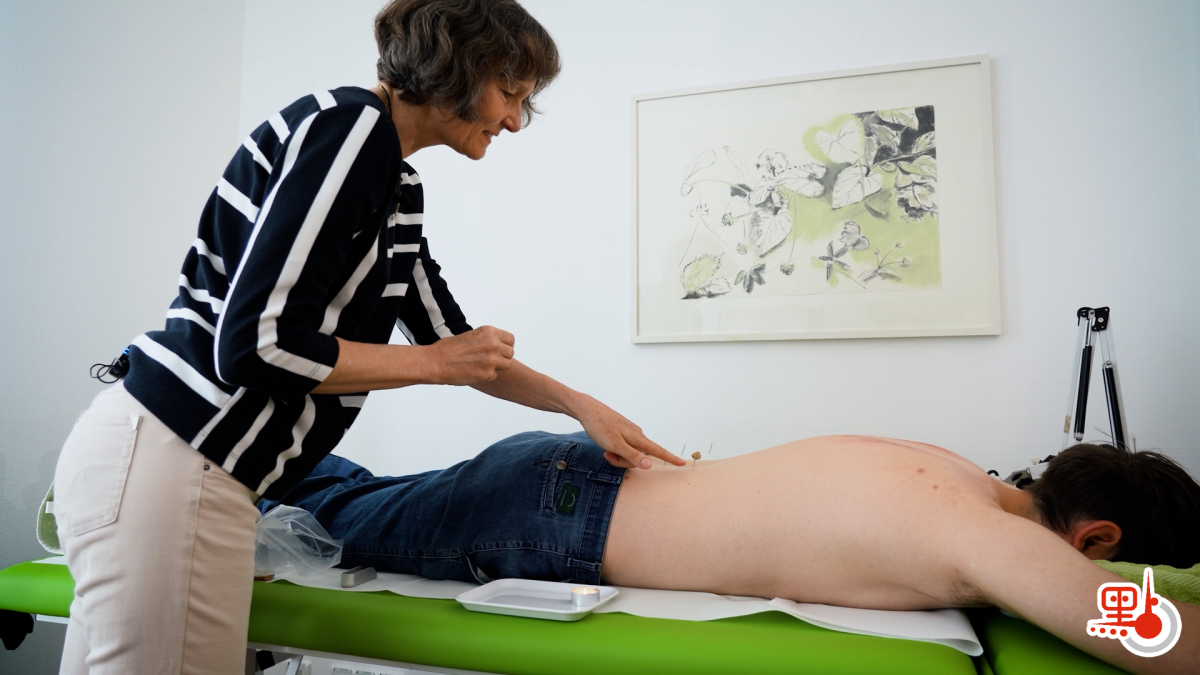
Through her studies and professional experience, Hardy gradually developed a more critical view of Western medical treatment. "I felt somewhat disappointed, because it tends to focus on examining individual organs without taking the patient's overall condition into account," she said.
In 2012, Hardy began her studies in TCM at ABZ MITTE, where she received systematic training in acupuncture, Chinese herbal medicine, gynaecology, and fertility treatment. After completing three years of professional training, she passed the required examinations and was granted a naturopathic practitioner's licence by the German health authorities, allowing her to establish and operate her own TCM clinic.
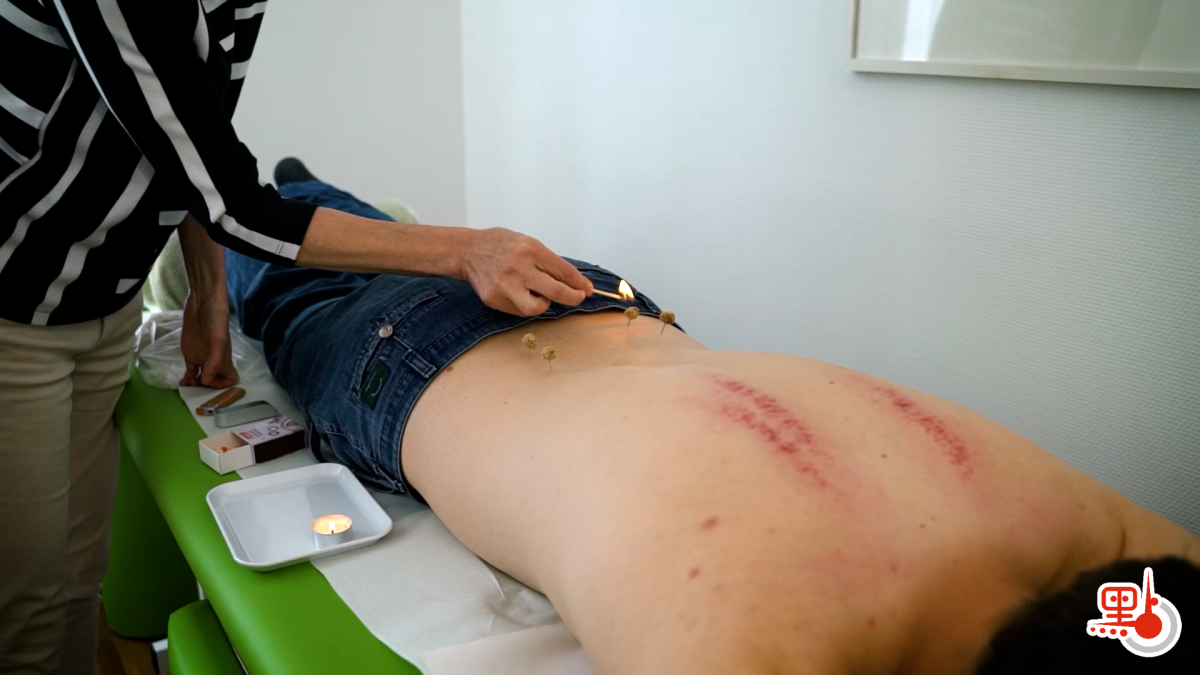
Hardy explained that Chinese medicine can play an important supportive role in fertility treatment. Herbal therapies may help improve the quality of sperm and ova, while also assisting women in regulating their menstrual cycles, promoting blood circulation, and replenishing vital energy. As patients' overall physical condition improves, the likelihood of conception may increase accordingly. "When everything is in flow,” she said, “the body is often able to achieve this naturally."
"Sometimes, when I am treating patients with acupuncture, I find myself thinking, 'What I am doing truly matters,'" Hardy said. "Even after nine years, that idea has not changed. Because for me, opening a TCM clinic was always about doing something meaningful."
Unlocking thesecrets of yin-yang onbinary numbers: Innovative approaches to promoting TCM
"I had my first experience with Chinese medicine when I was 18 years old. I was supposed to sing a little aria, but I was hoarse. An old man in the Chinese medicine Clinic treated me with acupuncture, and then I could sing, which was amazing," recalled Prof Henry Johannes Greten, President of the Heidelberg School of Chinese Medicine. The early experience left a lasting impression and ultimately set him on the path of lifelong practice in TCM.
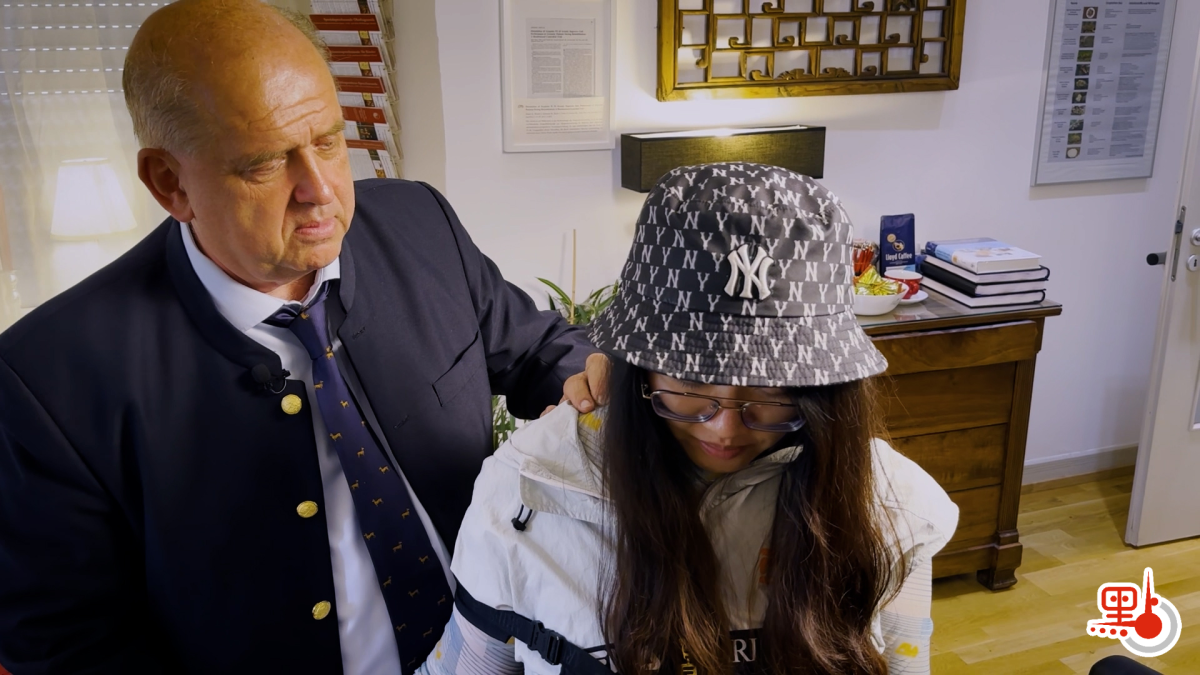
For decades, Prof. Greten has advocated for the promotion of TCM therapies across Europe as a leading authority in acupuncture and traditional Chinese medicine. He emphasizes that TCM is not merely abstract: the principles of yin-yang and the Five Elements have an inherent scientific dimension and can even be interpreted through mathematical models.
In the 18th century, German mathematician Gottfried Wilhelm Leibniz studied the I Ching and observed that the bagua diagrams could be understood as a data model, which can be annotated using binary logic.
"Yang and yin are like 1 and 0," Prof. Greten explained. "They can form binary numbers and be used to describe periodic functions, illustrating the dynamic process where one grows as the other wanes."
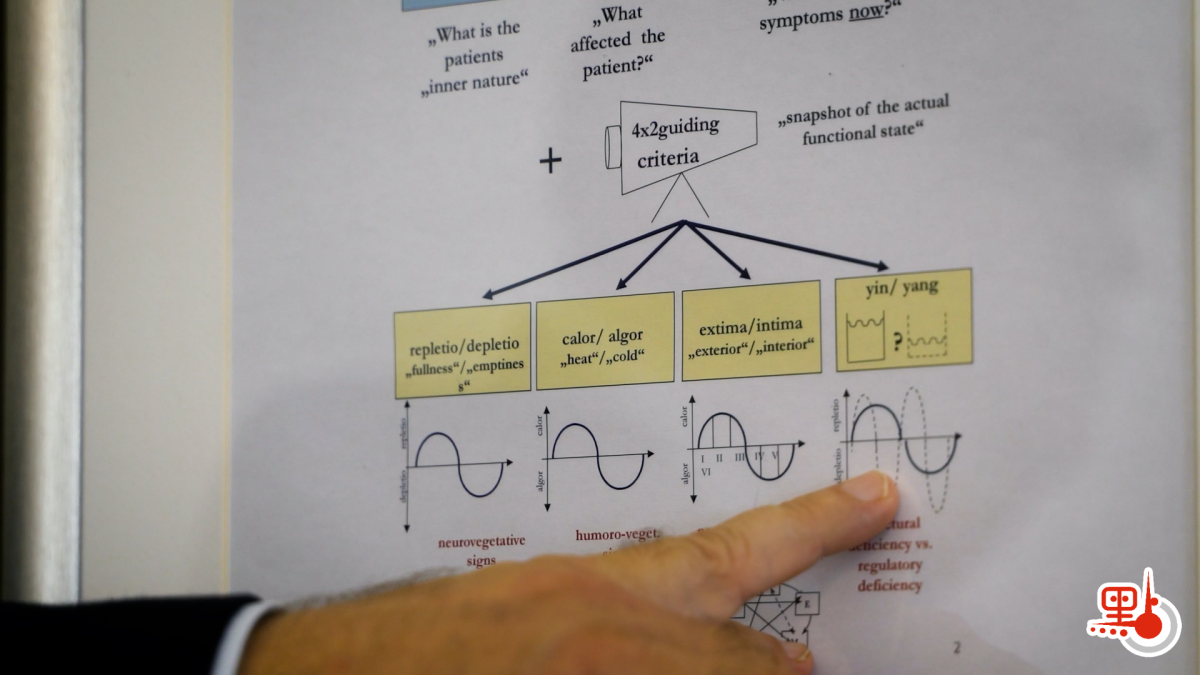
Based on these ancient Chinese theories of yin-yang and the Five Elements, TCM classifies clinical manifestations, physical signs, and tactile characteristics of the skin, allowing practitioners to select therapeutic approaches that are tailored to each patient's condition.
According to Prof. Greten, promoting TCM in the West requires translating its core concepts—such as yin-yang, stage-based transformations, and the theory of the zang-fu organs—into the framework of Western physiology. He noted that this approach helps the public better understand TCM diagnosis and treatment.
"TCM is like a descriptive language," he said. "We just need to decode it."
Related News:
C'est la Chine · France | Culinary crossover in Lyon: Baozi meets macaron in Chinese restaurant




Comment