






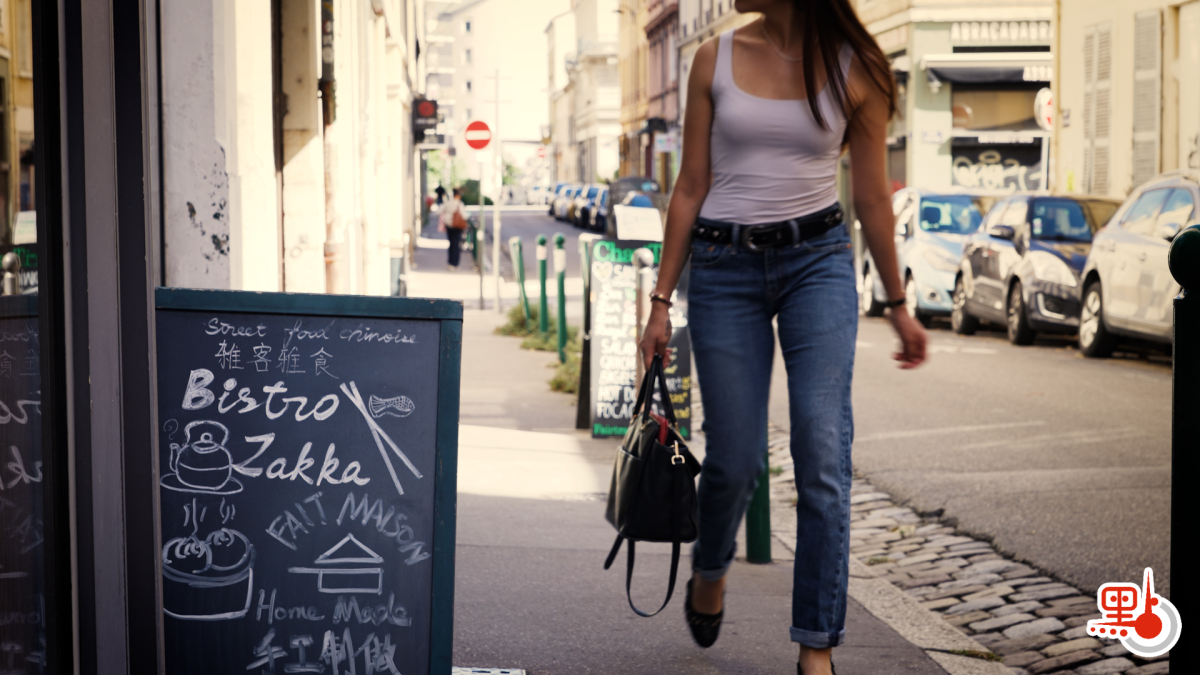
When thinking of Chinese food abroad, what comes to your mind? In Lyon, France, Chinese proprietor Cheng Yu runs a Chinese restaurant called "Bistro Zakka," where baozi (Chinese steamed buns), wontons, and guabao have been the signature items for a decade.
Creating macaron-colored baozi
Cheng explained that the name "Bistro Zakka" highlights the concept of "diversity" (雜), aiming to carry forward the cultural essence of China's Hundred Schools of Thought era—"take the essence, discard the dross"—by learning from various strengths to achieve mastery.
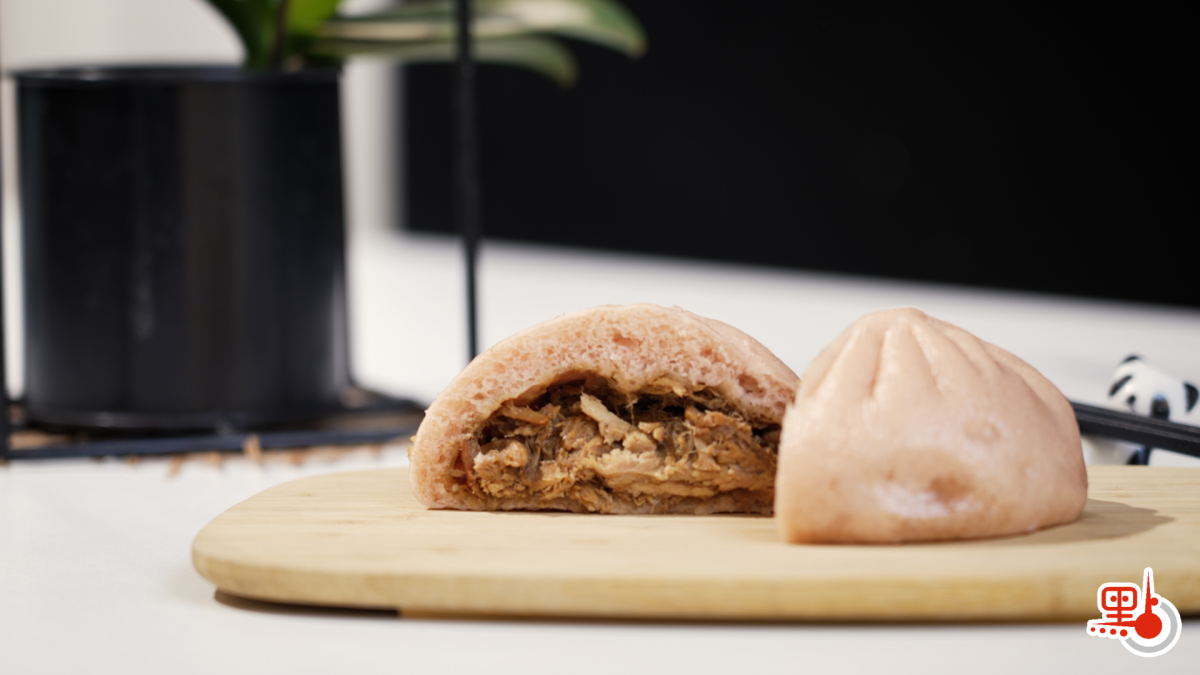
Bistro Zakka's signature baozi reflects this characteristic of diversity. Drawing inspiration from the vibrant colors of French macarons, Cheng adds edible pigments to the dough, creating steamed buns in macaron-like hues. Pink pork-flavored, green shrimp-flavored, and other flavored baozi leave a deep impression on local French diners. Cheng's French partner, Romain, shared that this approach not only makes it easier for customers to distinguish and choose their preferred flavors, adding an element of fun, but also streamlines the kitchen team's preparation process.
At the same time, the baozi at Bistro Zakka strive to balance the characteristics of Chinese cuisine with respect for French tastes, harmonizing the two styles. For example, in filling preparation, Cheng noted that since the French prefer minced meat with texture, the pork buns use braised pork techniques rather than the traditional finely chopped filling favored in China.
A Chinese restaurant & a gallery for Chinese art
On the walls of Bistro Zakka hang three scroll paintings featuring a wide array of Chinese dishes. The rich, vibrant colors combined with the traditional Chinese scroll format immerse guests in an overwhelming sense of Chinese culture.
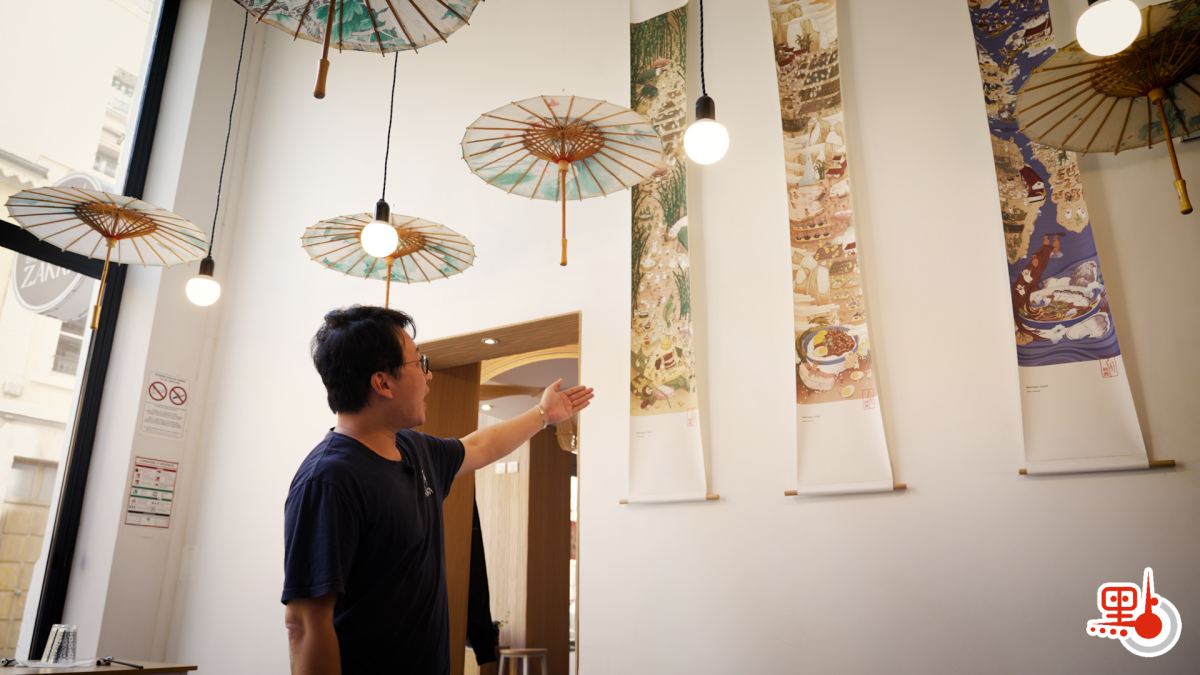
Cheng noted that these works were designed by a Chinese art student who once studied at the National School of Fine Arts of Lyon, with Chinese cuisine as the theme. Additionally, one wall in the restaurant displays four abstract paintings by a Beijing-based artist.
"In fact, every corner of our restaurant serves as an art gallery where we support local Chinese artists by offering free promotional exhibitions to showcase the talent of Chinese artists," Cheng said.
Jiaozi-making classes: "Let locals know Chinese food"
Beyond being the founder of Bistro Zakka, Cheng also works as a Chinese language teacher at a university. Through this role, he discovered that the French have limited knowledge of Chinese food, even holding some misconceptions.
"For example, they didn't know that baozi (steamed buns) and jiaozi (dumplings) are Chinese foods," Cheng said. Surprised by this, he came up with the idea of introducing traditional Chinese flour-based dishes to the people of Lyon.
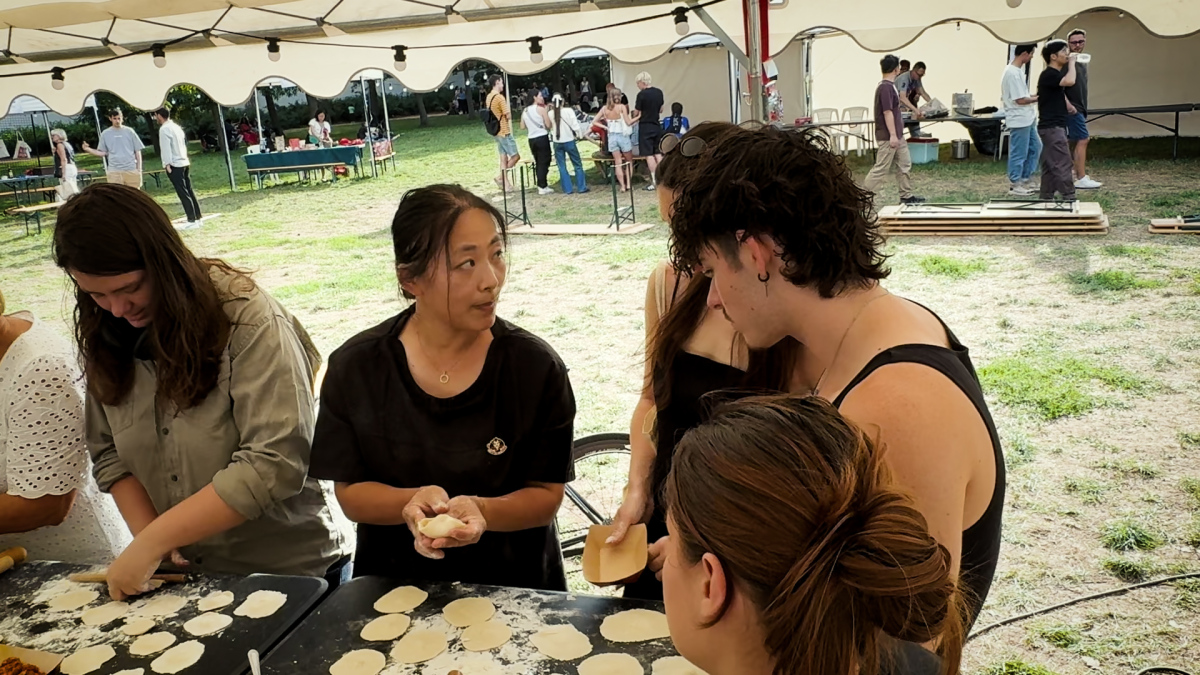
As a result, alongside running the restaurant, Cheng offers culinary experience classes for locals, held about twice a week. These classes primarily teach how to make baozi and jiaozi.
"We first learn to prepare the fillings, then wrap, roll, and portion the dough. Sometimes I even teach them to wrap dumplings in different shapes."
During these classes, Cheng also shares insights into Chinese culinary culture, such as the origin and history of dumplings, explaining that they were invented by Zhang Zhongjing, China's "Sage of Medicine." Cheng noted that many locals refer to jiaozi as "gyōza," the Japanese term for pan-fried dumplings. To clarify this, he consistently uses the Chinese pinyin spelling "jiaozi" in his classes.
"This is also a reflection of cultural confidence," Cheng smiled and said.
Related News:
C'est la Chine | Beyond China's dominance: What achieves meteoric rise of European table tennis?




Comment