






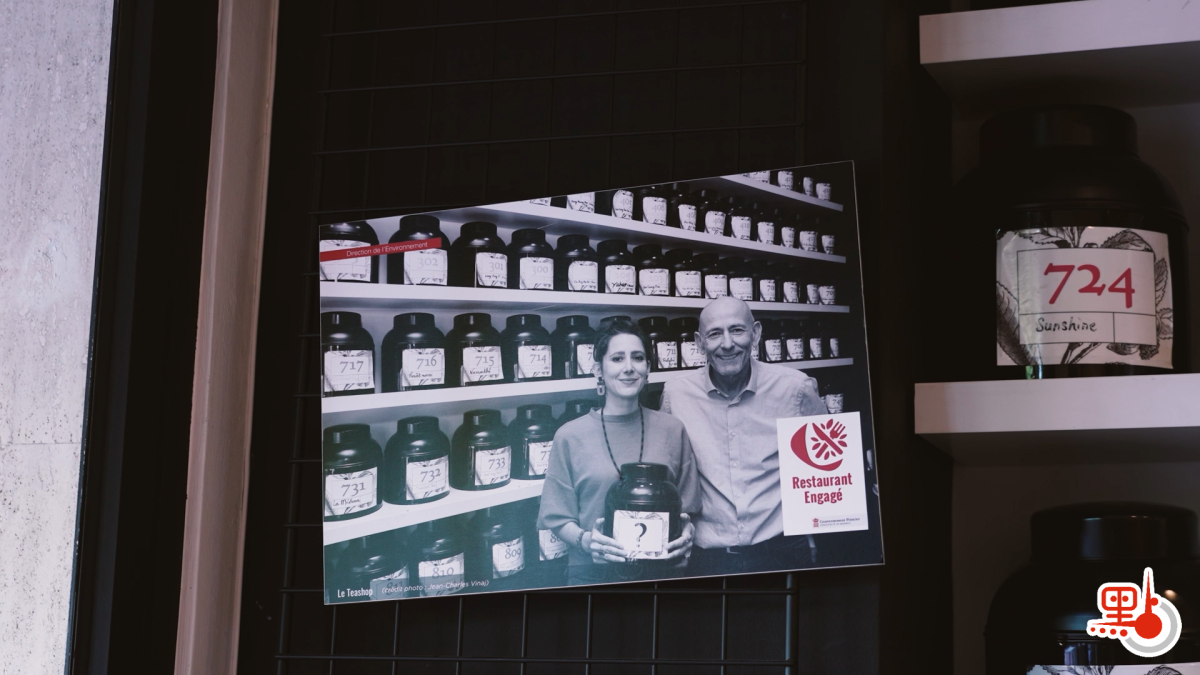
Just half an hour's drive east from Nice, across the French border, lies the enchanting city of Monaco. As dusk settles, groups of uniformed students step out of their schools, many making their way to a cozy little shop called "le teashop." Behind the counter, Sharon greets them warmly, preparing each order with care until a favorite tea is ready.

Sharon has been running "le teashop" for the past ten years. Though modest in size, the shop boasts an entire wall lined with teas from across China—Tieguanyin and Lapsang Souchong from Fujian, Wild White Tea Buds from Yunnan, etc. Sharon speaks of each variety with passion: Tieguanyin's name, she says, means the "iron goddess of mercy" and is perfect for beginners; Rougui, with its spicy notes, is best savored in autumn or winter. Sometimes she even prepares a "surprise tea," inviting customers to guess its ingredients, adding a playful twist to the experience.
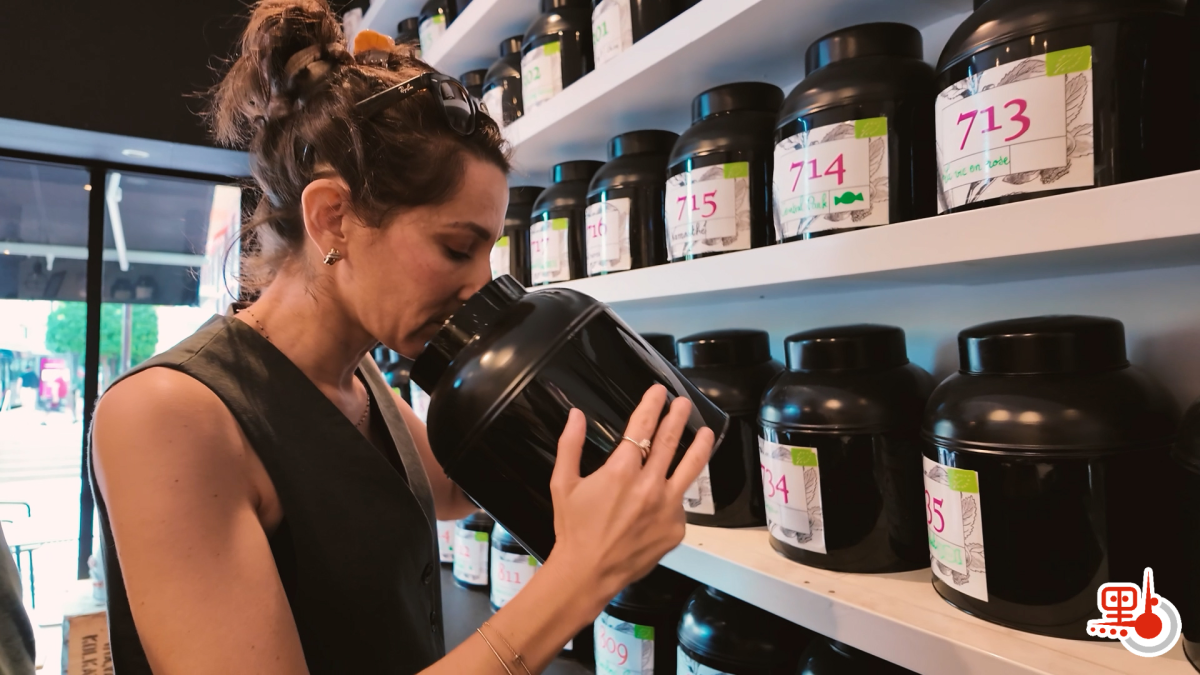
Tea, for Sharon, is more than a livelihood. She has received intensive training, learning the art of preparing, tasting, and appreciating tea from tea masters. "Through these lessons, they passed on to us their profound love for tea," she says.
Tea & time: a slower pace
When questioned about her attraction to tea culture, Sharon shares her deepest appreciation for the unique bond between tea and time. She explains that tea requires time to prepare, to choose the way of brewing, and truly to savor and appreciate it.
In fact, because Monaco is geographically close to Italy, coffee culture is more prominent there. Yet in Sharon's view, tea culture embodies an entirely different philosophy: "An espresso is quick, but a cup of tea invites a slower pace." She acknowledges that our daily lives often keep us busy and in a rush. Only in the process of brewing and appreciating tea can we immerse ourselves and discover a space where life slows.
Social media's influence: bubble tea with tapioca pearls rises
Over the years, the West's understanding of tea has evolved. In the early days of her shop, Sharon would buy tapioca flour to make pearls herself, introducing bubble tea.
"At first, clients didn't respond well," she recalls. Every evening, I found myself discarding the tapioca pearls, as they remained unclaimed by anyone.
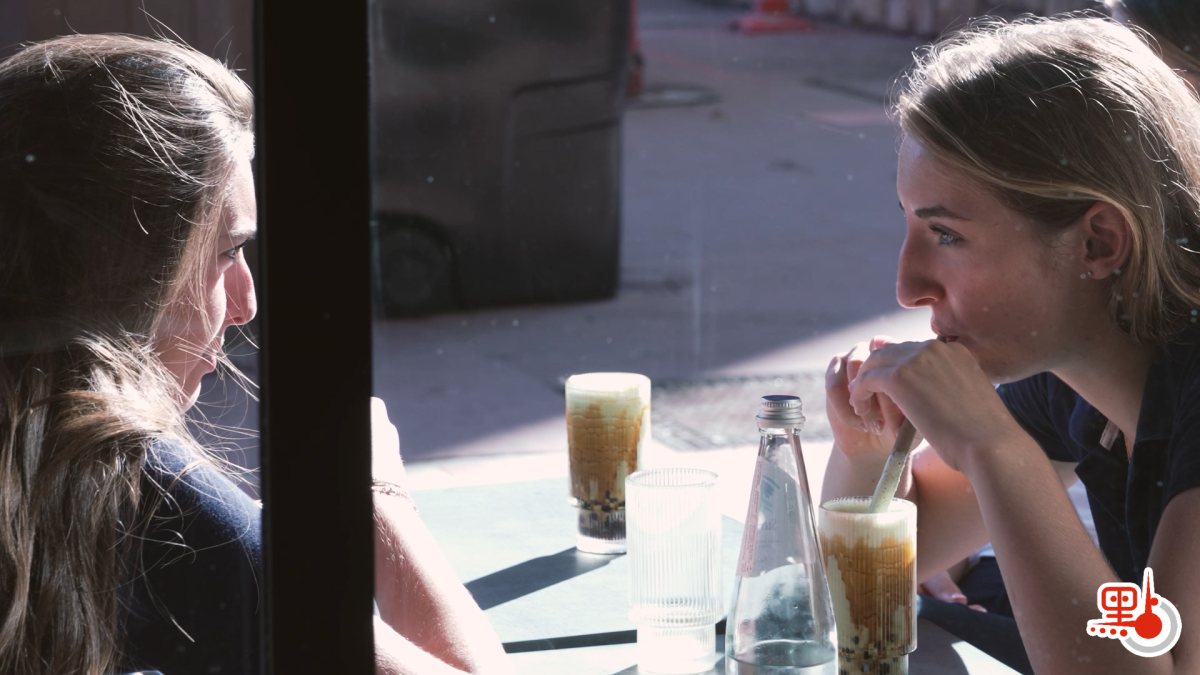
However, things began to change in the past two or three years. "That was when people started asking me, 'Do you have bubble tea with tapioca pearls here?'"
Bubble tea is now one of the most popular items among kids in her shop. Sharon believes that the rise of social media, along with more young people traveling abroad, has been the key driver behind this shift.
Beyond tea: Sharon's dream of visiting China
After years of running her tea shop and tasting countless varieties of Chinese tea, Sharon admits that she has never actually set foot in China—a lingering regret for her.
She tells us that her daughter has chosen Chinese as an elective at school. "I told myself that in a few years, when she becomes more proficient in Chinese, that will be our chance to visit China."
Related News:
C'est la Chine | Beyond China's dominance: What achieves meteoric rise of European table tennis?
C'est la Chine | Tea, music, and memory: The living ties between China and Europe【China-EU EP7】




Comment