






For many foreign travelers, a journey to China offers far more than a checklist of iconic landmarks—it opens the door to a rich and often unfamiliar cultural world.
One of the most immediate and memorable ways to experience this difference is at the dining table. Chinese meals are deeply social, symbolic, and rooted in traditions that emphasize respect and community.
Here are some of the key practices.
Seating Arrangements
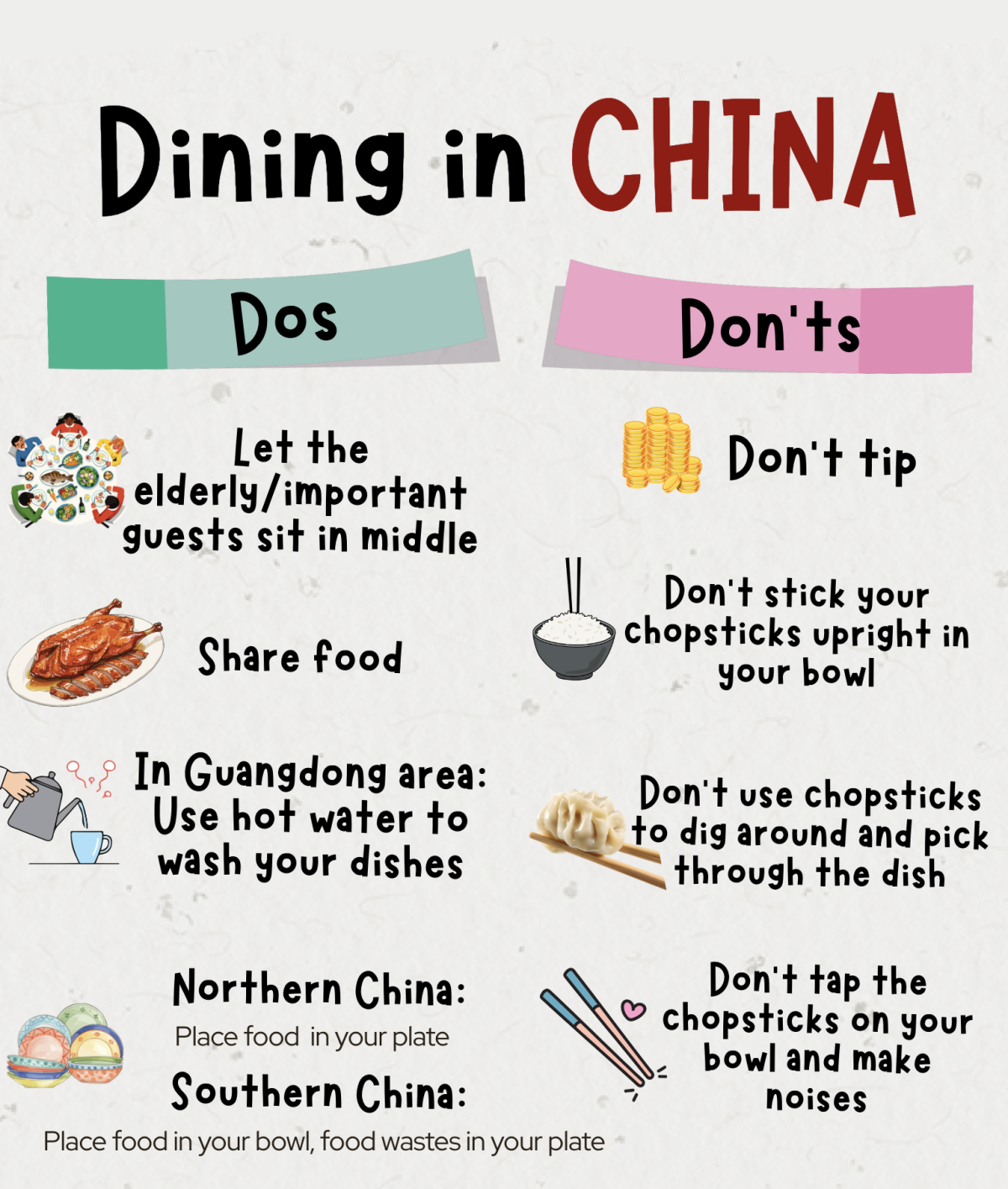
In Chinese dining culture, seating arrangements are important. The most respected position, usually facing the entrance or situated centrally, is reserved for the elderly or the most important guest. This gesture shows reverence and is a fundamental way of honoring hierarchy and age within the group.
Sharing Food
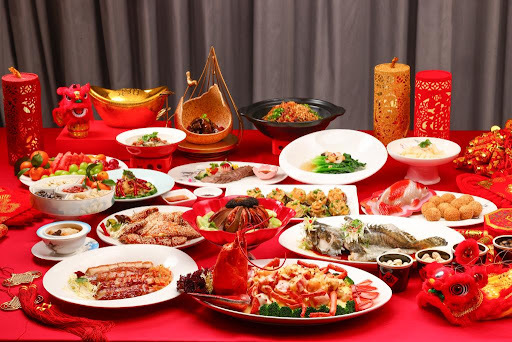
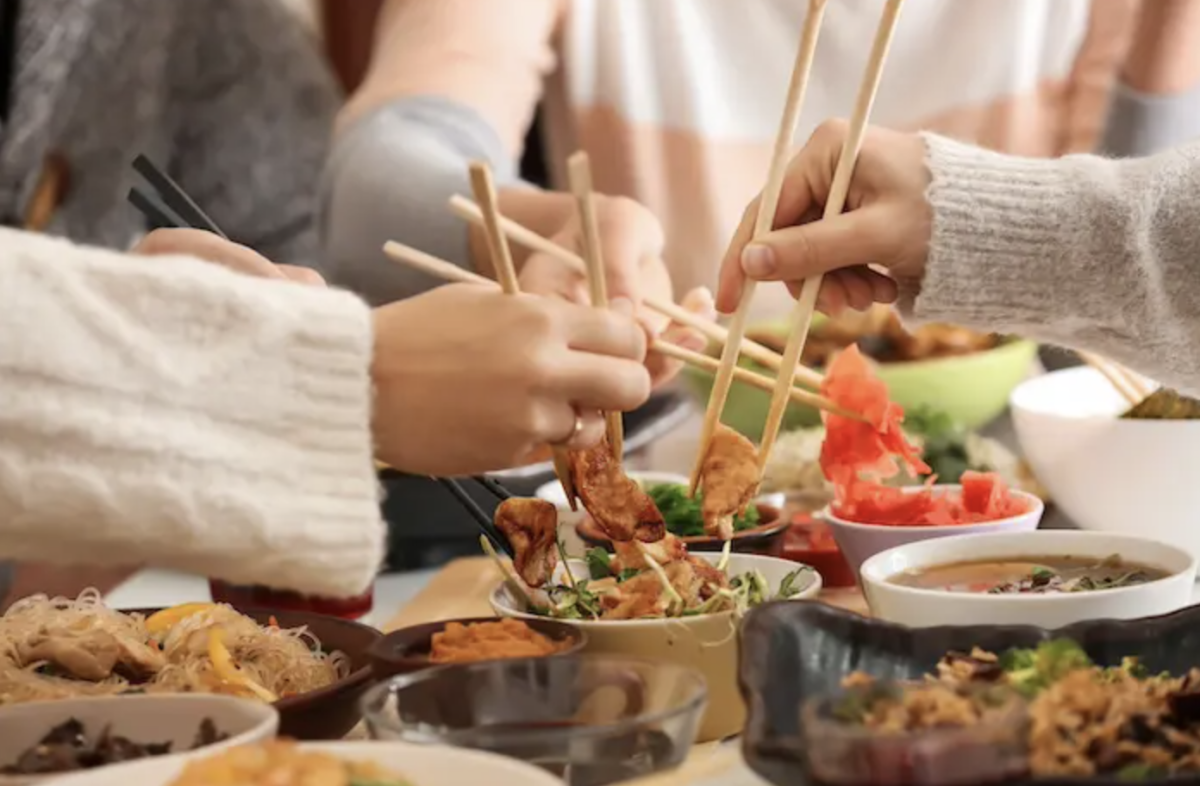
Meals in China are typically served family-style, with dishes placed in the center for everyone to share. It is common to use serving spoons or public chopsticks to transfer food to your own plate or bowl.
Chopstick Etiquette
Chopstick etiquette is central to Chinese dining. There are several important taboos to remember: never stick your chopsticks upright in a bowl of rice, as this resembles incense offerings for the dead and is considered highly inappropriate. Avoid using chopsticks to dig through a dish in search of a particular piece—this is seen as rude. Also, refrain from tapping chopsticks on the edge of bowls or plates, as it is associated with begging. Plus, the sound of tapping chopsticks is also disturbing.
Regional Variations: North vs. South
Customs can vary across China. In the north, it is common to place food directly onto your plate, using it as your main dining surface. In southern regions, however, food is placed inside the bowl, while food waste and other leftovers are set on the plate beside it. These subtle differences reflect local habits rather than strict rules.
A Unique Ritual in Guangdong Province & HK
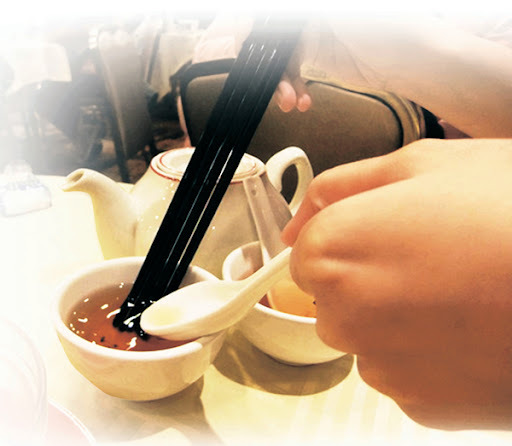
In Guangdong province and Hong Kong, it is customary to rinse your bowl, cup, and utensils with hot tea or hot water at the start of the meal. This practice is less about hygiene in modern times and more a traditional ritual that signals the beginning of the dining experience.
Tipping Is Not Expected
Unlike in many Western countries, tipping is not part of Chinese dining culture. However, in some restaurants in China, if you are dining in a private room, there might be an additional service charge. The waiters will usually remind the customers before they make a reservation.
(Editor: Ella Qu)
Related News:
Chinapedia | HK lights up for spectacular holiday season: A December to remember
Chinapedia | Lijiang: Stepping into natural wonders and ancient allure




Comment