






According to reports from Ta Kung Pao, citing American media, global tech companies have been fiercely competing in the field of artificial intelligence (AI) in recent years, with the American tech giant Meta repeatedly facing setbacks in this arena. Insider sources disclosed on the 9th that Meta's next-generation frontier model, "Avocado," originally scheduled for release by the end of this year, has been postponed to the first quarter of 2026 and is now more likely to be launched in a closed-source format. This suggests that Meta is essentially starting from scratch, deviating from its initial open-source approach to AI models. Additionally, reports indicate that Meta has "distilled" products from several major competitors, including models from Google, OpenAI, and Alibaba, during the training of the "Avocado" model, which has drawn ridicule from other developers.
Meta is undergoing a painful strategic transformation. Sources revealed that the highly recruited AI team, the superintelligence lab "TBD Lab," led by CEO Mark Elliot Zuckerberg, utilized third-party models from several competitors for "distillation" learning during the training process of the "Avocado" model, including Google's Gemma, OpenAI's GP-oss, and Alibaba's Qwen. The new Chief AI Officer at Meta, Wang Tao, is an advocate for closed-source models.
Zuckerberg Faces Backlash
This approach has been met with mockery from developers. "Distillation" is a model training technique in the AI field that enables smaller, simpler AI models to learn knowledge from larger, more complex models that have undergone thorough training, much like a "teacher-student" dynamic. While "distillation" is common in AI, Zuckerberg had previously claimed he wanted to build his own AI ecosystem. The shift to borrowing models from various competitors has led to ridicule.
Ironically, in January, when the Chinese AI company DeepSeek burst onto the scene, drawing public attention, Zuckerberg expressed concerns about "Chinese models possibly being affected by censorship" in a podcast with prominent American right-wing influencer Joseph James Rogan.
He has also repeatedly urged the US government to support domestic tech companies to secure a dominant position in the global AI race, stating that his open-source strategy is a crucial part of achieving this goal.
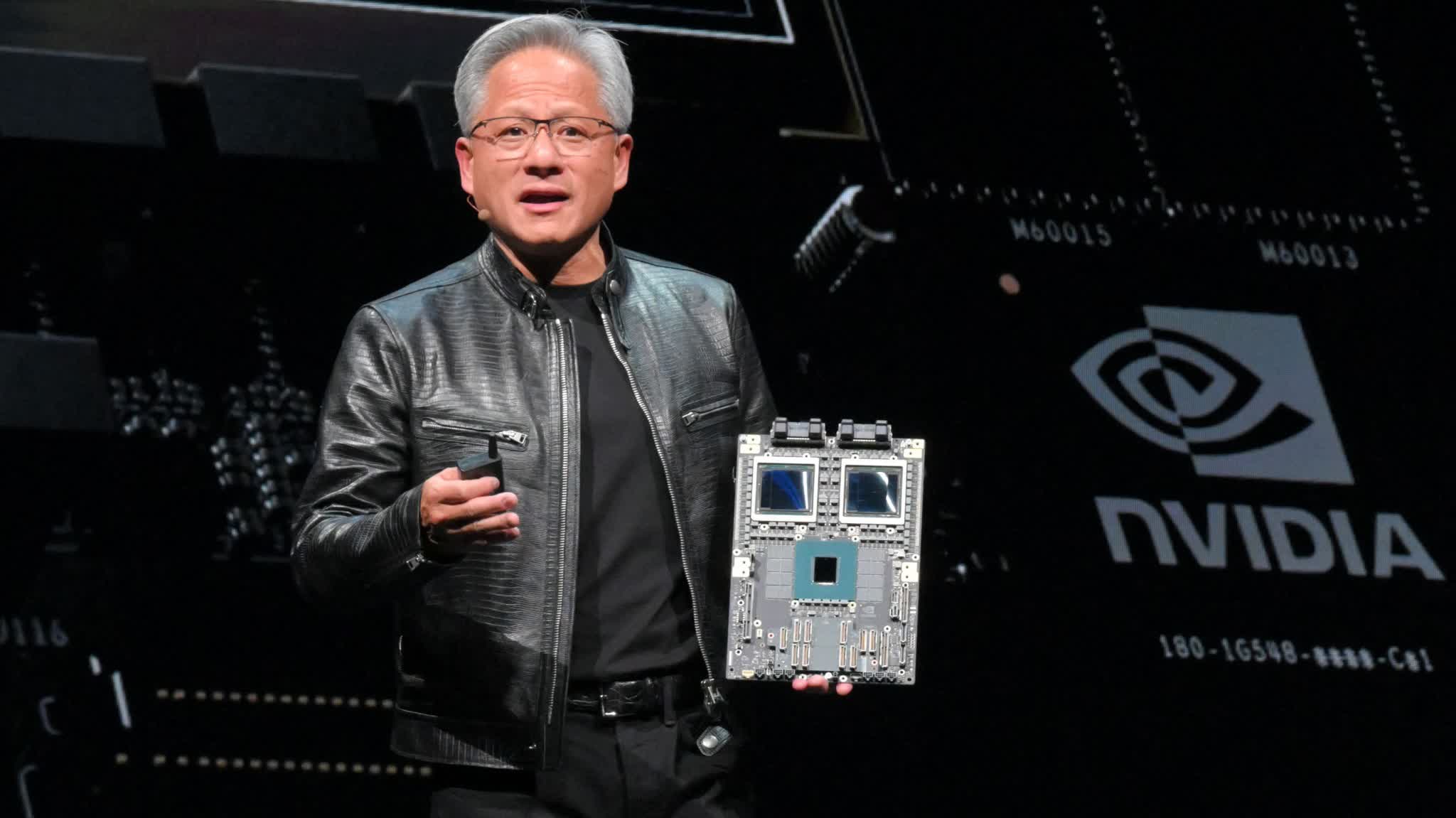
Bloomberg noted that Meta's distillation of Chinese AI models indirectly confirms the impressive capabilities of China's open-source models. Earlier this month, NVIDIA CEO Jensen Huang stated that China is far ahead in the field of open-source models. Over the past two years, Meta's flagship open-source AI model, the Llama series, was once the preferred open-source model among global developers, but high-performance open-source models like DeepSeek from China have emerged, putting Meta's position in the open-source AI space in jeopardy.
In April, Meta launched the highly anticipated open-source model Llama 4, but its performance fell short of market expectations. The model was reportedly suspected of "cheating" in rankings on the AI model evaluation platform LMArena, which sparked criticism. The current Chief Product Officer, Cox, was subsequently stripped of his management authority over the AI department. The originally planned release of "Avocado" has been postponed from the end of this year to spring next year, and it may be launched as a closed-source model, meaning developers will not have free access to download its parameters and related software.
Outsiders believe that Meta has fallen significantly behind its competitors, and its position in the AI field will depend on whether "Avocado" can be released as scheduled next year and make a market impact. Although Meta insists that "the model is progressing as planned," several anonymous engineers within the company have pointed out that "Avocado" has yet to achieve commercial levels of training stability and inference generalization, leading to a more conservative internal reassessment of its release timeline.
An engineer involved in the "Avocado" project candidly stated that discussions within Meta have shifted from "planning for the future" to "trying to catch up," indicating that the current Meta just wants to ensure it does not fall too far behind its competitors.
Additionally, the AI Singapore (AISG) undertook a significant strategic adjustment last month, opting to abandon Meta's model in its latest Southeast Asian language model project in favor of Alibaba's Qwen open-source framework.
Related News:
Regretful? Musk says he would not join 'DOGE' again if he could start over



























Comment