






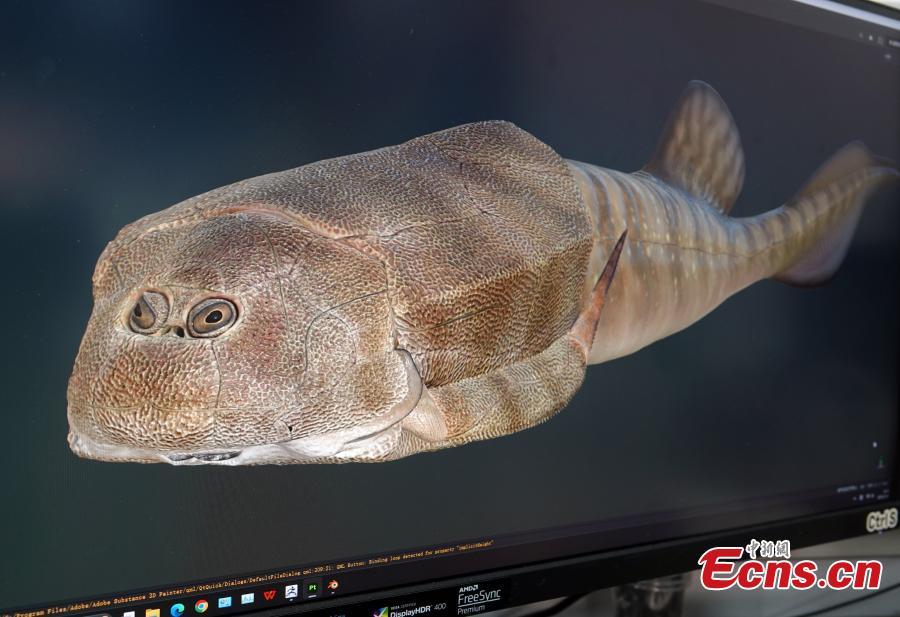
A new paleofish species fossil, Bothriolepis zhujiangyuensis, has been discovered in Southwest China's Yunnan Province, as announced by the Chinese Academy of Sciences (CAS) last Thursday (Feb. 20).
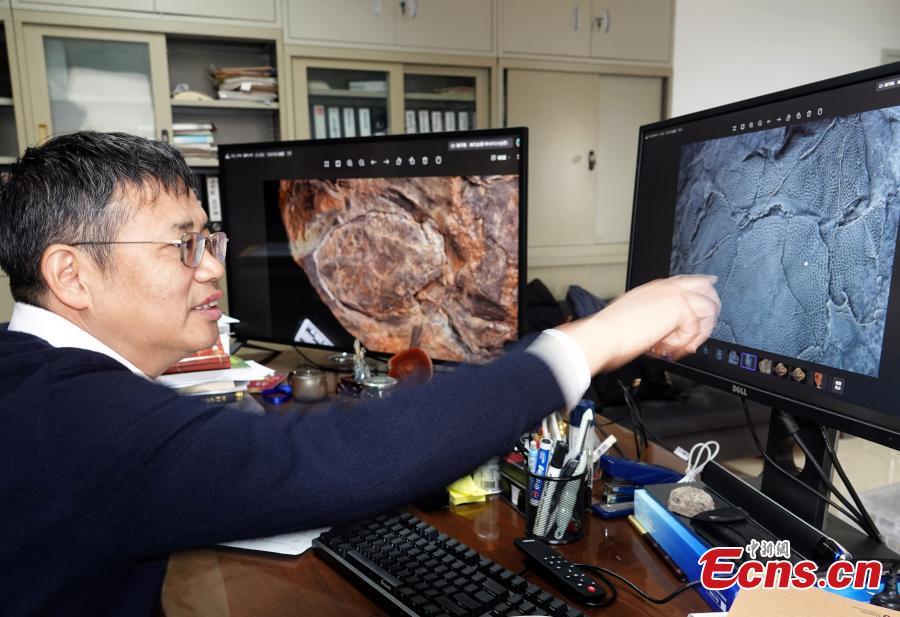
This finding marks the first instance of a fish fossil being uncovered at the source of the Pearl River and represents a new species within the Bothriolepis genus, the first such discovery in nearly 50 years in China, according to Xian Zumin, a member of the excavation team from Yunnan University.
Xian explained that the research clarifies the phylogenetic relationships among Bothriolepis species, enhancing the understanding of the early evolution of this genus. The study also provides insights into the potential biogeographical connections between the southern China and Kazakhstan plates approximately 390 million years ago.
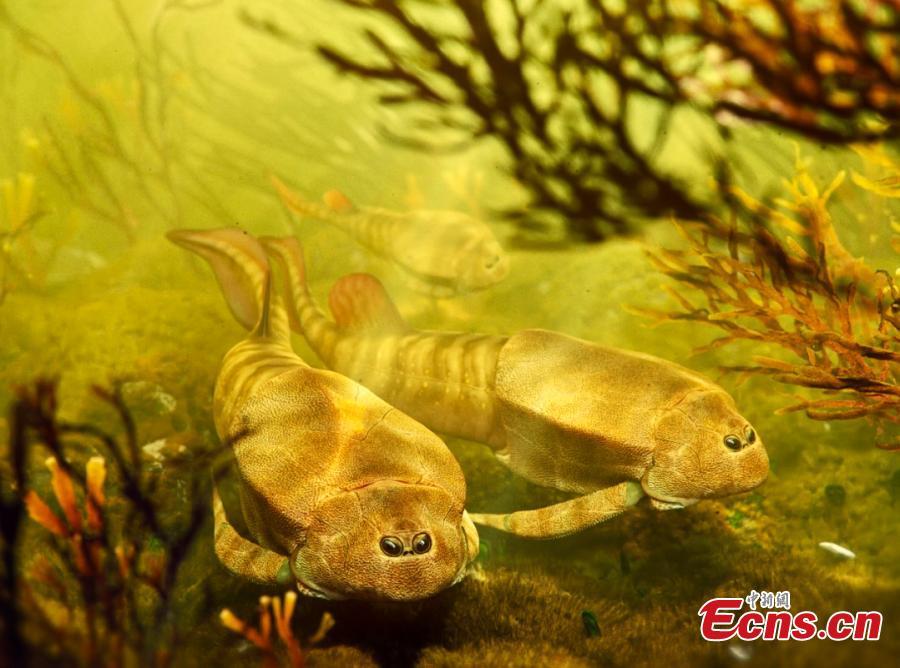
Bothriolepis zhujiangyuensis is characterized by several distinct features:
- A broad postpineal plate with a straight anterior margin.
- A premedian plate that is wider than it is long.
- A weakly developed dorsal median ridge on the trunk shield.
This species belongs to a highly specialized group, with dorsal orbits and a body encased in a hard, long, box-shaped membrane bone. Its pectoral fins are covered in small, segmented bony plates, indicating a likely bottom-dwelling lifestyle, as noted by the Institute of Vertebrate Paleontology and Paleoanthropology of the CAS.
Xian emphasized the importance of conducting in-depth morphological studies of the Bothriolepis genus, which has a wide global distribution with nearly 100 species, to resolve ongoing phylogenetic issues and explore related taxonomic and paleobiogeographical questions.
On a related note, a significant number of scattered ancient fish fossils were previously discovered along the trail to the summit of Maxiong Mountain in Yunnan, highlighting the region's rich paleontological history.
Related News:
Discovery of Jurassic bird fossils in China suggests 20 mn years earlier of birds origin




Comment