






US officials have revived internal discussions about potentially targeting Iran's senior leaders in future military strikes, according to sources cited on Nov. 24. Some officials argue that "eliminating" top Iranian leaders would demonstrate America's ability to strike the leadership and pressure Tehran to end the war. Opponents warn it could provoke Iranian retaliation, harden Tehran's resolve, and undermine diplomatic efforts to end the conflict.
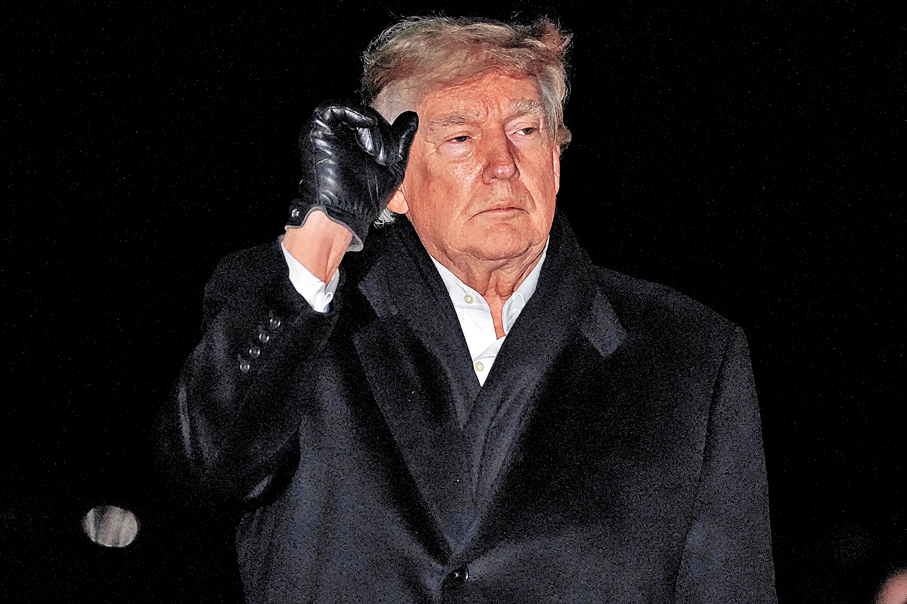
The debate has intensified in recent weeks as President Trump reassesses the next phase of military action. Trump said on Nov. 24 that funding for operations against Iran can last until the end of January next year. He noted that after Democrats take control of Congress in January, his military options may be constrained, but he hopes they will not "hastily end" the conflict. The Pentagon said on Nov. 19 that the war has cost US$48.3 billion as of Nov. 13, excluding losses from attacks on US bases in the Middle East.
The US has also maintained a naval blockade and launched the "Iron Gate" plan to restrict Iran's cross-border transport of advanced weapons and other materials by land. The Treasury announced new sanctions on the 23rd targeting Iranian currency exchangers, shell companies, and related individuals, focusing on disrupting underground banking networks used to evade sanctions.
Iran's First Vice President Mohammad Reza Aref said on Nov. 25 that Iran is not afraid of the US naval blockade and has sufficient strategic goods in reserve. He said the government plans to stabilize prices of basic living goods for at least three months. President Masoud Pezeshkian said the same day that the government will allocate more budget to help the poor.
Related News:
Trump blames US$6 trillion stock market slide after Democrats' midterm wins
Jensen Huang denies Trump pressure led to his reinstatement at Nvidia




Comment