






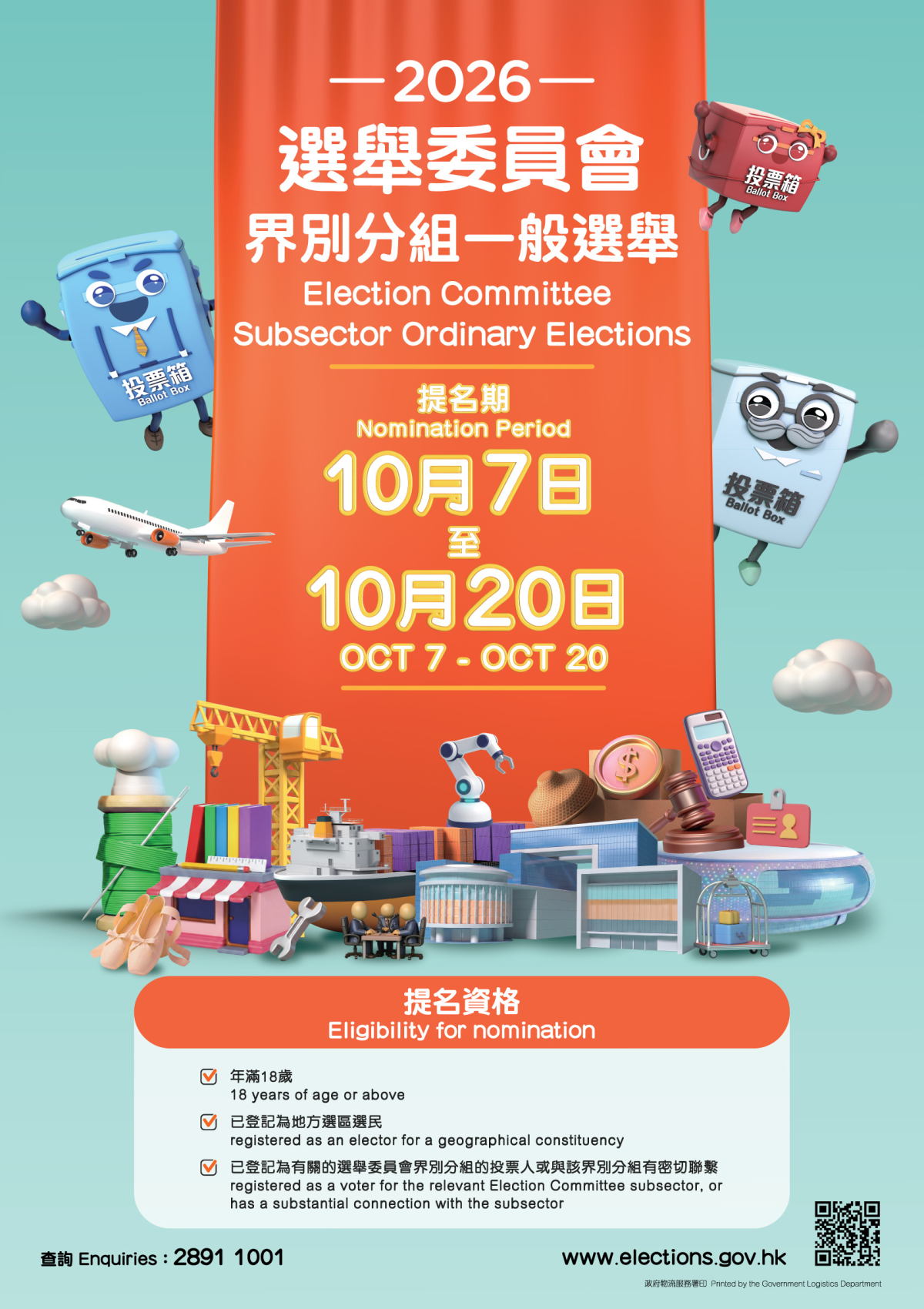
Hong Kong's 2026 Election Committee (EC) subsector ordinary election is set for Nov 22, with industry candidates using the campaign to address concerns over the city's shifting manufacturing base and the future of jobs in the textile and garment sector.
With production increasingly moving northward and offshore, local practitioners say they are worried about order flow and career prospects. In response, candidates have promoted proposals centered on building a "supply-chain hub" in Hong Kong, alongside tax incentives, as a way to keep commercial opportunities anchored in the city.
Candidates argued the most immediate benefit of a supply-chain hub would be practical: enabling local professionals to secure business without repeatedly traveling overseas to chase orders. The plan calls for aligning with government preferential tax rates to attract global sourcing offices, trade headquarters, and treasury centers to set up in Hong Kong, creating a platform where local manufacturers and designers can connect directly with international buyers in the city.
Supporters of the proposal said such a model could also lift employment across related sectors, including retail, design, and supporting services, while helping to draw talent back to Hong Kong by offering more stable, higher-value-added career paths.
Beyond order-taking and investment attraction, candidates also addressed questions from designers and workers about industry transition as consumers place growing emphasis on sustainability and local identity. They said the sector should accelerate upgrades through innovation and technology, including the creation of a transparent, traceable, sustainable supply chain platform compatible with international Digital Product Passport requirements, allowing consumers to verify eco-friendly materials and low-carbon production processes.
Candidates also highlighted the use of artificial intelligence to develop Hong Kong original fashion intellectual property (IP) and the promotion of local brands through platforms such as "Hong Kong Fashion Fest," blending homegrown design with elements of Chinese culture to broaden exposure among residents and visitors.
The textile and garment subsector sits within the EC's First Sector (Industrial, Commercial, and Financial Sectors). It has 17 seats, all filled by election. This year, 19 candidates are contesting the seats.




Comment