A wave of large-scale demonstrations in France last weekend spilled into scenes of unrest, looting, and clashes with police. (Reuters)
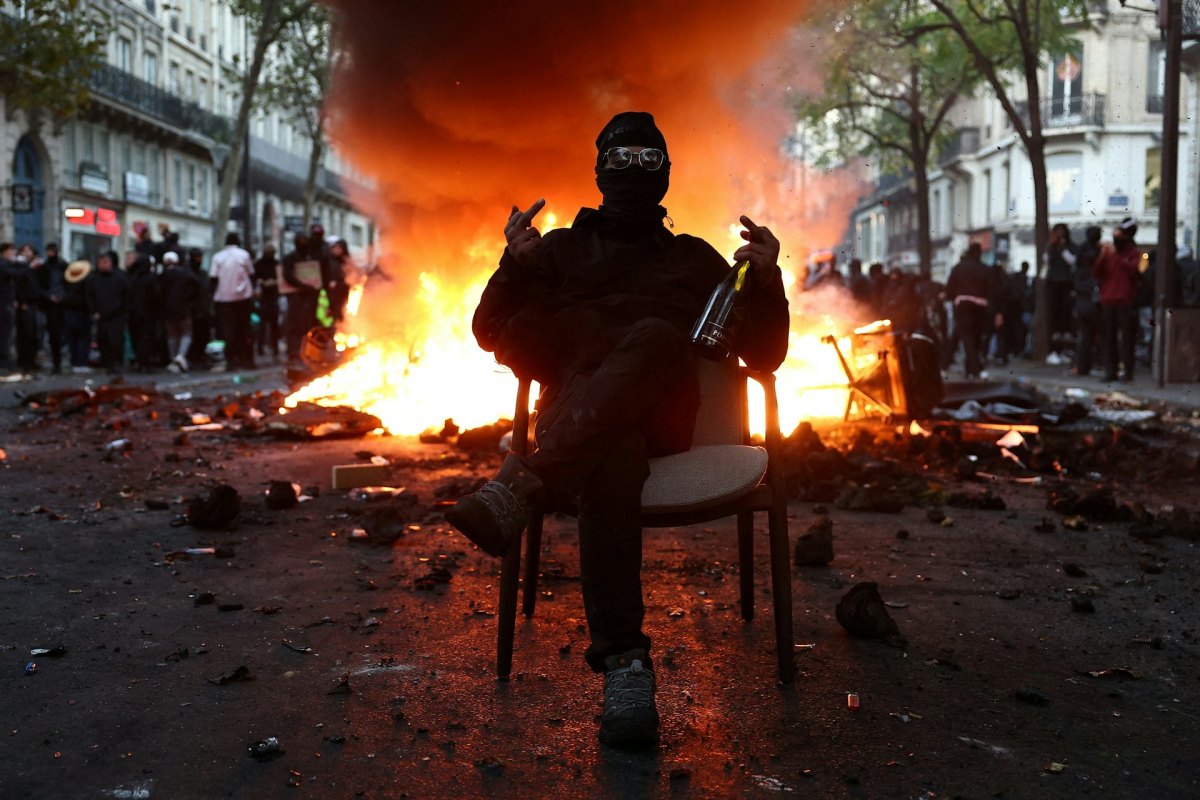
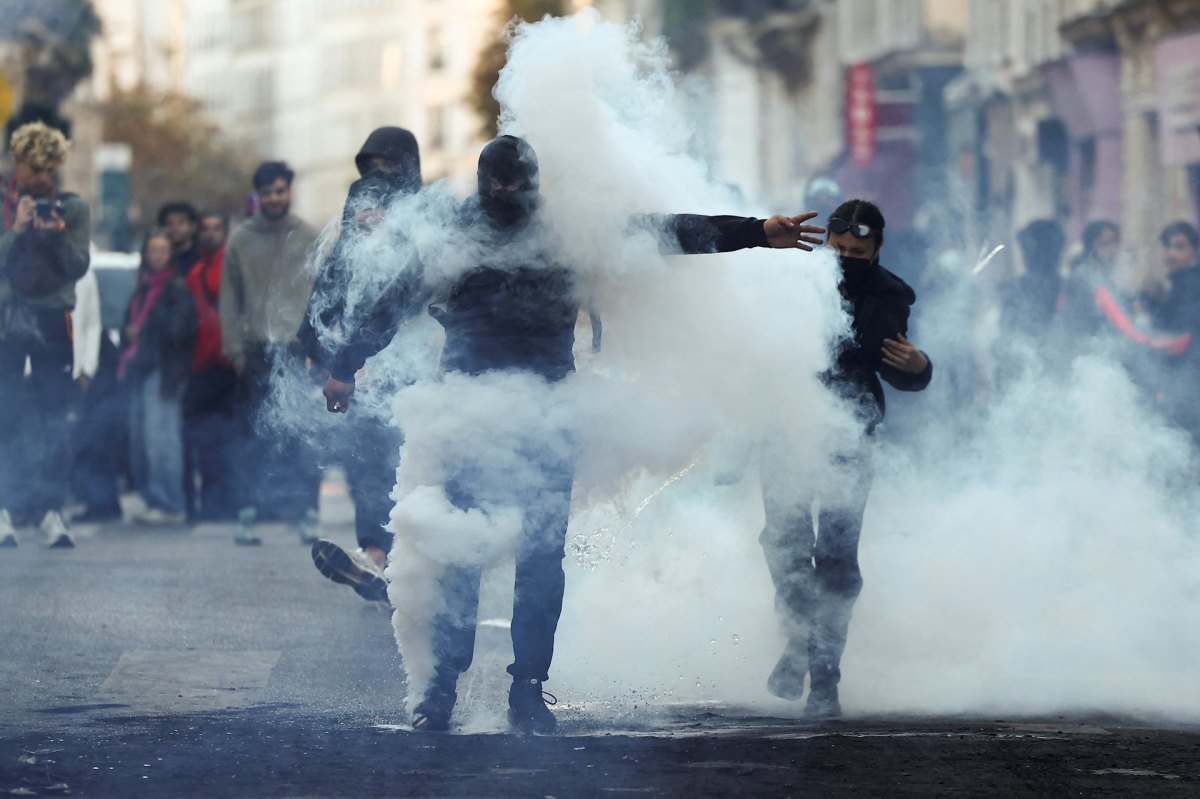
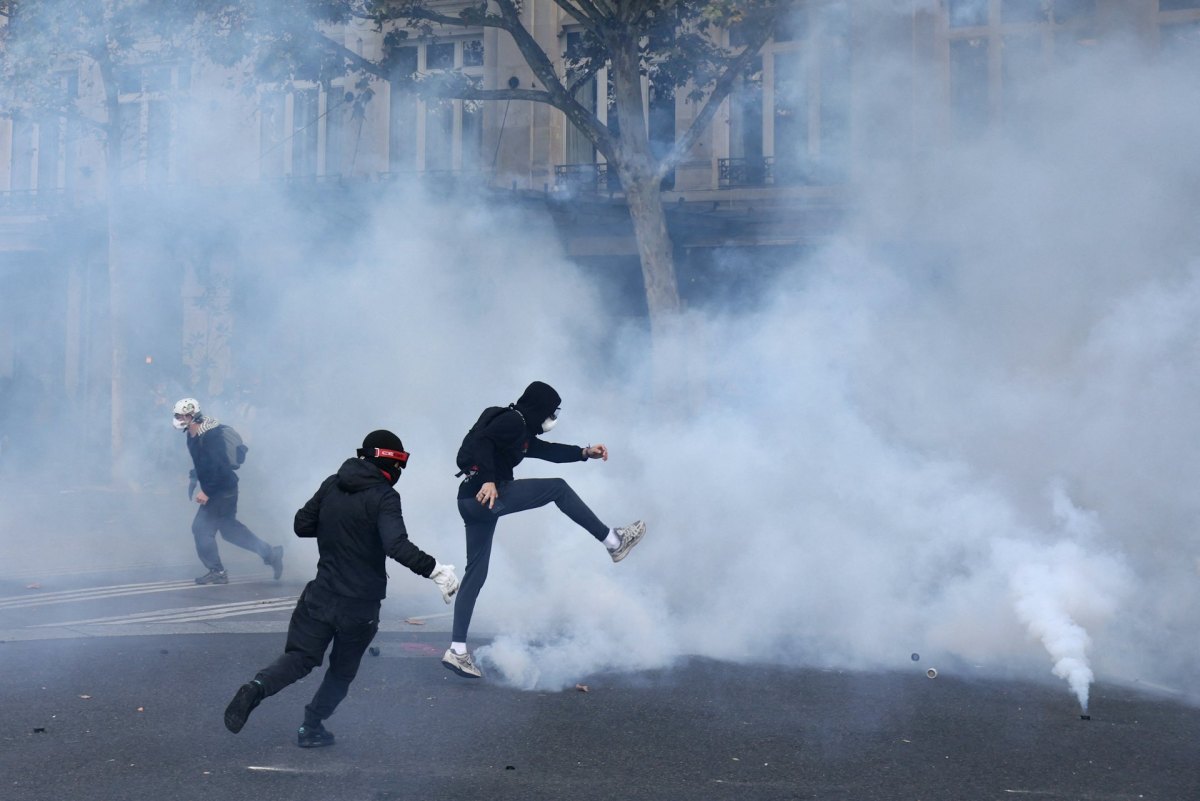
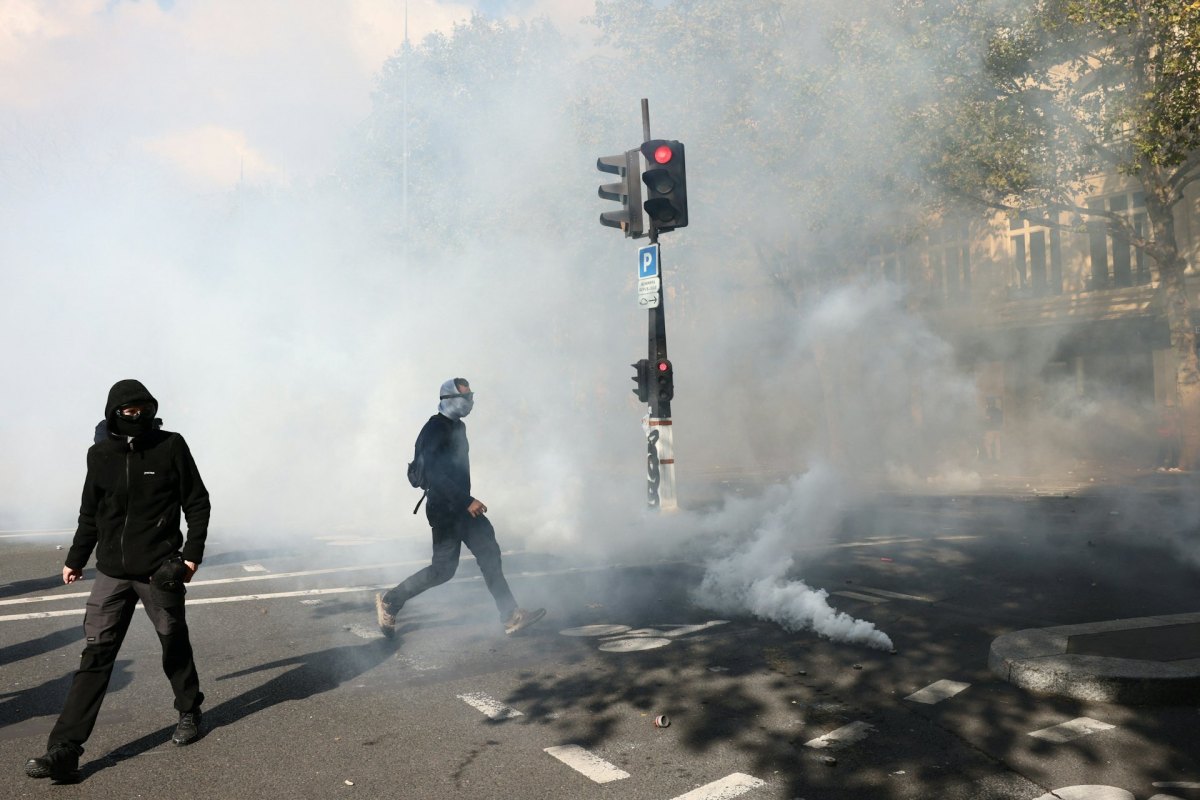
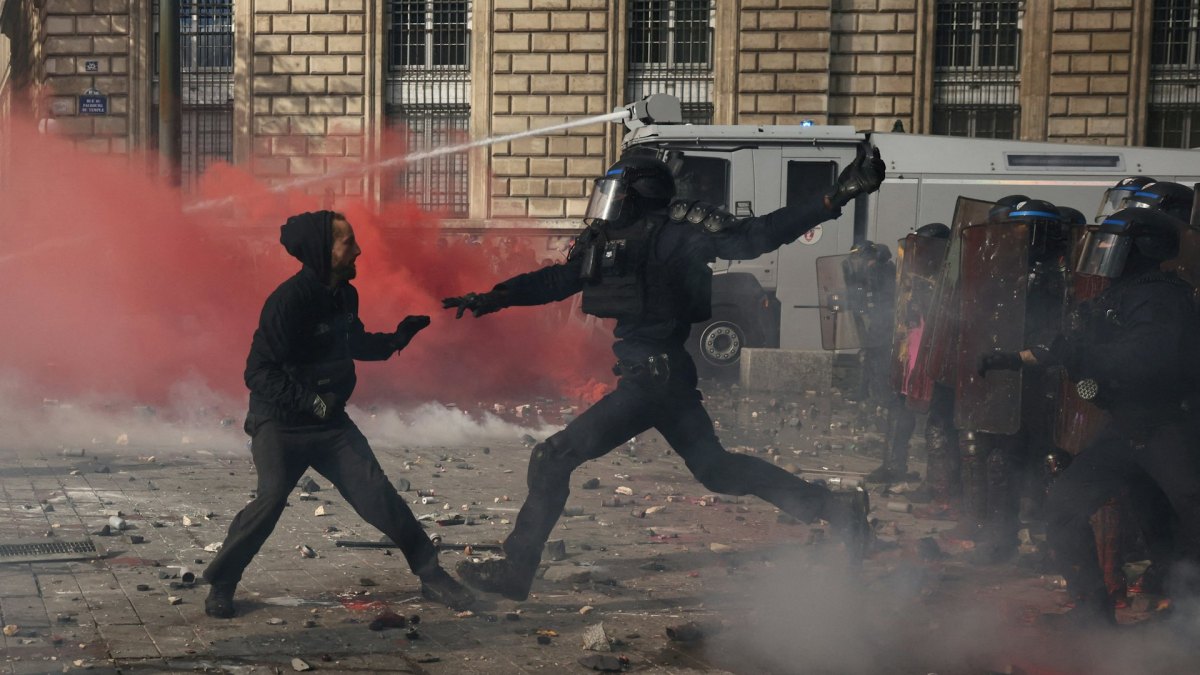
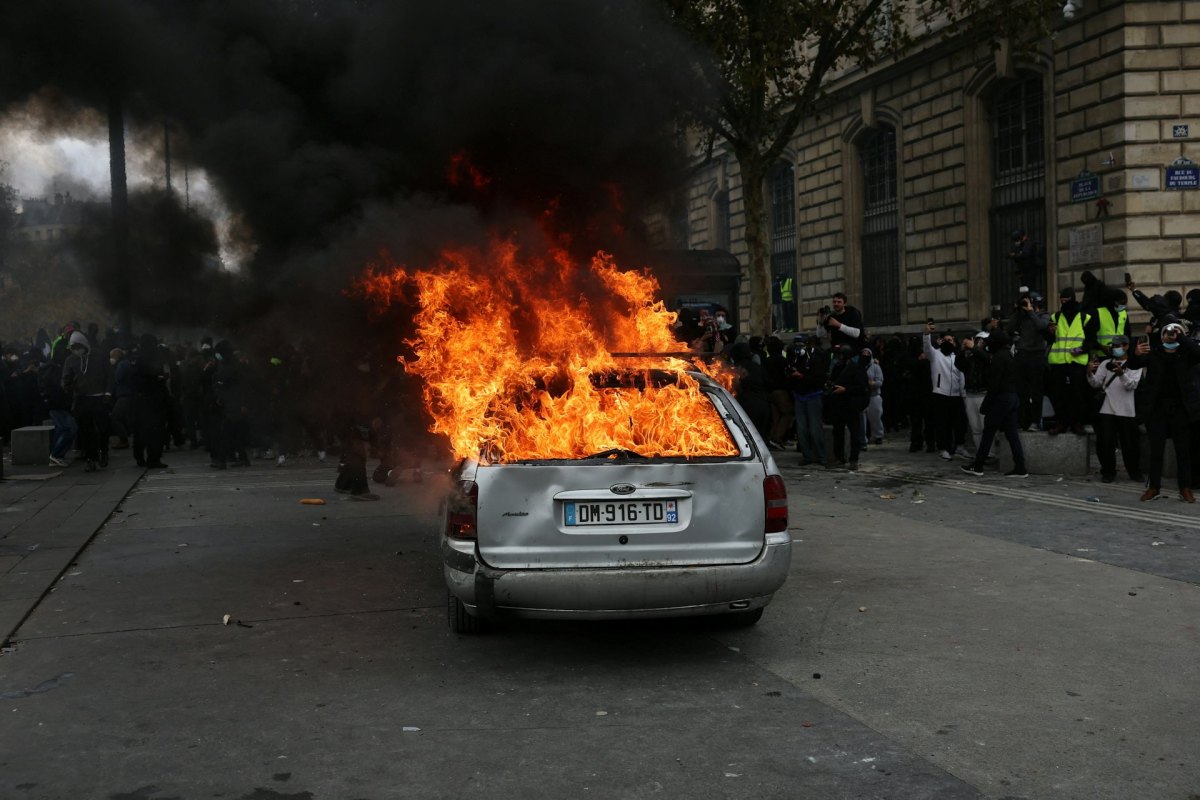
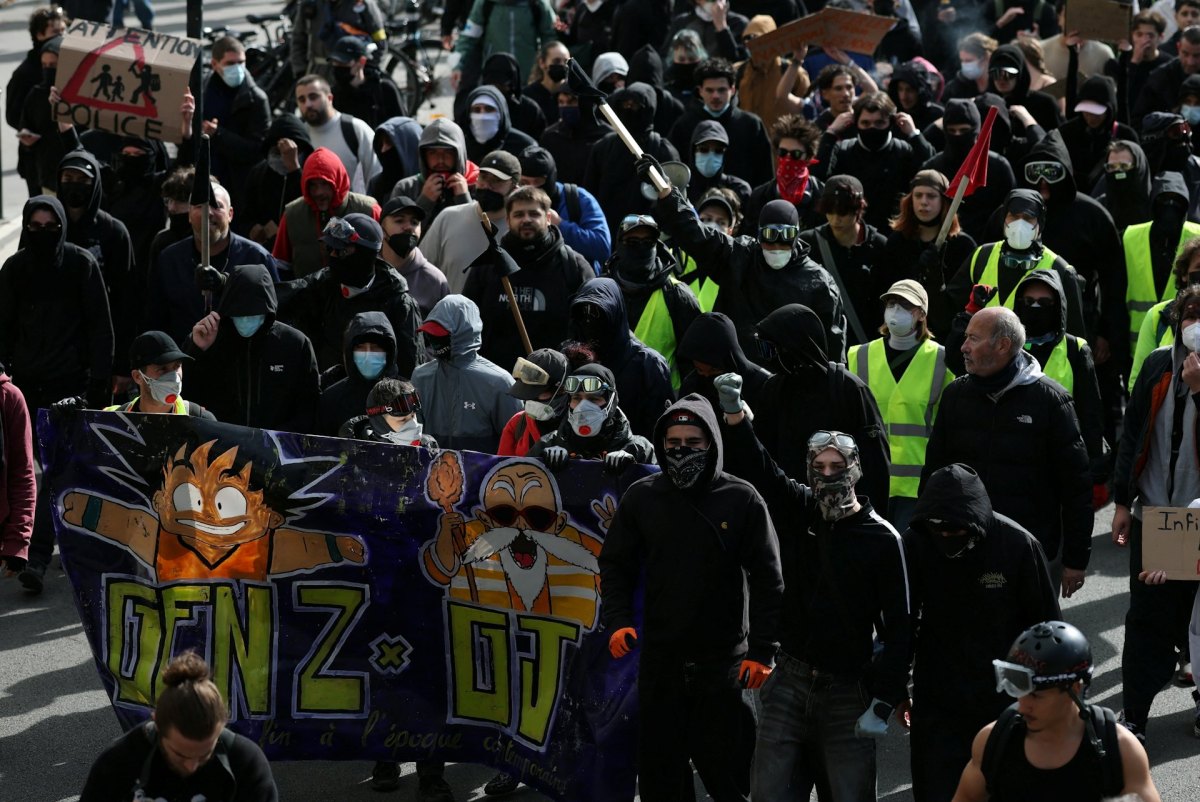
A wave of large-scale demonstrations in France last weekend spilled into scenes of unrest, looting, and clashes with police. Among the most striking images were groups dressed in black, masked, and seemingly prepared for confrontation—some carrying stones, fireworks, and even Molotov cocktails. French authorities have pointed to what they describe as "ultra-left" elements, with some participants adopting the so‑called Black Bloc approach.
Black Bloc is not a political party or a fixed organization with membership rolls or formal leadership. As described in the reporting cited by the Financial Times, it is better understood as a street tactic historically used by activists associated with anarchist, anti-capitalist, and anti-fascist currents. (Reuters)
Black Bloc is not a political party or a fixed organization with membership rolls or formal leadership. As described in the reporting cited by the Financial Times, it is better understood as a street tactic historically used by activists associated with anarchist, anti-capitalist, and anti-fascist currents. (Reuters)
Black Bloc is not a political party or a fixed organization with membership rolls or formal leadership. As described in the reporting cited by the Financial Times, it is better understood as a street tactic historically used by activists associated with anarchist, anti-capitalist, and anti-fascist currents. (Reuters)
Black Bloc is not a political party or a fixed organization with membership rolls or formal leadership. As described in the reporting cited by the Financial Times, it is better understood as a street tactic historically used by activists associated with anarchist, anti-capitalist, and anti-fascist currents. (Reuters)
Black Bloc is not a political party or a fixed organization with membership rolls or formal leadership. As described in the reporting cited by the Financial Times, it is better understood as a street tactic historically used by activists associated with anarchist, anti-capitalist, and anti-fascist currents. (Reuters)
Black Bloc is not a political party or a fixed organization with membership rolls or formal leadership. As described in the reporting cited by the Financial Times, it is better understood as a street tactic historically used by activists associated with anarchist, anti-capitalist, and anti-fascist currents. (Reuters)
Black Bloc is not a political party or a fixed organization with membership rolls or formal leadership. As described in the reporting cited by the Financial Times, it is better understood as a street tactic historically used by activists associated with anarchist, anti-capitalist, and anti-fascist currents. (Reuters)
Yet Black Bloc is not a political party or a fixed organization with membership rolls or formal leadership. As described in the reporting cited by the Financial Times, it is better understood as a street tactic historically used by activists associated with anarchist, anti-capitalist, and anti-fascist currents. The visual uniform—black clothing and face coverings—serves both practical and symbolic purposes, while on the ground participants may appear to divide tasks: some pry up paving stones to use as projectiles, while others bring fireworks or incendiary devices.
Security experts say the tactic can look "leaderless" and still function with remarkable discipline. Guillaume Farde, a security and defense specialist at Sciences Po, compared Black Bloc coordination to "an orchestra so familiar with the score that it no longer needs a conductor." Instead of centralized command, coordination is often horizontal, with techniques circulated through social media and encrypted messaging apps. Mobilization can also be initiated at short notice, making it difficult for police to anticipate where and when groups will form.
French security sources estimate that about 5,000 people in the country are considered potentially capable of violent action within what authorities label the "ultra-left." Prime Minister Sébastien Lecornu said a person suspected of involvement in an arson attack on a historic city hall in Limoges had been arrested and claimed that some areas saw "riot actions" planned by far-left groups. Prosecutors, however, have not released a complete set of investigative findings.
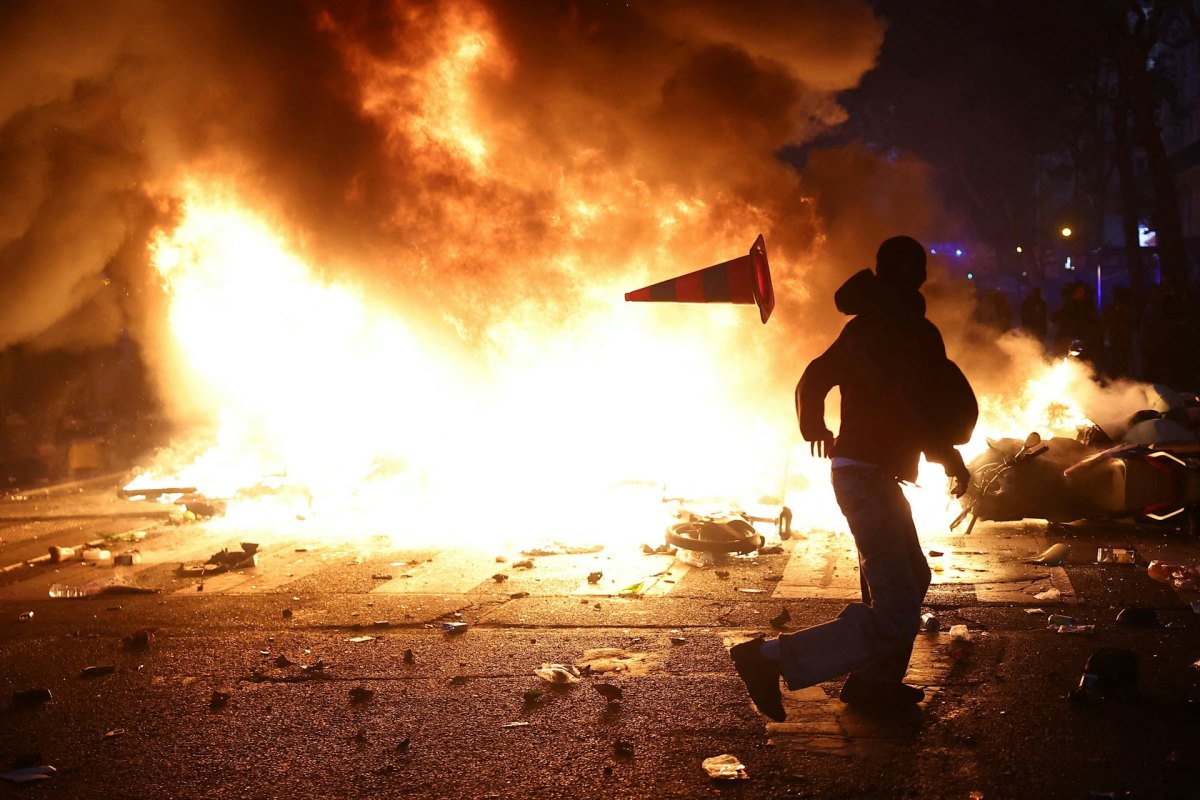
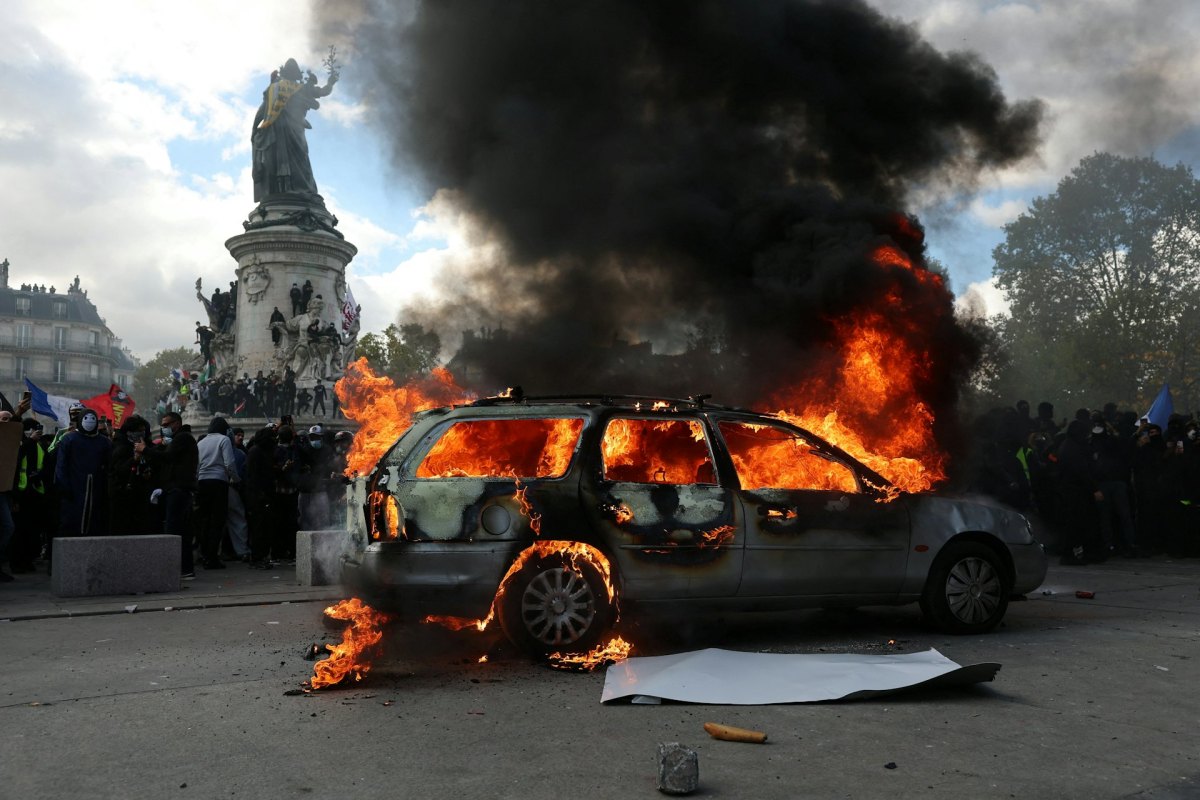
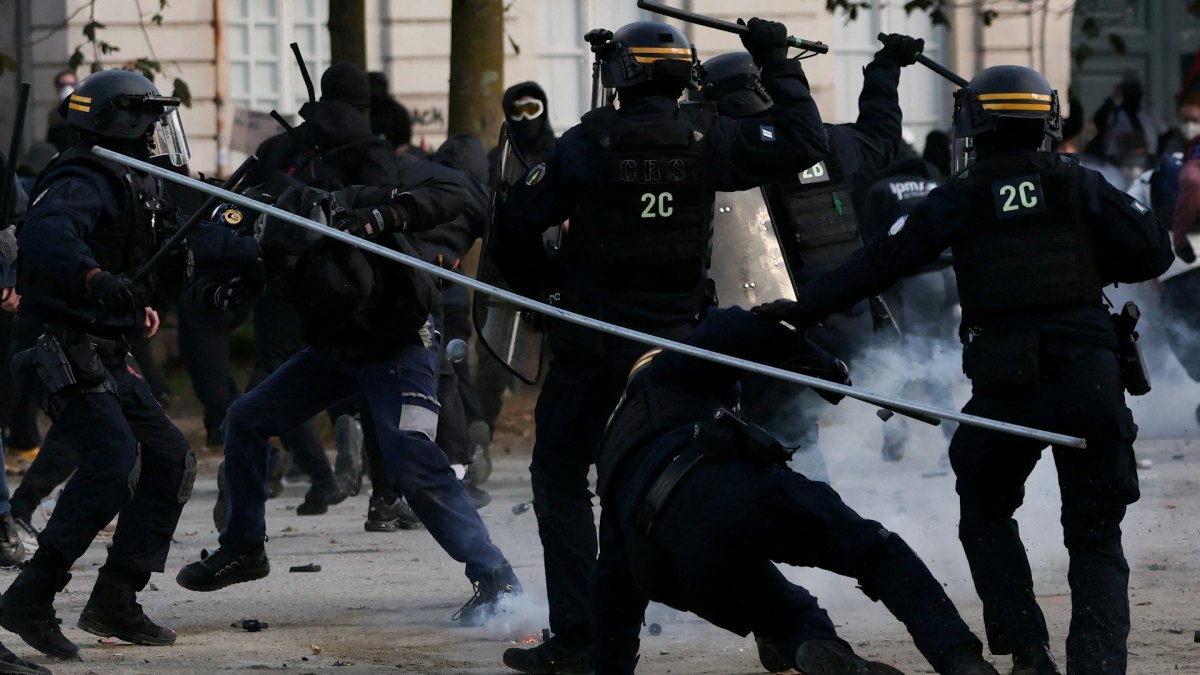
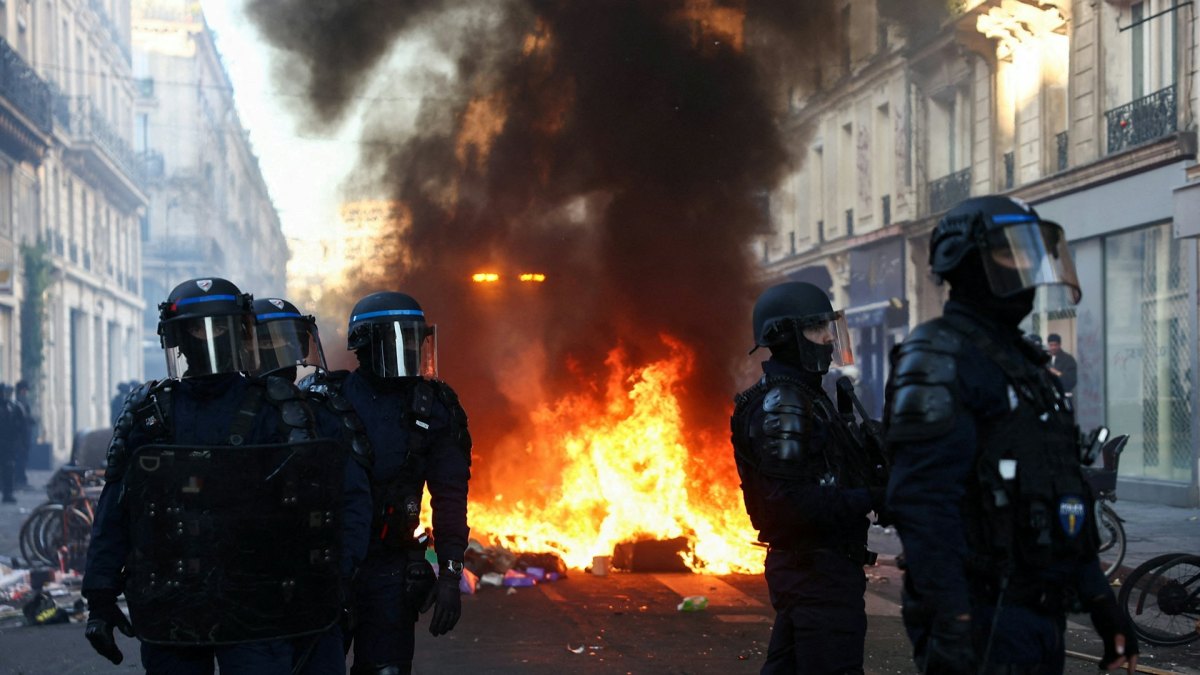
Roughly 500,000 people reportedly took part nationwide. In Paris, before the march formally began, black-clad individuals near Place de la République were reported to have thrown stones at police, built barricades, and set fires. Later in the day, some young people from suburban areas entered the city center and looted shops. (Reuters)
Roughly 500,000 people reportedly took part nationwide. In Paris, before the march formally began, black-clad individuals near Place de la République were reported to have thrown stones at police, built barricades, and set fires. Later in the day, some young people from suburban areas entered the city center and looted shops. (Reuters)
Roughly 500,000 people reportedly took part nationwide. In Paris, before the march formally began, black-clad individuals near Place de la République were reported to have thrown stones at police, built barricades, and set fires. Later in the day, some young people from suburban areas entered the city center and looted shops. (Reuters)
Roughly 500,000 people reportedly took part nationwide. In Paris, before the march formally began, black-clad individuals near Place de la République were reported to have thrown stones at police, built barricades, and set fires. Later in the day, some young people from suburban areas entered the city center and looted shops. (Reuters)
Roughly 500,000 people reportedly took part nationwide. In Paris, before the march formally began, black-clad individuals near Place de la République were reported to have thrown stones at police, built barricades, and set fires. Later in the day, some young people from suburban areas entered the city center and looted shops. (Reuters)
Roughly 500,000 people reportedly took part nationwide. In Paris, before the march formally began, black-clad individuals near Place de la République were reported to have thrown stones at police, built barricades, and set fires. Later in the day, some young people from suburban areas entered the city center and looted shops. (Reuters)
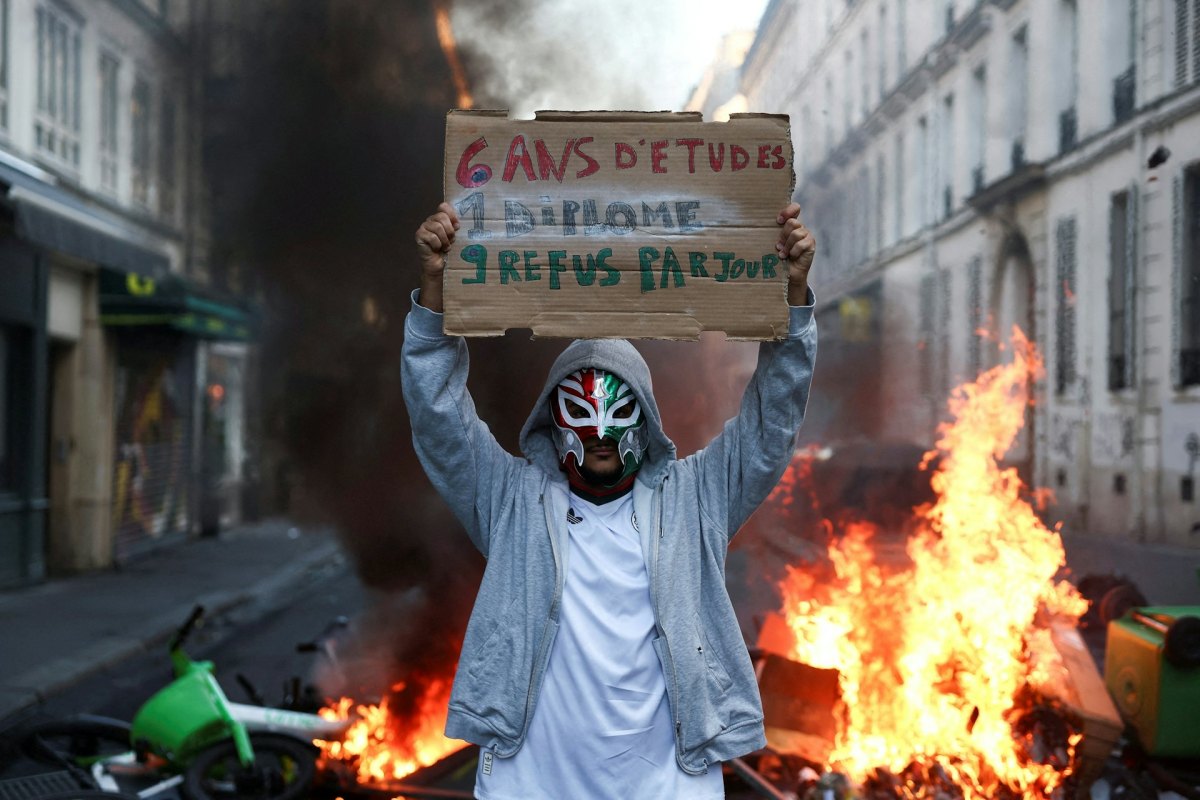
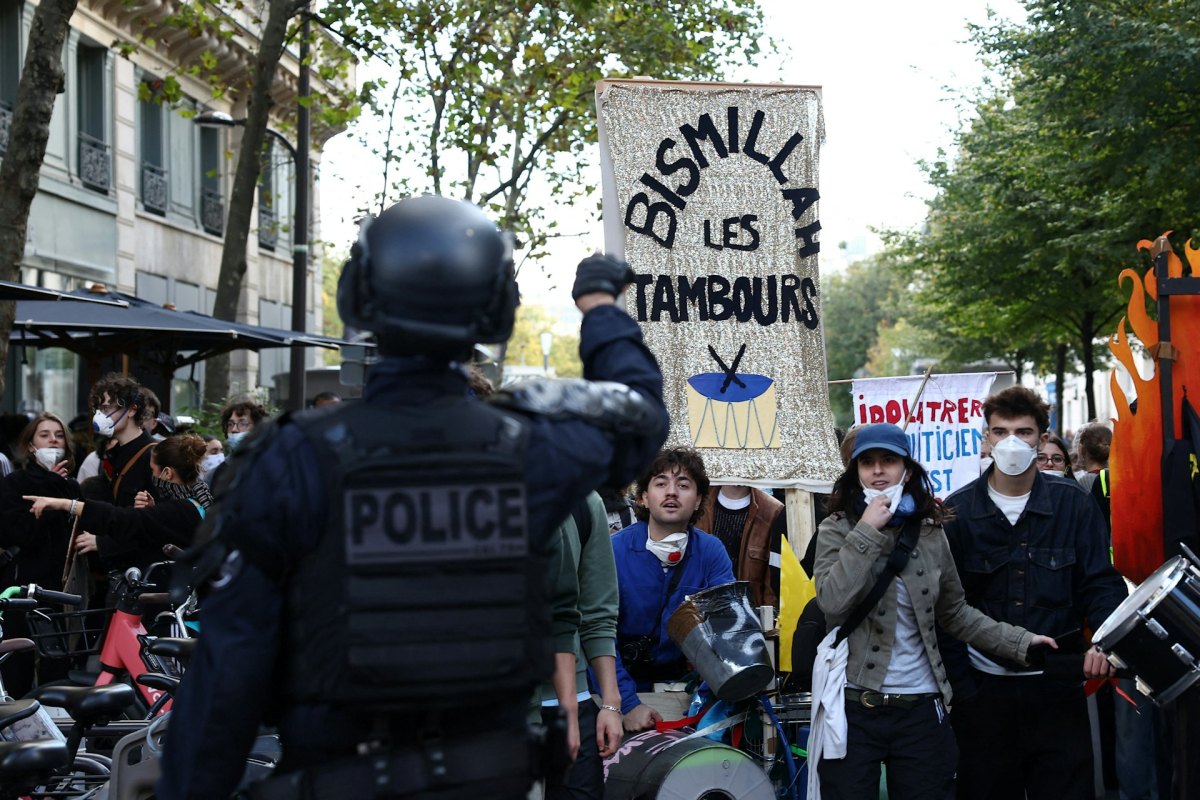
The Oct. 17 demonstrations were initially launched by students protesting issues in the education system before drawing in wider public anger over the cost of living. Roughly 500,000 people reportedly took part nationwide. In Paris, before the march formally began, black-clad individuals near Place de la République were reported to have thrown stones at police, built barricades, and set fires. Later in the day, some young people from suburban areas entered the city center and looted shops.
Notably, security sources described the simultaneous presence of far-left activists, radical left participants, and marginalized suburban youth as an unusual combination—while also stressing that existing signs did not show that far-left actors initiated the looting. Authorities have not made public evidence to that effect.
Historically, Black Bloc tactics emerged from anarchist and radical left movements in West Germany in the 1980s and gained broader international visibility after clashes surrounding the 1999 WTO summit in Seattle. In France, the phenomenon became more recognizable during the 2016 protests against labor law reforms.
Researchers say motivations can vary widely. Historian Sylvain Boulouque, who studies social movements, notes that some adherents view riots as a way to bring about a new world, while others believe confrontation—and the crackdown that may follow—can expose what they see as the state's coercive power. Authorities are also alert to signs that protesters without strong ideological roots are imitating the tactics. Thierry Vincent, an author who studies Black Bloc, argues that during the "yellow vest" movement beginning in 2018, demonstrators with little prior political engagement were seen learning street confrontation methods associated with Black Bloc.
In that sense, Vincent cautions against treating Black Bloc as a sealed-off fringe detached from broader protests. Instead, he suggests it may represent the most visible—and most radical—expression of a wider social anger that continues to spread.










Comment