






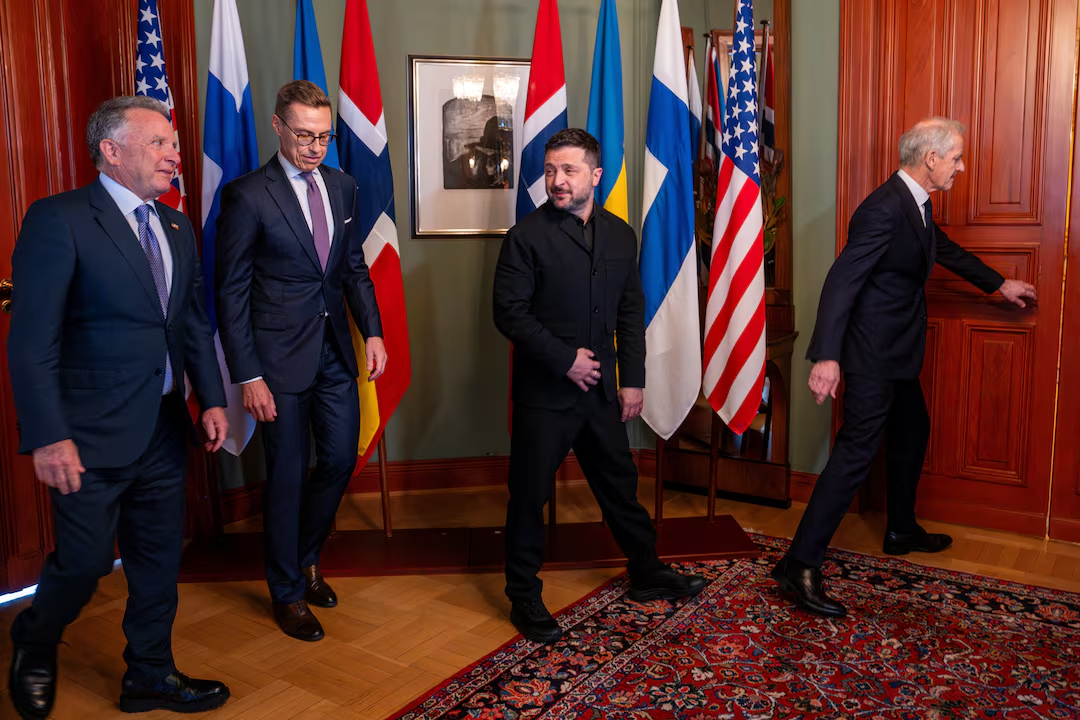
US special envoy Steve Witkoff will travel to St. Petersburg on Oct. 21 to meet Russian President Vladimir Putin. A day earlier, he held talks with Ukrainian President Volodymyr Zelensky in Oslo, Norway. US officials described the talks as "constructive" and said the parties had made "meaningful progress" in coordinating engagement with Russia.
The Oslo talks covered key elements of a comprehensive peace framework, including "Article 5-like" security guarantees for Ukraine, a post-war economic plan and a broader European security architecture. Witkoff's goal was to "create a pathway for direct trilateral negotiations." After the meeting, Zelensky said the US had resumed providing intelligence warnings to Ukraine about Russian missile attacks, and that he had discussed the supply of "Patriot" interceptors with Secretary of State Marco Rubio. Rubio acknowledged that the relevant interceptors may not yet have been delivered but denied that the US was deliberately harming Ukraine.
Meanwhile, Trump again pressured Kyiv on Oct. 20 that Ukraine must genuinely want to end this war. He also said Russia has been doing well on Ukraine. Analysts noted that Trump has repeatedly condemned Ukrainian strikes on Russian oil refineries but has rarely mentioned Russia's more severe attacks on Ukrainian energy facilities—Russian forces overnight on Oct. 20 attacked energy facilities in seven Ukrainian regions and multiple cargo ships.
In addition, The Wall Street Journal on Oct. 20 cited informed sources as saying that Musk, after discussions with Trump and other officials, ordered a reduction in the speed of "Starshield" services. Musk had previously said that restrictions on the system's use ultimately depended on Trump. Reuters earlier reported that the relevant restrictions came from within the White House.
Related News:
Trump says Russia willing to reach Ukraine peace deal, criticizes Zelensky
British PM reiterates solidarity with Zelensky amid US-Ukraine tensions




Comment