






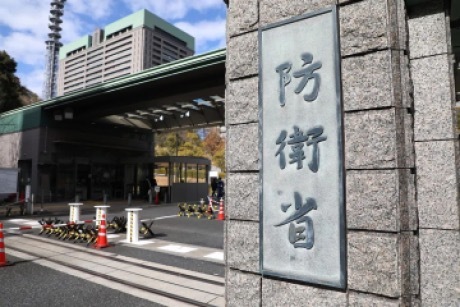
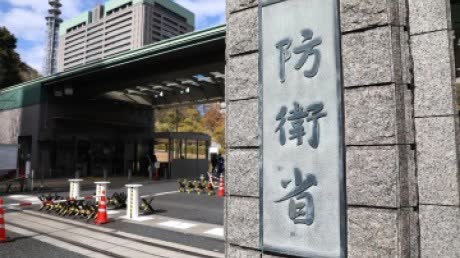
Japan is considering raising corporate taxes to help fund a major increase in defence spending as the government moves to revise its three key national security and defence policy documents, Kyodo News reported exclusively on Oct. 17, citing multiple sources familiar with the matter.
Under the proposal being discussed within the Japanese government, higher corporate income tax would provide a stable source of funding for the country's continued military expansion.
Under Japan's current Defence Buildup Programme, total defence spending is projected to reach approximately 43 trillion yen from fiscal 2023 to fiscal 2027. The defence budget for fiscal 2026 has already reached about 9 trillion yen, including costs related to the realignment of US forces stationed in Japan.
Kyodo News reported that the next Defence Buildup Programme, covering fiscal 2027 to fiscal 2031, is expected to focus on large-scale procurement of drones and stockpiling equipment, including ammunition and missiles, needed to sustain a prolonged conflict.
A senior ruling-party official told Kyodo that a straightforward estimate based on the scale of equipment procurement and force development deemed necessary by the Ministry of Defense suggests that defence spending over the next five years could swell to between 70 trillion and 80 trillion yen. This would likely push annual defence spending above 10 trillion yen.
Such a substantial increase in military expenditure would place greater pressure on Japan's public finances. According to Kyodo, the government is also examining whether funds could be secured by cutting other areas of public spending, alongside the option of raising corporate taxes. However, it remains uncertain whether spending cuts alone could free up sufficient funds.
A corporate tax increase is seen as one way to secure a more stable source of revenue. However, further tax hikes could face opposition from the business community. Japanese companies are concerned that an additional tax burden could hamper wage growth and undermine their international competitiveness, making the discussions difficult.
The latest increase in Japan's defence spending comes amid pressure from the US. Reuters reported on Oct 16, citing Japan's Asahi Shimbun, that despite repeated calls from the Trump administration for Japan to raise defence spending to 3.5 percent of gross domestic product (GDP), the Japanese government is inclined to avoid making an explicit commitment when revising its National Security Strategy by the end of this year.
According to the report, the Trump administration has repeatedly urged Japan in closed-door meetings to raise defence spending to 3.5 percent of GDP, describing that level as a global standard that US allies should follow.
For Japan, however, accepting the target would entail a substantial fiscal burden. Asahi Shimbun estimated that raising defence spending to 3.5 percent of GDP would require Japan to spend more than 20 trillion yen annually.
Citing several Japanese government sources, the report said Tokyo currently favours a substantial increase in defence-related spending over the next five years, including broader expenditure on security-related areas.
Related News:




























Comment