






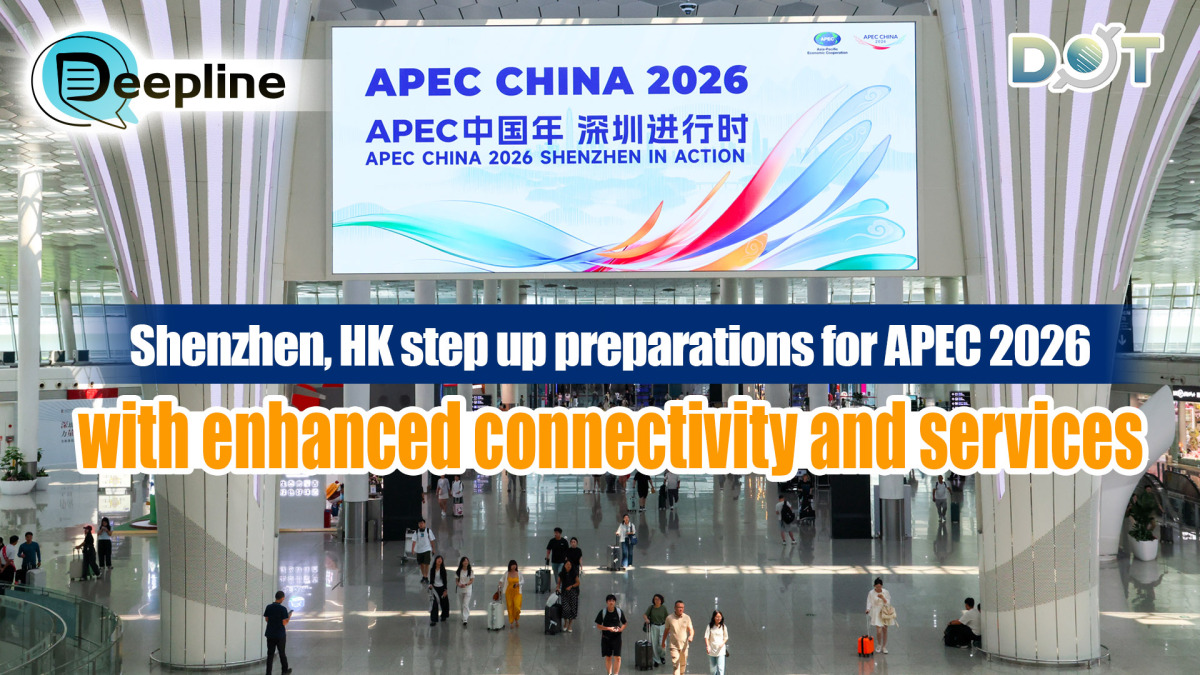
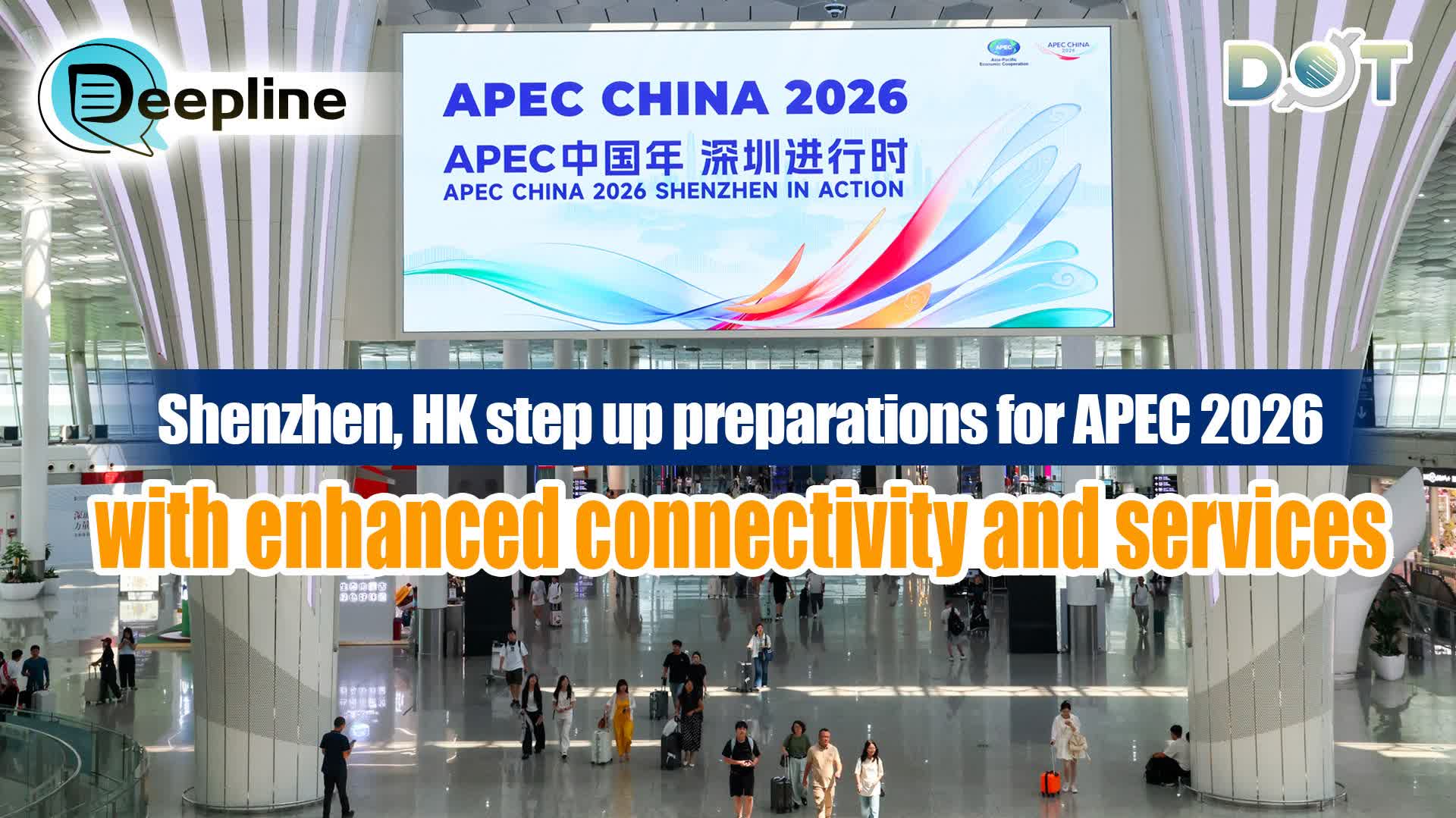
China, as host of the 2026 Asia-Pacific Economic Cooperation (APEC) forum, will hold the 33rd APEC Economic Leaders' Meeting in Shenzhen, Guangdong province, on Nov. 18 and 19. With one month to go before the meeting opens, Shenzhen is preparing to welcome international guests with renewed energy and a comprehensive range of arrangements.
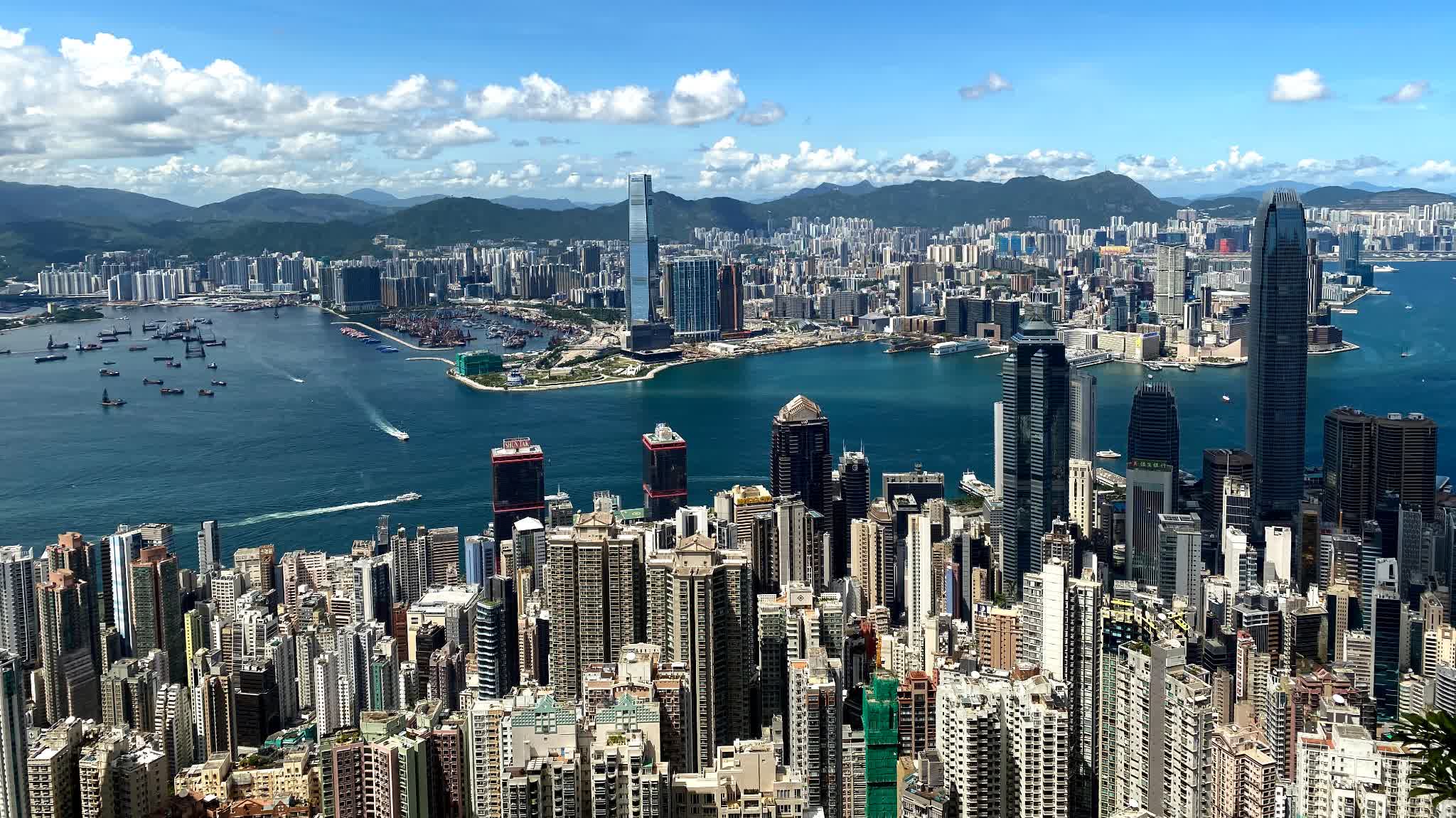
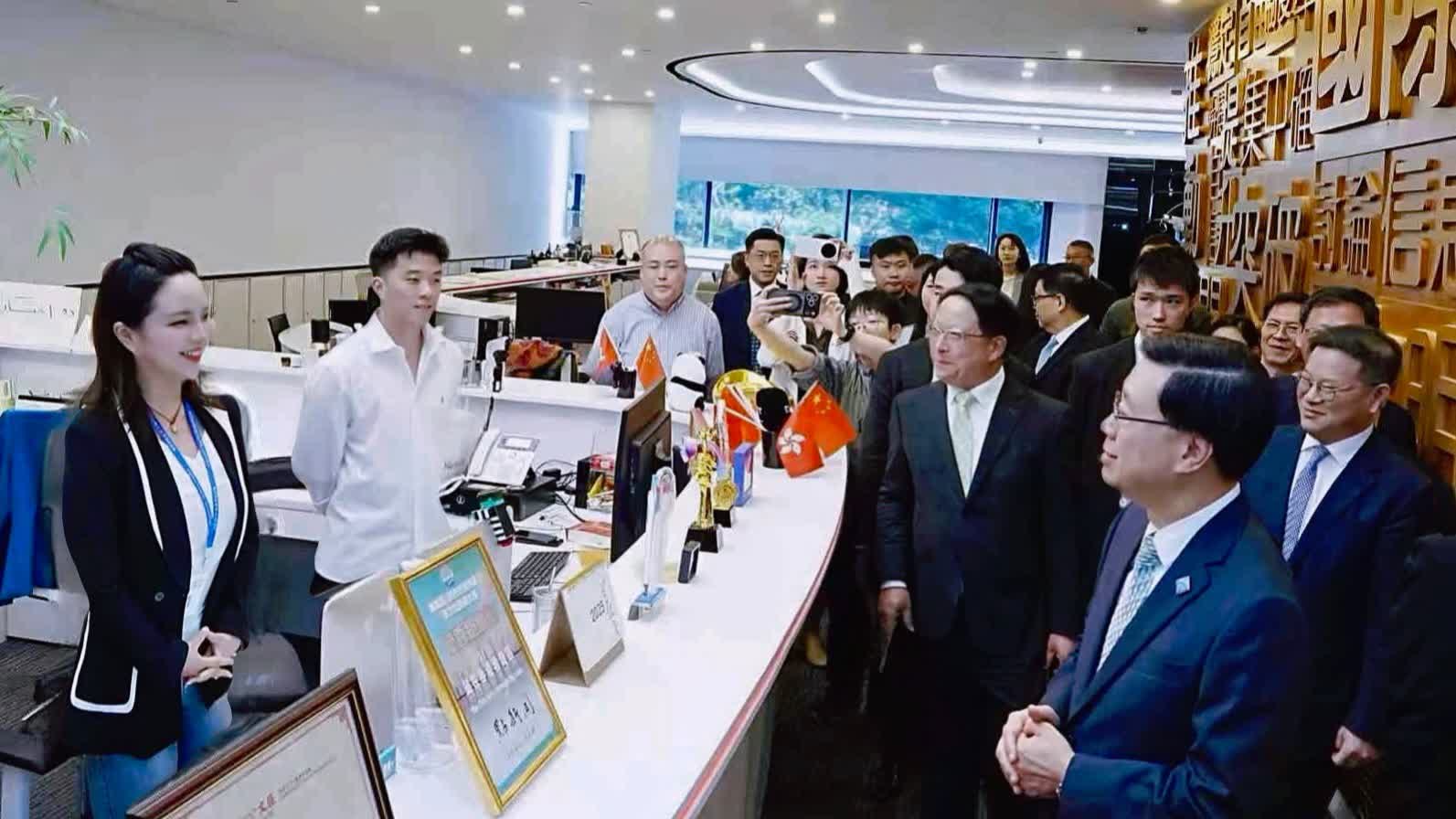
Guided by the principle of "hosting a successful event to elevate the city", Shenzhen and Hong Kong are pressing ahead with preparations. Key developments include the opening of the redeveloped Huanggang Port, the establishment of a center in Qianhai to promote APEC cooperation on cross-border data flows, and improvements to payment services for inbound travelers.
From "hard connectivity" through infrastructure to "soft connectivity" through rules and institutional mechanisms, the two cities are working to the highest standards and implementing concrete measures to showcase the vitality of integrated development in the Guangdong-Hong Kong-Macao Greater Bay Area (GBA) and its openness to the world.
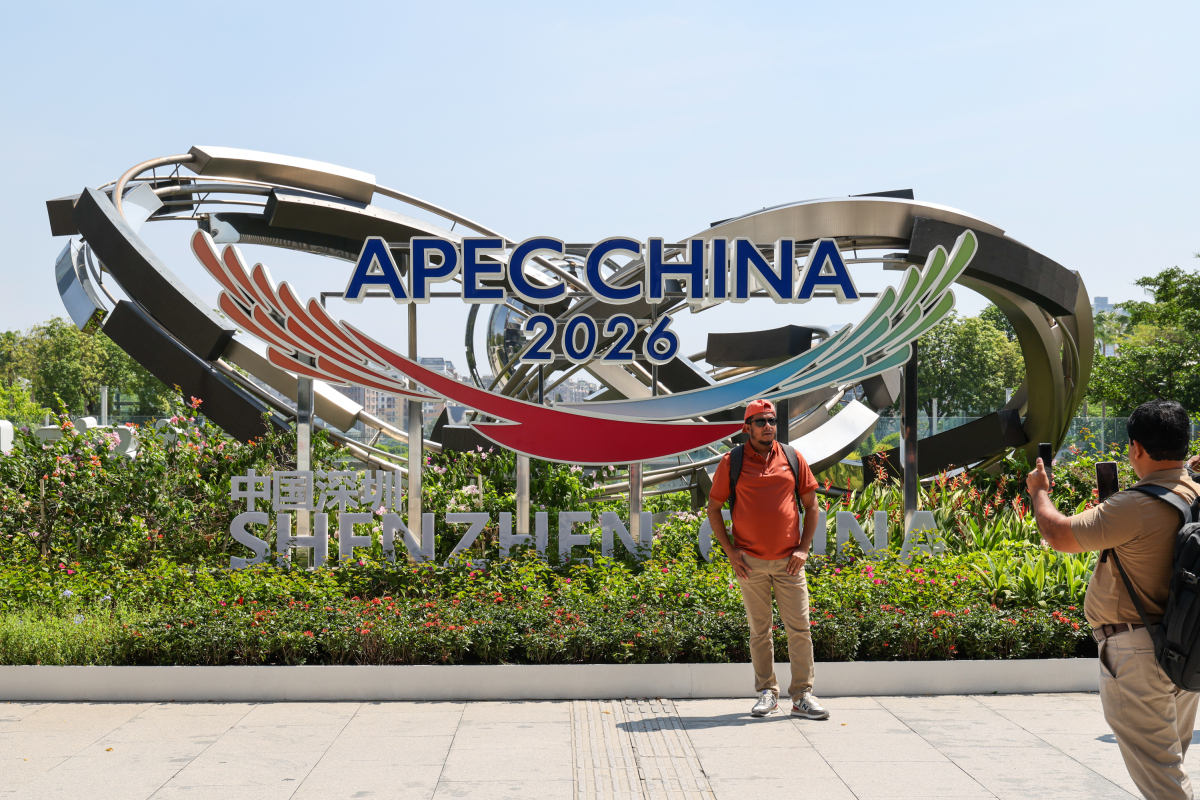
On the infrastructure front, Shenzhen and Hong Kong are accelerating efforts to build a comprehensive, efficient and interconnected transport network.
The rebuilt Huanggang Port has fully implemented a new model of collaborative inspection and joint clearance under the co-location arrangement, with 134 self-service clearance channels. The new system has cut clearance times from about 30 minutes to approximately five minutes, directly supporting the Shenzhen-Hong Kong Science and Technology Innovation Cooperation Zone in the Hetao area.
Shenzhen accelerates construction of 11 new metro lines
Shenzhen is using APEC as an opportunity to accelerate transport infrastructure development. Construction of 11 new metro lines is progressing to expand the city's network and ensure smooth movement of people and goods for visitors from across the Asia-Pacific region.
On the "soft connectivity" front, Shenzhen has introduced 21 key tasks covering cross-border travel, capital flows and data movement to create a world-class business environment. Qianhai has established a center to promote APEC cooperation on cross-border data flows, while business volumes on the Shenzhen-HK cross-boundary data verification platform have surged.
HK, meanwhile, is leveraging its common law system and zero-tariff advantages to serve as a hub for the institutional infrastructure underpinning Asia-Pacific economic and trade cooperation. This is helping accelerate the development of an innovation and technology industrial chain in which research is conducted in HK, commercialized in Qianhai and scaled up for mass production across the GBA.
Shenzhen Baoan International Airport is also upgrading its services. It currently operates more than 30 passenger routes connecting Shenzhen with major cities in APEC member economies, with more than 700 scheduled inbound and outbound flights per week.
Since the beginning of this year, the airport has handled more than 1 million entries and exits by foreign passengers from APEC member economies. Nearly 400 new multilingual signs in Chinese, English, Japanese and Korean have been installed, alongside smart devices such as AI-powered flight assistants and AI translation equipment.
The airport has also worked with border inspection authorities to pilot preliminary baggage screening for arriving passengers and introduce integrated inspections of carry-on luggage by customs and security personnel. These measures have reduced peak-period arrival clearance times from 45 minutes to less than 15 minutes.
Payment services upgraded to facilitate overseas card payments
According to the latest data from Alipay, transaction volumes by inbound visitors in Shenzhen have increased by nearly 40% year-on-year as preparations for China's APEC host year gather momentum.
Shenzhen has established a diversified payment ecosystem covering bank cards, QR codes, digital currencies and mobile wallets. More than 41,000 merchants across the city accept foreign bank cards, allowing overseas visitors to make payments conveniently using their existing home-country payment apps without downloading new applications.
In addition, the city has inspected and rectified more than 100,000 foreign-language signs. APEC volunteer service teams and government staff service teams have been deployed to ports of entry and commercial districts to provide multilingual assistance.
Shenzhen Metro is also conducting trial operations for contactless entry using international bank cards, while taxis are being equipped with AI-powered translation devices as standard.
Laying the groundwork: Shenzhen connects its industries with global resources
With just over 30 days until the summit opens, districts across Shenzhen are rolling out action plans under the principle of using the event to drive urban development.
Futian district is focusing on strengthening its position as a leading hub for technology and finance. The Shenzhen Park of the Hetao Shenzhen-Hong Kong Science and Technology Innovation Cooperation Zone is accelerating plans to develop an "AI community" and an "AI block", while the Xiangmihu New Financial Center is pushing ahead with construction according to a fixed timetable.
Longhua district is implementing its "3410" plan and planning the establishment of an APEC digital technology empowerment center.
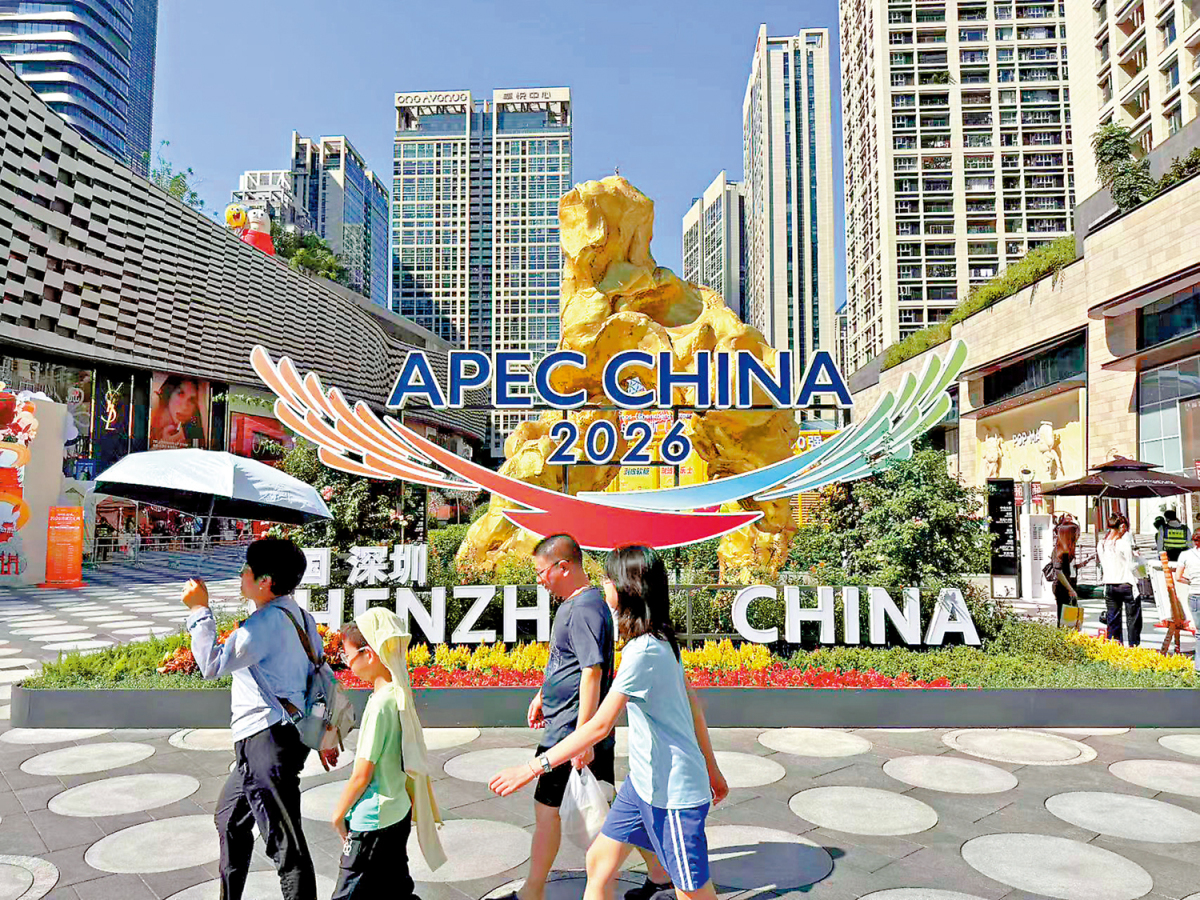
The UpperHills commercial complex in Futian is upgrading its international consumer services. The complex has 42 stores offering tax refunds for departing visitors and 27 participating in the "instant tax refund" scheme. A total of 270 tenants accept foreign bank cards, and the complex has developed a visitor route combining parks and shopping areas for international guests.
Data show that Shenzhen's imports and exports with other APEC economies reached RMB 1.98 trillion in the first half of 2026, accounting for nearly 70% of the city's total foreign trade.
More than 5 million foreign nationals entered or exited China through Shenzhen's ports of entry during the period, including 3.501 million travelers from APEC economies.
Urban renewal: Shenzhen dresses up to welcome global guests
Core urban districts, including Nanshan and Futian, have launched extensive campaigns to create a welcoming atmosphere for APEC.
In Futian, 1,534 sets of bilingual street banners have been installed along major and secondary roads. Promotional visuals are being displayed on 296 outdoor screens and electronic screens in 633 residential communities and office buildings.
Twenty landscaped flower installations and photo spots have been completed at key locations, including hotels designated to receive guests, the Shenzhen International Exchange Center, Huanggang Port and the southern square of Huaqiangbei. Merchants in Huaqiangbei have reported an increase in customer traffic.
In Nanshan, more than 1,600 sets of APEC-themed banners are displayed alongside national flags, while 659 themed posters have been installed at bus stops and 133 outdoor screens are broadcasting promotional content around the clock.
A total of 32 landscape installations and three green sculptures have been created at locations including Nantou historic town, Zhongshan Park and Shenzhen Talent Park, bringing APEC-themed elements into historic streets, lakeside green spaces and other public areas.
Improving the visitor experience: Tea shop staff learn English for bilingual service
"We have size medium and large..."
On the afternoon of Oct. 14, Ma Wenhui, an employee at a beverage shop in Shixia Times Plaza in Futian district, confidently took an order from a foreign customer.
She said she had initially felt nervous when serving overseas customers and relied on gestures and picture menus to communicate. With the help of an intelligent business translation device provided by the shopping complex's customer service center, as well as training courses offered by the complex, she can now readily name toppings such as tapioca pearls and tea jelly in English.
All 50 food and beverage outlets in the complex now have bilingual menus. Bilingual upgrades have also been completed for the large illuminated sign at the main entrance, bilingual floor stickers in the atrium, and signs in public areas such as restrooms and luggage storage facilities.
The complex continues to provide basic foreign-language training for frontline employees and makes translation devices and foreign-currency payment functions available to merchants, addressing two major obstacles to international consumer services: language and payment.
From major advances in infrastructure and "hard connectivity" to greater institutional integration through "soft connectivity", Shenzhen and HK are working in tandem to turn their transport and connectivity advantages into tangible economic gains, presenting a joint response to the APEC summit that showcases the dynamism of Chinese modernization.
(Source: Ta Kung Pao; Editor: Zoey SUN)
Related News:
'Saved at least 29 minutes': Foreign passport holder praises redeveloped Huanggang Port's efficiency
China's finance ministry outlines key agenda items for APEC Finance Ministers' Meeting






















Comment