






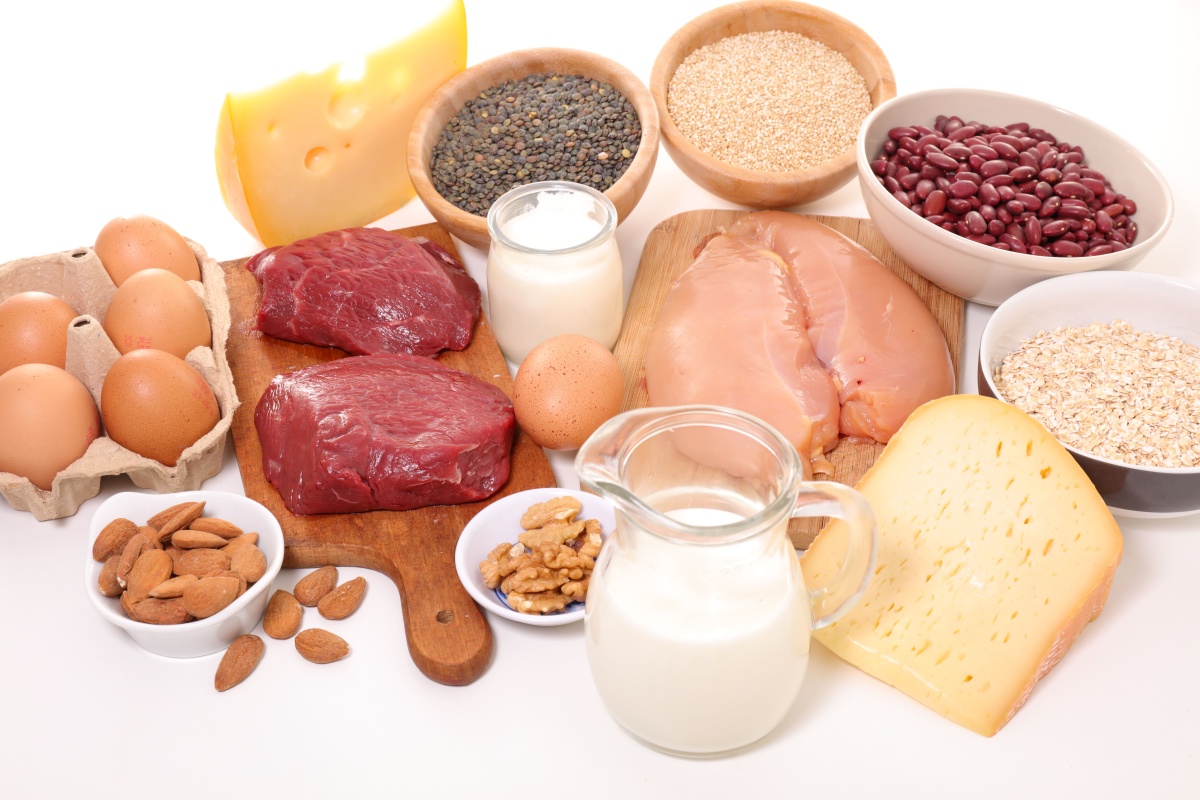
The first two hours after exercise can be a crucial window for refueling and recovery, with nutrition guidance emphasizing a practical balance of carbohydrates, protein, and hydration—choices that can be made even with simple convenience-store foods.
Nutritionists stressed that exercise benefits are maximized when people "move enough and eat right" and encouraged using the post-workout period to replenish energy with minimally processed, whole-food options.
For activities such as brisk walking—an aerobic exercise that consumes energy and can cause small amounts of muscle tissue damage—experts recommend eating within 30 minutes to two hours after finishing. A combination of high-quality protein and complex carbohydrates can help restore stamina, support muscle repair, and refill glycogen stores. A commonly suggested target is a carbohydrate-to-protein ratio of about 3–4:1, which can support recovery without easily promoting fat gain when portions are appropriate.
The expert suggested tailoring choices to personal habits and health goals and offered examples of quick, accessible post-workout options:
- Within 30–60 minutes: simple carbohydrate and protein sources such as sweetened soy milk or flavored milk (e.g., chocolate milk); adding a tea egg can increase fullness. For people with diabetes, soy milk may be preferred, with a suggested carb-to-protein ratio closer to 2:1.
- Within 1–2 hours: a more complete pairing such as chicken breast with steamed sweet potato to provide lean protein and complex carbohydrates for muscle repair and energy replenishment.
- Add a salad if possible: to boost fiber and fluids, supporting gut health and metabolism—nutrients that are often lacking in meals eaten on the go.
The guidance also highlights common pitfalls that can undermine workout results. Experts advise against "reward eating" after hitting step goals—since an 8,000-step walk may burn roughly 250–350 calories, excessive high-sugar or high-fat treats can quickly erase the deficit. She also encourages choosing whole, minimally processed foods to reduce sodium and additives and stresses hydration: in addition to unsweetened drinks, daily water intake can be estimated at about 30–35 milliliters per kilogram of body weight.
Regular exercise paired with balanced eating remains one of the most effective ways to maintain health and prevent chronic disease, adding that making smarter food choices after activity can help people build an energetic, sustainable routine.




Comment