






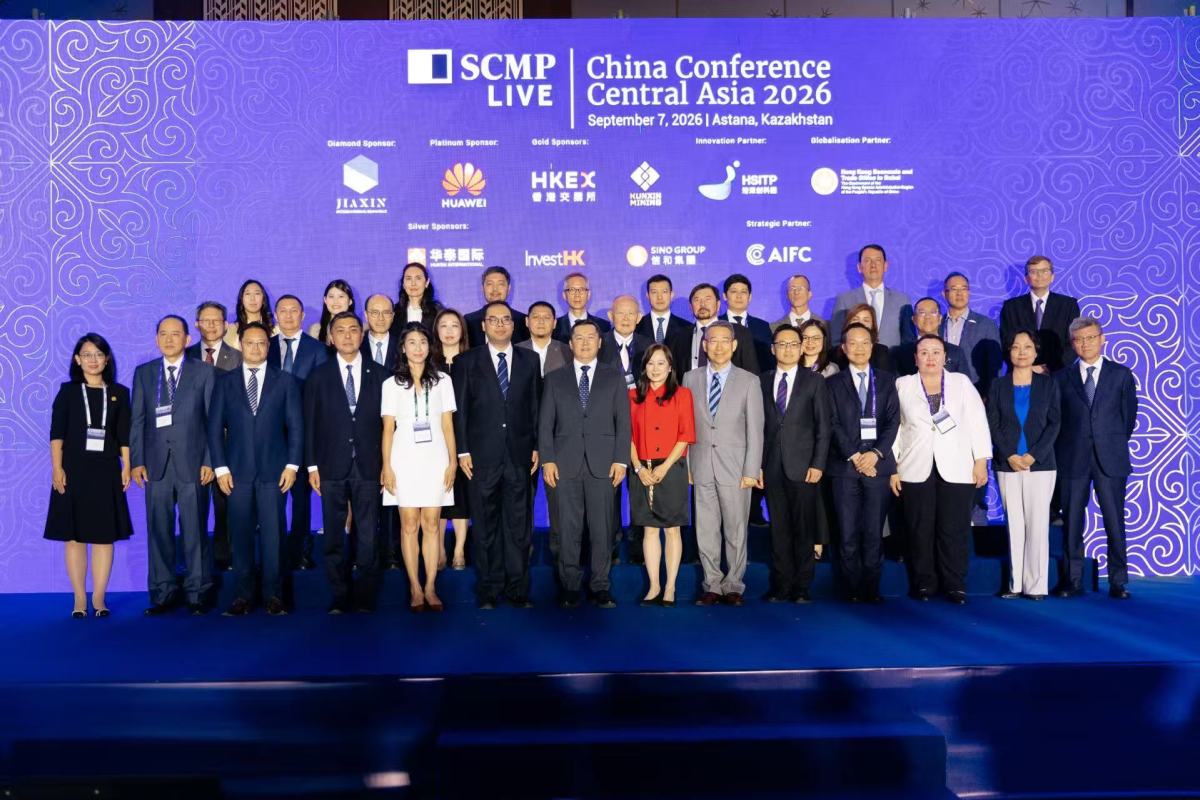
The China Conference: Central Asia 2026, a high-level forum co-hosted by the South China Morning Post (SCMP) and the Astana International Financial Centre (AIFC), was held today (Sept. 7) in Astana, Kazakhstan. The conference is structured around four core pillars—macroeconomy and diplomacy, mining and resources, financial services and capital raising, and infrastructure and connectivity—bringing together policymakers, sovereign and institutional investors, corporate leaders, innovators, and financial institutions from Central Asia, China, the Gulf, and Europe.
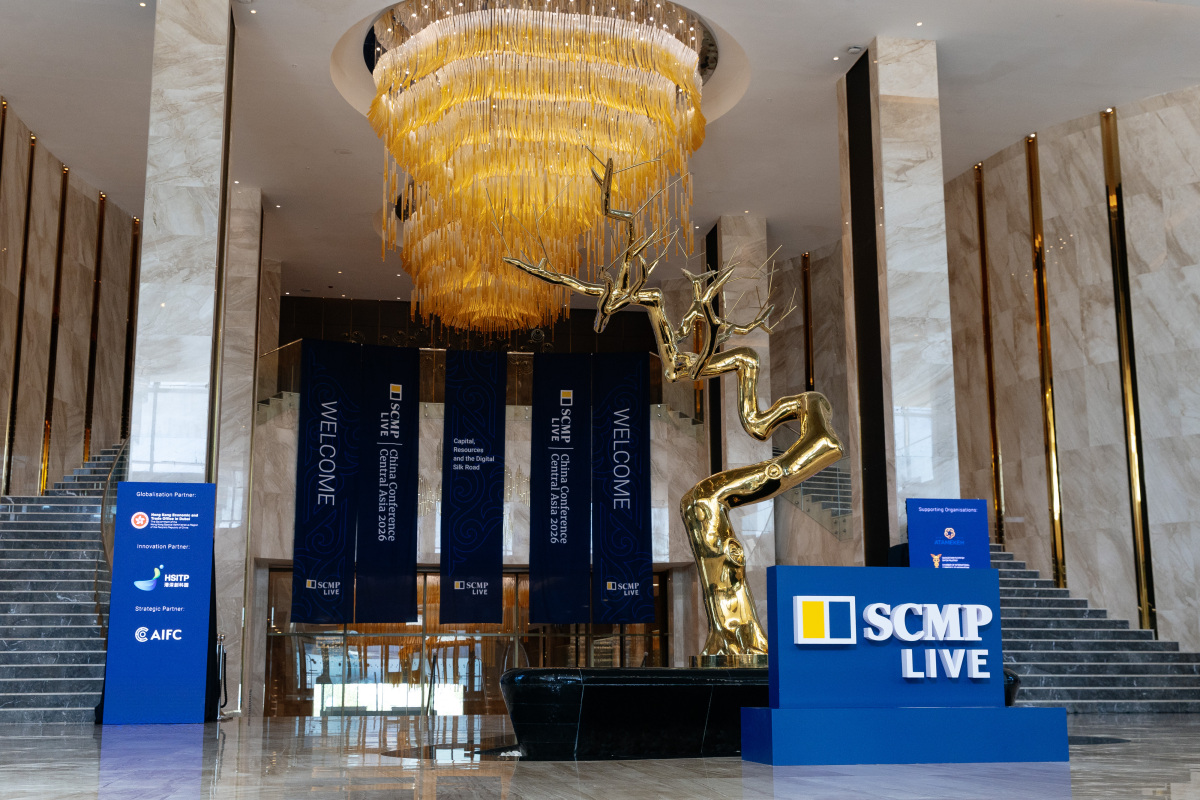
Organizers said the event marks the first time SCMP has brought its flagship China Conference series to Central Asia, convened on the eve of Astana Finance Days. Through plenary sessions, small-group expert discussions, and sponsor-led closed-door roundtables, the forum aims to advance policy dialogue, forge cross-border partnerships, and support the "investability" of regional infrastructure and resource projects. Key discussions include Eurasia's evolving multi-vector diplomacy and macroeconomic realignment; the role of Chinese technology and global capital in enabling smarter, greener mining; the emergence of Astana and Hong Kong as dual hubs for listings and RMB financing through AIFC and the Astana International Exchange (AIX); and the financing and operation of rail, port, and logistics assets linked to the Trans-Caspian "Middle Corridor."
The conference features keynote speakers including John Lee Ka-chiu, Chief Executive of the Hong Kong Special Administrative Region; C. Y. Leung, Vice Chairperson of the Chinese People's Political Consultative Conference; Cheng Kefan, Chargé d'Affaires ad interim of the People's Republic of China to Kazakhstan; Renat Bekturov, Governor of the AIFC; and Tammy Tam, Publisher of SCMP.
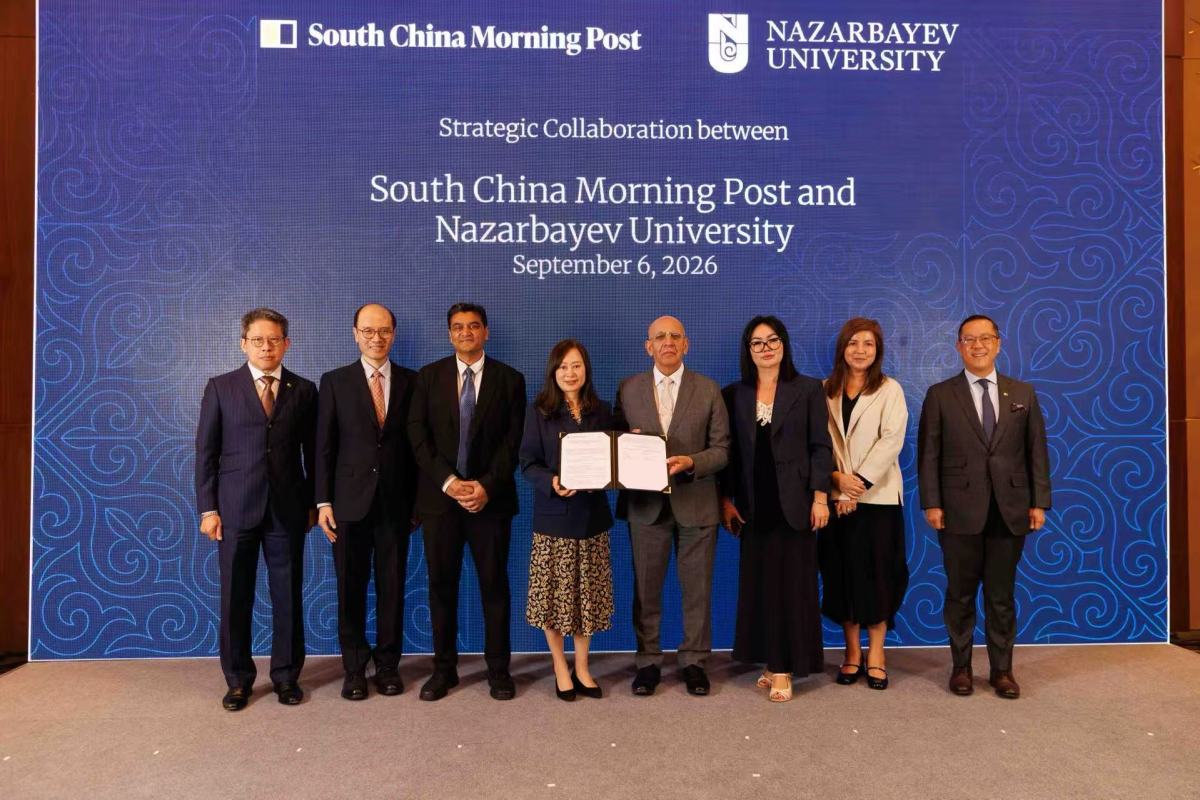
In his keynote, C. Y. Leung reflected on President Xi Jinping's 2013 speech at Nazarbayev University in Astana, which launched the Silk Road Economic Belt and later expanded into the broader Belt and Road Initiative (BRI), featuring multiple "connectivities" spanning trade, capital, infrastructure, policy, and people-to-people exchange. Leung stressed that BRI cooperation goes beyond economics and infrastructure and that people-to-people ties warrant equal attention. He noted that the number of Kazakh students studying full-time in Hong Kong universities has grown from around 70 during his tenure as Hong Kong's Chief Executive to more than 500 today.
Leung also highlighted health cooperation, saying the GX Foundation—a Belt and Road INGO he founded—will co-host, with Kazakhstan's Ministry of Healthcare and Nazarbayev University, a Seminar on Global Medical Frontiers on Oct. 5 covering clinical technology, health system management, traditional medicine, vector-borne diseases, habitat and disaster, medical education, and humanitarian talent. Hong Kong will field 10 leading medical and public health specialists for the seminar. He added that GX Foundation has signed four MoUs with Uzbekistan in medical and public health collaboration and is working toward a longer-term presence in Central Asia.
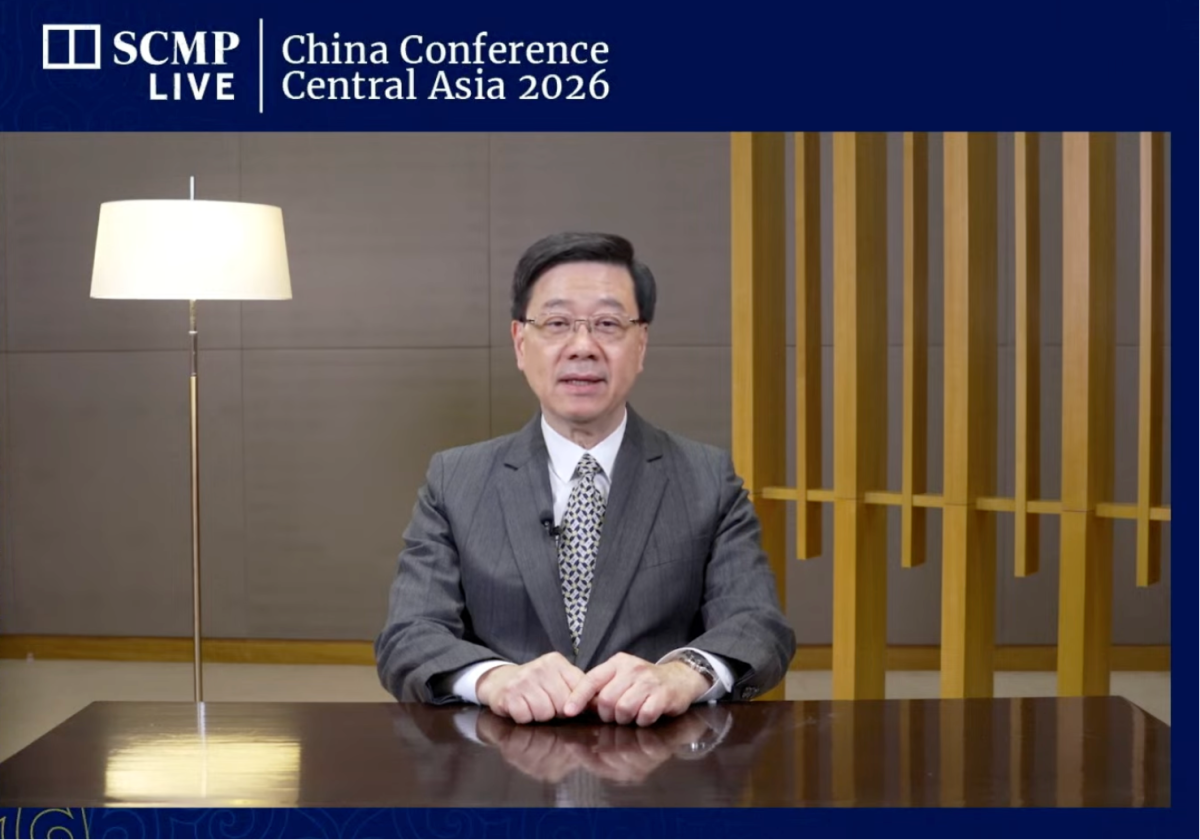
In his Sept. 7 keynote, Chief Executive John Lee described Central Asian economies as important participants in the BRI that are actively diversifying and strengthening global connectivity, creating significant opportunities for international business. Lee cited steady growth in Hong Kong–Central Asia ties, noting that total merchandise trade exceeded USD 324 million last year, representing a 27% increase compared with 2020. He underscored Hong Kong's role under "one country, two systems" as a global city combining the China advantage with international advantage, supported by a common law system, a low and simple tax regime, and a deep pool of professional services that help international firms—including those from Central Asia—access the mainland Chinese market.
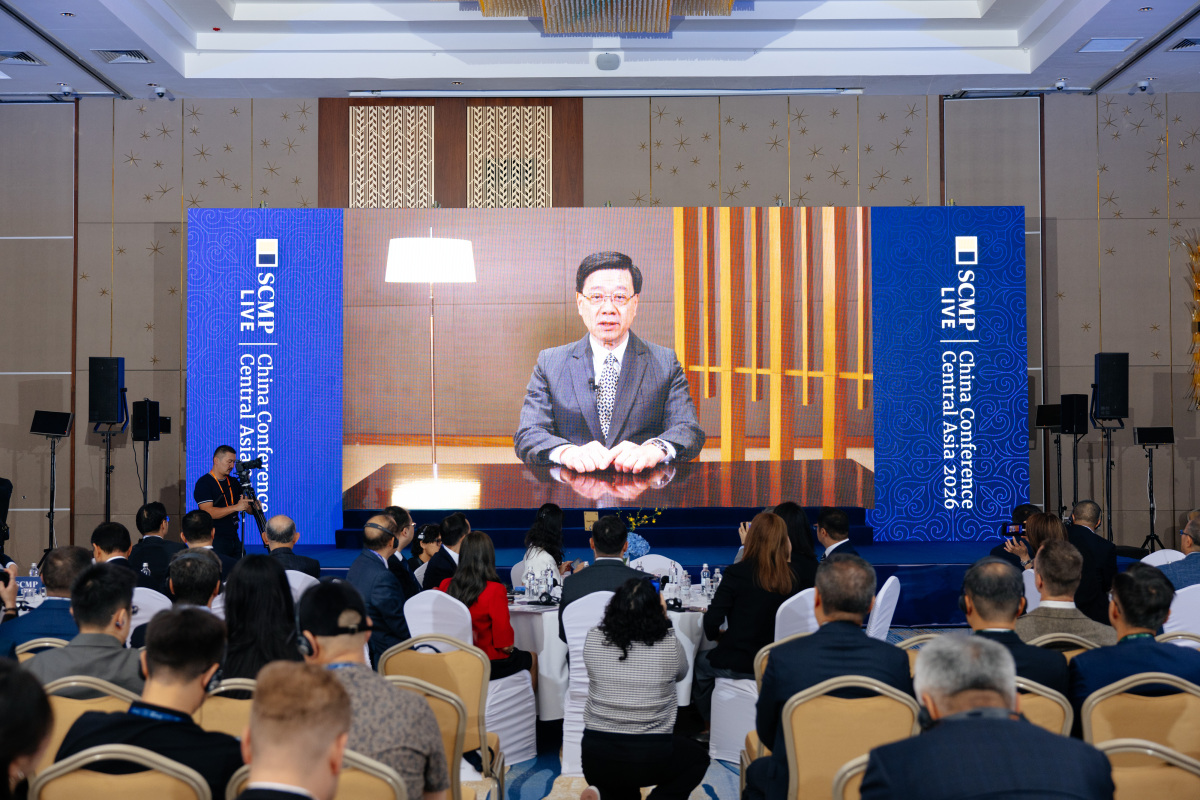
Lee also reviewed his June visit to Kazakhstan and Uzbekistan, during which he met Kazakhstan's President Tokayev and Prime Minister Bektenov to explore cooperation in finance, trade, infrastructure, innovation and technology, and green development. He said the visit produced 96 cooperation agreements and MoUs with total amounts exceeding USD 1.65 billion and noted an MoU between AIFC and InvestHK to facilitate mutual investment. Lee cited subsequent developments, including an MoU between a Hong Kong family office and Kazakh authorities on sustainable energy cooperation, USD 785 million in financing support from a bank in the delegation to the Development Bank of Kazakhstan, and the Kazakhstan national rail operator KTZ's filing to list in Hong Kong. He added that Hong Kong's GoGlobal Task Force will continue to support enterprises expanding into Central Asia, alongside efforts to expand Hong Kong's Economic and Trade Office network coverage to the region and to facilitate people-to-people exchanges, including a Hong Kong airline's announced direct passenger service between Hong Kong and Almaty starting next January.
Organizers said the conference is designed to help participants better understand the forces shaping China–Central Asia cooperation, connect leaders across sectors, and build networks that support new cross-border partnerships and sustainable growth across the Eurasia corridor.




Comment