






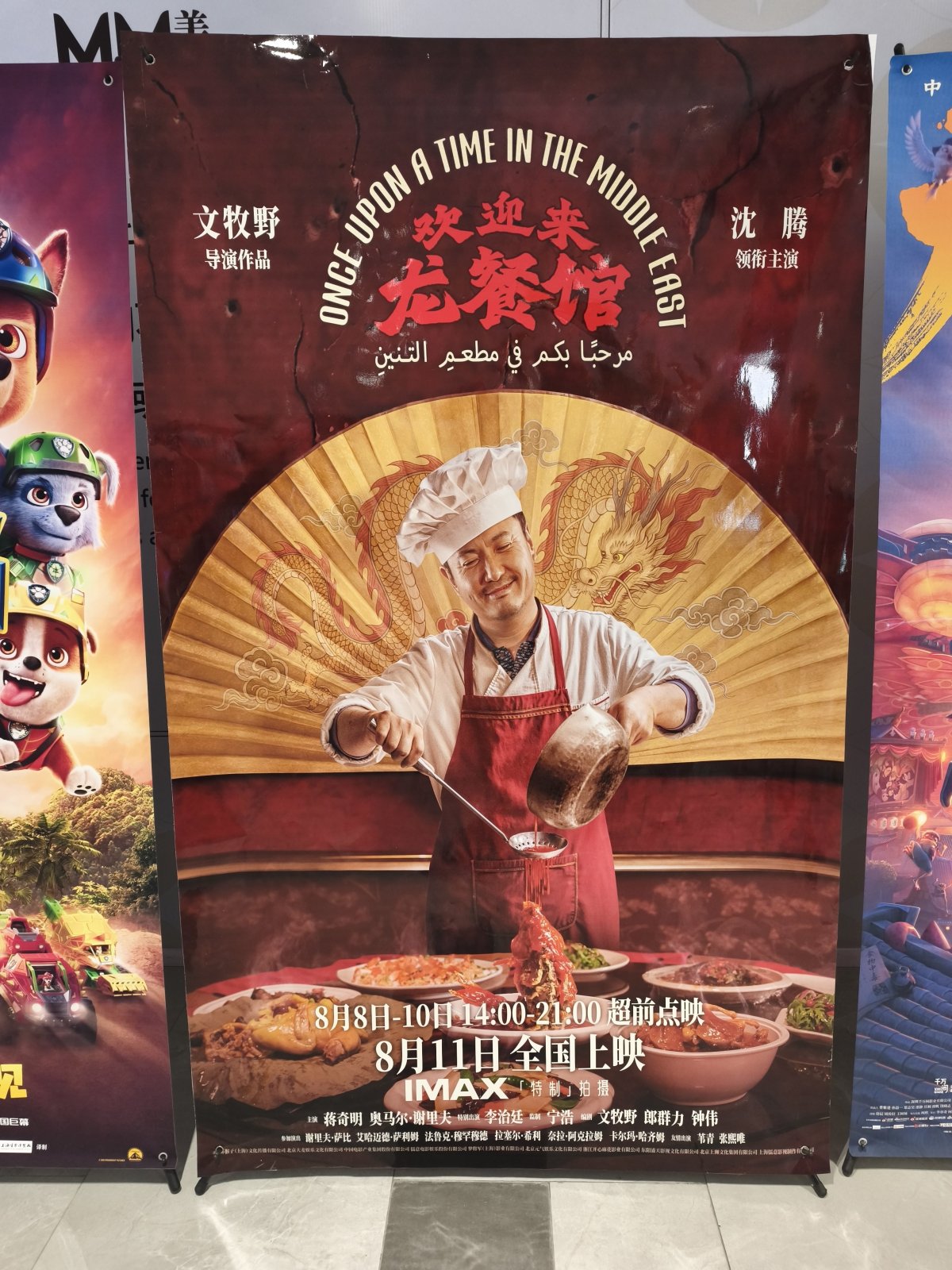
The film Once Upon a Time in the Middle East (《歡迎來龍餐館》) has been in theaters for three weeks and has reportedly performed very well at the box office. On screen, a Chinese cook opens a small restaurant amid war, serving Chinese food by day and selling alcohol at night—turning survival into a business and business into a kind of gamble.
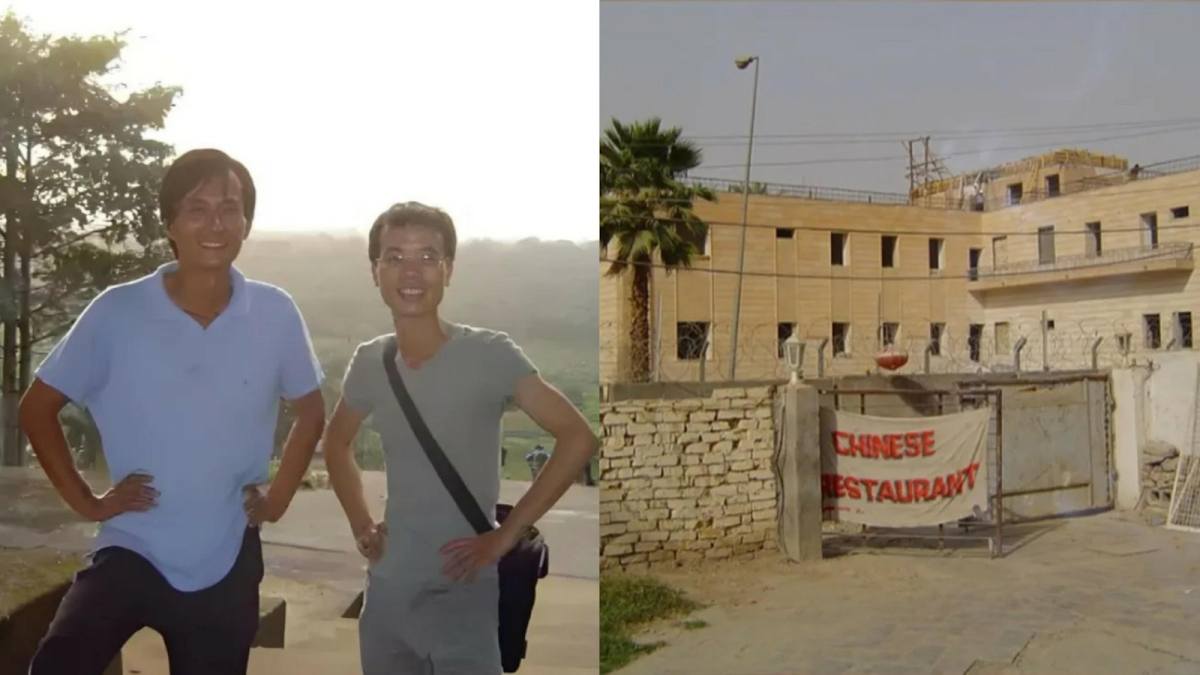

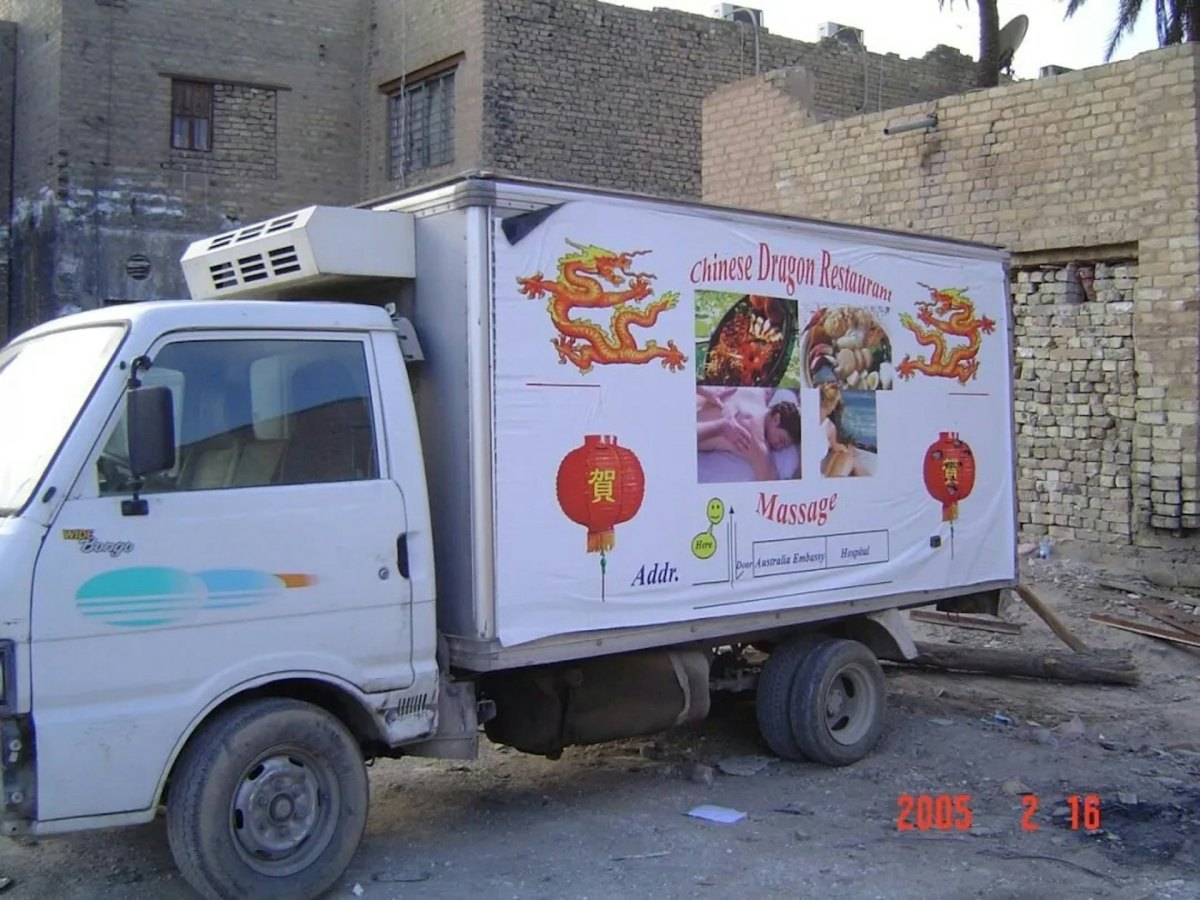
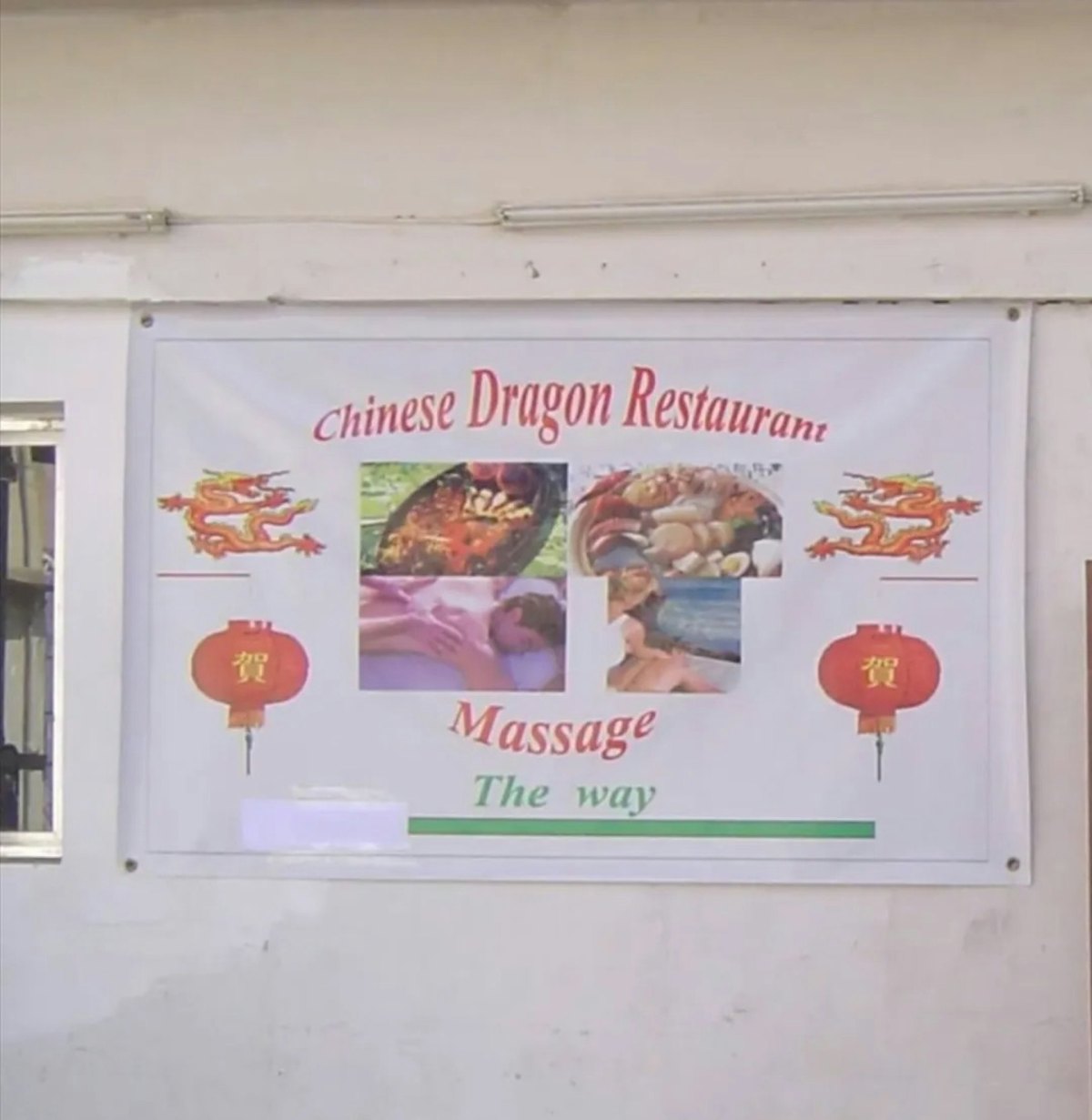
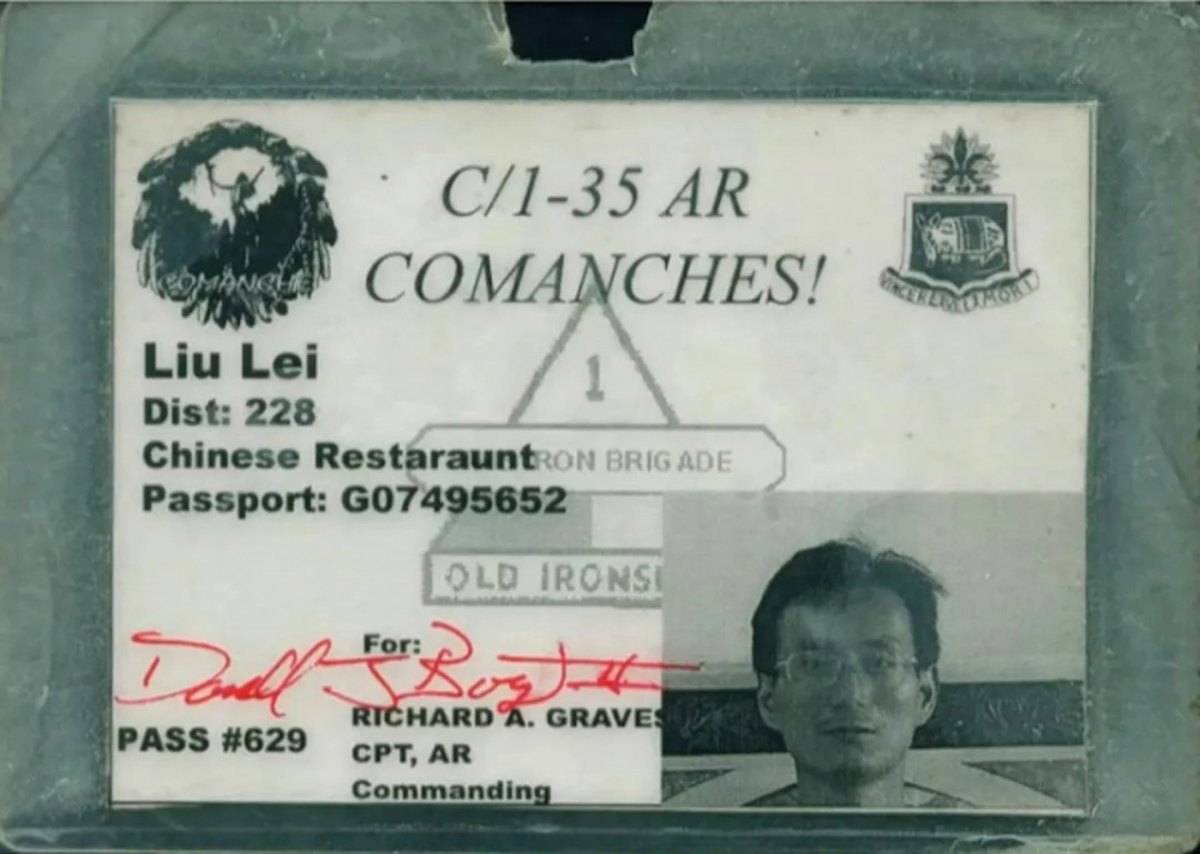
What many viewers don't know is that the character is not based on one person alone. The movie blends several real experiences of Chinese people living abroad. And at the heart of it is the story of two ordinary men from Shenzhen—Liu Lei and Shuai Xuejun—whose Baghdad restaurant was called "Chinese Dragon Restaurant" (中國龍餐館), the name that later inspired the film's "Dragon Restaurant."
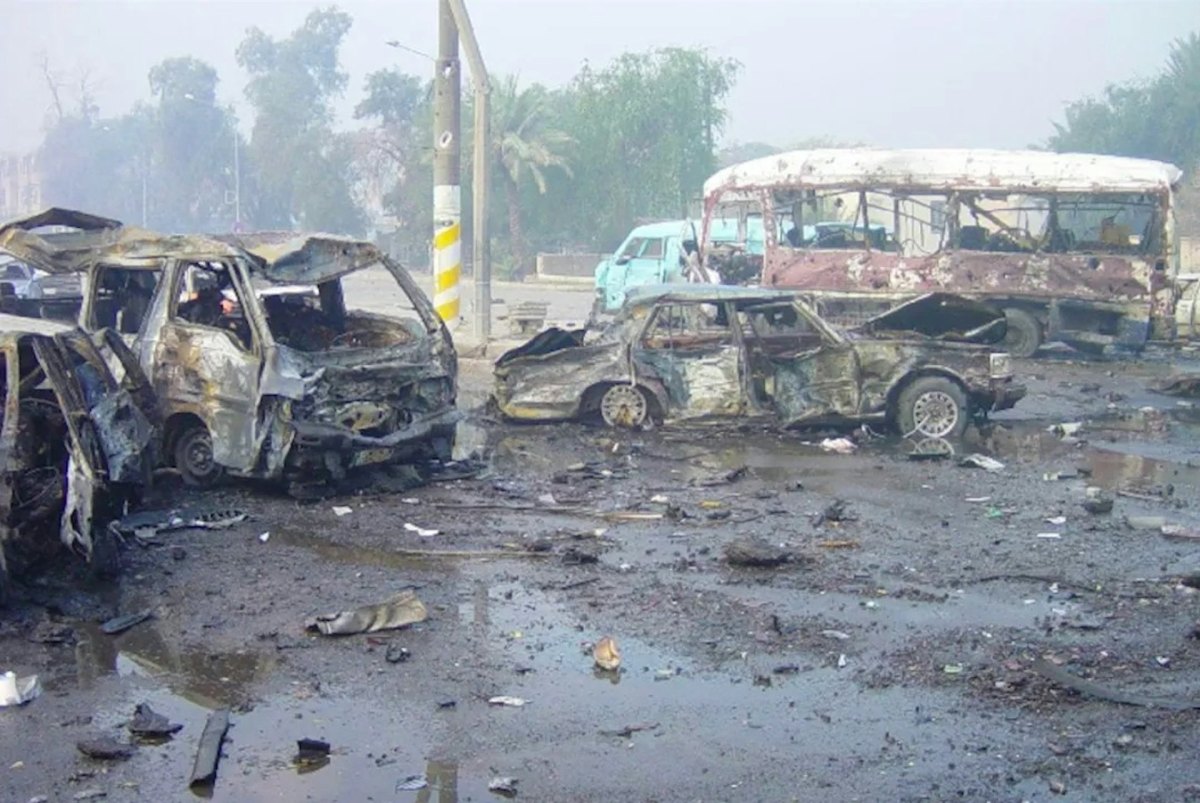
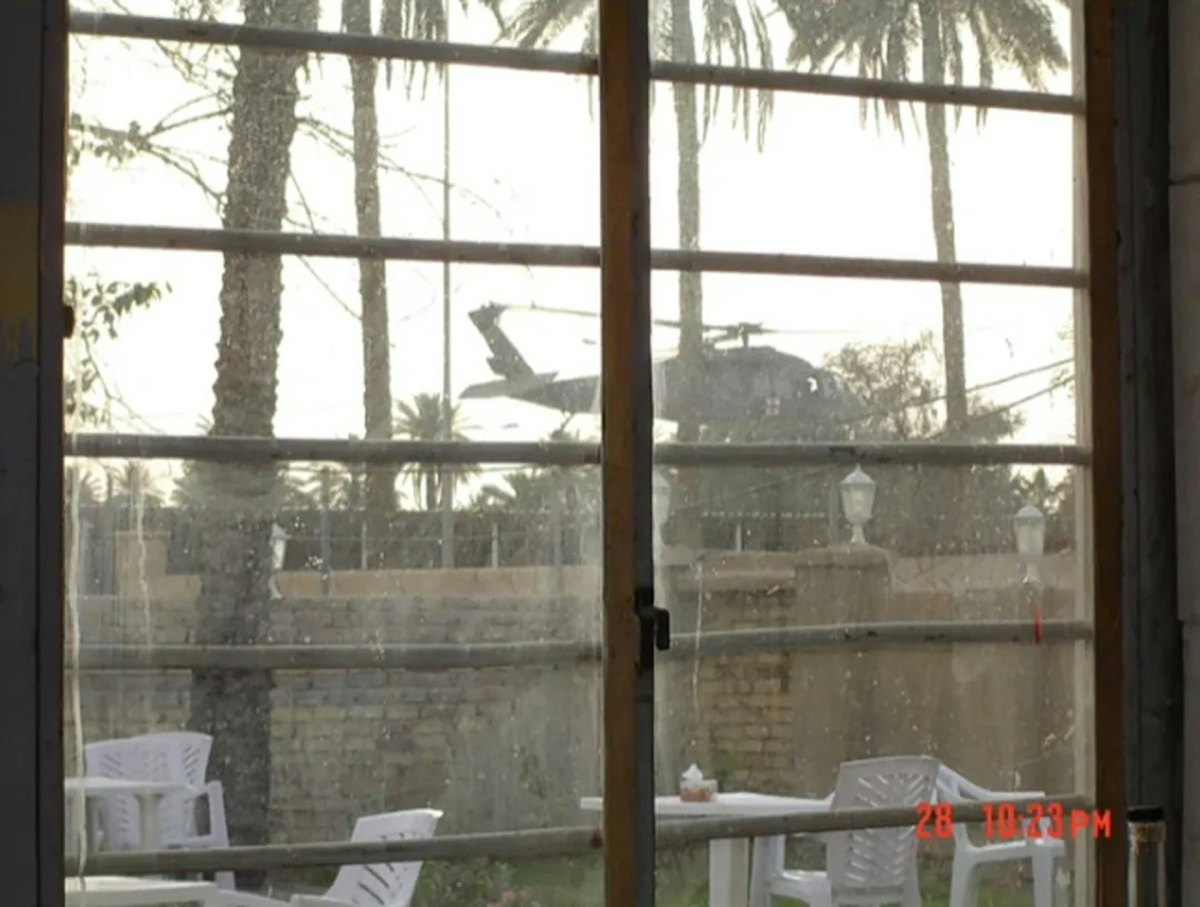
Between 2003 and 2004, the two men made their way to Baghdad at different times and eventually wired back a combined total of RMB 3.08 million. The money was real. So was the danger: bombings were frequent, sometimes erupting only dozens of meters away, sending debris flying to their doorstep.
Liu Lei moved from Hunan to Shenzhen as a teenager. By the early 2000s, he had what looked like a solid trajectory: a software-company career, a family, and an annual income of around RMB 100,000—particularly impressive bad by the standards of the time.
But in his recollection, stability felt like a slow trap. Housing prices rose faster than wages, and the comfortable life he was "supposed" to want began to feel increasingly out of reach. Years earlier, a documentary about overseas Chinese entrepreneurship had left him with a persistent idea: if Chinese people can survive anywhere there is sunlight, water, and air—then perhaps opportunity lies not in crowded competition at home, but in being early somewhere else.
In March 2003, as TV broadcasts showed the U.S. invasion of Iraq, Liu saw not only war but also an opening. Foreign troops, foreign media, and oil and gas resources—he believed these could form the soil of a new market.
On July 12, 2003, just 20 days after the Iraq War was formally declared over in the news cycle he was following, Liu left with roughly US$3,500—nearly his entire stake. His route took him from Shenzhen across multiple transit cities before he reached Amman, Jordan, then drove through what was known as the "Highway of Death," and entered Baghdad.
With limited capital, opening a full restaurant in a foreign, unstable city was close to impossible—so Liu improvised.
He targeted a residential building near major hotels that housed large numbers of foreign journalists, people who were not used to local Arab food and might pay for something different. He negotiated a partnership: the building owner would provide the venue, utilities, and staff; Liu would handle operations. Instead of rent, they would split profits—an arrangement Liu described as "hatching an egg in someone else's shell."
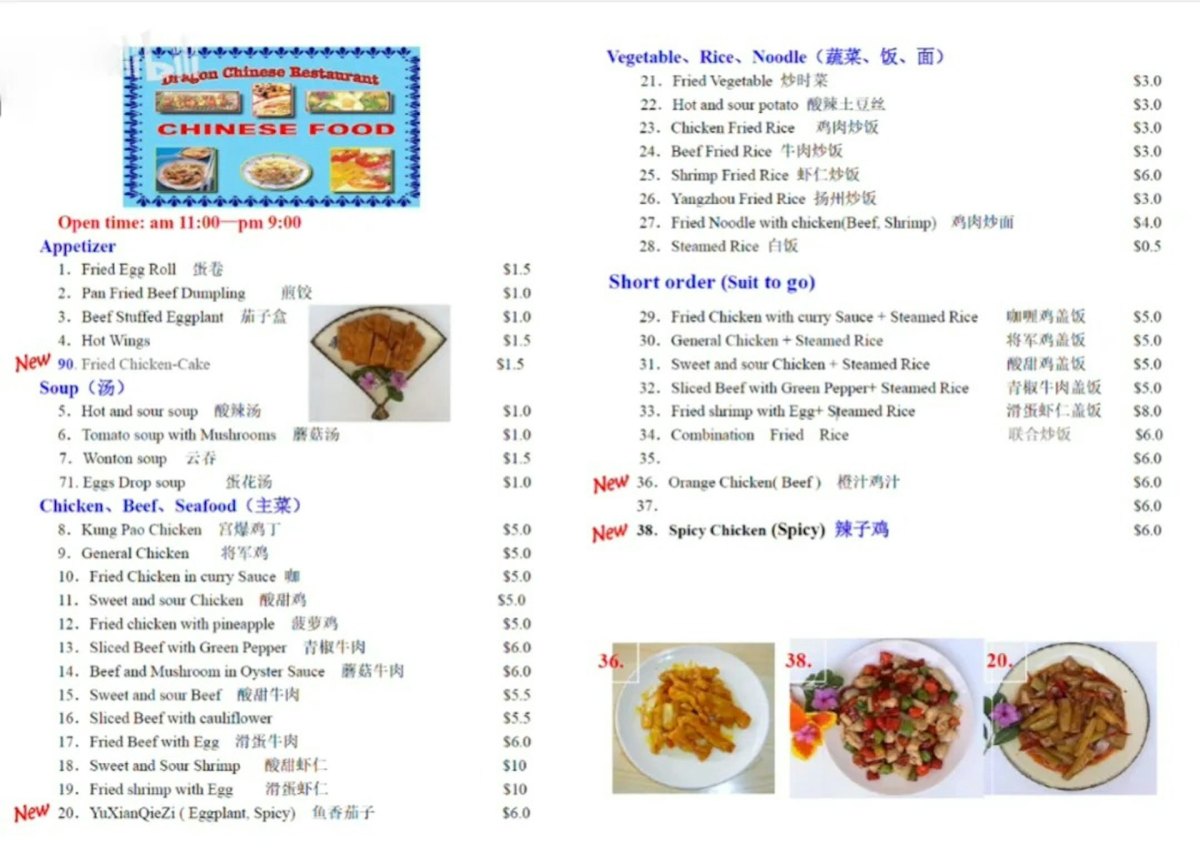
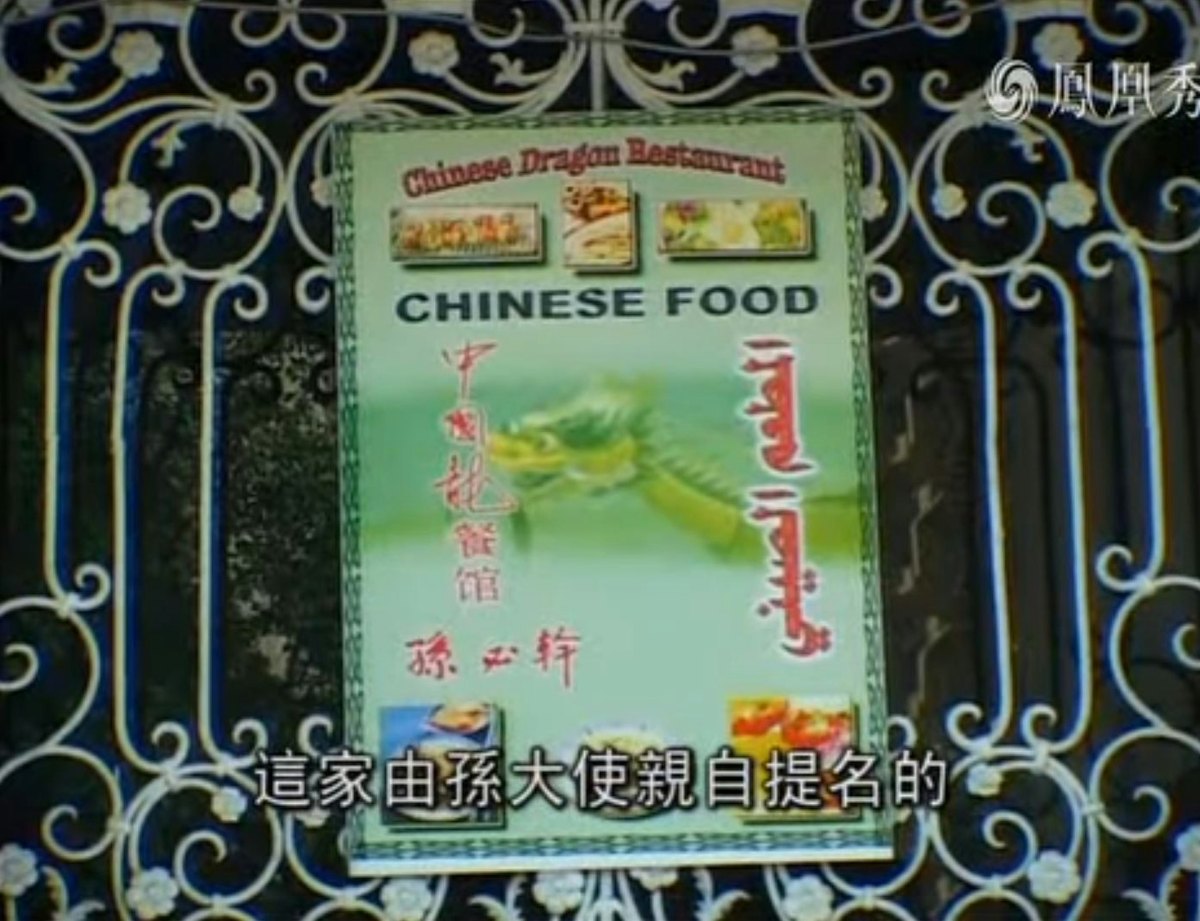
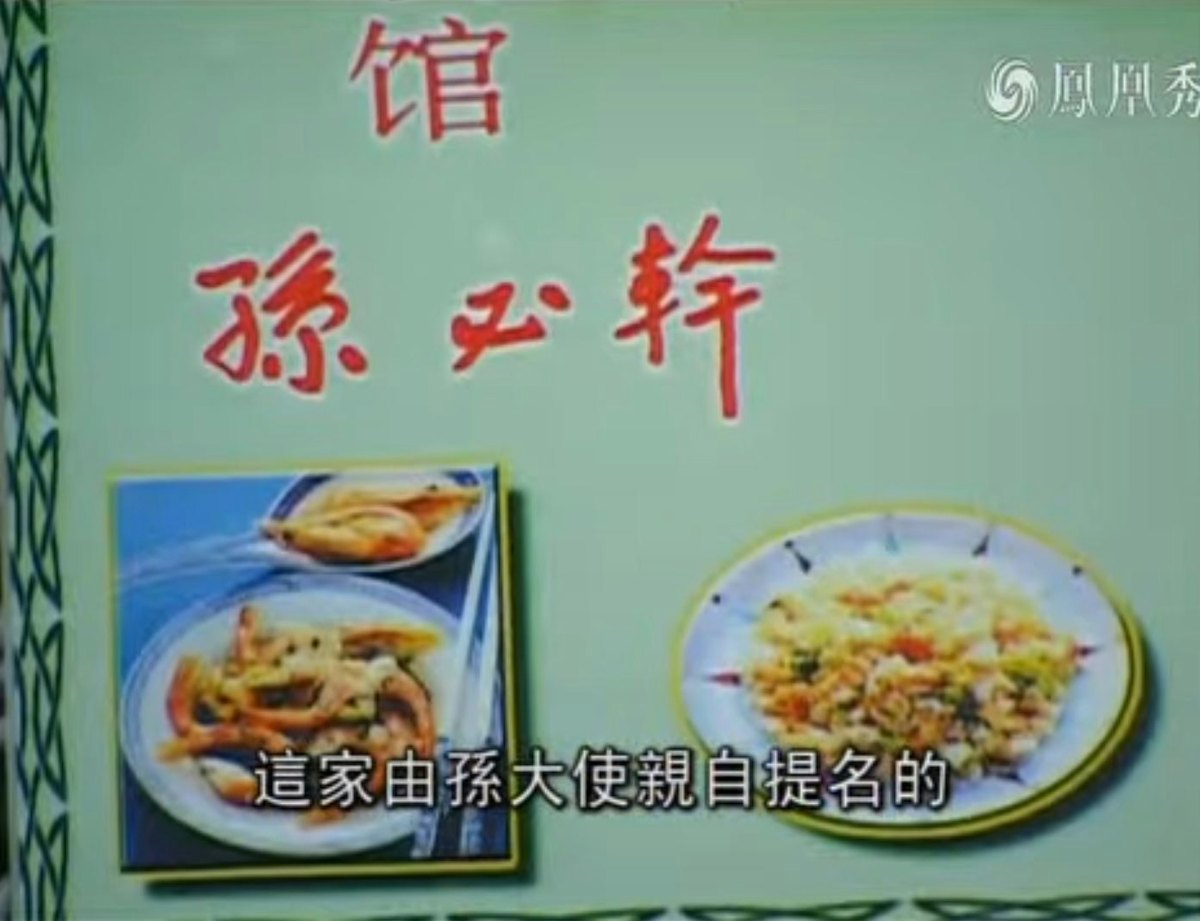
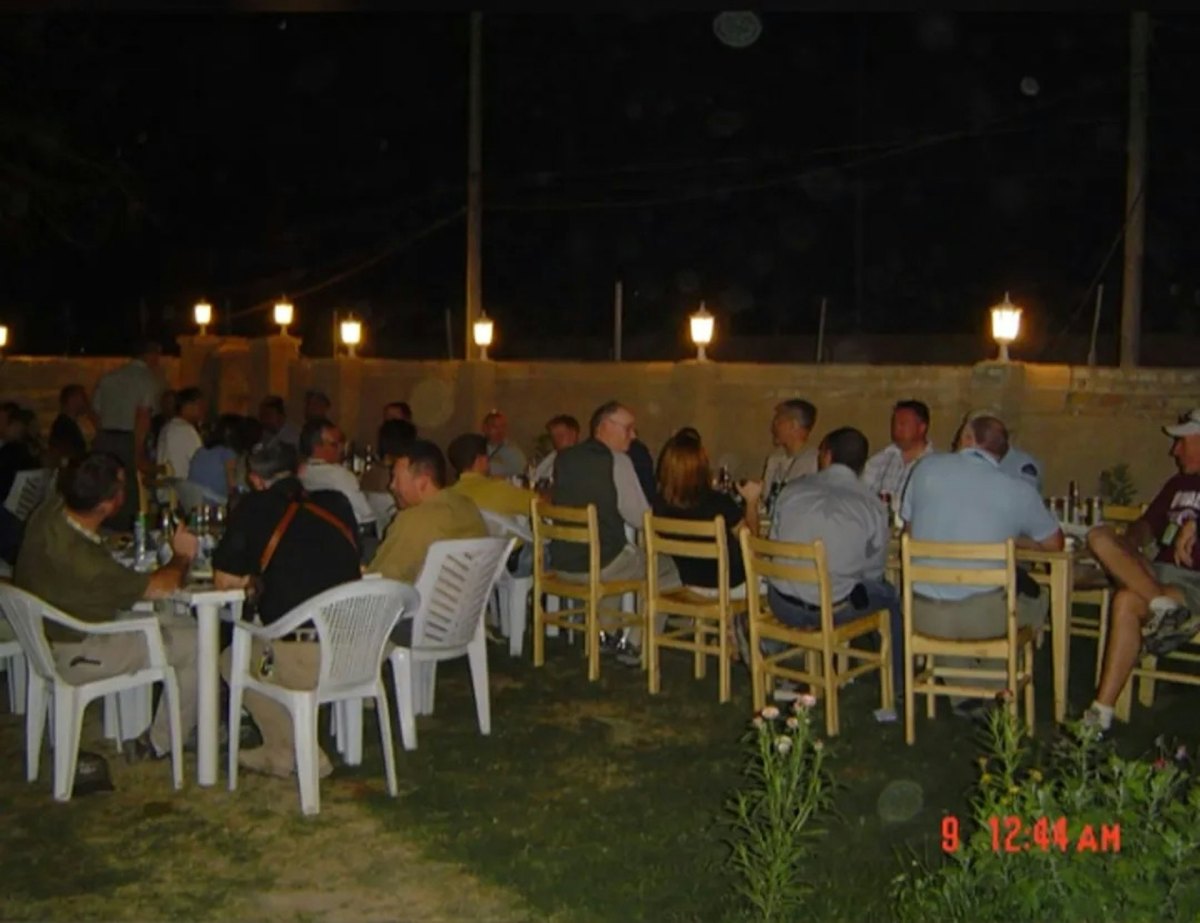
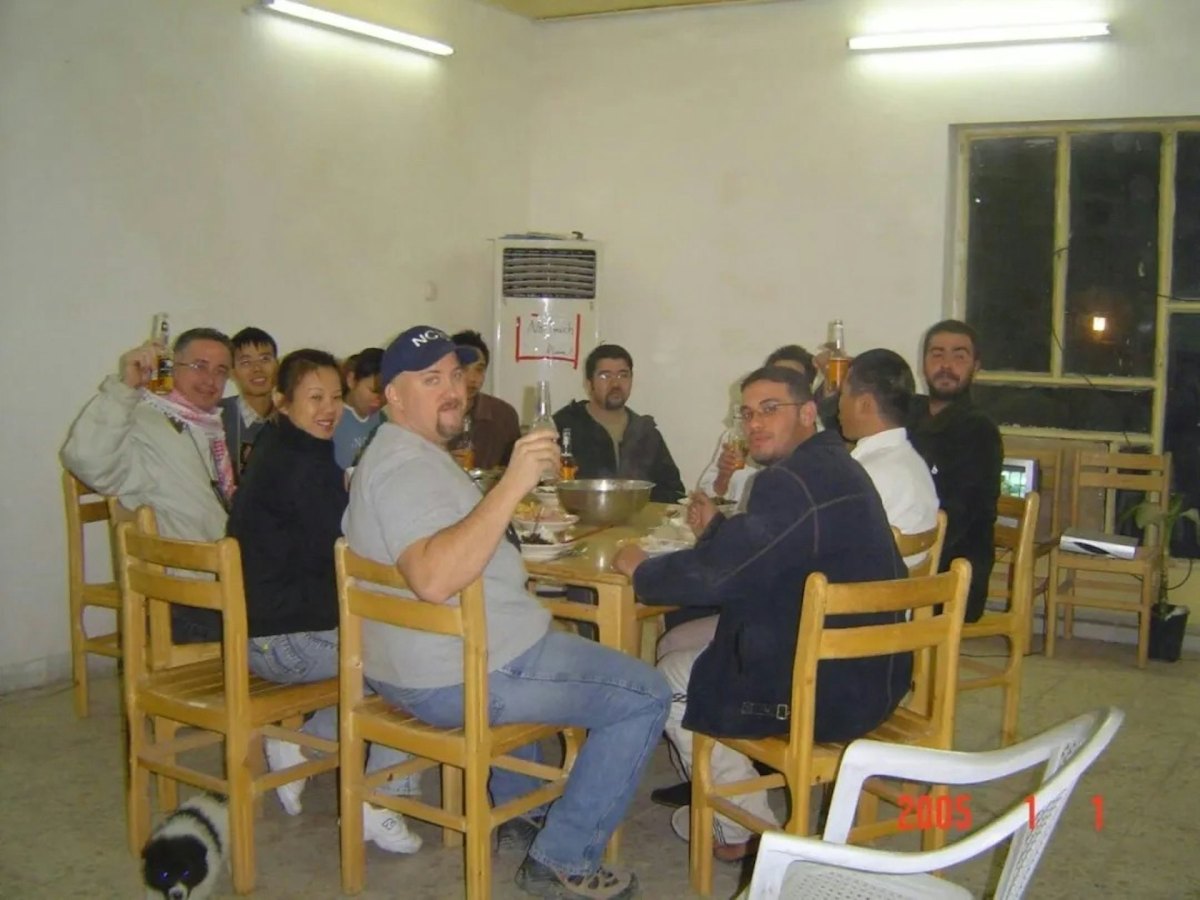
On August 28, 2003, he opened what became one of the first Chinese restaurants in post-war Baghdad. The restaurant was named China Dragon Restaurant by a Xinhua journalist, and the signboard was handwritten by China's then-ambassador to Iraq, Sun Bigan, who reportedly drafted the calligraphy multiple times before finalizing it.
But reality didn't follow the neat math. Opening-day revenue was only a few dozen dollars. The customer base—war correspondents—was unpredictable. Worse, from August to November 2003, three explosions hit nearby. After the third, business collapsed into losses.
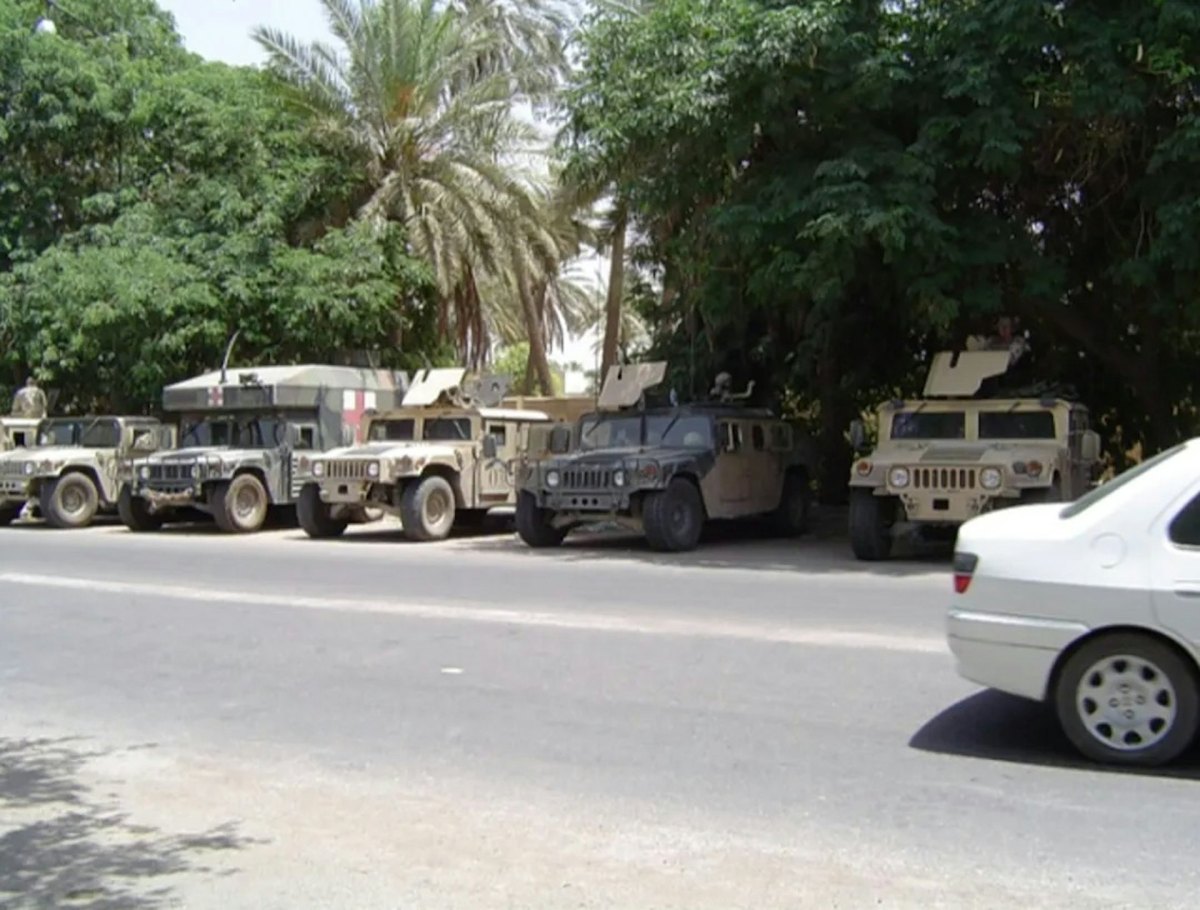
Liu made a drastic decision: move into Baghdad's Green Zone, the most heavily guarded area, where foreign troops were stationed and spending power was stronger. The new location was a run-down house that had been abandoned for decades. After paying rent, Liu had just over US$1,400 left. The "kitchen" was built with bare essentials—water piped from a neighbor through a rubber hose, plastic basins instead of sinks, and a team doing much of the work themselves because proper contractors were unaffordable.
It was crude, but it reopened.
The food offering was simple and priced for a captive, higher-income market: dishes like fish-fragrant eggplant, fried rice, and shredded potatoes, with menu prices far above what similar plates would cost back in China.
On the first day in the Green Zone, Liu prepared just 30 lunch boxes: fried rice, chicken, and vegetables, plus a soda—priced at US$7. He paid neighborhood kids in soft drinks to hand out flyers. The response surprised him. Armed American soldiers arrived, and the 30 meals sold out in under an hour. The next day, revenue reportedly jumped again.
Within weeks, cash accumulated. In the Green Zone, the restaurant became a kind of neutral island—foreign troops, journalists, local employees, and various others passing through. That multi-sided mix, which the film's setting later mirrored, came from lived experience.
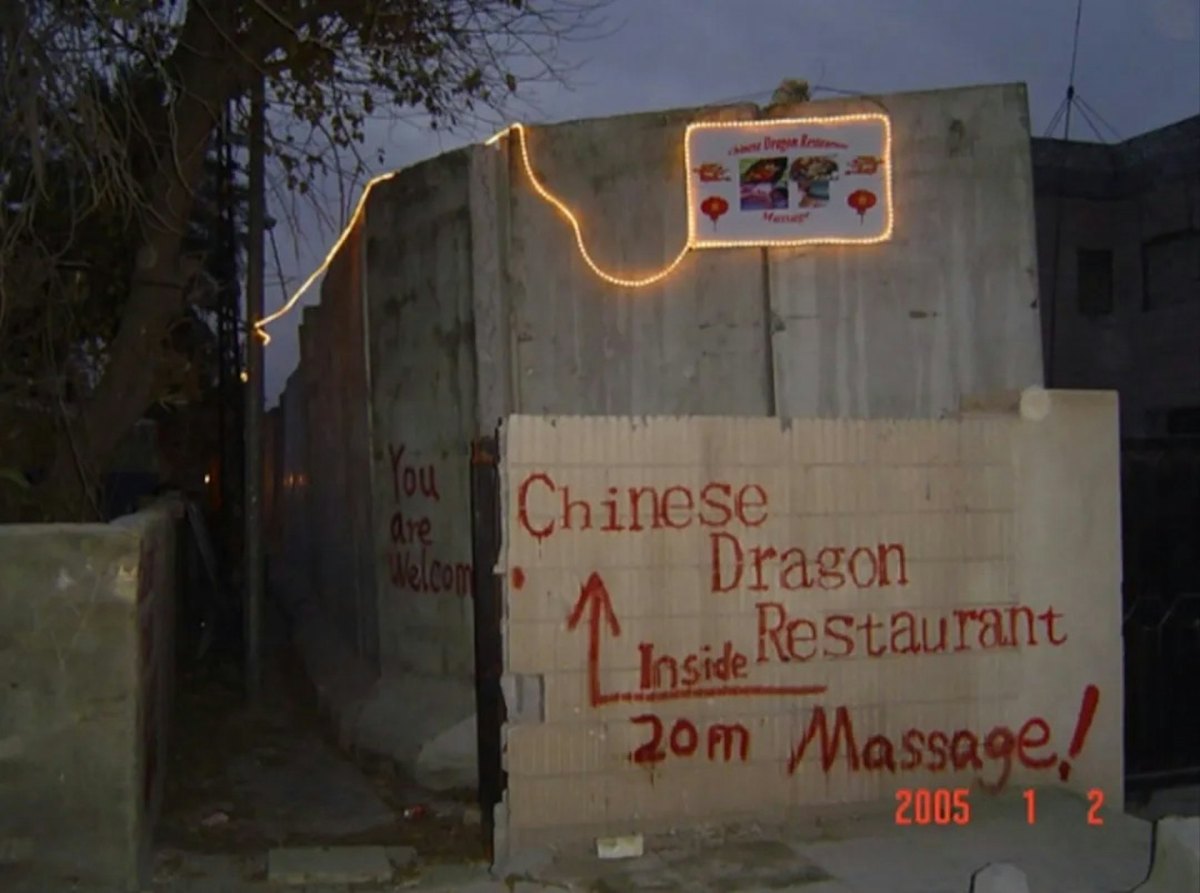
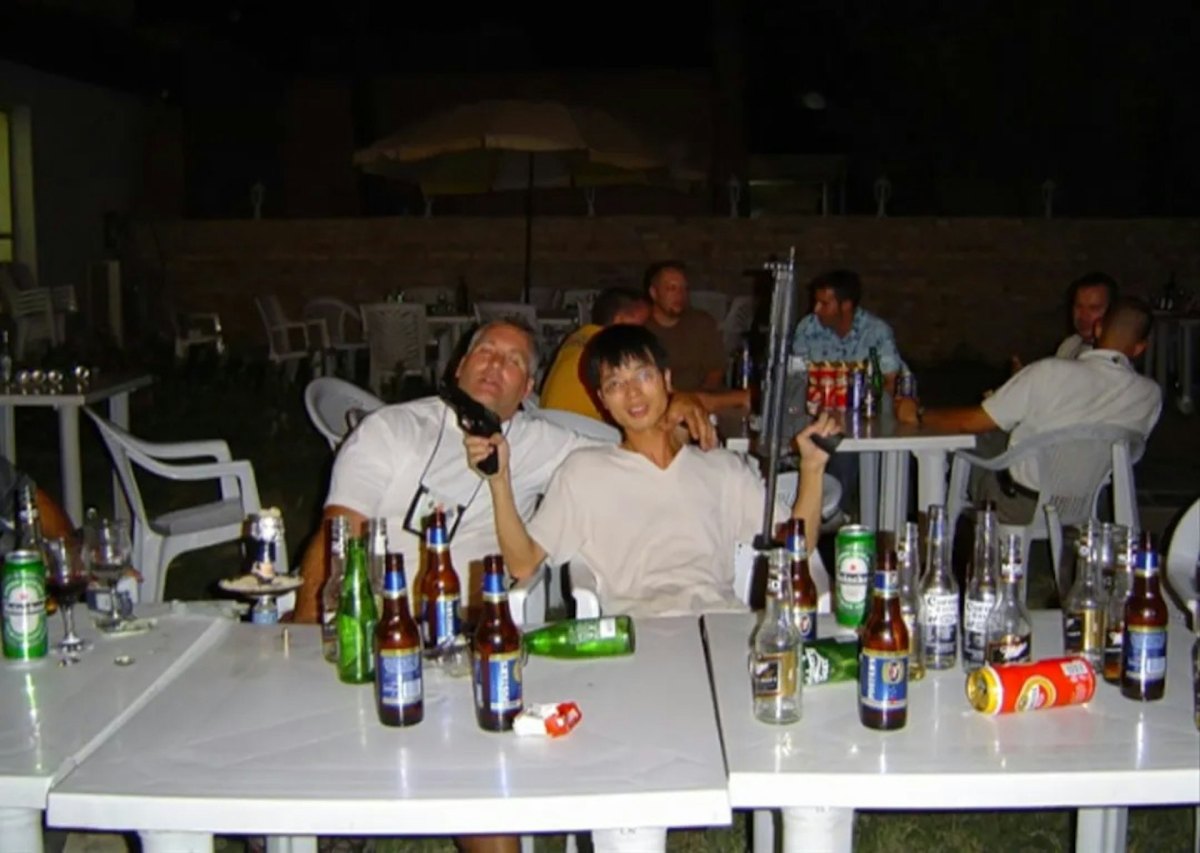
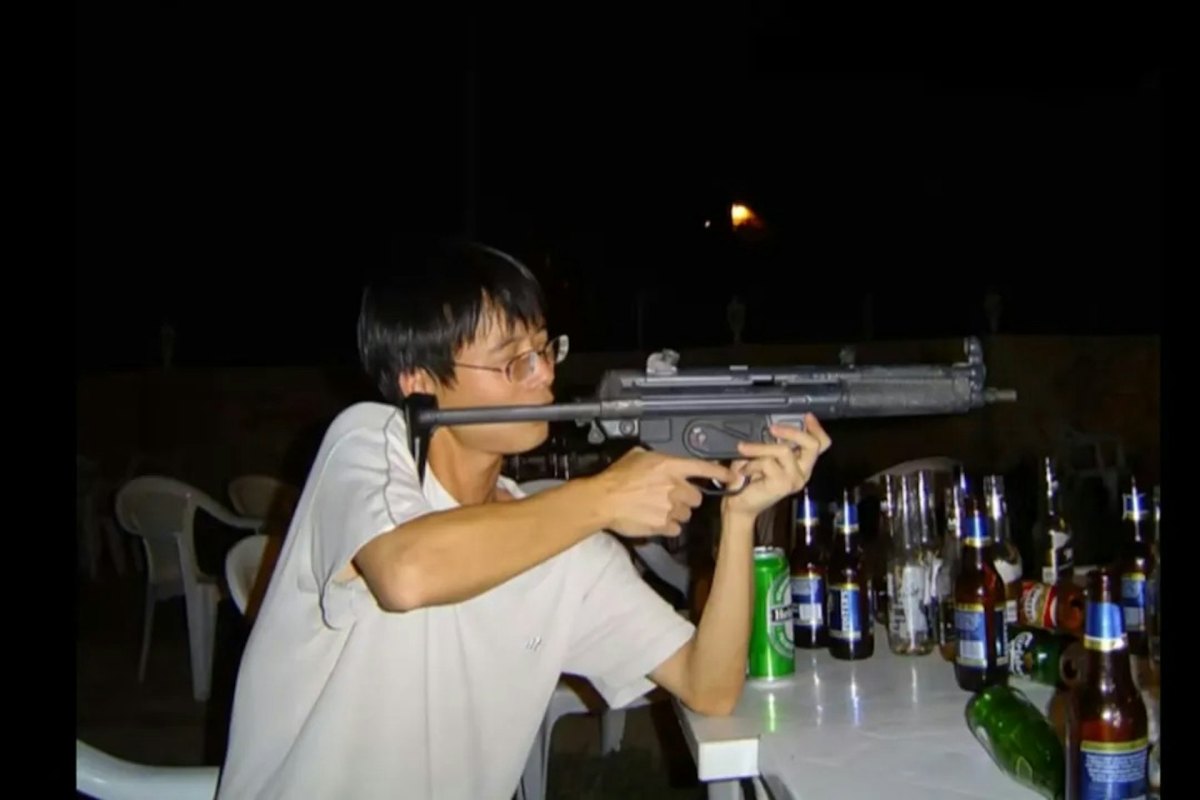
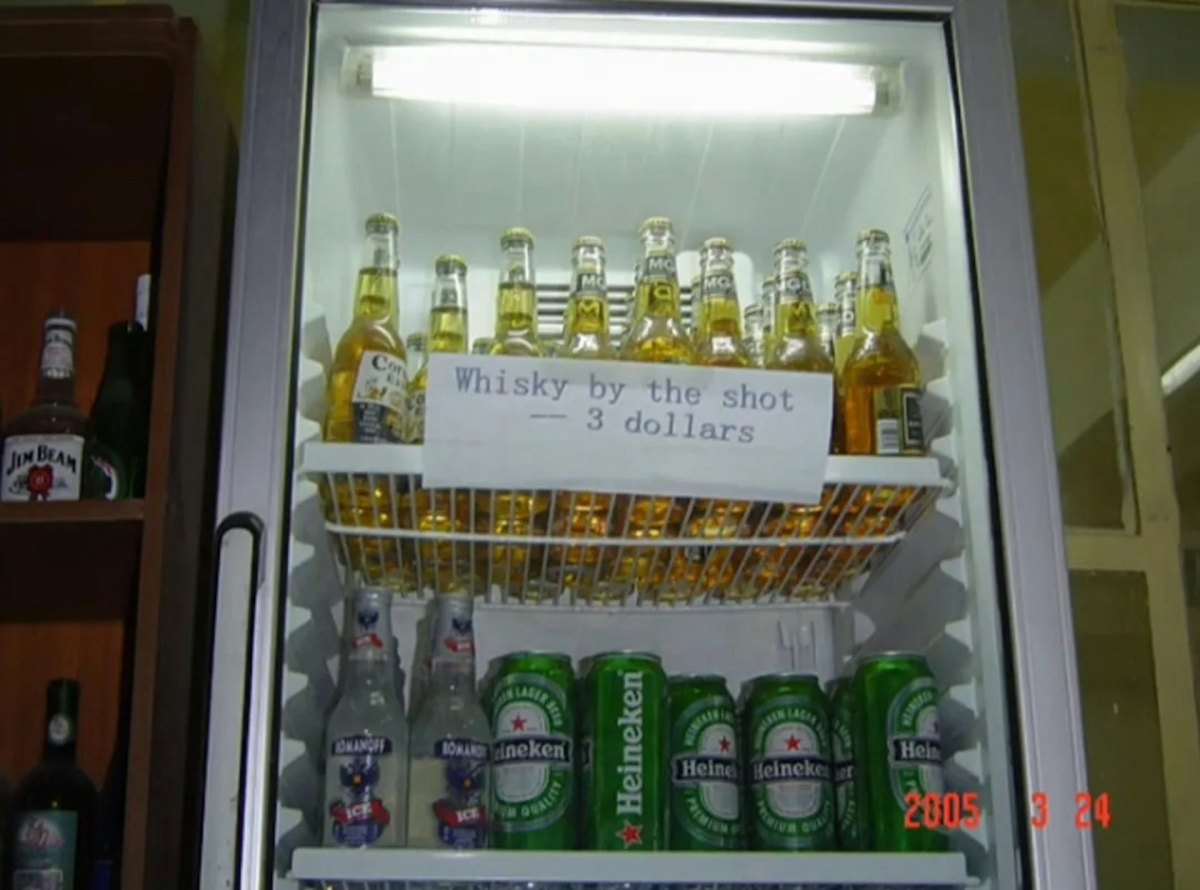
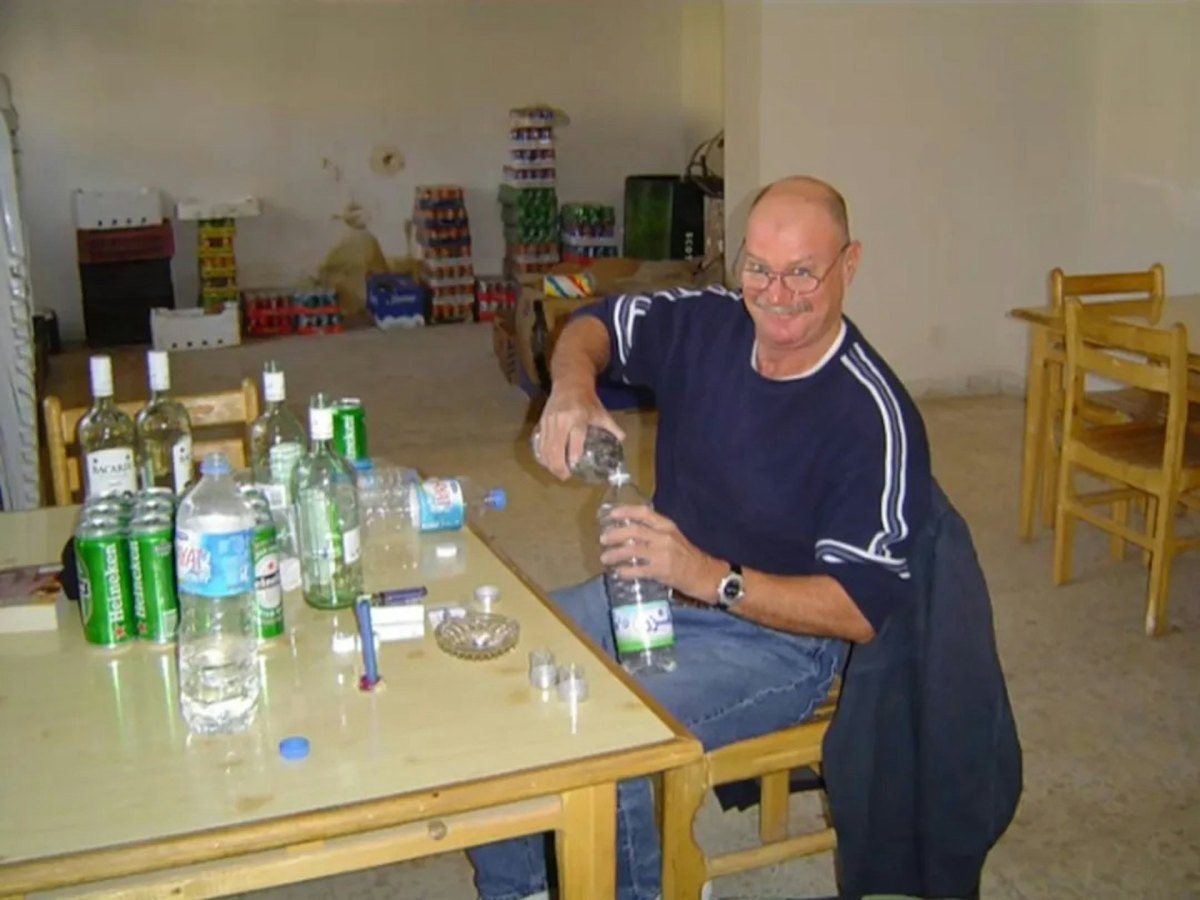
Yet according to the story, the biggest profits didn't come from fried rice.
They came from alcohol.
Liu later confirmed on social media that the detail "fried rice by day, alcohol by night" was one of the closest overlaps between the film and reality. In plain terms: daytime brought hard-earned money; nighttime brought "courage money."
With Shuai Xuejun joining in 2004, the two expanded liquor sales. A beer might cost US$1 and sell for US$2. Whiskey bought for around US$8 could sell for US$18–25. And then came a high-margin twist borrowed from bar culture: selling whiskey by the shot. A bottle that might fetch US$25 could, when poured into small cups, earn far more.
At its peak, they said daily turnover could reach US$5,000, with reported net profit as high as US$3,500—with alcohol accounting for the largest share.
But the logic was brutal: the tighter the restrictions, the higher the price; the higher the danger, the higher the margin.
Risk never left the business. Bombings that once destroyed demand near the first location returned even closer in the Green Zone. One blast in October 2004, they recalled, was so close that it was impossible to tell where it came from—only that it was near. Sirens followed; soldiers dropped their meals and ran. Outside, bodies were collected in black bags.
After the attack, security tightened severely. Checkpoints multiplied, movement became difficult, and business fell again.
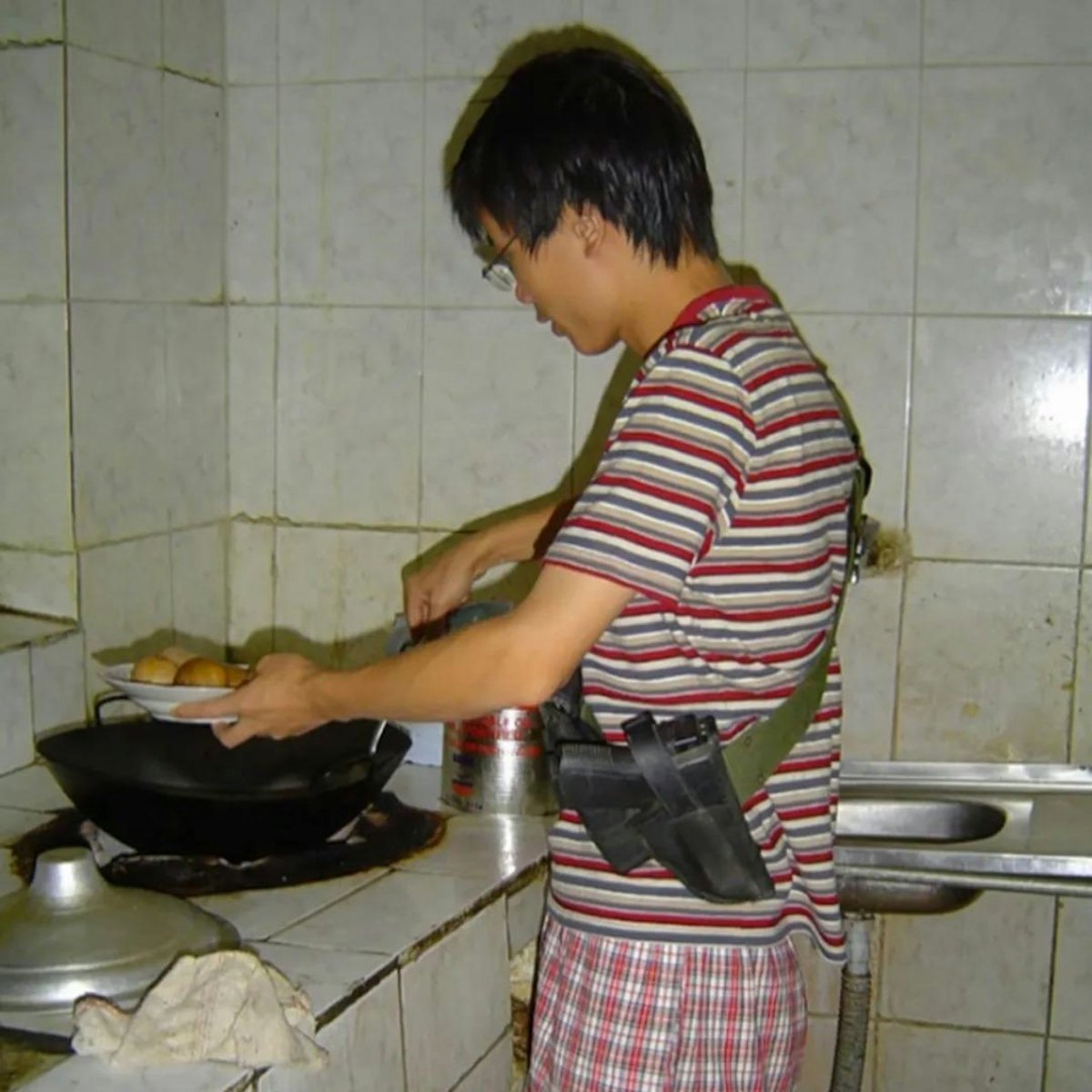
They had calculated the worst-case scenario long before boarding the plane. Both had purchased insurance. In Shuai's case, he reportedly bought a policy that would pay out enough to clear his mortgage if he died—an unflinching way to translate danger into numbers.
By late 2004, with restrictions increasing and pressure mounting to leave, they prepared to shut down and return home. But leaving with cash was dangerous too. They relied on underground remittance channels. Shuai recalled one near disaster: approaching a money-exchange location with a box full of U.S. dollars, he was nearly mistaken for a suicide attacker, with multiple rifles trained on him—until frantic explanations prevented gunfire.
He later said that those seconds were harder than listening to explosions.
When Shuai returned to China, the absence of gunfire and helicopters made sleep difficult for a long time. Yet seeing his wife and child beside him, he felt the simplest conclusion: surviving was worth more than any profit.
And that is the part no movie box office can measure.
Liu would later write that he wasn't sure why he had insisted on going—whether it was pride, restlessness, or the desire to start from nothing. But the story suggests something more ordinary and more universal: two men responding to mortgage pressure, family responsibility, and the anxiety of a narrowing ladder—placing a bet on a life that felt, at least for a moment, like it contained possibility.
They returned alive, and they sent home RMB 3.08 million. It was a product of timing, information gaps, luck, and countless close calls—legendary, perhaps, but not easily repeatable.
What remains is the uneasy truth behind the film's laughter and tears: sometimes the distance between "a better life" and "a deadly gamble" is only a plane ticket—and a decision.




Comment