






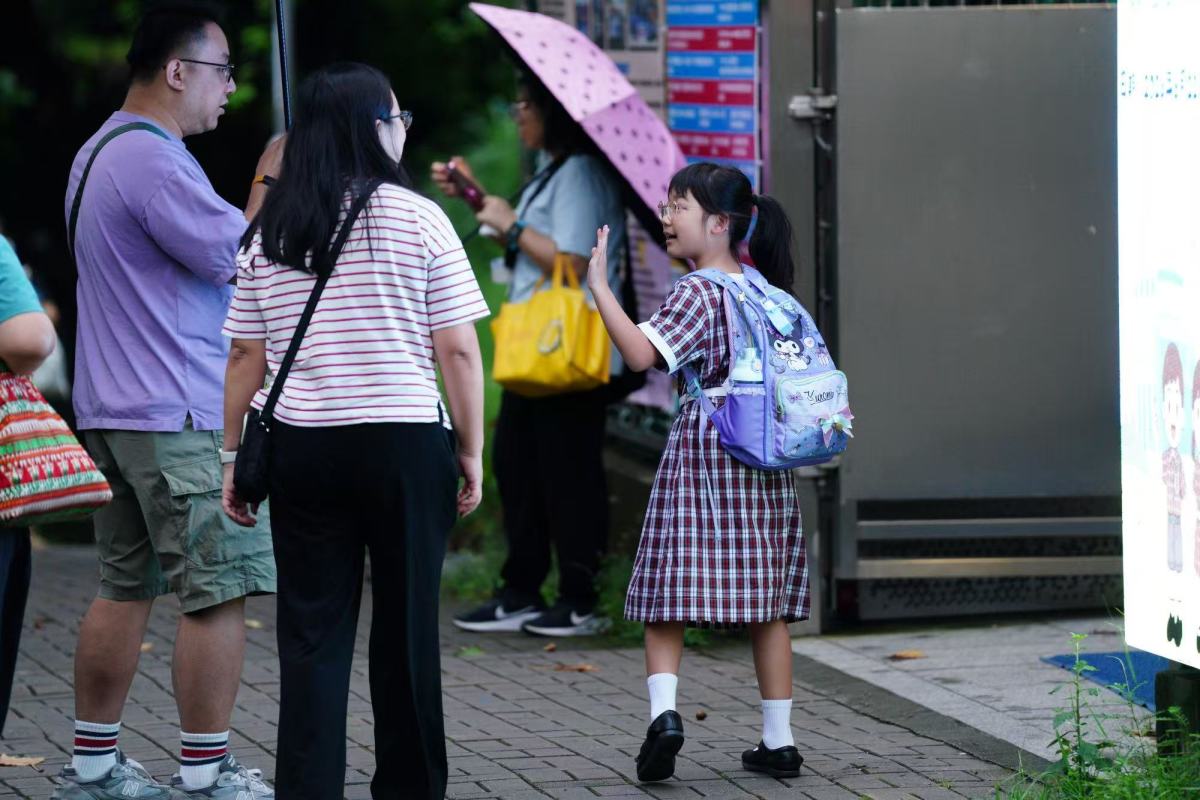
As the new school year gets underway, Hospital Authority Senior Clinical Psychologist Tam Wan-yan said today (Sep. 1) on a radio programme that students are transitioning from a relaxed summer holiday to a more demanding academic schedule, and some may need time to adjust — especially if they are attending a new school or meeting new teachers. She noted that some students may experience stress, poor sleep quality, and stomach aches, while a small number of younger primary school children may show regressive behaviours such as bedwetting.
When asked whether the Hospital Authority had seen an increase in referral cases close to the start of the school term, Tam said that actual figures might not reflect a surge, but students do require more counselling as they return to school. She pointed out that clinically there is no such thing as "school-start anxiety disorder," and the length of adjustment to the new academic year varies from person to person. If parents notice their children feeling persistently low, losing interest in usual activities, or even broaching the topic of death, they should remain vigilant. If such conditions persist for three to four weeks without improvement, professional help may be needed.
Tam suggested that students can use "small joys in daily life" to help self-regulate, such as engaging in quiet or mindfulness activities before bedtime, practising deep breathing exercises, and sharing their feelings with their parents. She encouraged parents to listen more and hug their children more often, noting that physical contact can help reduce stress.
Tam also reminded parents not to interrupt when their children express their emotions, and never to dismiss their concerns as trivial. She added that parents should not set overly high academic expectations for their children, such as demanding they rank first in class or achieve top marks.
Related News:
Govt records HK$19.6 bn deficit in first four months of fiscal year
Watch This | A twirl, a 'Fu' and a taste of China: Young visitors get hands-on with Chinese culture




Comment