






Severe flooding struck Nepal's central Himalayan region near the Tibet border on August 26, with torrents of water mixed with mud and boulders sweeping through villages and towns. The disaster reportedly caused bridges to collapse and left workers trapped at a hydropower construction site, as damage continued to spread.
Reuters, citing local Nepali media, reported that police put the death toll at 95. Nepal's tourism authorities earlier said at least 341 foreign nationals were missing. An editor's note in the report added that Reuters later said the death toll had risen to 162 by the morning of August 27, with 579 people missing.
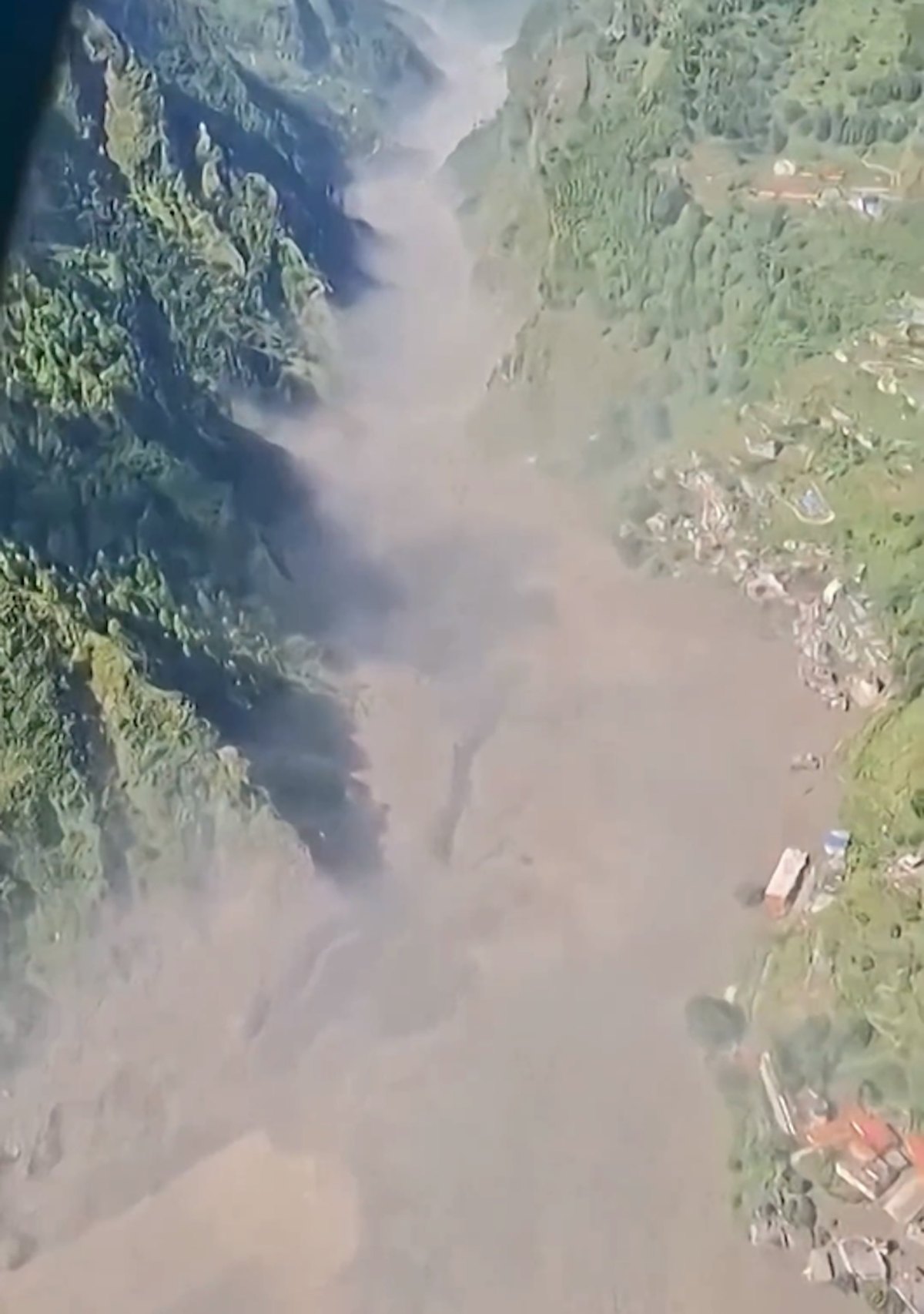
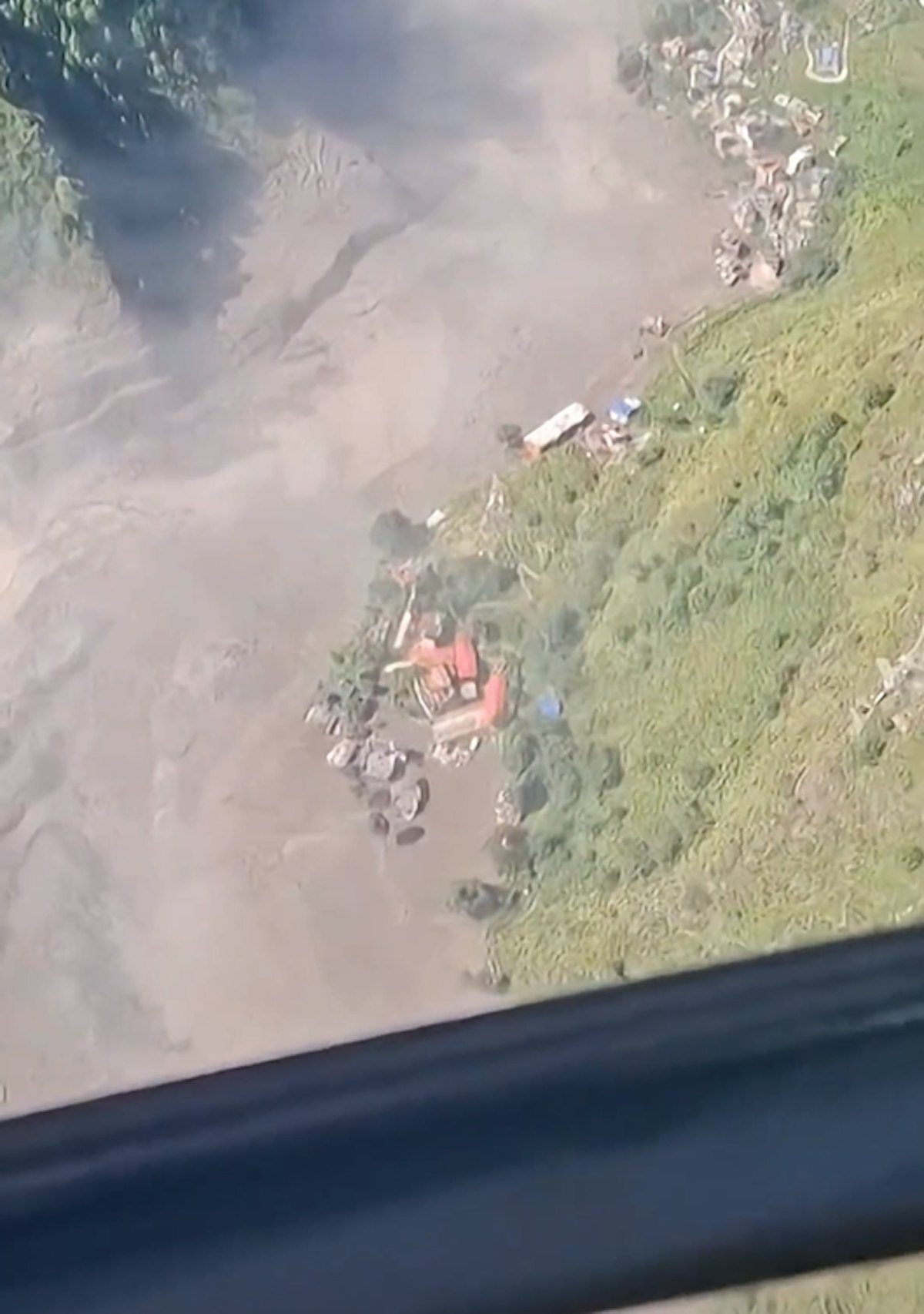
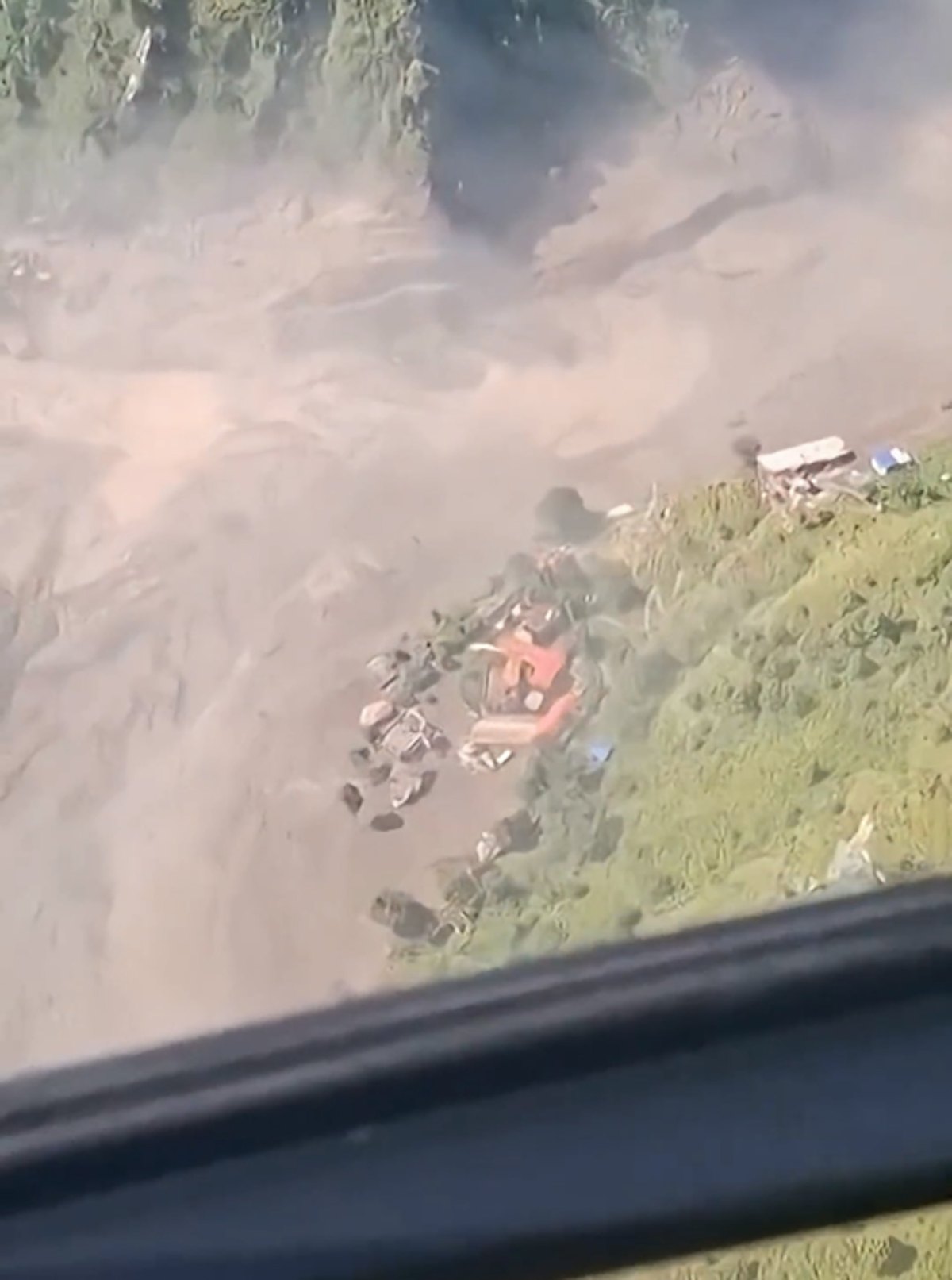
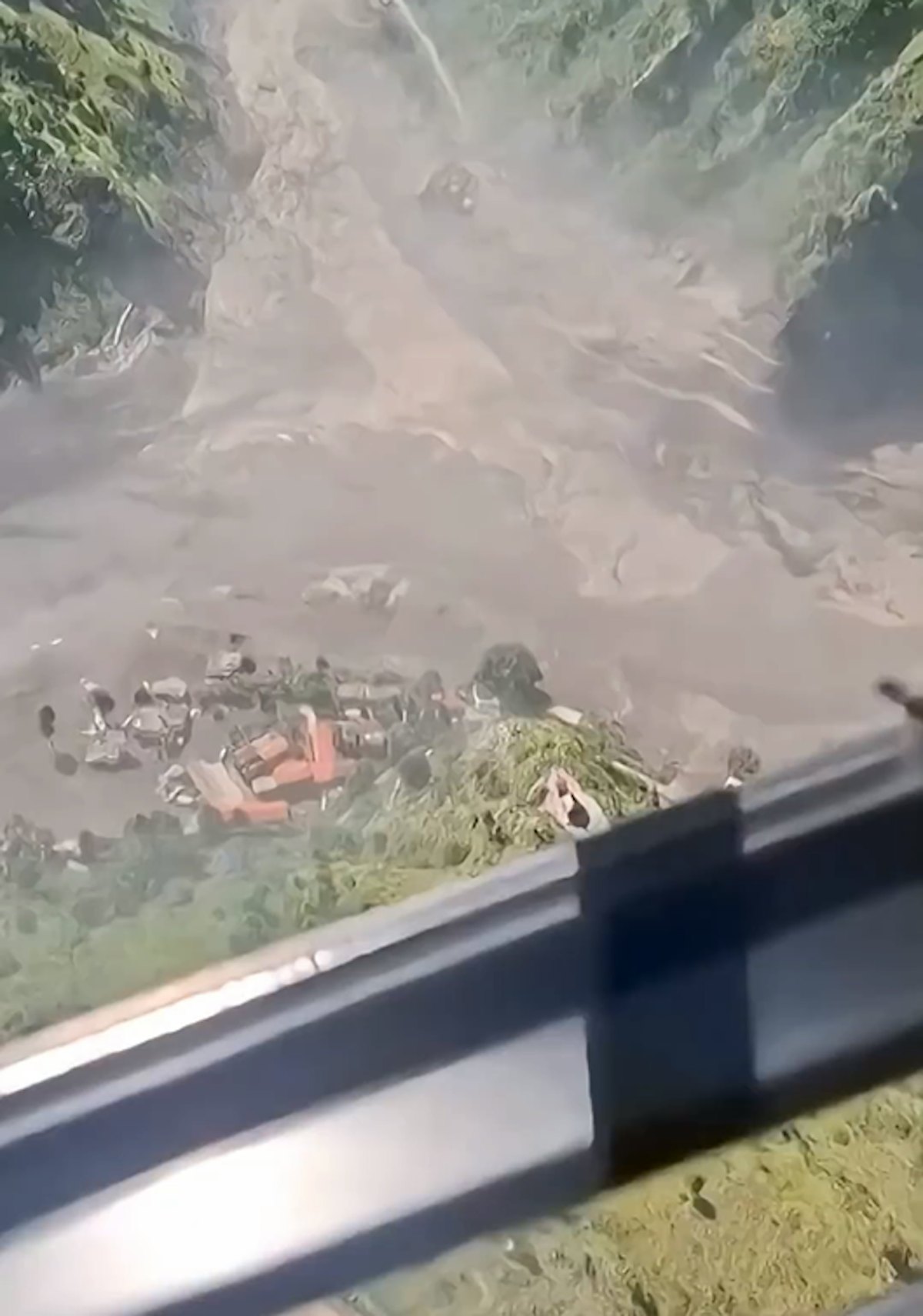
A helicopter pilot involved in rescue operations, Aman Budathoki, told CNN that moments before the flood hit, a cloud of dust rose from the river, which he initially thought signaled a landslide. Within seconds, the water turned dark and muddy, with raging currents carrying debris and forming waves as high as five to six meters. He said he watched the floodwaters swallow trees, vehicles, and buildings, describing it as the most violent natural disaster he had ever witnessed.
Footage released by Nepal's military showed residents fleeing to rooftops and balconies to await rescue. Some were seen clinging to a helicopter's landing gear, while others were evacuated by airlift. Drone images showed multiple settlements heavily damaged or destroyed, with Bagmati Province's Nuwakot district among the hardest hit. Mud and floodwater buried buildings along the Trishuli River.
The flooding also affected the Gyirong County border port in Xigazê, Tibet. Chinese authorities ordered all-out search and rescue efforts, while China Central Television warned of the possibility of "major casualties." In neighboring India, Bihar state announced evacuations in six areas as a precaution against further flooding.
Search-and-rescue operations remain ongoing, and the number of deaths, missing persons, and affected residents may continue to rise.




Comment