






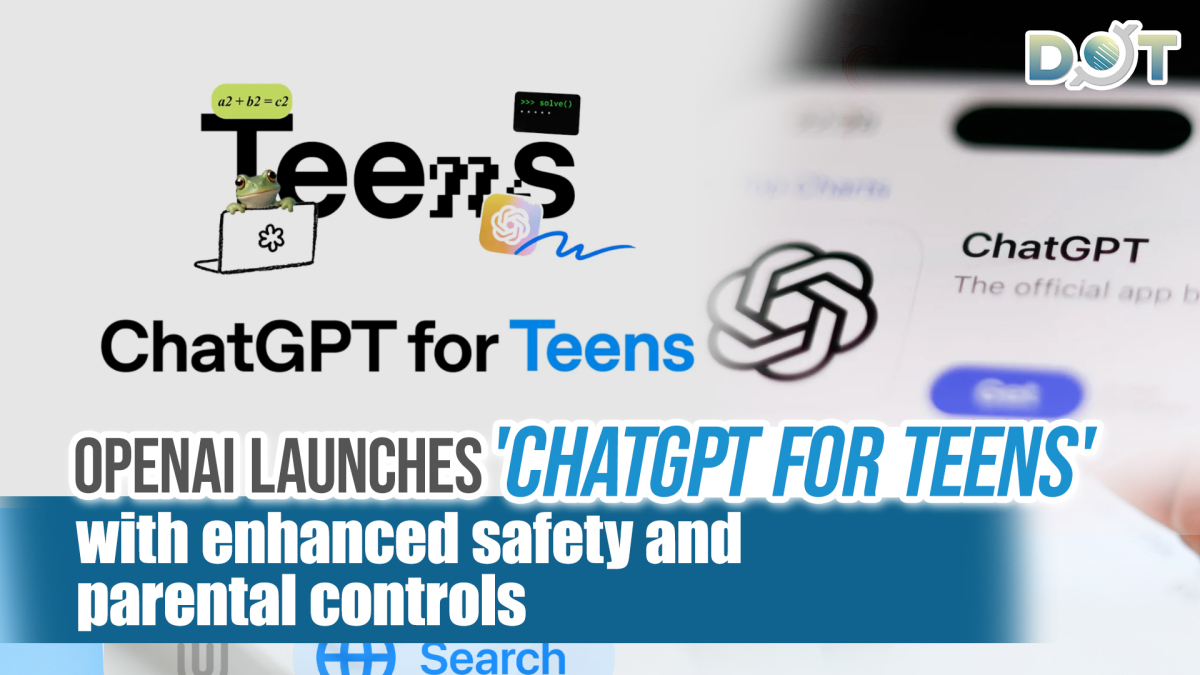
OpenAI officially rolled out "ChatGPT for Teens" on Aug. 18, a version specifically designed for users under 18, featuring multi‑layered safety protections and parental oversight mechanisms to reduce the risk of minors encountering harmful content.
According to foreign media reports, the system will be automatically applied to registered accounts of users aged 13 to 17, as well as to minors identified through usage patterns and account information.
ChatGPT for Teens builds on several features OpenAI has introduced over the past year, including Study Mode – which helps students solve problems step by step – an age‑prediction system, and various parental control tools. In addition to integrating Study Mode for learning assistance, the teen version adds homework reminders, quizzes, visual learning tools, and a time‑management feature called "Study Hours," which can be activated by parents or teens themselves to schedule usage periods. Parents can also set "Quiet Hours" to manage screen time and prevent overuse, and they will receive notifications when the system detects certain serious safety risks.
On the safety front, the teen version prohibits the chatbot from implying personal feelings toward users or claiming to possess consciousness, and it disables certain features such as voice mode. OpenAI stated that ChatGPT for Teens includes age‑appropriate safeguards designed to reduce exposure to content that is inappropriate for their developmental stage or potentially harmful. In addition, parents can link their accounts to their children's accounts; if the system detects high‑risk conversations involving self‑harm or suicidal ideation, after being reviewed by human moderators and de‑identified, the system will send real‑time safety alerts to parents.
Currently, Meta is facing a high‑stakes lawsuit over whether it contributed to addictive behaviours among teenagers and children. The case, filed in 2023 by a coalition of 29 state attorneys general against Meta, could potentially result in damages amounting to hundreds of billions of dollars. Separately, OpenAI is also facing multiple wrongful‑death lawsuits alleging that its products induced harmful delusions and even suicidal thoughts in users.
In June of this year, Florida Attorney General James Uthmeier sued OpenAI and its CEO Sam Altman, accusing the company of releasing products that could harm users despite knowing they were unsafe. A coalition of state attorneys general has also launched an investigation.
The U.S. Federal Trade Commission has also conducted inquiries into seven technology companies, including OpenAI and Meta, focusing on the potential negative impact their products may have on children and adolescents.
Related News:
Manus announces return to independent operations after China blocks Meta acquisition
Trump's Truth API privilege service faces lawsuit for selling policy alerts for US$100,000 per month




Comment