






Saudi Arabia's Ministry of Energy issued a statement in the early hours of July 23 saying that the kingdom has signed a cooperation agreement with the United States on the peaceful use of nuclear energy. The statement said the agreement will promote cooperation between the two sides in line with the highest international standards of nuclear safety, nuclear security, and nuclear non-proliferation. U.S. media reported that the deal could open the door for Saudi Arabia to conduct uranium enrichment activities.
On July 18, U.S. media disclosed a draft nuclear agreement between the United States and Saudi Arabia, which would allow the U.S. to transfer nuclear materials and technology to Saudi Arabia's civilian nuclear program without fully implementing non-proliferation safeguards. The Wall Street Journal reported on July 21 that U.S. President Donald Trump has formally approved an agreement with Saudi Arabia to provide the kingdom with a civilian nuclear program.
According to reports, a key clause in the agreement stipulates that if joint U.S.-Saudi research deems it necessary, U.S. companies will build a uranium enrichment facility in Saudi Arabia. U.S. officials said this would help Washington exert influence over Riyadh's nuclear program and prevent it from being used for military purposes.
The agreement is reportedly a 30-year deal valued at tens of billions of dollars. Trump gave his approval late last week, and the agreement will be submitted to the U.S. Congress for review in the coming days.
The reports also noted that many U.S. lawmakers oppose the spread of nuclear technology in the Middle East. However, to block the agreement, lawmakers would need to introduce a joint resolution and override a potential presidential veto with a two-thirds majority vote.
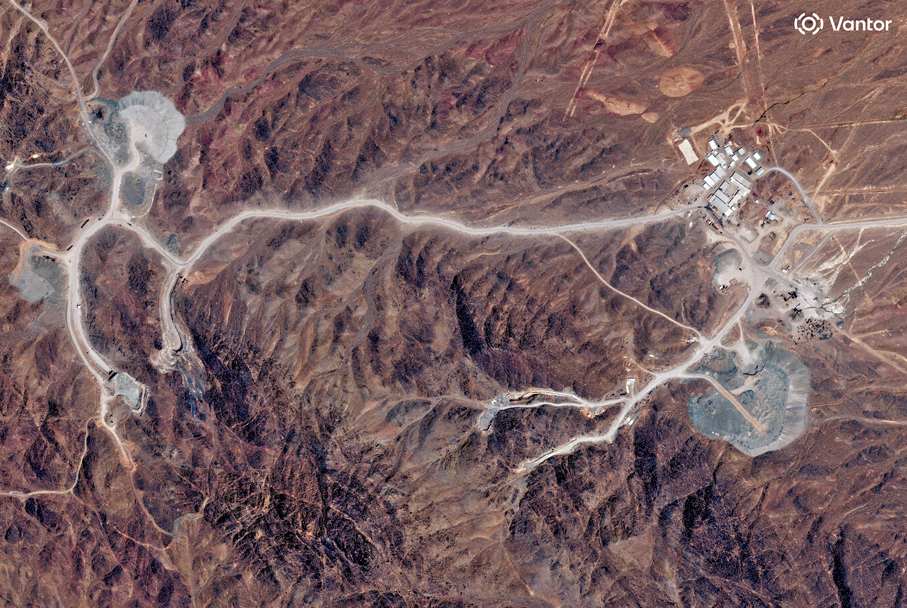
The United States has previously threatened to strike Iran's underground nuclear facilities. On July 21, Trump told reporters at the White House during a meeting with the visiting Lebanese President that the U.S. "may soon" strike Iran's Mount Kolang underground nuclear facility. U.S. Defense Secretary Pete Hegseth said the same day that U.S. forces can strike the Mount Kolang underground facility, but that any strike would require "weighing the pros and cons." In response to these U.S. remarks, Iranian Foreign Ministry spokesman Esmail Baghaei said on July 22 that Iran's Mount Kolang site has no nuclear activities, and that America's obsessive focus on Mount Kolang is nothing more than a pretext for aggression, destruction, and sabotage.
Related News:
US strikes Iran for 9th consecutive night
Explosions heard in southern, central Iran as US announces new round of strikes




Comment