






By Chen Yin-ue, Luk Hiu-wai, and He Tsz-yuk
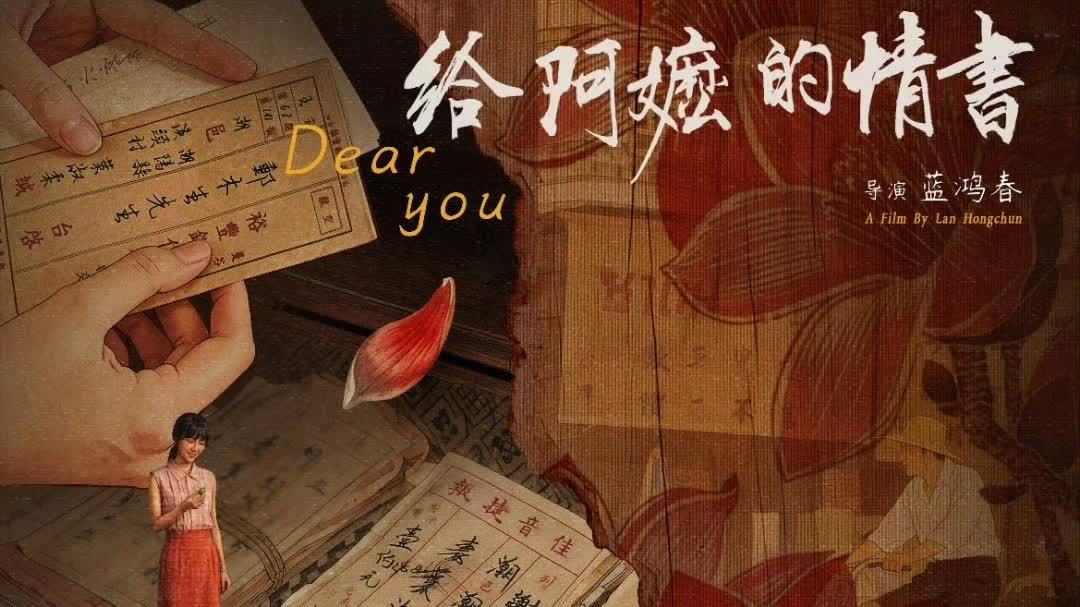
A low-budget film has unexpectedly become a cultural touchstone for Chinese audiences worldwide. Dear You, made for just RMB 14 million, owes its runaway success not to star power or special effects, but to a humble archival artifact: the qiaopi—money-and-letters sent home by emigrants a century ago. These documents, now listed on UNESCO's Memory of the World Register, capture the grit, love, and sacrifice of generations who left their villages for distant shores. Now listed on UNESCO's Memory of the World Register, qiaopi threads together bonds of love and longing across countries and generations, revealing the cultural and emotional roots of the Chinese people. The film's resonance proves that these faded papers still speak volumes powerfully today, turning private family history into a shared emotional currency.
Yet the living legacy of overseas Chinese is not confined to celluloid. In the GBA, the Kaiping Diaolou and Villages were inscribed as a UNESCO World Heritage site in 2007, stand as some of the clearest examples of how emigrants fused foreign architectural ideas with local traditions. They were built with remittances and know-how from emigrants, and today they remain vibrant anchors for diaspora families. Built with remittances, overseas craftsmanship, and Western design elements brought home by returnees, the Diaolous remain vibrant anchors for diaspora families. Many overseas descendants sponsor their upkeep and return yearly for ancestral ceremonies, keeping the sites as active community spaces rather than museum pieces. As Professor Tan, who helped draft the UNESCO nomination, puts it: "These Diaolous are not just architecture; they are the tangible roots of a transoceanic family."
That same diasporic network has long fuelled economic bridges. In Fujian, overseas Chinese connections enabled a pioneering "Two Countries, Twin Parks" industrial scheme with Indonesia, now a flagship RCEP pilot that has attracted over RMB 90 billion in committed investment. Similarly, Hong Kong's recent push in South America found a ready partner in Chile's 30,000-strong Chinese community which has helped make China Chile's top trading partner. These are not abstract statistics; they are living links in the Belt and Road tapestry, woven by individuals who shuttle between worlds, created through the global movements and networks of overseas Chinese.
Grassroots heritage work adds another layer. The "Cangdong Village Project" in Kaiping turns a traditional village into a living classroom, combining ecological stewardship with cultural memory. Through talks, exhibitions and displays of family heirlooms, it invites scholars and locals alike to co-author the narrative of emigration. This year's "Cangdong Heritage Week" brought together twenty civic groups from across the Greater Bay Area—from Hong Kong history societies to Macau heritage guides, from Guangzhou docents to Shenzhen conservationists—to swap stories and strategies. The gathering sparked a bold idea: a cross-border "GBA Cultural Heritage Conservation Alliance" that would amplify citizen-led efforts and pool expertise.
The lesson is clear. Whether through cinema, Diaolous, or community festivals, heritage is not merely a historical artifact, it thrives when it is told and retold. Hong Kong's ongoing "Intangible Cultural Heritage Month 2026" has already drawn crowds with its gourmet events and heritage summits, proving that the public craves engagement. Looking ahead, the GBA's real potential lies in jointly crafting cultural IPs that weave local histories into globally appealing tales—not as a translation of the past, but as a living script for the future.
Chen Yin-ue and Luk Hiu-wai are students at the University of Hong Kong and heritage enthusiasts; He Tsz-yuk is one of the advocates of the Greater Bay Area Cultural Heritage Conservation Alliance.
The views do not necessarily reflect those of DotDotNews.
Related News:
China's hit movie Dear You touches hearts at British premiere




Comment