






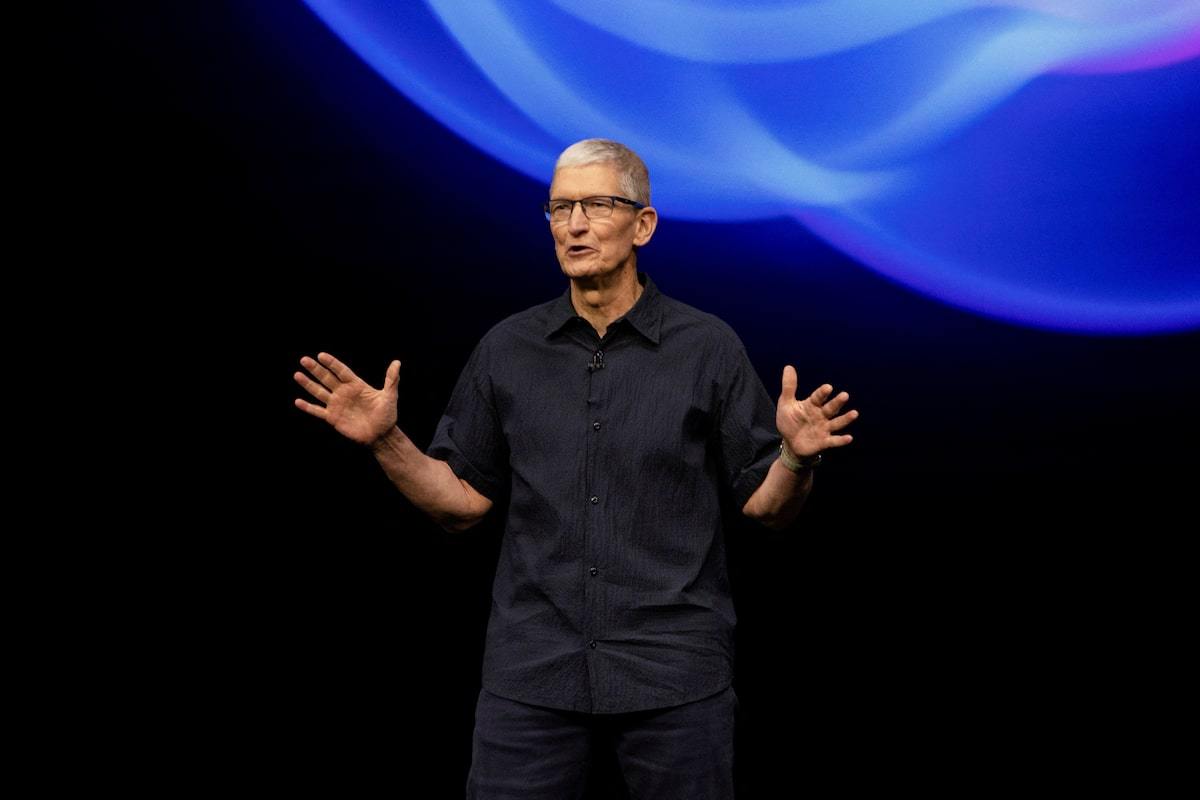
Apple CEO Tim Cook has revealed that the company plans to raise prices on its products to offset soaring memory chip costs, which have been driven higher by the rapid expansion of artificial intelligence (AI) infrastructure.
According to an interview with Cook published by The Wall Street Journal on June 17, the Apple chief executive said price increases for Apple products have become inevitable due to a severe shortage of memory chips and sharply rising costs fueled by the AI boom.
However, Cook did not provide further details regarding the scale of the price increases or specify which products would be affected.
Market research data indicate that if Apple fully passes higher component costs on to consumers, the next-generation iPhone Pro could see its production cost rise by approximately US$270 (HK$2,214). Apple has already increased the starting price of its Mac Mini desktop computer last month.
Meanwhile, Morgan Stanley forecasts that prices for smartphones and personal computers in the US will rise by 15% this year.
The Wall Street Journal reported that major AI companies have significantly increased capital expenditures, leading to a surge in demand for high-bandwidth memory used in AI servers and putting substantial pressure on supplies of memory chips for consumer electronics.
According to the report, Google, Amazon, Meta and Microsoft are expected to spend around US$700 billion (HK$5.48 trillion) on artificial intelligence this year. The companies have secured large quantities of memory products from suppliers including Micron, Samsung and SK Hynix, often through substantial advance-payment contracts that effectively lock up available supply.
Cook said in the interview that in more than four decades of working in the industry, he had never witnessed anything comparable.
Industry analysts have been speculating for months about the impact of rising memory costs on Apple's product pricing and profit margins. In January, Cook warned that memory costs would have an increasingly significant impact on Apple during the second half of 2026.
Related News:




Comment