







The countdown to the 2026 FIFA World Cup has entered its final week. At 3 a.m. Hong Kong time on June 12, co-host Mexico will take on South Africa on home soil in the tournament's opening match.
This edition of the World Cup comes with several historic milestones. It will be the first tournament to feature 48 teams, the first to be jointly hosted by three countries, and the first to stage 104 matches over a 39-day period.
In short, there will be more teams, more matches and a busier schedule than ever before. For many fans, the question is simple: how should the biggest World Cup in history be watched, and what deserves the closest attention?
Expanded to 48 teams, 104 matches: New format shifts focus from finishing top two to securing a top-three spot
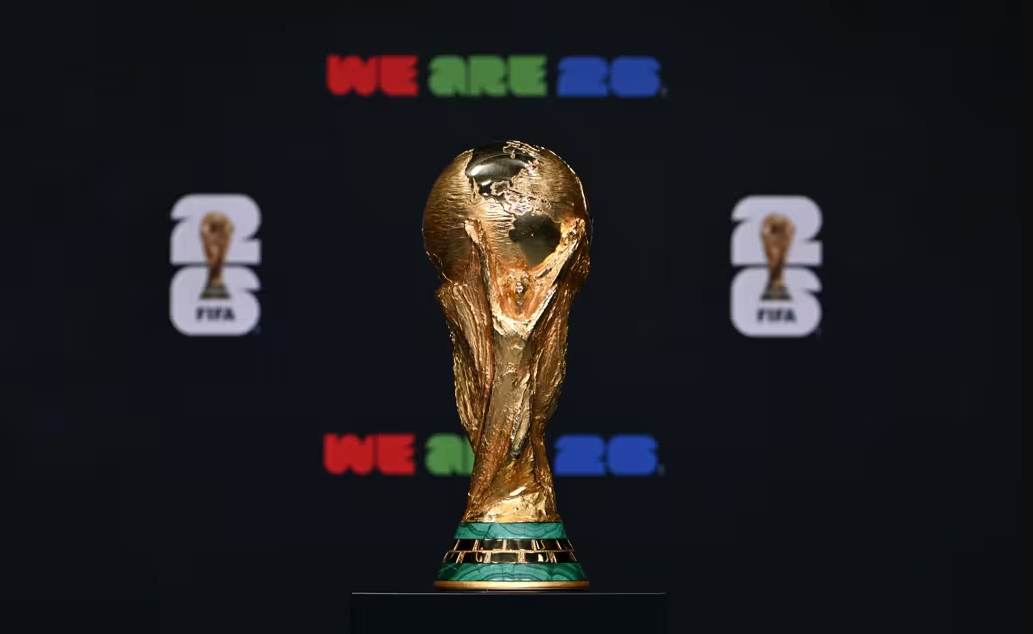
The most visible change in 2026 is the expansion from 32 to 48 participating teams, with the total number of matches increasing from 64 to 104.
Under the new format, the 48 teams are divided into 12 groups of four. Each group plays a round-robin schedule, with the top two teams automatically advancing to the knockout stage. The eight best third-placed teams across all groups will also qualify, creating a 32-team knockout bracket.
Compared with previous tournaments, the probability of advancing from the group stage rises from 50 percent to approximately 67 percent.
The change significantly increases the margin for error for traditional powerhouses. In past tournaments, a single defeat could leave a team on the brink of elimination. Under the new system, teams that fail to finish in the top two can still progress through points or goal-difference advantages as one of the best third-placed sides.
The format also creates greater opportunities for smaller nations and debutants. Teams previously considered outsiders may now have a realistic chance of reaching the knockout rounds with strong performances.
At the same time, the final round of group-stage matches is expected to become even more dramatic. Teams will not only battle for automatic qualification spots but also compete for the eight best third-place positions, making nearly every match significant in the race to advance.
Final squads confirmed: Messi and Ronaldo set for sixth World Cup as a new generation takes center stage
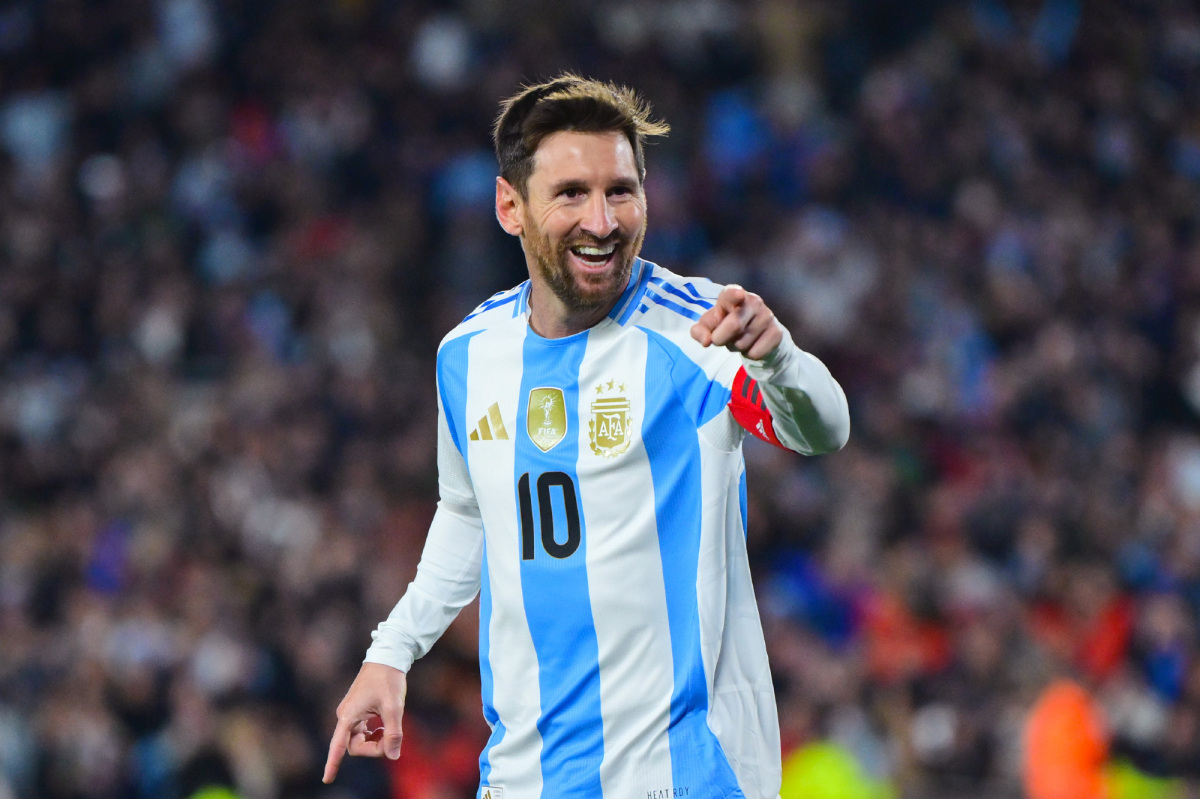
All 48 participating nations have now announced their final 26-man squads.
Among the headline names, Lionel Messi, Cristiano Ronaldo and Mexican goalkeeper Guillermo Ochoa are all set to make their sixth World Cup appearances.
According to FIFA, a record 1,248 players have qualified for the tournament. Of those, 357 have previously been included in at least one World Cup squad, while 891 players will be making their World Cup debuts.
The age range is equally remarkable. There are 22 players under the age of 20 and seven players over the age of 40 expected to participate, with more than 25 years separating the oldest and youngest competitors.
The World Cup has always been a stage for generational transition. For many veterans, the 2026 tournament could represent a final appearance on football's biggest stage.
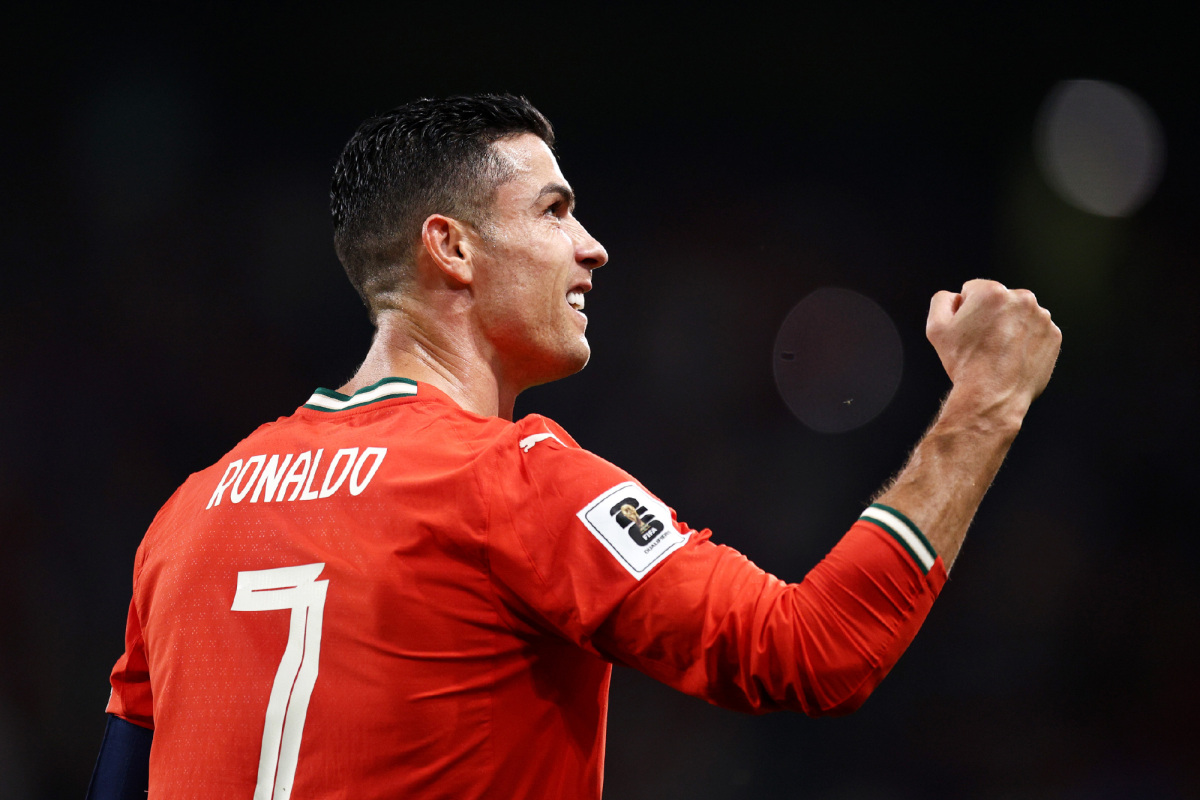
Brazil's Neymar has returned to the national team 944 days after his previous call-up. Croatia captain Luka Modric and Germany goalkeeper Manuel Neuer, both over 40, are preparing for their fifth World Cup campaigns. Fans will also be watching closely to see whether Ronaldo can score in a sixth consecutive World Cup and whether Messi can lead Argentina to a successful title defense.
While football's legends remain in the spotlight, a new generation is ready to take over.
At 27, Kylian Mbappe is in the prime of his career. Erling Haaland, 26, is preparing for his first World Cup appearance. England midfielder Jude Bellingham, 23, has become a central figure for his national team, while 18-year-old Lamine Yamal has already emerged as Spain's focal point.
These players are now the pillars of their respective teams and appear ready to inherit football's biggest stage.
Veterans may no longer be able to reproduce the magic of their peak years or start every match, but younger stars will not hold back. Once the tournament begins, competition will be as fierce as ever. That contrast between generations is one of the reasons this World Cup promises to be compelling.
No clear "group of death" as emerging nations eye surprise runs
To reduce the likelihood of top contenders meeting too early, FIFA adopted a Grand Slam-style seeding system.
The four highest-ranked teams — Spain, Argentina, France and England — have been placed in separate sections of the bracket and cannot meet before the semifinals. Teams from the same confederation have also been separated as much as possible during the group stage.
With more teams participating and continental restrictions applied during the draw, the groups appear relatively balanced compared with previous editions. No obvious "Group of Death" has emerged.
Attention will naturally focus on the title contenders.
Defending champion Argentina retains the core of its 2022 title-winning squad. France's formidable attacking options once again make Les Bleus serious contenders. Spain enters the tournament with confidence following its European Championship triumph, while Brazil, England and Germany remain among the leading challengers.
At the same time, every World Cup produces surprise stories.
Morocco, Ecuador, Norway and Japan all possess the potential to challenge traditional powers and even finish atop their respective groups.
Several debutants also deserve attention. Cape Verde, Curaçao, Uzbekistan and Jordan are participating in their first World Cups, while Iraq returns to the tournament for the first time in 40 years. Every match they play could become part of football history.
The expanded format and third-place qualification route significantly increase the chances of underdogs advancing, introducing more unpredictability and challenging the dominance traditionally enjoyed by football's elite nations.
This World Cup is unlikely to belong exclusively to the favorites.
Asia seeks a breakthrough as Chinese referee provides additional interest
Benefiting from the expanded allocation of places, a record nine Asian teams have qualified for the 2026 World Cup.
The representatives are Japan, Iran, South Korea, Uzbekistan, Jordan, Australia, Qatar, Saudi Arabia and Iraq. Jordan and Uzbekistan are making their World Cup debuts.
Japan, South Korea and Australia remain the leading Asian contenders. With many of their players competing regularly in Europe's top leagues, they possess the technical quality and tactical sophistication required to challenge elite opponents and compete for points against traditional football powers.
For Chinese fans, another point of interest comes from the officiating team.
Chinese referee Ma Ning has been selected for the tournament and will become the only Chinese referee in the past 20 years to serve as a World Cup match official in the role of referee.
Speaking previously, Ma said he hopes to learn from the world's best officials and bring valuable experience back to China to contribute to the development of future referees.
"We will give everything we have and showcase the professionalism of Chinese referees on the World Cup stage," he said.
While expansion has provided more opportunities for Asian teams to participate, qualification spots and competitive success are not the same thing. Whether Asian football can achieve a genuine breakthrough in results remains to be seen.
Packed schedule means fans must choose carefully
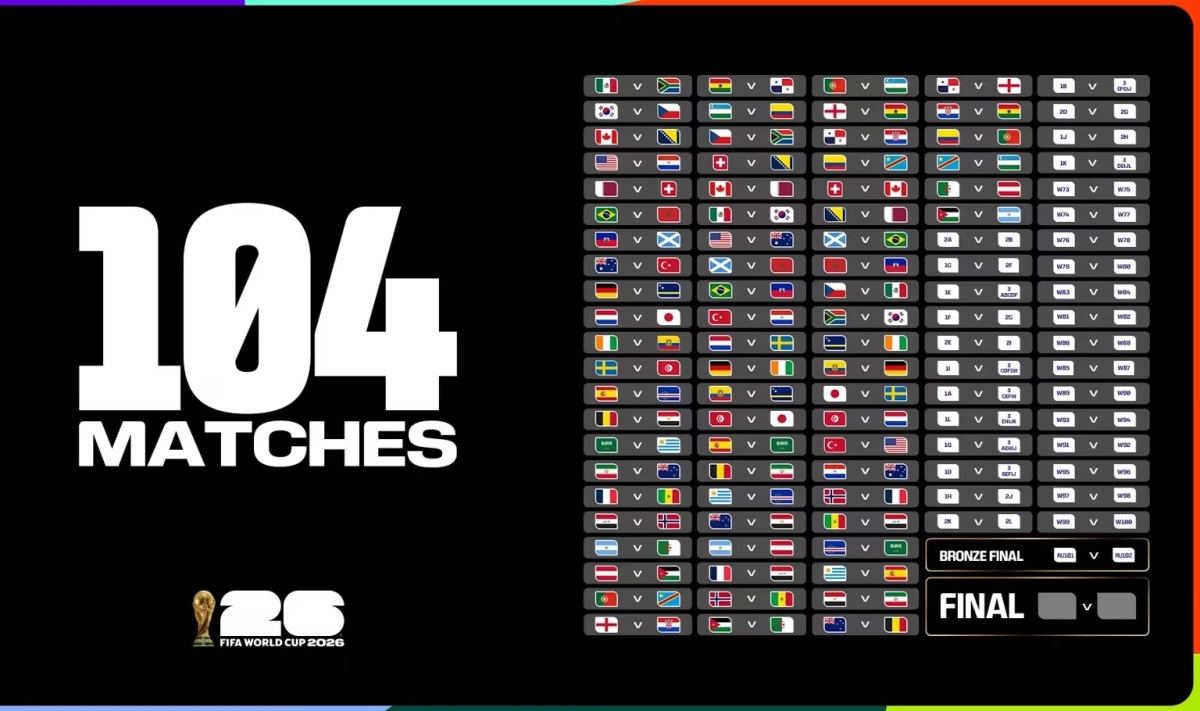
Most matches at this year's World Cup will be played between late night and early morning Hong Kong time, requiring many fans to either stay up late or wake up early.
With multiple matches scheduled in quick succession, watching every game is unrealistic. Careful planning may be the best approach.
Among the key fixtures highlighted by organizers and observers are:
- June 12, 10:00 a.m. (HKT): South Korea vs Czech Republic—Son Heung-min leads the Taeguk Warriors in one of the opening matches involving an Asian side.
- June 14, 6:00 a.m. (HKT): Brazil vs Morocco—A major test for Brazil's attack led by Neymar and Vinicius Junior against Morocco's disciplined defense.
- June 15, 4:00 a.m. (HKT): Netherlands vs Japan—Japan, after defeating Germany and Spain in the previous World Cup group stage, remains a respected benchmark for elite teams.
- June 17, 9:00 a.m. (HKT): Argentina vs Algeria—Defending champion Argentina begins its campaign as Messi's World Cup farewell journey attracts global attention.
- June 18, 4:00 a.m. (HKT): England vs Croatia—A rematch of the 2018 World Cup semifinal and potentially Modric's final World Cup appearance.
- June 21, 4:00 a.m. (HKT): Germany vs Côte d'Ivoire—Germany seeks to avoid a third consecutive disappointing group-stage campaign.
- June 28, 7:30 a.m. (HKT): Colombia vs Portugal — Ronaldo's group-stage finale in what could be his last World Cup.
Seven days from now, when the opening whistle sounds in Mexico City, another chapter of football history will begin. Every World Cup produces new heroes and unforgettable stories.
This one may produce more than ever before.
(Reporter: Su Lihao; English Editor: Zoey SUN)
Related News:
HK secures 2026 FIFA World Cup broadcast rights with selected matches free to air




Comment