






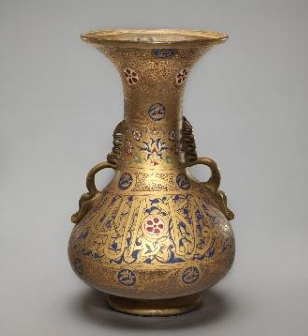
The "Forbidden City and the World--Cultural Encounters" opens to the public in Gallery 1 of the Hong Kong Palace Museum starting on June 3, 2026, is jointly organised by the Hong Kong Palace Museum and the Palace Museum, and is solely sponsored by The Hong Kong Jockey Club Charities Trust.
During the Ming (1368-1644) and Qing (1644-1911) dynasties, the cultural exchange between the Forbidden City and the wider world flourished across both the overland Silk Routes and the expanding maritime trade routes. The interactions reflected a dialogue between civilisations in diplomacy, art, technology, ideas, and cultural practices.
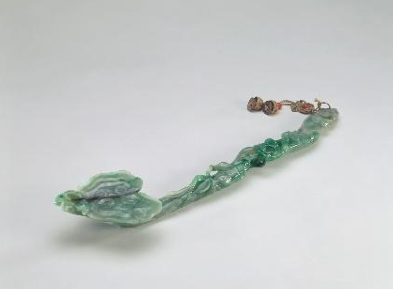
From the cloisonné enamels of the Yuan dynasty (1271-1368) to the European clocks in the Qing court, and from Zheng He's monumental maritime expeditions to the export trade managed through the Canton Customs, the Ming and Qing courts absorbed influences from afar, while Chinese silk, porcelain, tea, and other valuable goods were exported to the wider world. Civilisations become richer and more colourful through exchanges and mutual learning, which form an important driver for human progress and global peace and development.
The "Forbidden City and the World--Cultural Encounters" revisits the history of the Forbidden City as a window into centuries of global connection, with the hope that the civilisations of the world will embrace mutual understanding and inclusivity, advance together toward shared prosperity, and jointly shape a brighter future for humankind.
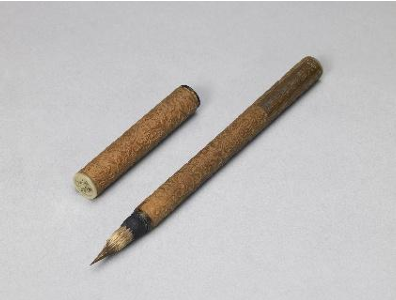
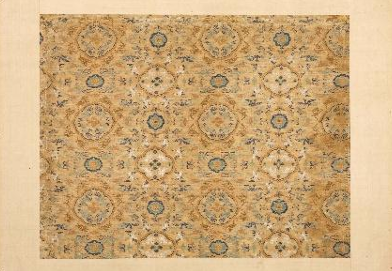
The exhibition showcases over 130 precious artefacts from three premier institutions: the Palace Museum in Beijing, the Hong Kong Palace Museum (HKPM), and the Museum of Islamic Art in Doha. Anchored by the Palace Museum's collection, including 18 grade-one national treasures, the display is further enriched by significant objects from the HKPM, the Chris Hall Collection at the HKPM, and the Museum of Islamic Art in Doha, with categories ranging from paintings and calligraphic works to jewellery, timepieces, ceramics, glassware, furniture, textiles, and scholar's objects.
Related News:
Watch This | A 3,000-year journey through Mayan and Andean civilizations
Be My Guest | 'Kung fu is a root of China': Laurence Brahm on bridging east and west




Comment