






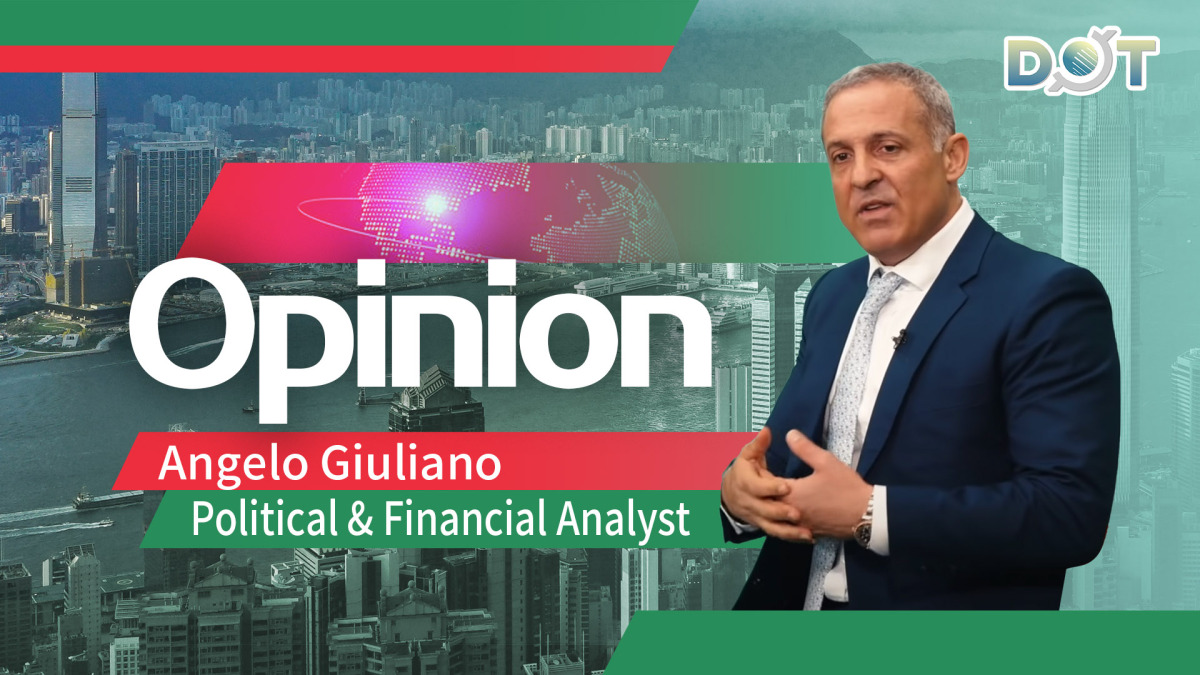
By Angelo Giuliano
The global order is shifting rapidly toward multipolarity, where emerging powers challenge old dominance and new alliances reshape economies. Iran stands at a critical inflection point. Years of sanctions have tested the nation, but the prospect of full relief could unlock enormous potential. This moment is not merely about recovery. It represents Iran's chance to become a stronger player in a world where influence spreads across multiple centers of power. With smart decisions, Iran can turn challenges into lasting strength.
Echoes of 2016: A Proven Rebound
Back in 2016, the world saw what happened when major sanctions eased. After the implementation of the JCPOA, Iran's economy surged. Real GDP growth reached impressive levels as oil exports doubled quickly, frozen funds began returning, and international trade resumed. Consumption rose, investment picked up, and the hydrocarbon sector drove much of the momentum. That single year delivered a powerful demonstration of Iran's underlying economic resilience. Businesses reopened channels, banking ties improved, and the country experienced a wave of optimism. Although exact figures varied by source, the rebound was clear and swift, showing how quickly relief could translate into growth. That experience remains a valuable lesson today. It proves that removing barriers allows Iran's natural advantages — energy resources, strategic location, and industrial base — to shine through.
The Potential for an Even Greater Leap Forward
Looking ahead, the upside could be significantly larger if all sanctions are lifted comprehensively. Iran could regain access to billions in frozen assets, estimated in the range of $100 billion or more across various international accounts. This immediate liquidity would provide a strong foundation for rebuilding and investing. Oil production and exports, currently constrained, could ramp up substantially, adding meaningful revenue streams. Even more transformative is the idea of monetizing the Strait of Hormuz. This vital chokepoint carries roughly 20 million barrels of oil per day, representing a huge portion of global seaborne energy trade. Introducing reasonable transit tolls or service fees — such as around one dollar per barrel — could generate tens of billions annually. Some projections suggest figures as high as $70-80 billion per year, potentially rivaling or exceeding traditional oil export earnings. Such a move would shift Iran from solely selling its own resources to also earning from the massive flow of global commerce passing its shores.
These elements combined — asset releases, energy normalization, and new Hormuz revenues — could drive a dramatic overnight increase in GDP. The effects would ripple through the economy: lower transaction costs, renewed foreign interest, and a boost to both oil and non-oil sectors. Beyond pure numbers, the political and diplomatic benefits would be profound. Greater economic stability could ease internal pressures, open new partnerships, and position Iran more confidently on the regional and global stage. In a multipolar world, where countries like those in BRICS gain influence, a prosperous Iran would naturally emerge as a key node connecting energy, trade, and strategic routes.
The Central Challenge: Rebuilding the Industrial Backbone
Despite the bright revenue prospects, success will not come automatically. The biggest test lies in reconstructing and modernizing Iran's industrial base. Sectors like steel and aluminium have long been pillars of Iran's economy and symbols of self-reliance. These industries supported domestic needs and exports, but prolonged sanctions, technology restrictions, and recent disruptions have caused setbacks. Plants have faced equipment shortages, efficiency losses, and in some cases, direct damage. Restarting and upgrading them will require years of dedicated effort and substantial capital.
Modernization means bringing in advanced machinery, improving energy efficiency, expanding capacity, and integrating cleaner technologies. This process demands not only funding but also skilled workforce development and reliable infrastructure. Without addressing these fundamentals, short-term revenue gains risk being spent on consumption rather than sustainable growth. The good news is that the very influx of funds from sanctions relief and Hormuz tolls could directly finance this rebuilding. Careful planning will be essential to prioritize productive investments that create jobs, boost exports, and reduce import dependence.
Fresh Capital from Unexpected Partners
An especially promising aspect is the potential role of GCC countries as investors. Nations in the Gulf Cooperation Council have deep pockets and a keen eye for regional opportunities. A stable, sanctions-free Iran could appear as an attractive market for joint projects in industry, energy, and infrastructure. Investments from Saudi Arabia, the UAE, Qatar, and others might flow into steel and aluminium plants, logistics, and even tourism or technology ties. Such cross-Gulf cooperation would benefit all sides by creating shared prosperity and reducing historical tensions through economic interdependence. It would also accelerate Iran's recovery by bringing not just money but expertise and market access.
Of course, Iran will seize this historic chance. The nation has shown remarkable adaptability through difficult times. With visionary leadership and pragmatic policies, it can navigate the complexities of reintegration while protecting its sovereignty. The world is moving away from unipolar dominance toward a balanced multipolar system. Iran's geographic position, resource wealth, and human capital make it well-placed to thrive in this new reality.
Seizing the Moment for Lasting Prosperity
In the end, this inflection point offers Iran more than economic revival. It provides a pathway to greater influence in a changing global landscape. The potential is immense: rapid GDP growth, diversified revenues, industrial renewal, and stronger regional ties. Challenges remain, particularly in the patient work of factory modernization, but the tools to overcome them are within reach. Billions in assets, Hormuz tolls, GCC partnerships, and the lessons from 2016 all point toward a brighter future.
Iran stands ready. By focusing on long-term strength rather than quick fixes, the country can emerge as a confident pillar in the multipolar world. The money is there. The opportunities are clear. The only remaining step is bold, strategic action to turn potential into reality. History is not simply repeating — it is opening a new chapter, and Iran has every reason to write it successfully.
The views do not necessarily reflect those of DotDotNews.
Read more articles by Angelo Giuliano:
Opinion | The Ceasefire Trap: US-Israel Good Cop-Bad Cop Theater Against Iran
Opinion | Iran on the edge of becoming a real superpower – A dangerous 'what if'
Opinion | Joe Kent is no hero: Just another clever move in the broken US empire




Comment