






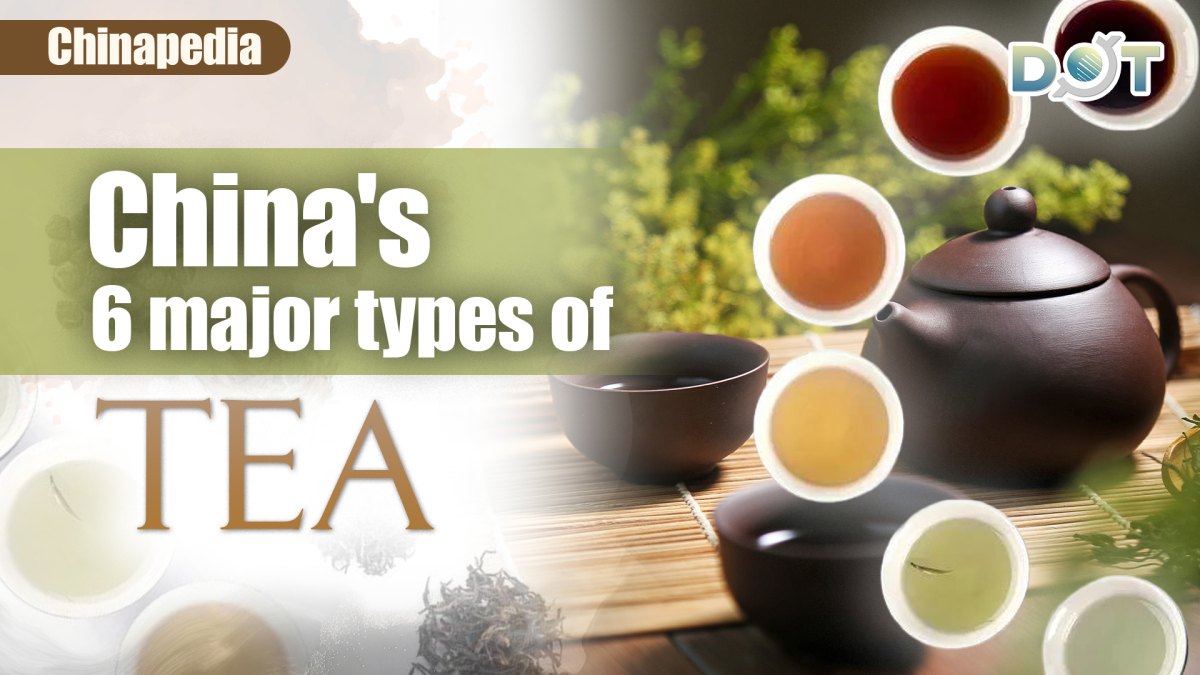
In China, tea is far more than a drink—it is an art form shaped by thousands of years of history. The six main categories of Chinese tea are defined by their degree of fermentation, processing techniques, and the varieties of tea plants used. Each offers a unique sensory experience, from the gentle freshness of green tea to the deep, aged complexity of dark tea.
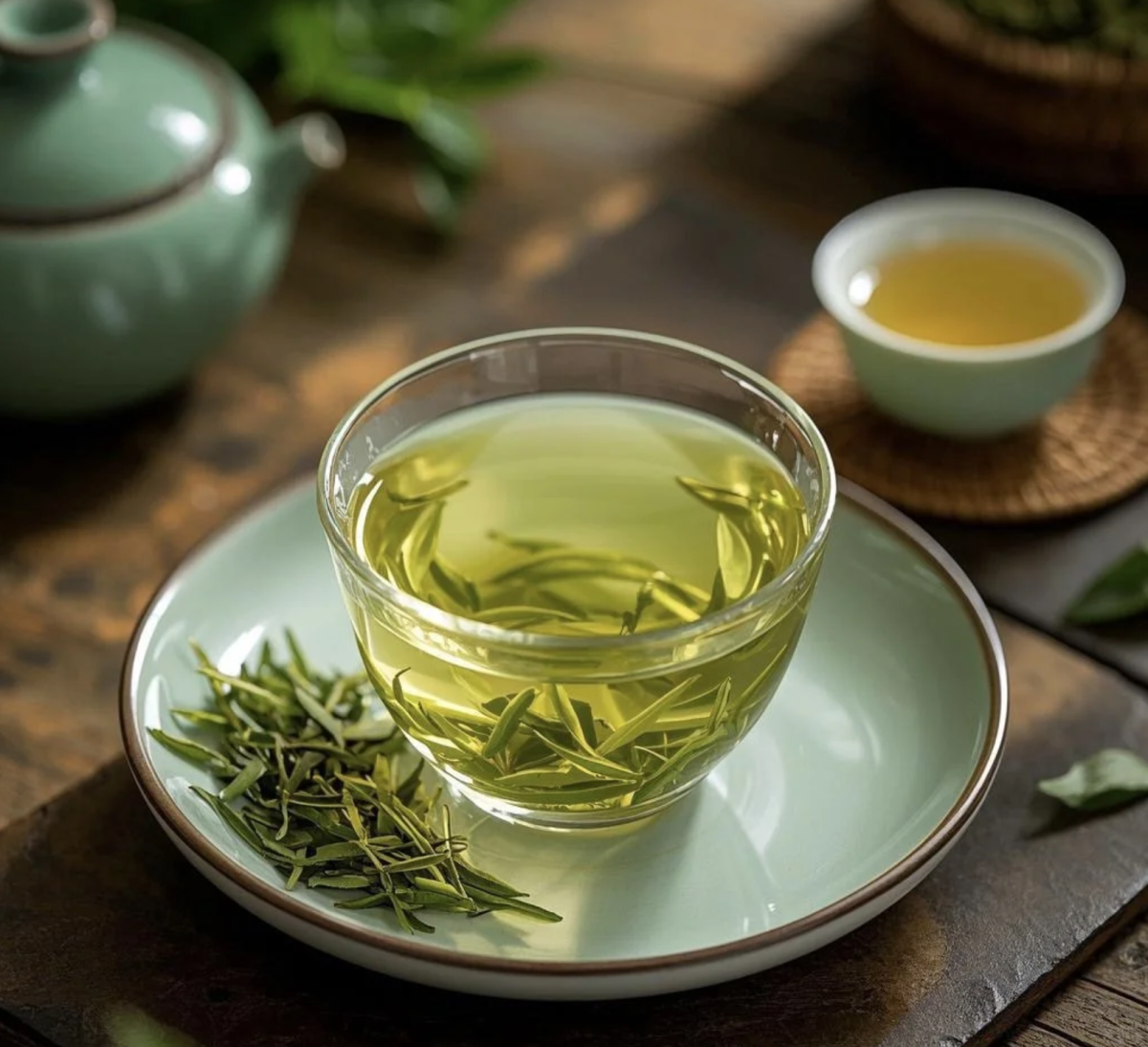
Green Tea
Green tea is non‑fermented. The leaves are quickly heated after picking to prevent oxidation, preserving their natural green color and grassy, vegetal notes. It has a clear, bright green liquor and a refreshing, sometimes slightly sweet taste.
- Representative Teas: West Lake Longjing, Biluochun, Huangshan Maofeng.
- Brewing: 80–85°C water. Boiling water can scorch the leaves and bring out unwanted bitterness.
White Tea
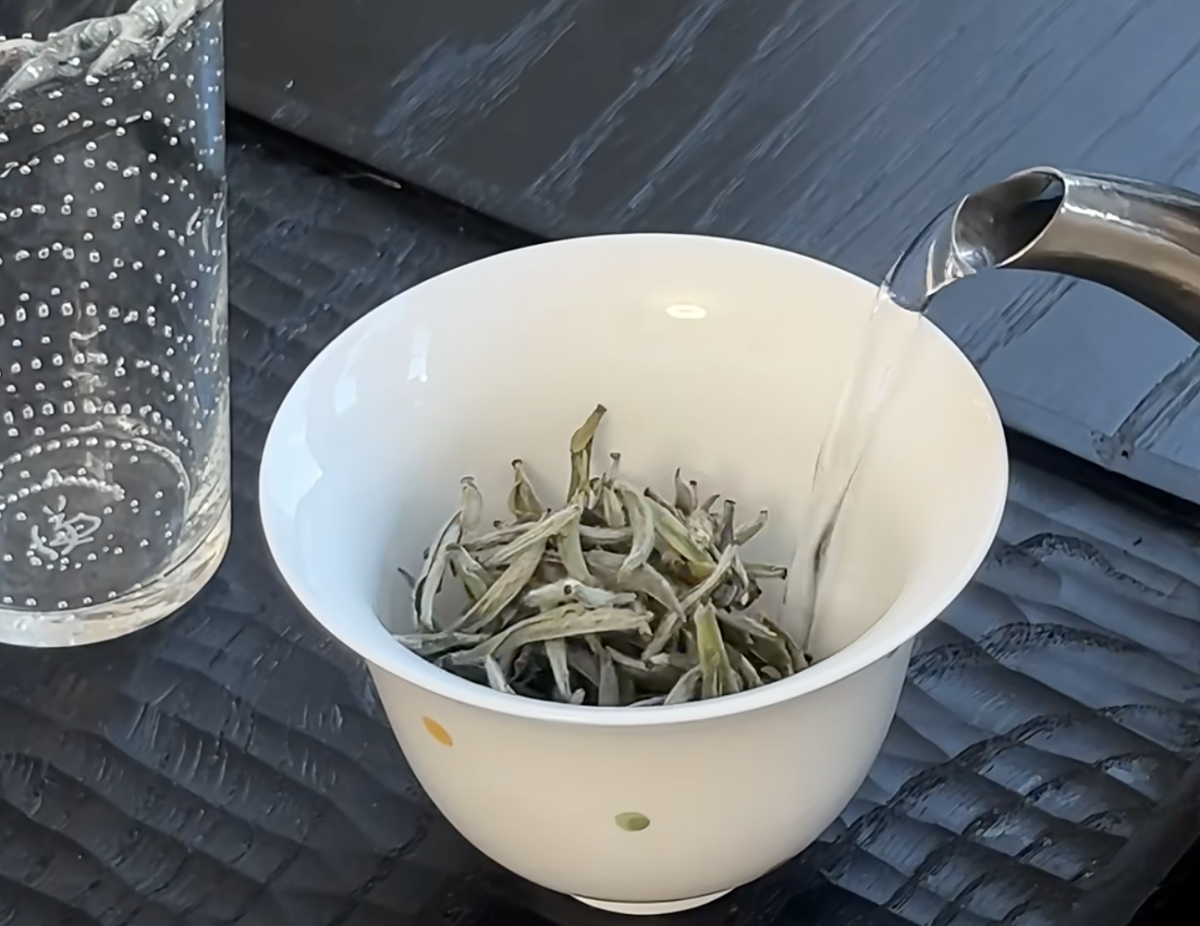
White tea undergoes a minimal process. Therefore, it is very close to the natural state of the tea plant. Young leaves and buds are simply withered and dried, often under sunlight. This minimal intervention gives the tea a pale yellow liquor, a soft, sweet flavor, and a coating of fine white hairs on the leaves. White tea becomes more aromatic and complex with age.
- Representative Teas: White Hair Silver Needle, Baimudan, Shoumei, Gongmei.
- Brewing: Around 90°C water.
Yellow Tea
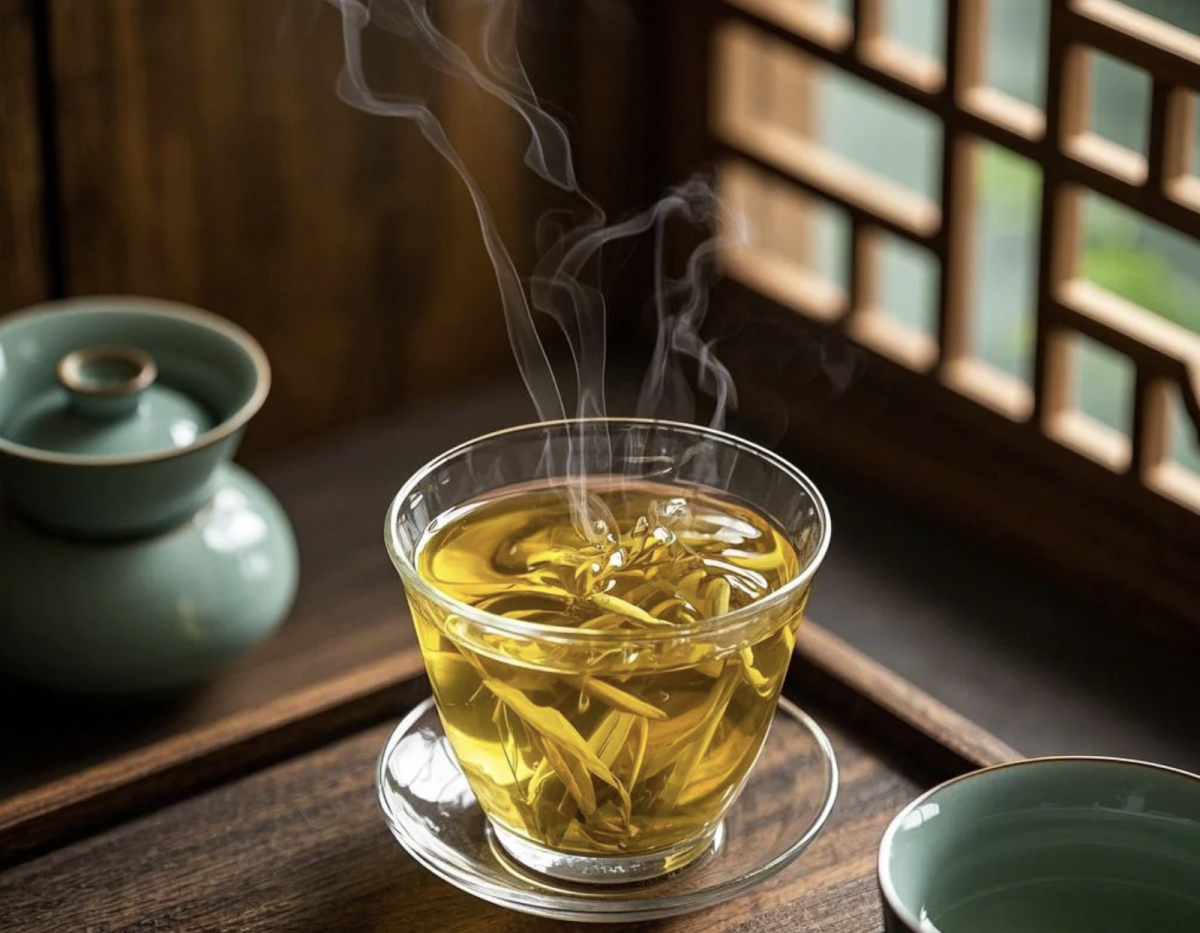
Yellow tea undergoes a unique "smothering" process after light oxidation, which gives the leaves a yellowish hue and removes the grassy sharpness found in green tea. The result is a tea that tastes smoother, mellower, and more rounded, with a gentle, almost creamy texture.
- Representative Teas: Junshan Yinzhen, Mengding Huangya, Huoshan Huangya.
- Brewing: 85–90°C water, to preserve its delicate balance.
Oolong
Oolong is a semi-oxidized tea, ranging from 8%-85%. This wide spectrum allows for incredible diversity—from light, floral oolongs to dark, roasted ones. The leaves are typically green with characteristic red edges. The aroma is rich and layered, often carrying floral, fruity, and honey notes, with a lingering aftertaste.
- Representative Teas: Tieguanyin, Dahongpao, Fenghuang Dancong, Dongding Oolong
- Brewing: 100°C boiling water.
Black Tea
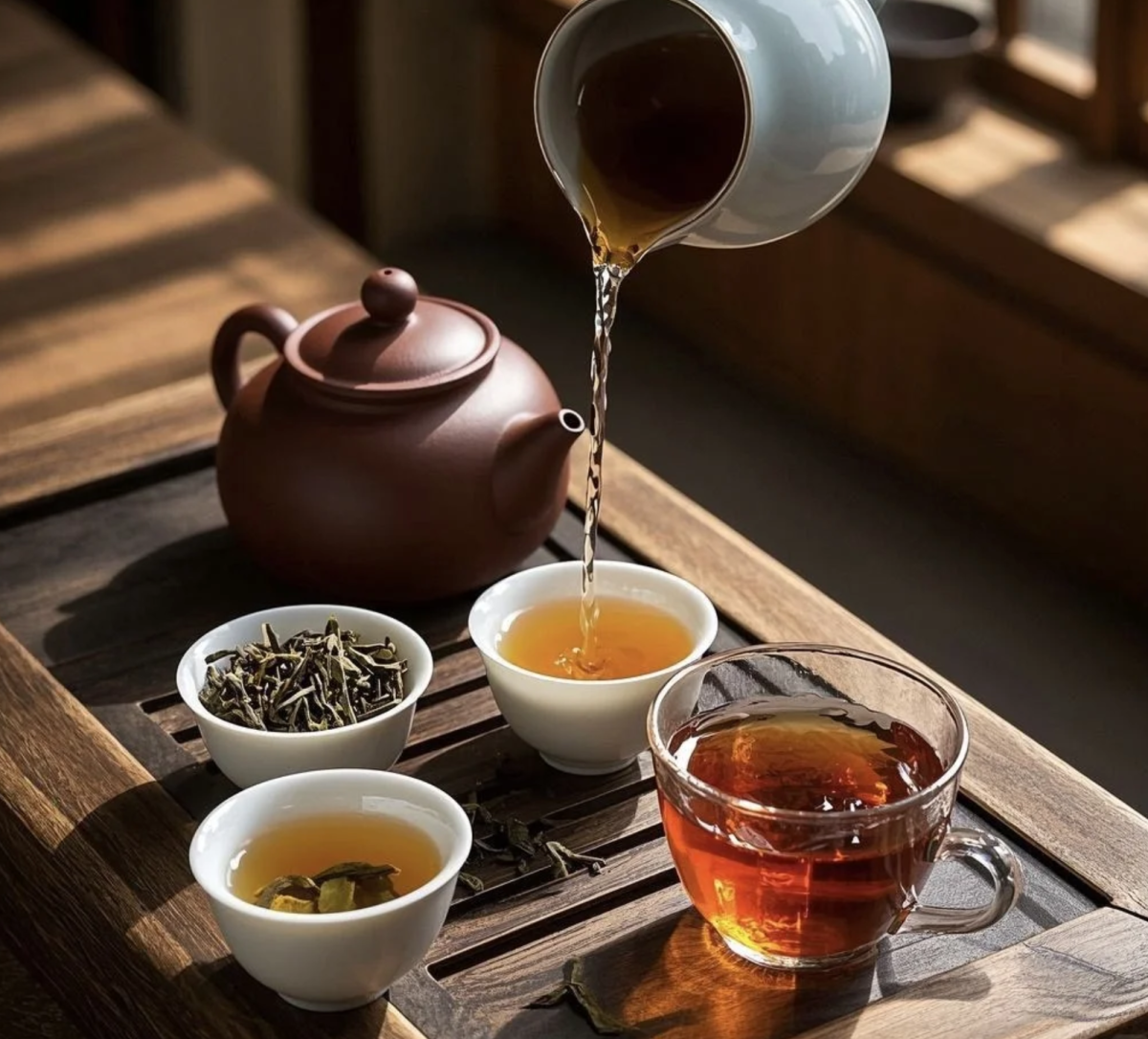
Known as "red tea" in China because of its reddish liquor and reddish‑brown leaves, black tea is fully fermented. This process creates a sweet, mellow, and robust flavor that is less astringent than many other teas. It is the most common tea base for milk tea and pairs wonderfully with milk, sugar, or even spices.
- Representative Teas: Zhengshan Xiaozhong (Lapsang Souchong), Keemun, Dianhong
Brewing: 90–95°C water. You can mix it with milk and sugar to make milk tea.
Dark Tea
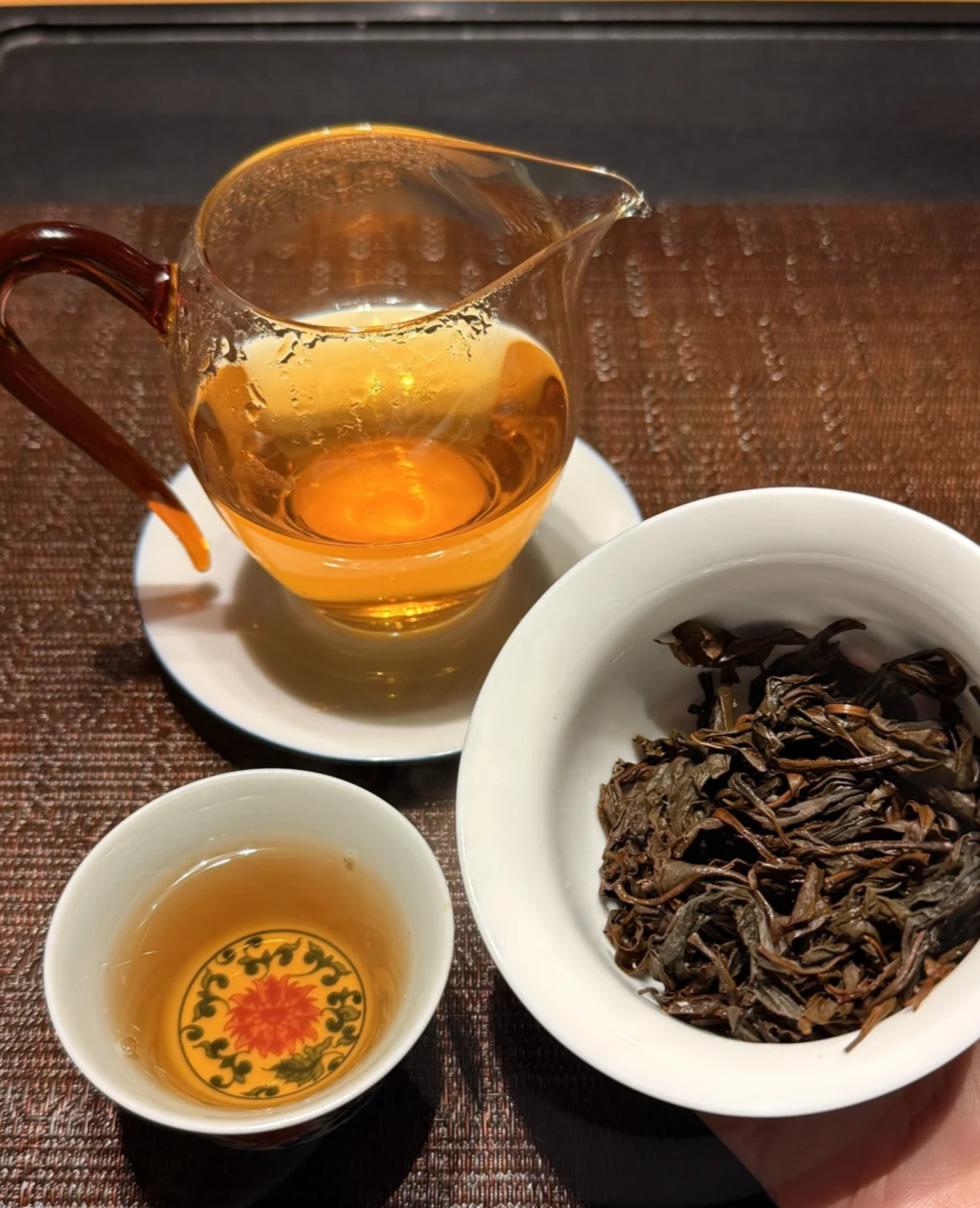
Dark tea is post‑fermented, meaning it undergoes microbial fermentation over time, similar to aged cheese or wine. Dark teas develop a rich liquor and a distinctive earthy, woody, or mellow aged aroma.
- Representative Teas: Pu'er Tea, Anhua Dark Tea, Liubao Tea
Brewing:100°C boiling water.
(Editor: Ella Qu)
Related News:




Comment