






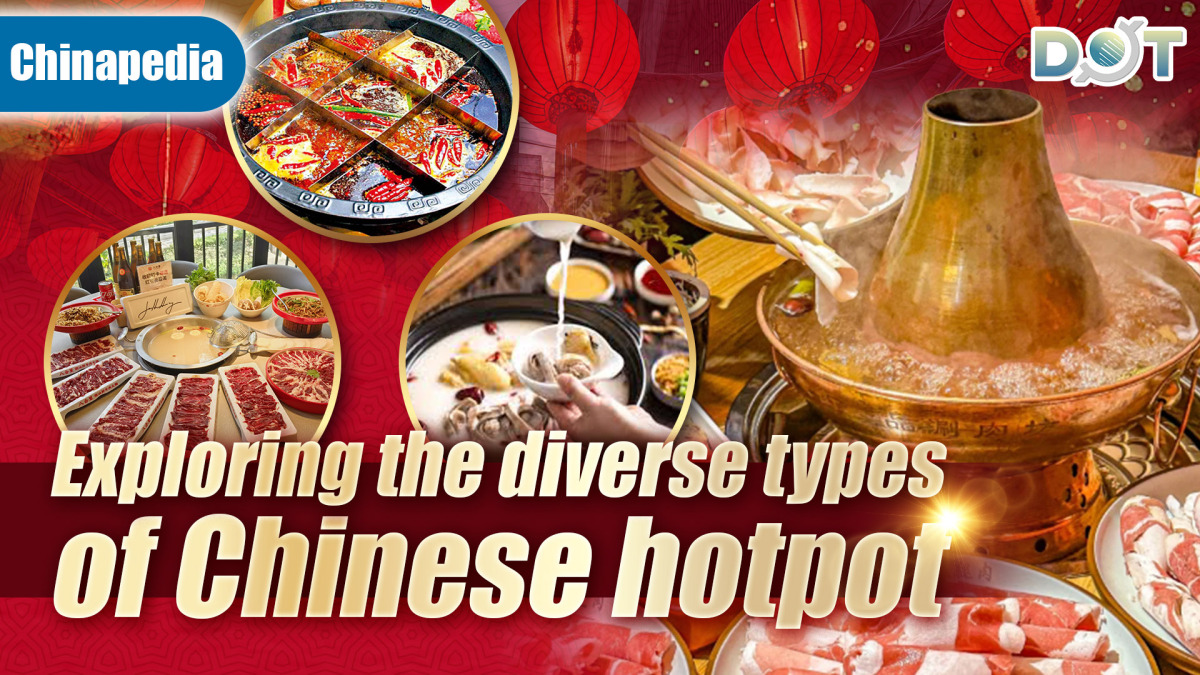
For anyone new to Chinese cuisine, the term "hotpot" might conjure up a simple image: a pot of boiling water, some raw ingredients, and a shared meal. But in China, hotpot is far more than that. It is a culinary tradition shaped by geography, climate, and local culture. From the spicy, oil-laden broths to the delicate, clear soups, every region has its own story to tell through its version of this communal dish.
Beijing Copper Pot Hotpot
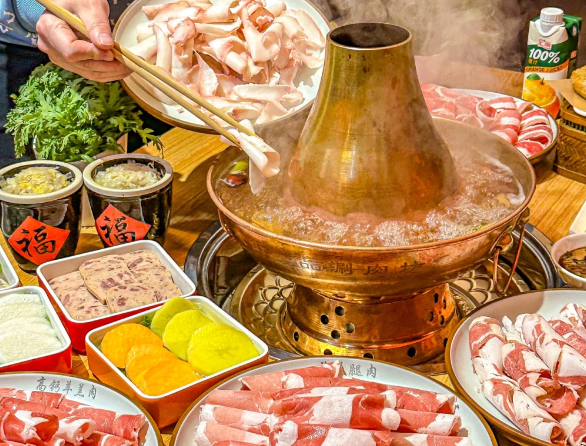
Beijing's Copper Pot Hotpot is an iconic representation of Chinese hotpot. The vessel itself is a thing of beauty—a brass pot with a chimney in the middle, heated by burning charcoal. The broth is deceptively simple: just water with a few slices of ginger and spring onion. The clarity of the broth allows the star ingredient—thinly sliced lamb—to shine. A slice is picked up with chopsticks, swished in the bubbling water for a few seconds until it changes colour, and then dipped into a rich sesame sauce. It is a deeply satisfying meal, especially in the winter.
Chongqing Nine-Grid Hotpot
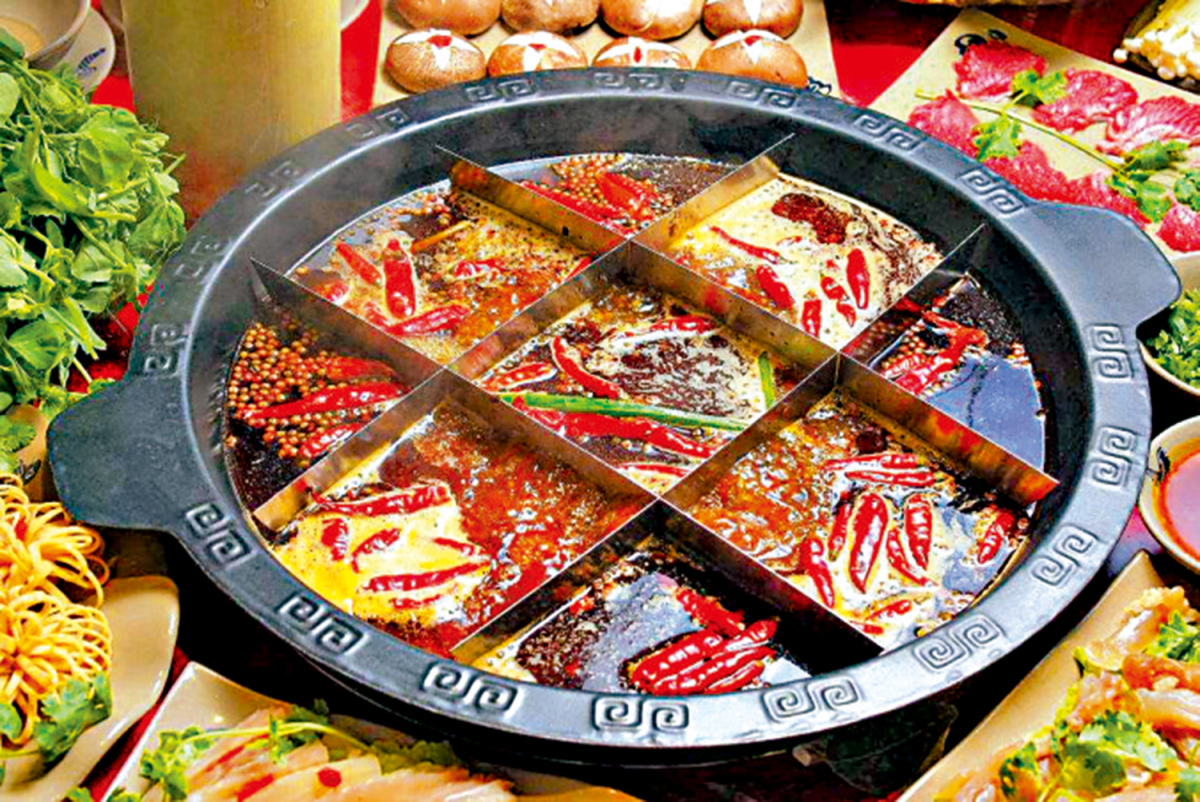
The Nine-Grid Hotpot is a spectacle from the moment it arrives at the table. A metal divider splits the pot into nine compartments, but do not be fooled—it is the same raging, crimson broth in every section, thick with dried chillies and Sichuan peppercorns. The grid simply helps diners keep track of their ingredients. Locals love to cook beef tripe, duck intestines, and other offal in this numbing, spicy soup. It provides a bold and intense taste.
Chaoshan Beef Hotpot
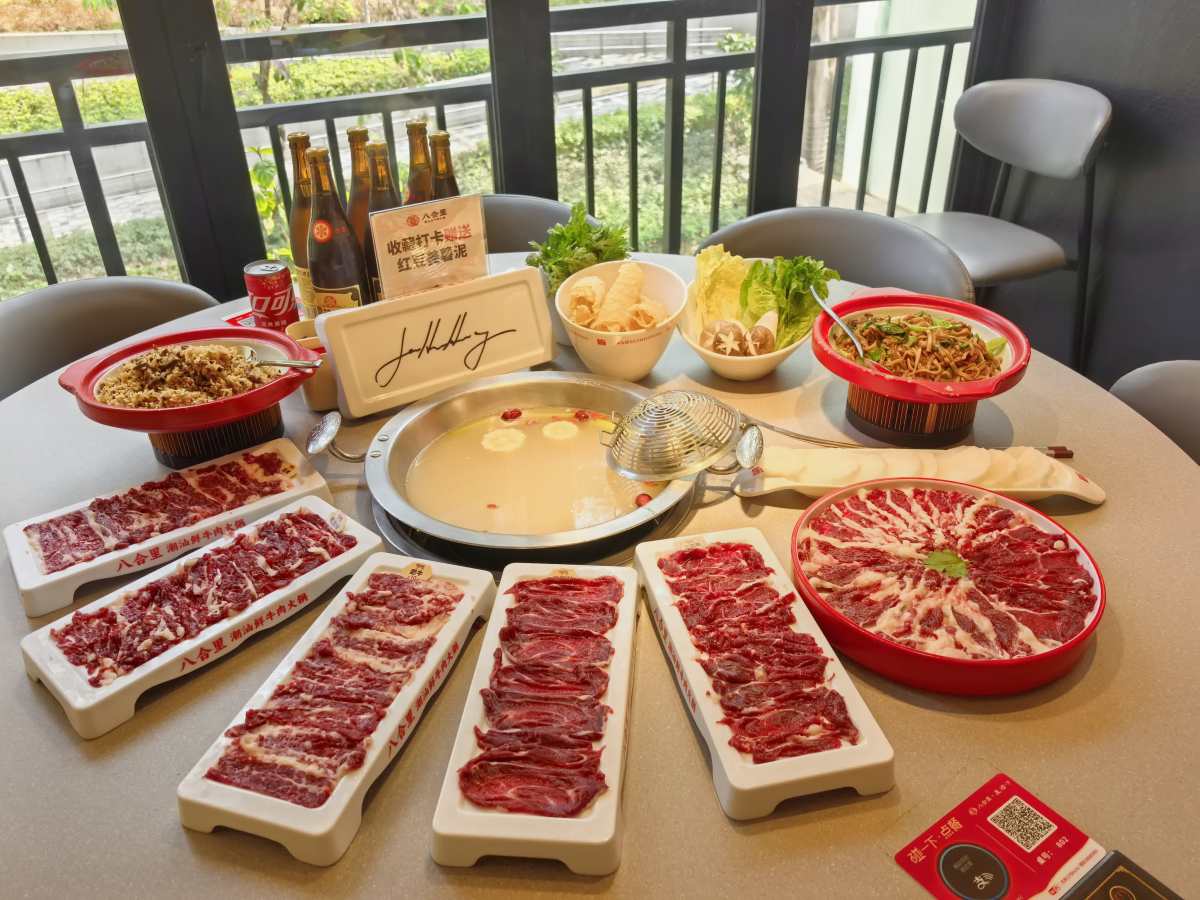
Travel south to the Chaoshan region, and a completely different philosophy awaits. Chaoshan Beef Hotpot is all about precision and quality. The broth is light, often just water with radish and corn, because the real focus is the beef. Different cuts are served on separate plates—brisket, tenderloin, even the prized fatty meat from the neck. Each slice is cooked briefly in the simmering broth, just a few seconds, then dipped in a savoury sauce made from shacha and garlic. It is a pure, almost scientific appreciation of beef.
Guizhou Sour Soup Hotpot
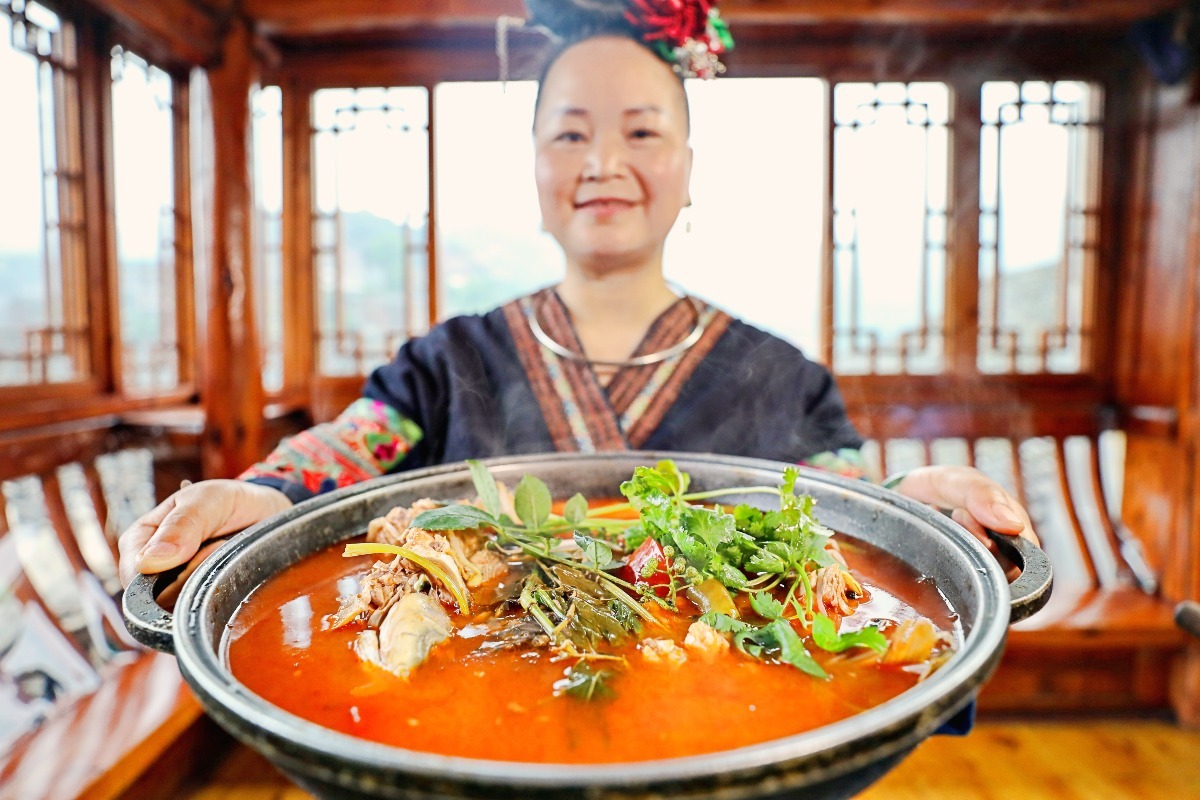
In the mountains of Guizhou, the hotpot takes a tangy turn. The broth is made from fermented tomatoes and rice water, giving it a bright red colour and a refreshing sourness found nowhere else. Freshwater fish is often cooked in this soup, and the combination is magical—the acidity of the broth cuts through the richness of the fish, leaving diners craving another spoonful. It is light, appetising, and completely unique.
Yunnan Mushroom Hotpot
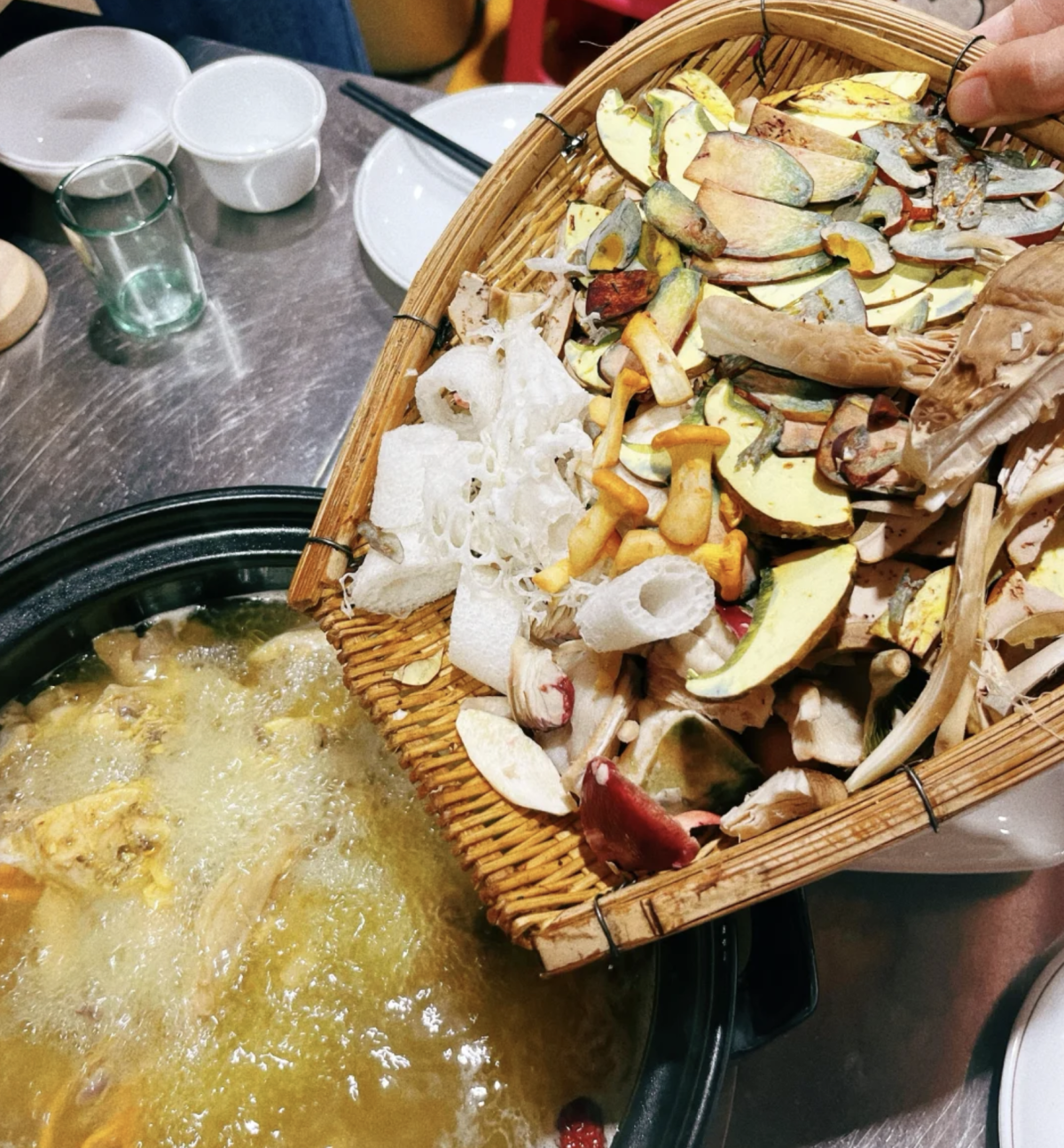
Yunnan province is famous for its wild mushrooms, and this hotpot is a celebration of that bounty. The broth is simmered with a variety of fungi. Meat and vegetables are cooked in it, but honestly, the mushrooms are the real stars. One word of caution: some wild mushrooms need to be cooked thoroughly, so it is wise to wait until the host gives the green light before digging in.
Pepper Pork Tripe and Chicken Hotpot
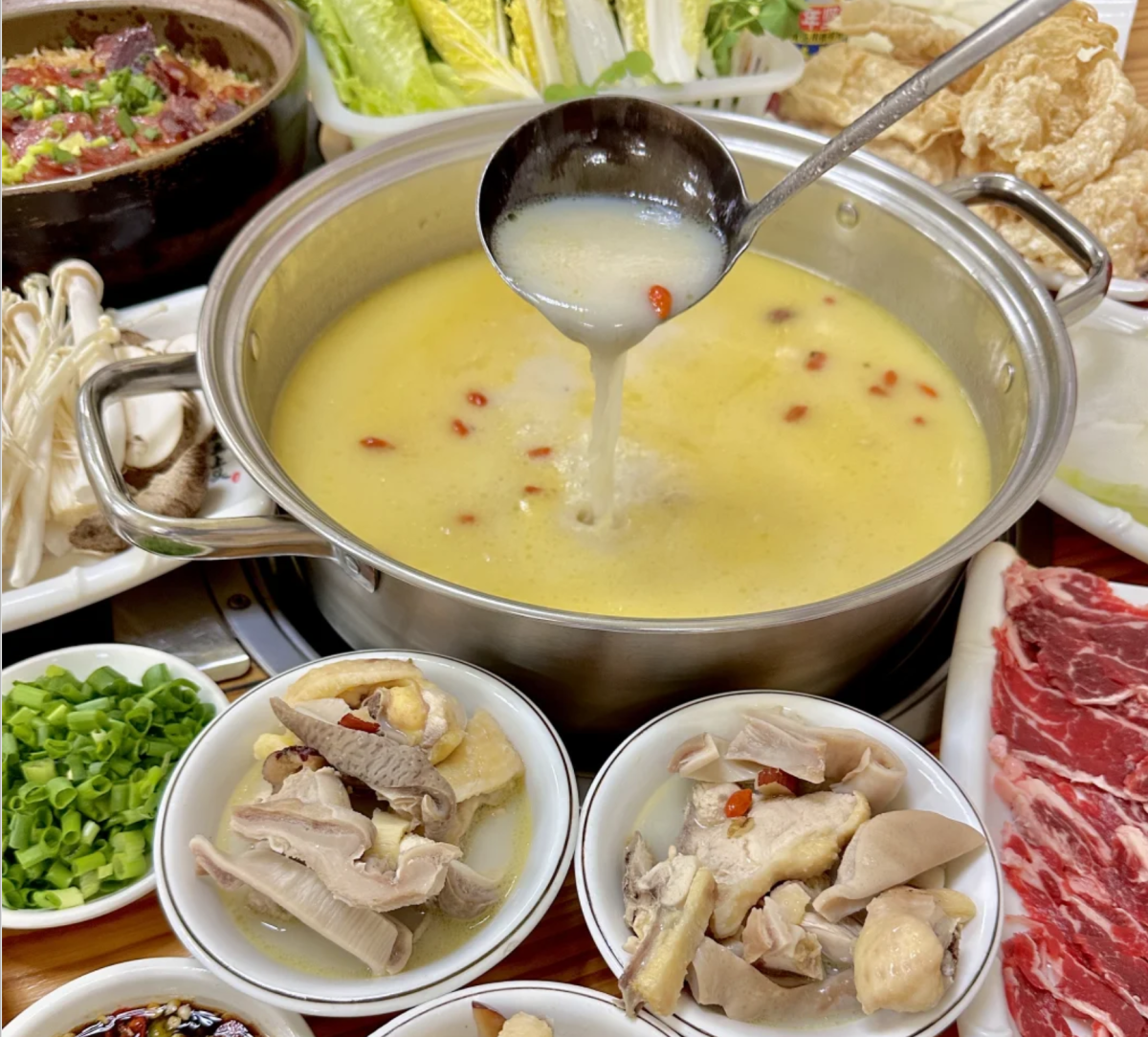
Sometimes, what is needed is something comforting. This hotpot delivers exactly this feeling. A whole chicken and slices of pork tripe are simmered together in a broth generously seasoned with white pepper. The result is a warming, peppery soup that soothes the soul. The tripe becomes tender and slightly chewy, the chicken falls off the bone. It is often considered a nourishing dish.
Shunde Congee Hotpot
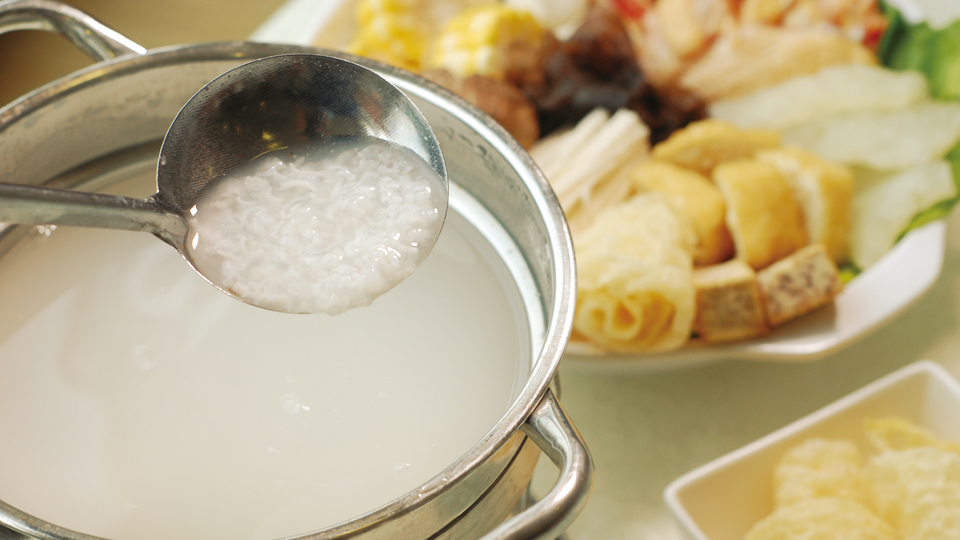
Instead of a clear broth, Shunde Congee Hotpot uses a pot of silky, smooth rice porridge as the cooking liquid. Raw ingredients—thinly sliced fish, pork, or vegetables—are dipped into the bubbling congee. By the end of the meal, the congee itself has absorbed all the flavours of everything cooked in it.
Coconut Chicken Hotpot
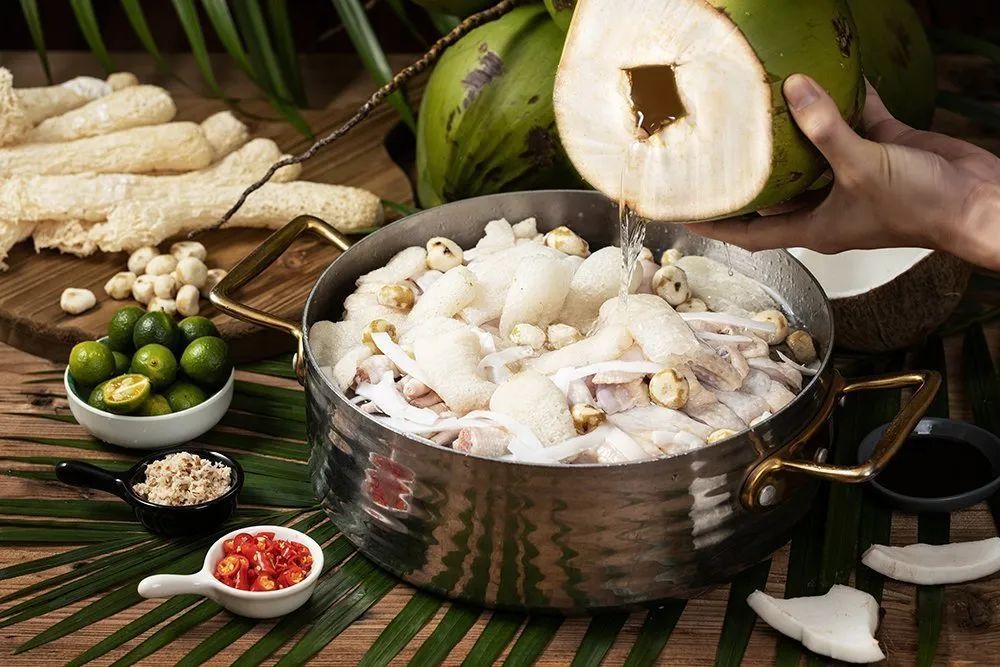
Popular in Hainan and Guangdong Province, Coconut Chicken Hotpot uses fresh coconut water and tender coconut meat as the base. Chicken is cooked in this naturally sweet broth, and the result is light, subtly sweet, and incredibly refreshing. It is the kind of hotpot that can be enjoyed even on a hot day, and it pairs beautifully with a simple dipping sauce of soy sauce, chilli, and lime.
(Editor: Ella Qu)
Related News:
Chinapedia | HK's Chinese New Year: Food, a language of blessings
Chinapedia | Gift-giving in China: What to give and what to avoid




Comment