






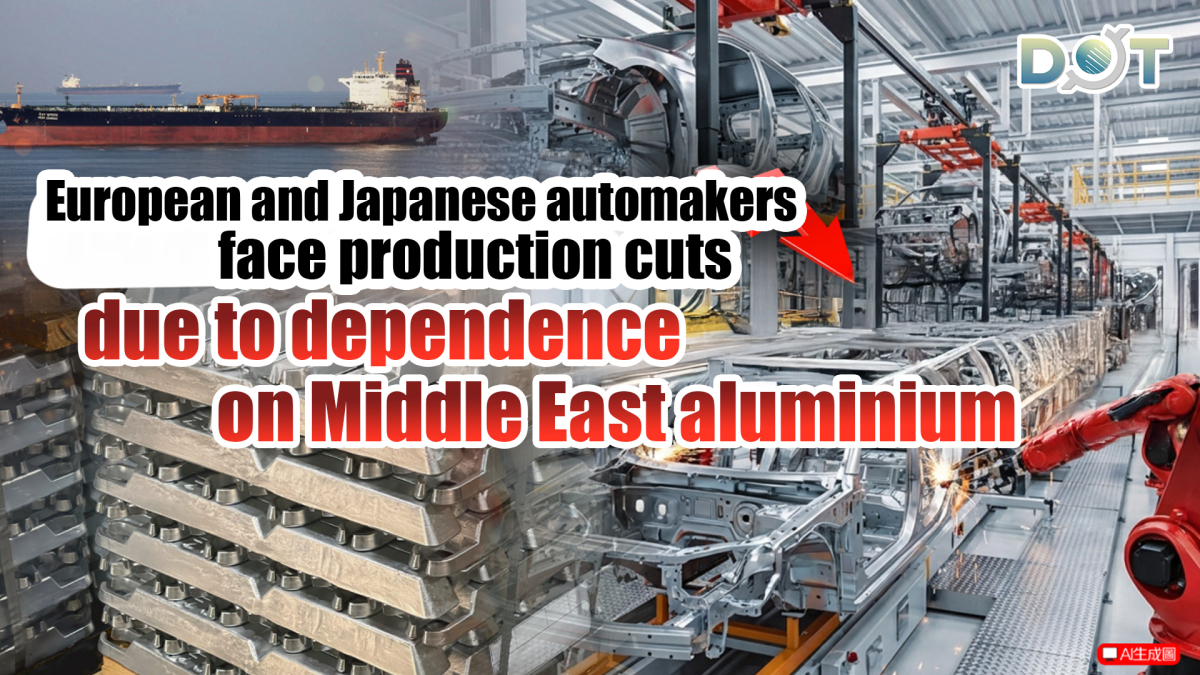
Nearly a month of ongoing conflict in the Middle East has sent shockwaves through the automotive industry, with major manufacturers warning that aluminum supply chains from the Persian Gulf face imminent disruption. Industry leaders fear that existing aluminum stockpiles could be exhausted in the short term if the conflict persists, forcing automakers to scale back or even halt production, sparking panic buying that has driven aluminum prices up 30 to 40 percent compared to pre-war levels.
Iran's blockade of the Strait of Hormuz, a critical shipping route, has already hampered aluminum exports from Gulf producers. Major manufacturers such as Alba and Qatalum have reduced output to avoid accumulating unsellable inventory. Aluminum is widely used in vehicle manufacturing, and Western automakers are facing difficulties securing new supplies, with some already tapping into existing stockpiles. Shortly before the conflict erupted, a significant shipment of aluminum left the Gulf region, but exports have since plummeted, forcing automakers to substitute virgin aluminum with scrap metal. Producers outside the Gulf have also reduced output amid rising transportation costs.
Japanese automakers and trading houses have largely avoided Russian aluminum since the outbreak of the Russia-Ukraine conflict in 2022, but the spreading Middle East crisis has forced Japan to reconsider sourcing from Russia. Toyota CEO Koji Sato said Japanese manufacturers are working to find alternative sources. One auto supplier that purchases several thousand tons of aluminum monthly said its plant could face production cuts within four months if Middle East supplies remain disrupted.
The Gulf region accounts for nearly 10 percent of the world's refined aluminum production. Europe imports 14 percent of its aluminum from the Gulf, while Japan relies on the region for 25 percent of its supply. With shipping through the Strait of Hormuz nearly halted, replacing the entire shortfall from the Middle East would be extremely challenging for any country. One metals trader warned that unless the conflict eases, European automakers could begin production cuts as early as June or July. Finding suitable alternative aluminum suppliers typically takes European car manufacturers up to 18 months due to their stringent specifications.
(Source: Wen Wei Po)
Related News:
(Watch This) Australia's fuel crisis deepens as over 600 petrol stations run out of fuel
US‑Israel strikes kill 208 Iranian minors, youngest just three days old




Comment