






Iranian Parliament Speaker Mohammad Bagher Ghalibaf warned in a post on X on March 17 that the situation in the Strait of Hormuz will not return to its "pre-war status". The message, published in English, follows his previous day's statement that Iran has prepared for a prolonged war.
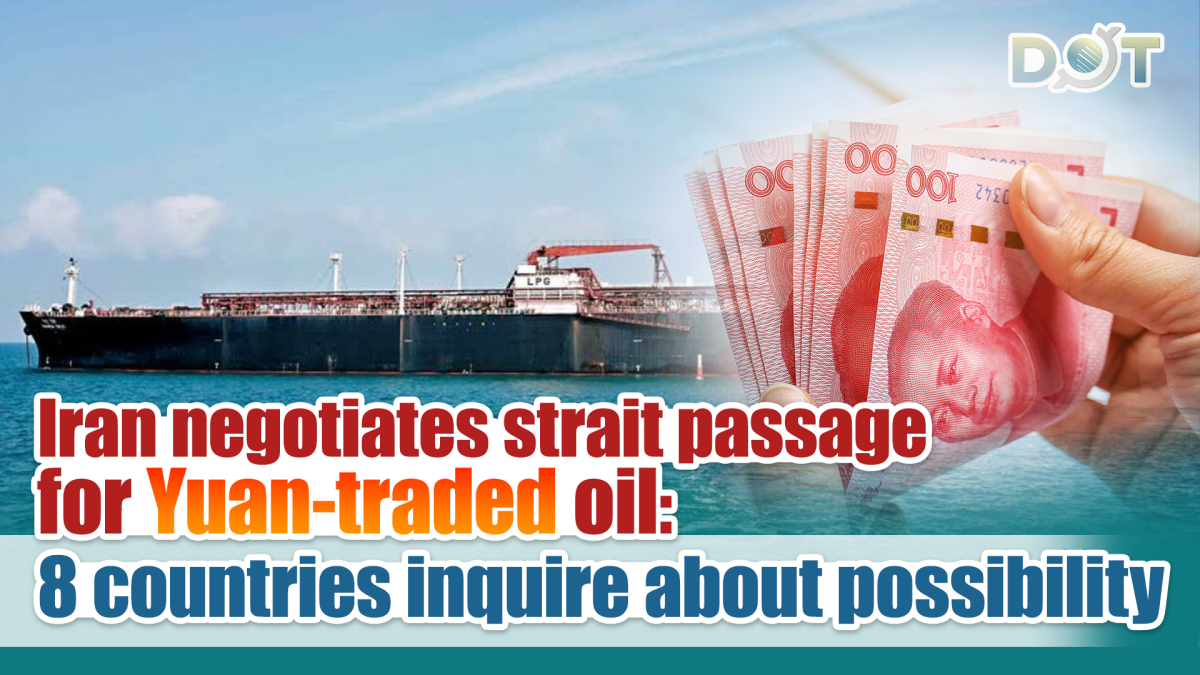
The parliamentary speaker's post was issued in English. Iranian sources told CNN that Tehran is negotiating with eight countries outside the Middle East region to allow vessels trading oil in RMB a safe passage through the Strait of Hormuz. The countries approached Tehran after Iran considered introducing such a mechanism to inquire about the possibility of an agreement. While the sources did not disclose the names of these eight nations, they indicated Iran is weighing a more comprehensive approach to further manage maritime traffic through the Strait while maintaining existing blockade measures.
According to maritime and trade data platform Lloyd's List Intelligence, approximately 90 vessels, including oil tankers, have passed through the Strait of Hormuz since the outbreak of war between the US, Israel, and Iran. Following intensified negotiations between nations, vessels associated with India and Pakistan have recently successfully transited the Strait.
Iran has previously stated it would target vessels belonging to the US, Israel, and their allies—a move effectively blocking the waterway through which approximately one-fifth of the world's crude oil passes, causing energy prices to soar. Meanwhile, reports indicate Iran has begun laying mines in the Strait, making any future attempt to reopen the shipping lane even more difficult.
(Source: Wen Wei Po)
Related News:
US considers deploying thousands of troops to Middle East amid tensions with Iran: Source
US conceals severity of USS Ford fire: Over 600 left without beds after laundry facilities damaged




Comment