





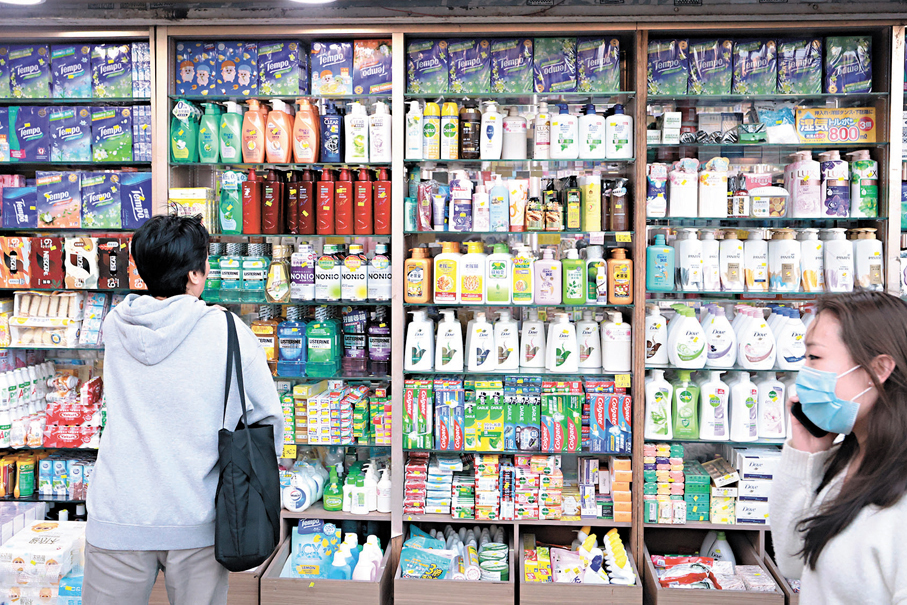
The ongoing conflict in the Middle East has driven up international oil prices, triggering a ripple effect on the cost of daily necessities in Hong Kong.
Industry insiders reveal that rising transportation costs, coupled with the increased price of petroleum by-products, have led to price hikes for items such as toilet paper and dishwashing liquid. The retail sector warns that prices for various food and household products could rise by as much as 15%, although consumers are urged not to stockpile goods to avoid further inflating prices.
Lam Wai-man, chairman of the Hong Kong General Chamber of Pharmacy, told Wen Wei Po yesterday (March 13) that the impact of rising oil prices will unfold in stages. He explained that transportation costs have already increased significantly, with some delivery companies struggling to cover fuel expenses. Even those managing to cope may have to raise delivery fees in the future to offset losses. Consequently, the price of toilet paper and tissues is expected to increase by 20% due to higher logistics costs.
As for dishwashing liquid and other petroleum by-products, Lam noted that manufacturers currently have a few months' worth of raw material inventory, delaying immediate price hikes. However, once these inventories are depleted, prices for related products are likely to rise, creating a cyclical increase in costs.
Industry: Prolonged conflict may disrupt imports
Lam also pointed out that oil storage is subject to strict regulations and limited by safety concerns and space constraints, making large-scale stockpiling impractical. While paper products like toilet paper are less prone to spoilage, most households are unlikely to over-purchase such items.
He emphasized that prolonged conflict could disrupt imports of daily necessities, warning, "It's not just about price hikes—some goods may simply become unavailable."
Lam Chi-chung, general secretary of the Hong Kong Department Stores and Commercial Staff General Union, predicted a 5% to 15% price increase for essential goods such as food and household items in the short term. If the situation worsens, price increases could reach 20%.
He cautioned that long-term conflict could affect the broader cost of living in HK, as the city depends heavily on imported goods. For example, mainland agricultural products, such as vegetables delivered to HK, are already facing cost pressures due to rising fuel expenses for transportation, and these costs will eventually be passed on to consumers.
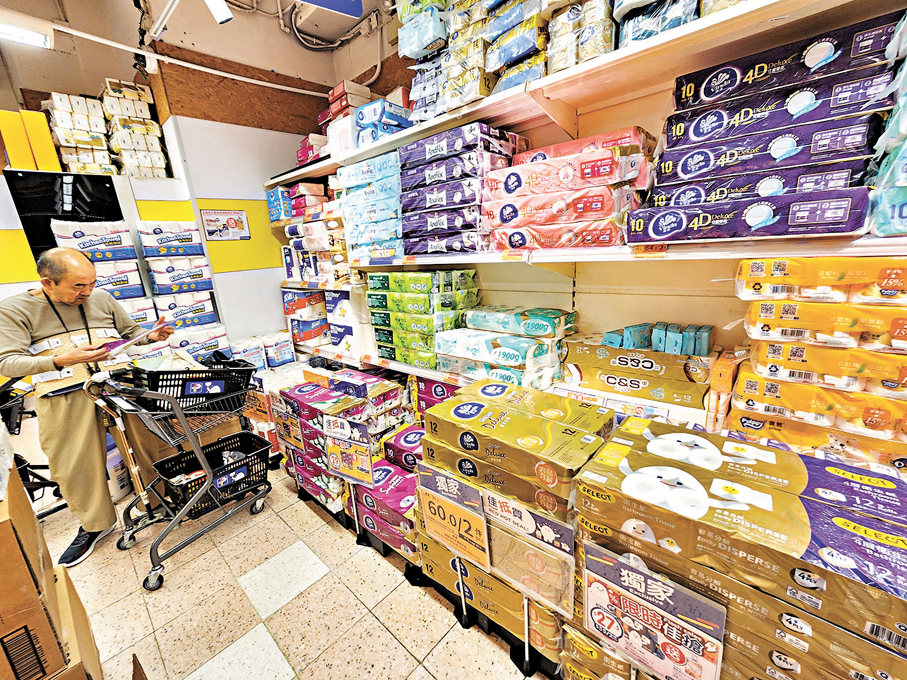
No panic buying seen in supermarkets, slight increase in stockpiling
Regarding logistics, Lam noted that some transport companies have signaled plans to raise delivery fees by 5% to 7%, depending on global oil price trends. If the conflict disrupts oil shipments from the Persian Gulf, not only food and daily necessities but also essential resources such as fuel, water, and electricity could be affected, leading to price fluctuations.
He urged the public to avoid panic buying to prevent further price inflation. Instead, he encouraged energy conservation, such as reducing electricity usage and relying more on public transport to minimize energy consumption.
He also called on the government and related companies to actively explore alternative sources of oil and goods to stabilize supply and curb price increases.
Lam added that major retailers and supermarkets are closely monitoring the situation in the Middle East and have not engaged in large-scale stockpiling. Businesses are carefully planning their strategies based on operational needs. He advised consumers to take advantage of promotions at supermarkets to purchase necessities in moderation and avoid unnecessary panic.
A local resident, Mr. Pang, shared his experience with Wen Wei Po, saying that while shopping at a supermarket in Tseung Kwan O, he noticed that shelves for budget toilet paper were almost empty, with around 50% of stock for cheaper brands sold out. Only higher-priced products remained, and some shoppers were seen buying two packs of toilet paper at a time. However, other daily necessities such as rice and cooking oil were still in stable supply.
Pang said that stockpiling is unnecessary but admitted that after hearing about a potential 20% price hike for toilet paper and realizing he only had three packs at home, he planned to buy one or two more packs to last one to two months. He also emphasized that his actions were not motivated by panic buying.
(Source: Wen Wei Po)
Related News:
OMG | US Energy Secretary says US has 'no plans' to target Iran's oil industry




Comment