






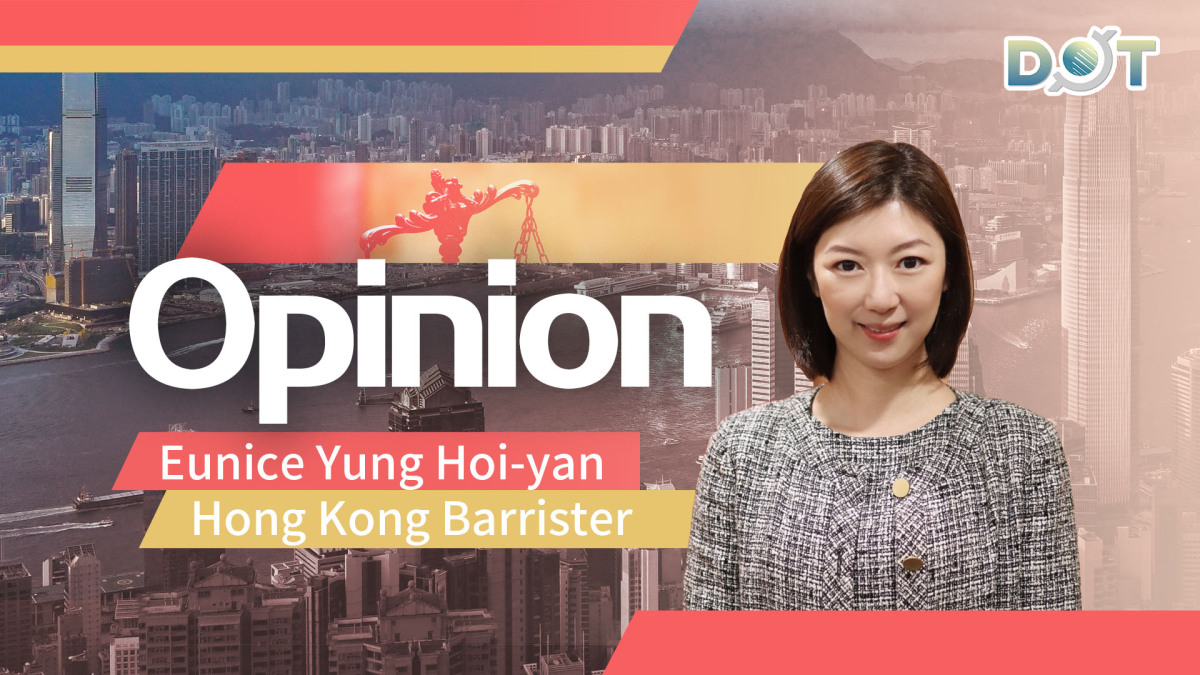
By Eunice Yung
As China gathers for its annual "two sessions" in Beijing, a sense of renewal and strategic anticipation sweeps through the country. The unveiling of the 15th Five-Year Plan sets the stage not only for national growth and innovation, but also for Hong Kong to reaffirm and reinvent its unique mission in support of Chinese modernization. In the words of President Xi Jinping and recent central policy documents, this is a historic moment that calls for Hong Kong's business sector to align closely with the country's priorities and fully harness the city's strengths for the development ahead.
At the heart of the new plan lies a vision of high-quality development driven by openness, innovation, and talent—aspirations that echo Hong Kong's enduring role. The Central Government has repeatedly underlined the importance of Hong Kong's continued prosperity and stability, encouraging the city to integrate more deeply with national strategies and seize opportunities across the board. From finance and trade to professional services and talent cultivation, Hong Kong's contributions are vital, wide-ranging, and mutually reinforcing.
As one of the world's premier financial centers, Hong Kong provides China with an invaluable gateway to international markets. Its capital markets have served as a bridge for Mainland enterprises seeking global investment, and as a magnet for international funds flowing into China. The city's transparent legal framework and robust regulatory regime not only build confidence in cross-border transactions, but also support the internationalization of the renminbi and the expansion of new financial instruments, including green bonds and sustainable finance. These factors make Hong Kong an essential platform as China continues its campaign for high-level opening-up and integration into the global economy.
Trade and logistics remain defining pillars of Hong Kong's economy and its value to the nation. The city acts as a crucial transit point for goods, services, and ideas, serving both Mainland and international markets. Hong Kong's role as a separate customs territory underpins its effectiveness in facilitating trade, while its expertise in areas such as arbitration, risk management, and intellectual property protection drives the growth of professional services. As China champions policies for opening up the services sector and developing new trade channels, Hong Kong's experience and network can be leveraged to shape international standards and forge new trade partnerships.
Hong Kong's ability to serve as a connector goes beyond economics. The city's international business environment, world-class universities, and multicultural openness have made it a hub for attracting and cultivating both local and global talent. Programs like the Top Talent Pass Scheme and Quality Migrant Admission Scheme are steps toward building the "talent cluster" China's modernization effort requires. At the same time, Hong Kong acts as a conduit for creativity and innovation—not just in technology, but in finance, law, education, and the arts—facilitating exchanges that strengthen cohesion and understanding between East and West.
All this has been amplified with the emergence of the Guangdong-Hong Kong-Macao Greater Bay Area, which promotes deeper regional integration and cross-border collaboration. Here, Hong Kong's business sector can play a proactive role not only in advancing technological cooperation, but also in championing "soft connectivity"—the harmonization of rules, standards, and professional practices across the bay area—that will enhance business efficiency and regional competitiveness. The new momentum around the Northern Metropolis is a testament to this spirit of integration; it is envisioned not solely as a destination for innovative industries, but also as a platform for logistics, modern services, green finance, and new-style urban living.
Hong Kong's business sector is also encouraged to support Mainland enterprises seeking to "go global," both by facilitating overseas market entry and by helping Chinese brands earn recognition and value internationally. This can be achieved through brand certification, the development of international intellectual property systems, and participation in global initiatives such as digital trade and carbon markets. Sharing the lessons of Hong Kong's governance and compliance with other Mainland business hubs will also help present a positive image of China's modernization to the world.
In essence, Hong Kong's prospects, and those of its business community, are inextricably linked to the national journey. The 15th Five-Year Plan calls for Hong Kong not just to safeguard its traditional strengths, but to boldly innovate in response to new trends and challenges. The city's capacity for adaptation, its deep talent pool, and its trusted global standing remain its core assets. By fully leveraging these, aligning with national priorities, and embracing its mission as China's international connector, Hong Kong will continue to play a vital and irreplaceable role—not only in the next five years, but in the broader story of China's rise on the world stage.
In this new era, the partnership between Hong Kong and the nation is stronger and more dynamic than ever. Supported by clear policy and shared resolve, Hong Kong's multifaceted contributions will help propel both local and national development, ensuring the city's relevance as a global hub and a driving force in China's ongoing transformation.
Through all these efforts, Hong Kong's promise to the country's future is clear. The Central Government's reaffirmed commitment to the prosperity and stability of Hong Kong and Macao only amplifies the city's importance as the nation seeks higher levels of productivity, openness, and global influence. As the 15th Five-Year Plan gets underway, understanding mainland priorities, leveraging Hong Kong's inherent strengths, and aligning local development with national strategies will define not only the city's next chapter, but also its greatest contribution to Chinese modernization.
In the years ahead, as China moves confidently toward its centenary goals, Hong Kong's business sector will find both challenge and triumph in fulfilling this historic mission. Supported by policy, bolstered by regional integration, and driven by innovation and talent, Hong Kong's unique role—as envisioned by the central authorities—has never been clearer or more compelling. In this new era, the city's businesses, institutions, and people are poised to help propel the nation further, ensuring that the story of the next five years will be one of shared progress and global opportunity.
The views do not necessarily reflect those of DotDotNews.
Related News:
Opinion | Firm sentencing in national security trial affirms commitment to justice
Opinion | Panama's Supreme Court ruling sets dangerous precedent for international commerce




Comment