






Digital technologies are no longer a luxury but a necessity for supporting healthy aging in the Asia-Pacific, according to a new APEC best-practice report compiled by Hong Kong policy advocacy firm Union Communications.
The report, titled APEC Digital Solutions and Technologies for Senior Citizens' Connectivity and Healthiness, states that as populations age rapidly, digital tools are critical for health, social inclusion, and care systems. It analyses policies from 16 APEC members, including Australia, China, Japan, Singapore, and the United States.
With several economies like Japan, Korea, and Hong Kong already deemed "super-aged," the report projects that over half of APEC members will become aged or super-aged societies by 2040. This shift will intensify demands on healthcare, long-term care, and caregiver support—a priority recently echoed in APEC Health Working Group discussions.
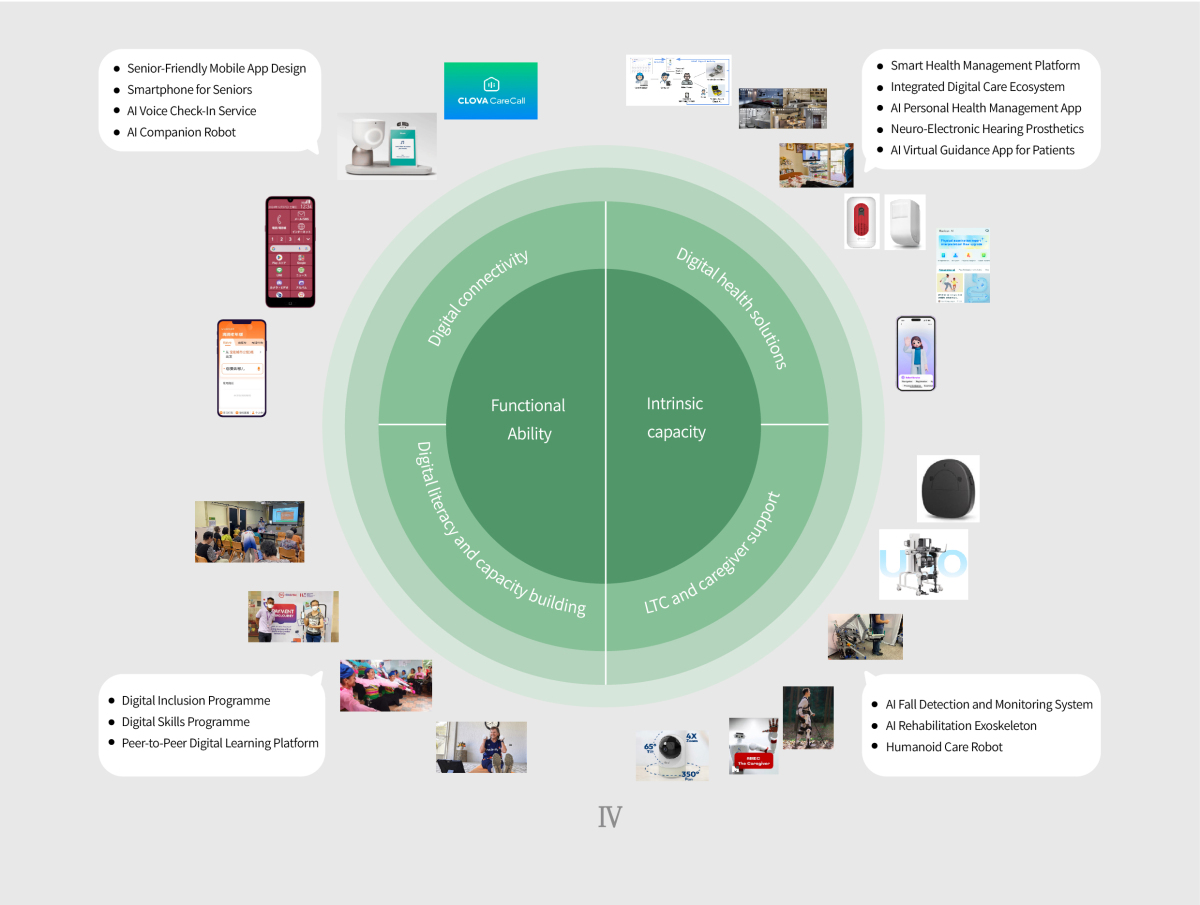
Drawing on the WHO's active aging framework, the report identifies four foundational pillars for "silver-tech":
- Digital Connectivity: Examples include Japan's senior-friendly mobile plans and Mainland China's widespread "senior mode" for apps featuring larger fonts and simpler navigation.
- Digital Skills & Capacity Building: Initiatives like Singapore's intergenerational community training and peer-to-peer learning models in the U.S. and Vietnam.
- Digital Health Solutions: Integration of telemedicine, e-health records, and home-based monitoring in public systems in China, Thailand, and Australia.
- Long-Term Care & Caregiver Support: Combining smart home tech, remote monitoring, and care robotics with supportive policies like caregiver leave and subsidies.
A highlighted case from Hong Kong is the "Smart Silver" digital inclusion program, run by the Federation of New Territories Youth with government support. It has provided small-group training to about 10,000 older adults in districts like Kwai Tsing and Tsuen Wan, focusing on practical skills for medical appointments, anti-scam awareness, and using apps like WhatsApp and eHealth.
The report concludes with four policy directions for APEC economies: closing digital access and affordability gaps; institutionalizing lifelong digital learning; embedding digital health into broader care systems; and strengthening caregiver support through technology and policy.
Related News:
Henry's Take EP47 | APEC comes to Shenzhen next year, HK plays key role




Comment