






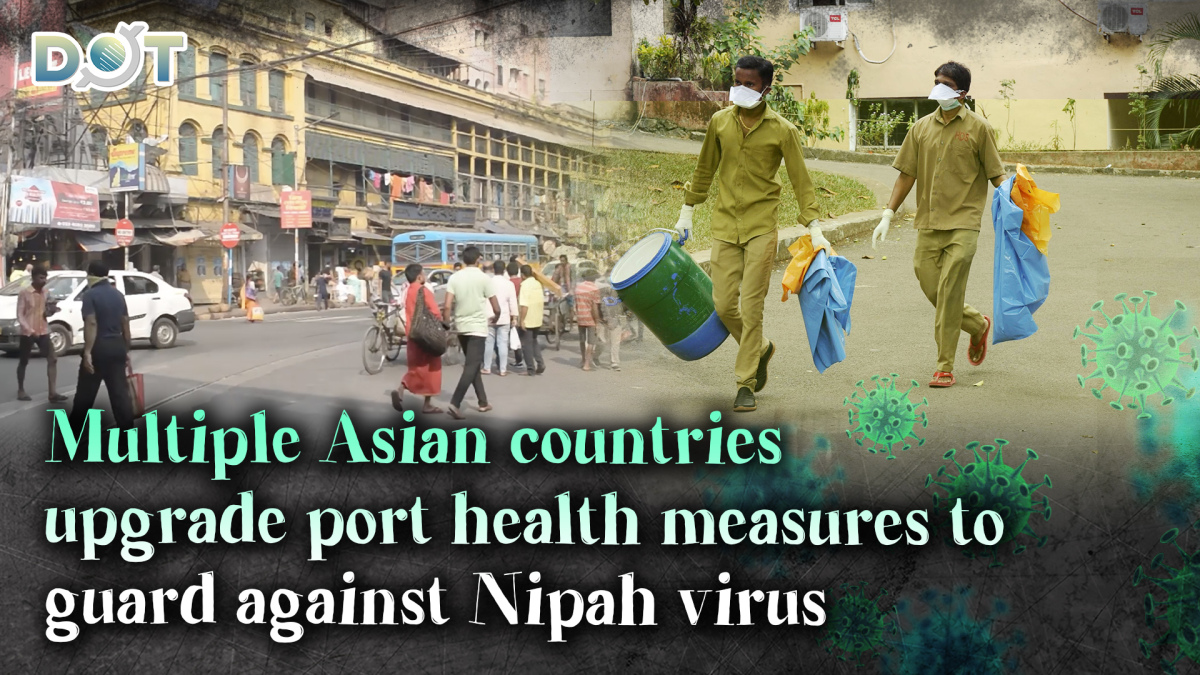
Several Asian countries, including Malaysia, Vietnam, and Thailand, have upgraded their border epidemic prevention measures in response to a recent Nipah virus outbreak in West Bengal, India, aiming to prevent the virus from entering their territories.
Malaysia's Ministry of Health announced on Jan. 28 enhanced health screenings at entry points, with a focus on travelers from high-risk areas. Relevant departments have strengthened cooperation to improve preparedness, surveillance, early warning, and emergency response capabilities. The ministry also advised the public, especially those traveling to affected regions, to maintain personal hygiene and avoid contact with sick animals or consumption of contaminated food.
On Jan. 28, Vietnamese media reported that the Ministry of Health issued an urgent directive to local health and disease control departments. It mandates the strengthening of Nipah virus prevention at border crossings, medical institutions, and within communities, along with close monitoring of inbound travelers to ensure early detection and swift handling of suspected cases. As of Jan. 27, Vietnam has not reported any cases of Nipah virus infection.
Indonesia and Thailand have also intensified screenings at major airports, requiring health declarations and temperature checks for incoming travelers. Health authorities in Myanmar have advised the public to avoid non-essential travel to West Bengal, India, and are implementing stricter temperature monitoring for arrivals from India.
The Nipah virus belongs to the Henipavirus genus within the Paramyxoviridae family and is an RNA virus. According to information from the World Health Organization (WHO) and other agencies, the incubation period for Nipah virus infection typically ranges from 4 to 14 days but can extend up to 45 days. The fatality rate among infected individuals varies significantly, estimated at 40%-75%, due to differences in epidemiological surveillance and clinical treatment capacities across outbreak-affected areas.
Currently, there are no specific antiviral drugs or vaccines approved for Nipah virus disease. Preventive measures include thoroughly washing and peeling fruits before consumption; wearing protective clothing and gloves when handling sick animals or their tissues; and avoiding unprotected close contact with infected individuals.
Related News:




Comment