






By Liu Rui and Zhang Yuanyuan (intern) in Henan
During the recent Two Sessions in Henan Province, a viral trend dubbed "Becoming Chinese" has exploded across overseas social media. Foreign netizens are enthusiastically sharing their daily routines: drinking warm water, enjoying medicinal foods, and practicing Baduanjin qigong. What was once a lifestyle primarily associated with Chinese people has evolved into a sought-after global health trend.
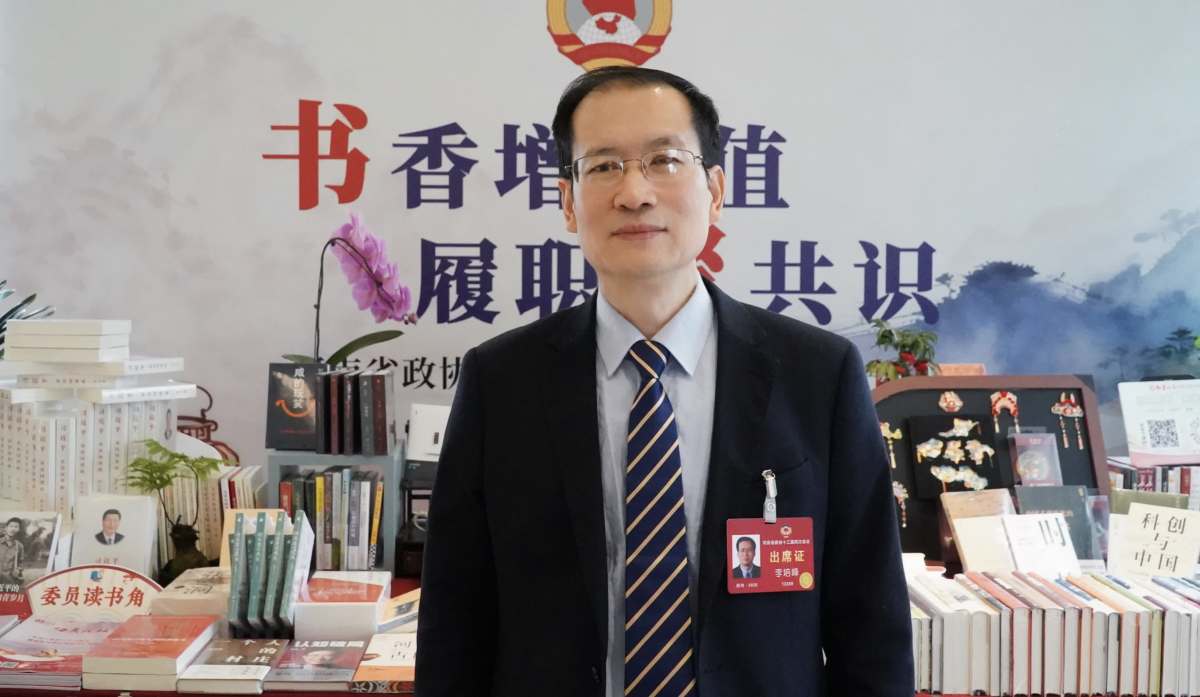
Li Peifeng, a member of the Henan Provincial Committee of the Chinese People's Political Consultative Conference (CPPCC), emphasized that this surge is no accident. It vividly demonstrates how Chinese lifestyle wisdom is resonating worldwide. The growing popularity of Traditional Chinese Medicine (TCM) and Chinese-style health preservation serves as powerful evidence of China's cultural soft power winning hearts globally.
Li noted that overseas netizens are moving beyond superficial trend-following and "check-ins." They are now actively exploring the deeper principles behind these practices, such as TCM dietary therapy and health preservation aligned with the traditional 24 solar terms. This shift—from merely observing to truly understanding—has elevated Chinese-style health preservation beyond a simple "cultural symbol" into a genuine two-way cultural exchange between China and the rest of the world. It marks an evolution from one-way cultural export to mutual empathy and resonance.
"The core reason TCM is gaining global traction is that it effectively meets people's universal health needs," Li stated. He explained that while Western medicine excels at treating acute illnesses and emergencies, TCM shines in disease prevention—particularly in managing and warding off chronic conditions like arteriosclerosis and diabetes. Many Chinese herbal ingredients are everyday foods, embodying the principle of "medicine and food sharing the same origin." This integration makes health preservation convenient and seamlessly part of daily meals.
Overseas Chinese communities have long embraced these habits, and their impressive health outcomes have sparked curiosity among friends from diverse backgrounds, leading to widespread interest. Over time, TCM dietary therapy has steadily gained acceptance in regions such as the United States, Europe, and Australia.
Even the simple Chinese habit of drinking warm water—which many Chinese people take for granted—has become a popular health choice abroad. Li smiled as he recalled that Westerners once dismissed the idea that warm water could ease discomfort. Now, many have discovered for themselves that a cup of warm water can soothe minor issues like stomachaches, leading them to adopt the practice willingly.
This seemingly simple habit's global spread reflects the growing international recognition of traditional Chinese culture and China's increasingly positive image worldwide.
Notably, China's average life expectancy has risen significantly in recent years—reaching around 79 in 2024 and continuing to climb toward 80. Li attributed this achievement in part to TCM's emphasis on "treating pre-disease" (preventing illness before it fully develops), which has helped Chinese people effectively delay or avoid many chronic diseases. This success has encouraged Westerners to set aside preconceptions and embrace elements of the Chinese healthy lifestyle.
To share this wisdom more widely, Li's team has launched the website "Long Health, Long Life." Its "Popular TCM" section explains how to prevent chronic diseases using everyday fruits and vegetables, while the "Chinese Herbal Ingredients" column provides cooking methods for 106 edible Chinese herbs. Even the "Jokes and Humor" section subtly weaves in health tips, promoting well-being through laughter and a positive mindset. Now accessible worldwide via Google, the site defaults to Chinese but can be easily translated into English (or other languages) using built-in tools, allowing overseas users to unlock Chinese health secrets anytime, anywhere.
Related News:
Watch This | 'Becoming Chinese' trend takes over social media




Comment